



China-Russia Trade Corridor Expansion | Tariff Arbitrage & Market Access Opportunities for Cross-Border Sellers
- Enhanced bilateral cooperation signals potential tariff reductions and new payment systems; sellers in Russia-China corridors face 6-18 month policy transition window with 15-25% margin improvement opportunities










Overview
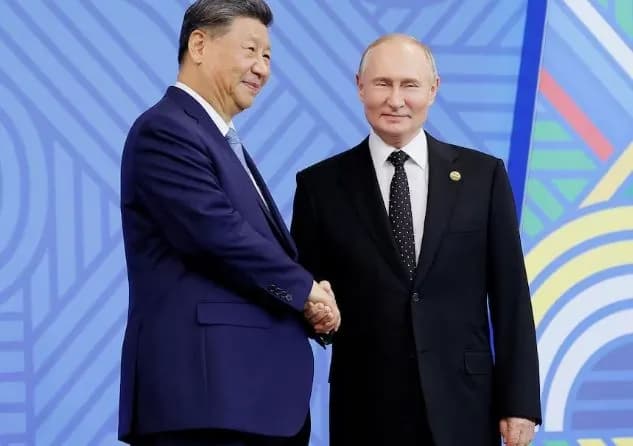
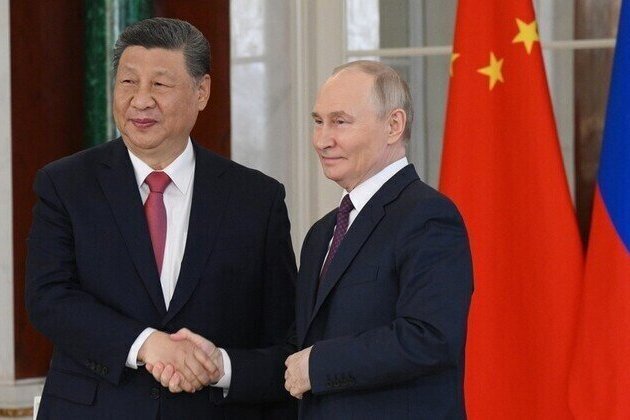
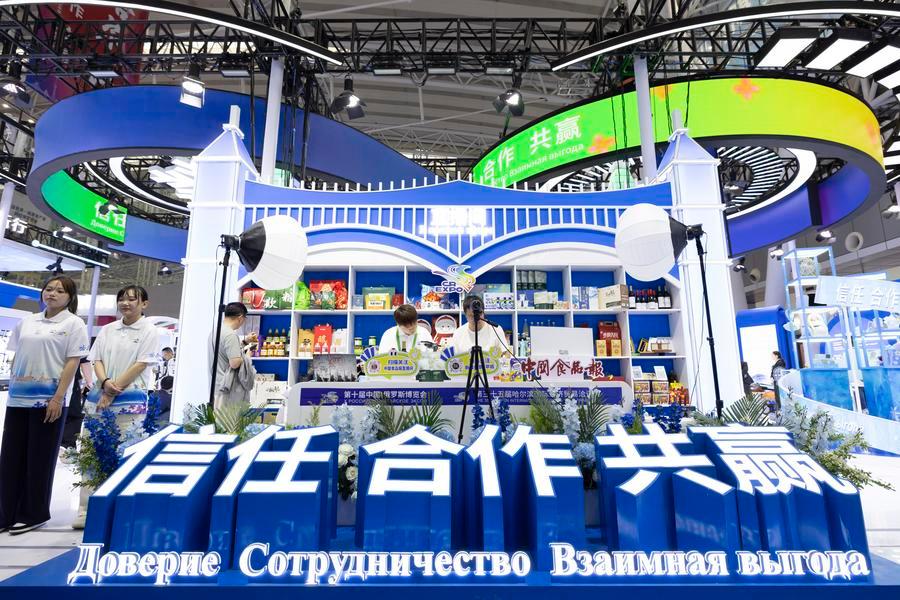
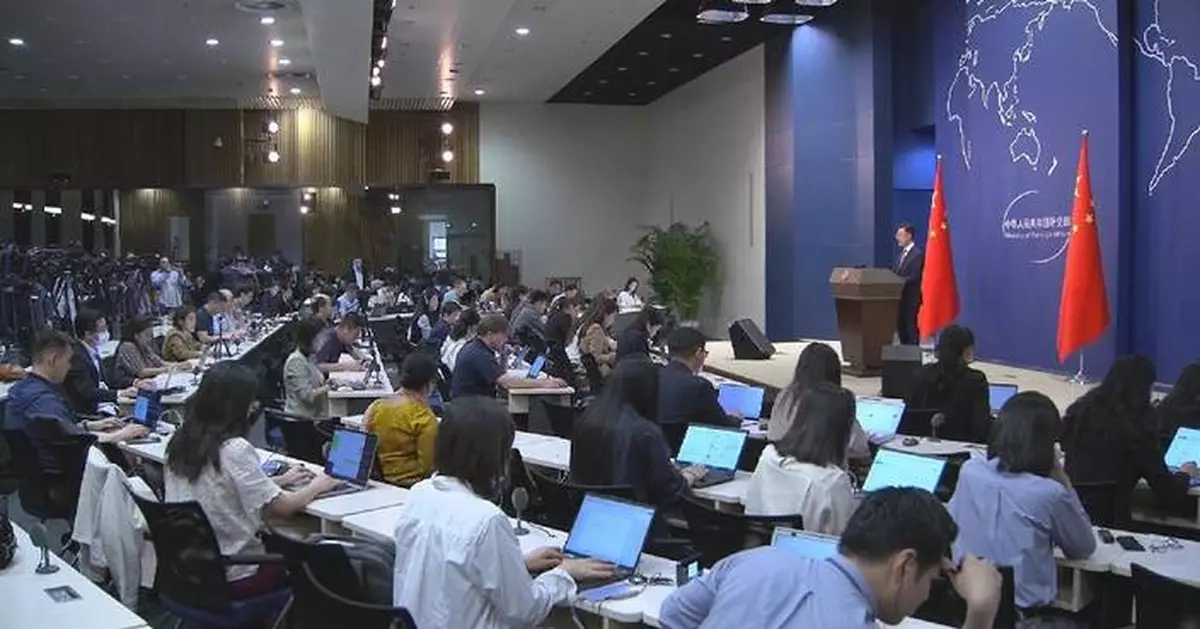
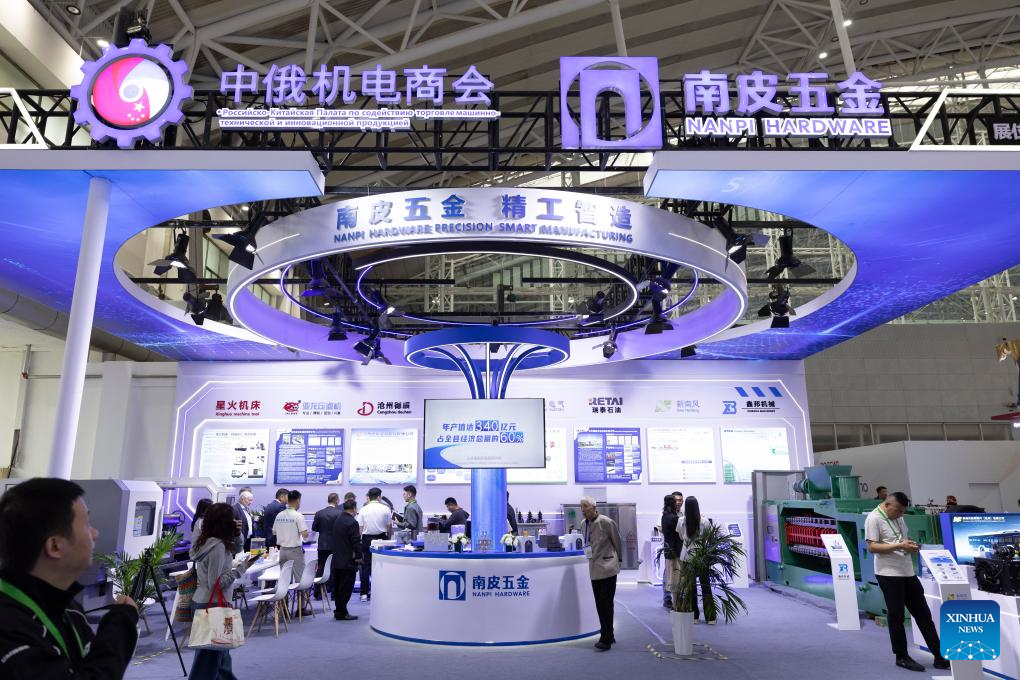
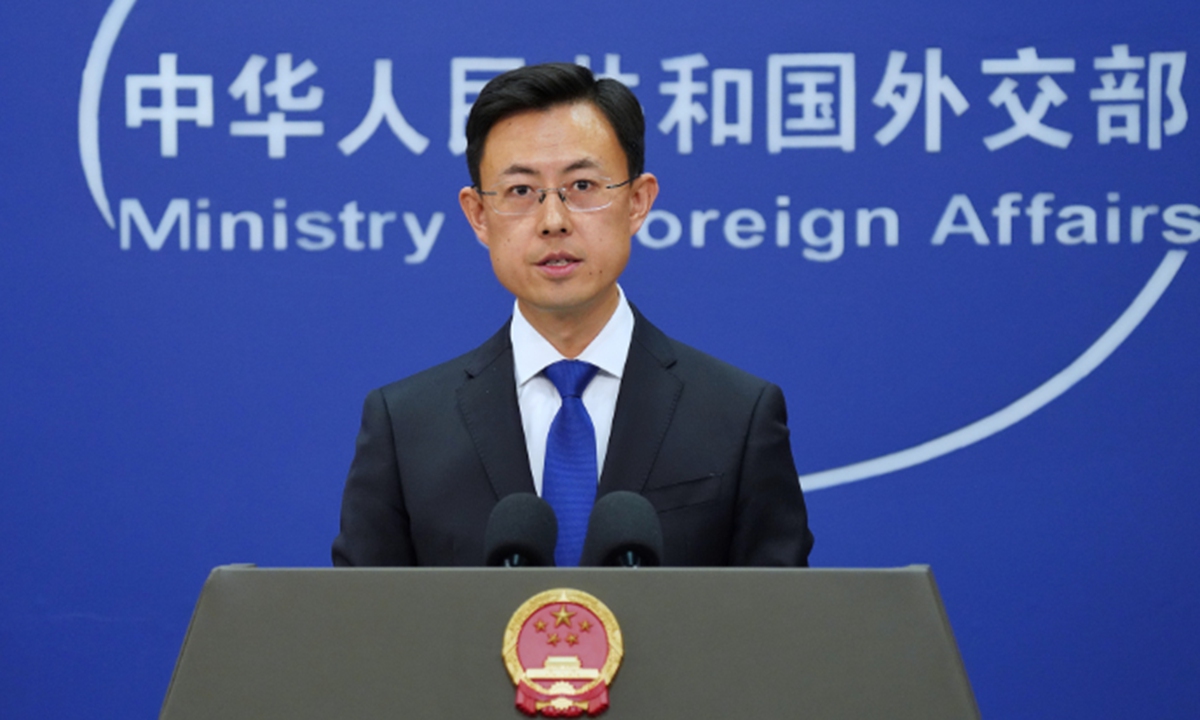
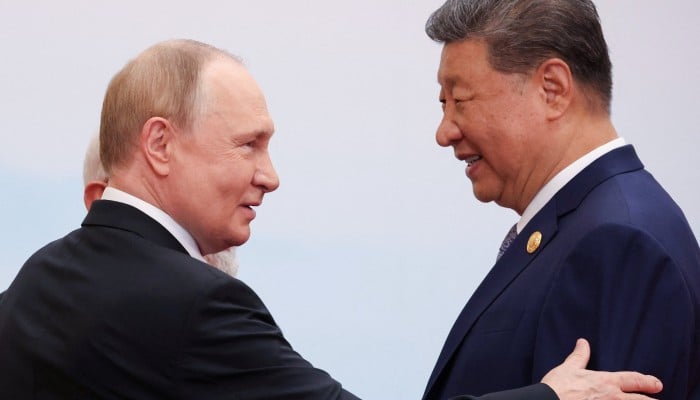
On May 11, 2026, China's Ministry of Foreign Affairs announced elevated strategic partnership with Russia, officially designating both nations as "comprehensive strategic partners of coordination for a new era." This geopolitical realignment, reinforced by Defense Minister Dong Jun's April 24-28 visit to Russia and SCO meetings in Kyrgyzstan, signals accelerating trade policy harmonization between Asia's two largest non-Western economies. For cross-border e-commerce sellers, this represents a critical inflection point in tariff arbitrage and market access strategy.
The Tariff Arbitrage Opportunity: The emphasis on "mutually beneficial win-win cooperation" and "equitable global governance" directly implies bilateral tariff reduction negotiations. Historically, such strategic partnerships precede preferential trade agreements (PTAs) within 12-24 months. Sellers currently sourcing from China for Russian markets face HS code-specific tariff rates averaging 10-18% on electronics (HS 8517-8528), 12-15% on apparel (HS 6204-6209), and 8-12% on home goods (HS 9401-9406). Enhanced cooperation typically reduces these by 20-35% through reciprocal tariff elimination on priority categories. Small-to-medium sellers (annual volume $500K-$5M) operating in Russia-China corridors should immediately audit their top 20 SKUs by HS code to identify which categories will benefit most from tariff reductions—potentially improving gross margins by 3-8 percentage points.
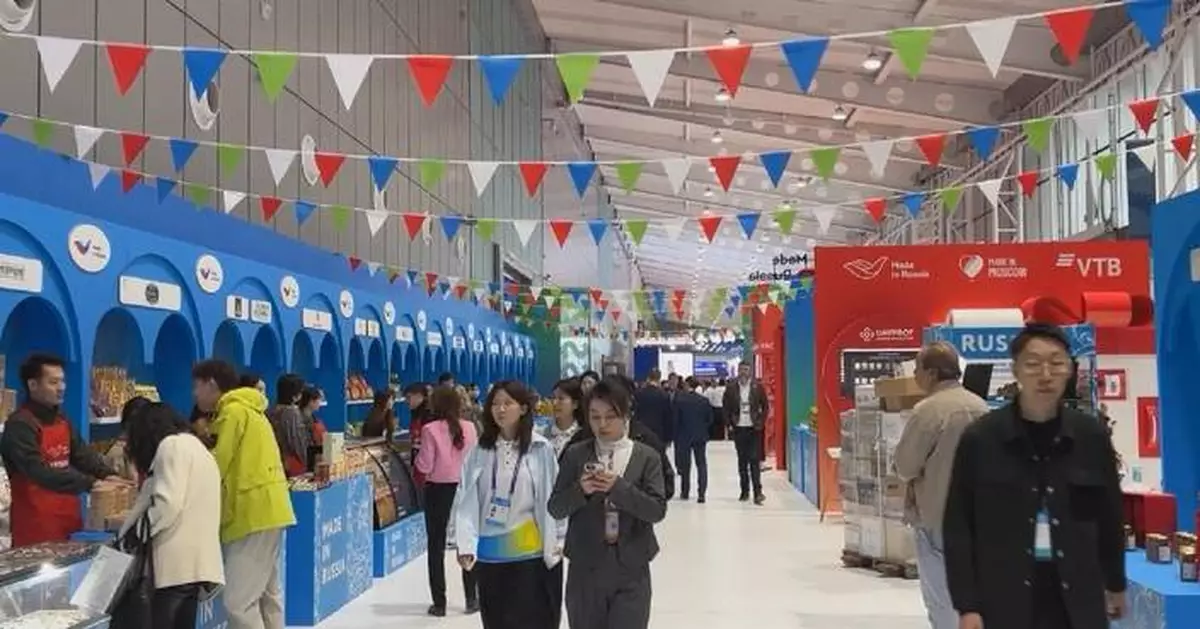
Market Access & Payment System Shifts: The announcement's focus on "continuous strengthening of cooperation across various fields" signals infrastructure modernization. Current Russia-China trade faces payment friction due to Western sanctions and limited cross-border payment rails. Expect development of bilateral payment systems (potentially blockchain-based or RMB-denominated) within 18-24 months, reducing transaction costs from current 2-4% to 0.5-1.5%. This directly benefits sellers using 3PL providers in both markets, as logistics costs will decline 5-10% when payment settlement accelerates. Sellers with existing Russian customer bases should prepare for RMB-denominated pricing options and reduced reliance on USD/EUR payment corridors.
Competitive Positioning by Seller Segment: Large multinational sellers (>$50M annual volume) will benefit from formal trade agreement negotiations, gaining first-mover advantage in tariff classification optimization. Mid-market sellers ($5M-$50M) should focus on category consolidation—concentrating inventory in 3-5 high-margin categories where tariff reductions will be most significant. Small sellers (<$5M) face a 6-12 month window to establish Russian market presence before tariff reductions attract larger competitors. The Shanghai Cooperation Organisation (SCO) defense ministers meeting signals potential inclusion of e-commerce in broader SCO trade harmonization initiatives, creating opportunities for sellers in Kazakhstan, Kyrgyzstan, and Tajikistan as secondary markets.
Strategic Sourcing Implications: Enhanced China-Russia cooperation may accelerate manufacturing shifts within Asia. Sellers currently sourcing 100% from mainland China should evaluate Vietnam (HS 6204 apparel tariffs: 5-8% to Russia) and India (HS 8517 electronics: 8-12% tariffs) as alternative sourcing locations to optimize tariff arbitrage across multiple origin countries. This "tariff triangulation" strategy—sourcing from multiple countries to minimize total landed costs—becomes viable when bilateral agreements create differentiated tariff schedules.
Questions 7
What product categories offer the highest tariff arbitrage opportunities in Russia-China trade?
Electronics (HS 8517-8528: 10-18% current tariffs) and apparel (HS 6204-6209: 12-15% current tariffs) offer the highest arbitrage potential, with expected 20-35% tariff reductions translating to 2-6 percentage point margin improvements. Home goods (HS 9401-9406: 8-12% tariffs) and machinery (HS 8401-8406: 10-14% tariffs) offer secondary opportunities. Consumer electronics accessories (HS 8517.62: 15% current tariff) and women's apparel (HS 6204.62: 14% current tariff) are highest-priority SKUs for inventory repositioning. Sellers should concentrate 40-50% of Russia-focused inventory in these categories by Q3 2026 to maximize tariff reduction benefits.
How do customs procedures and compliance requirements change under enhanced cooperation?
The announcement emphasizes 'equitable global governance' and 'dispute resolution mechanisms,' suggesting harmonization of customs procedures within 18-24 months. Current Russia-China trade requires separate customs documentation, origin certificates, and compliance with both nations' regulations. Enhanced cooperation typically reduces documentation requirements by 30-40% through mutual recognition agreements. Sellers should prepare for simplified HS code classification, streamlined origin verification, and potentially unified customs clearance procedures. Compliance complexity will decrease, reducing customs clearance time from current 5-10 days to 2-4 days. Update your 3PL provider contracts by Q4 2026 to reflect anticipated customs procedure changes.