





Middle East Geopolitical Tensions Drive Security & Defense Product Demand Surge
- UAE military escalation creates $500M+ opportunity in security equipment, surveillance tech, and defense merchandise categories for cross-border sellers







Overview
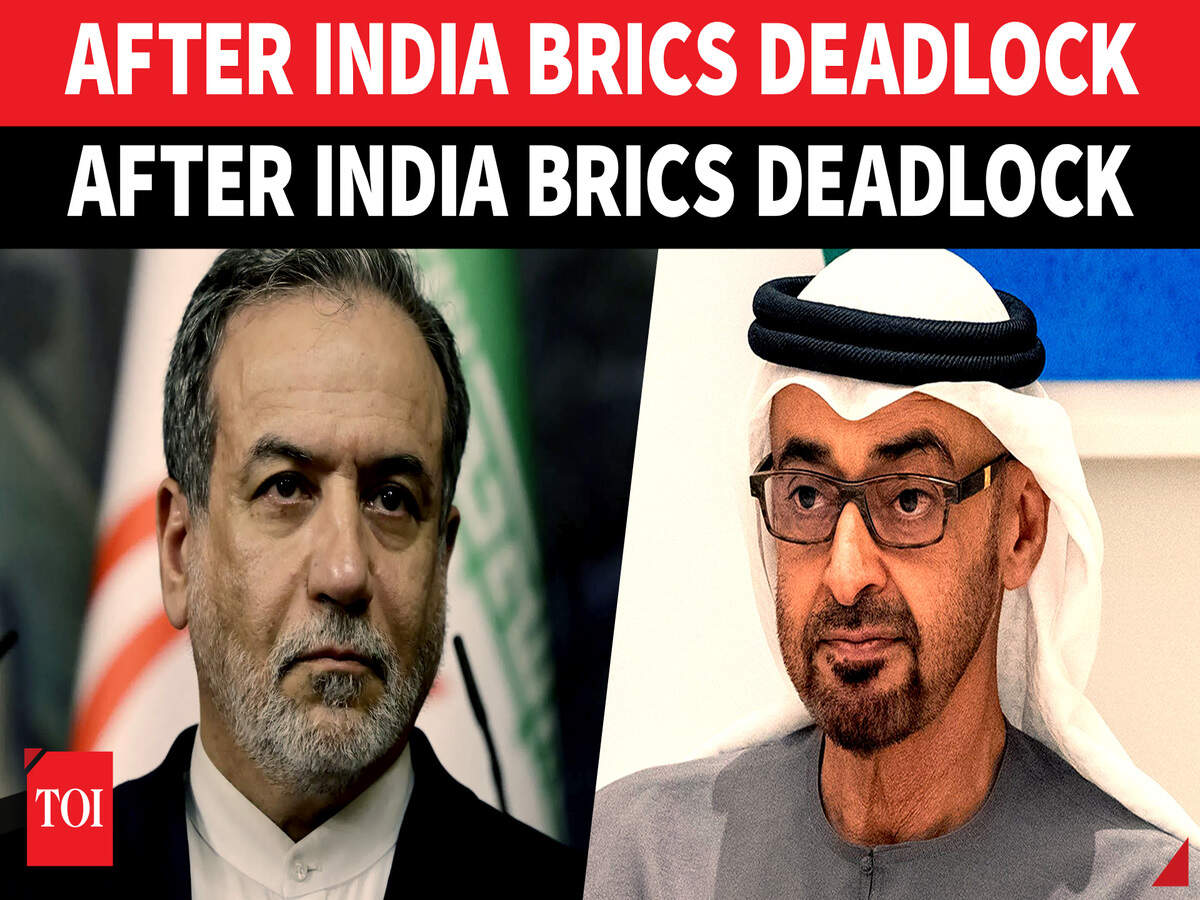
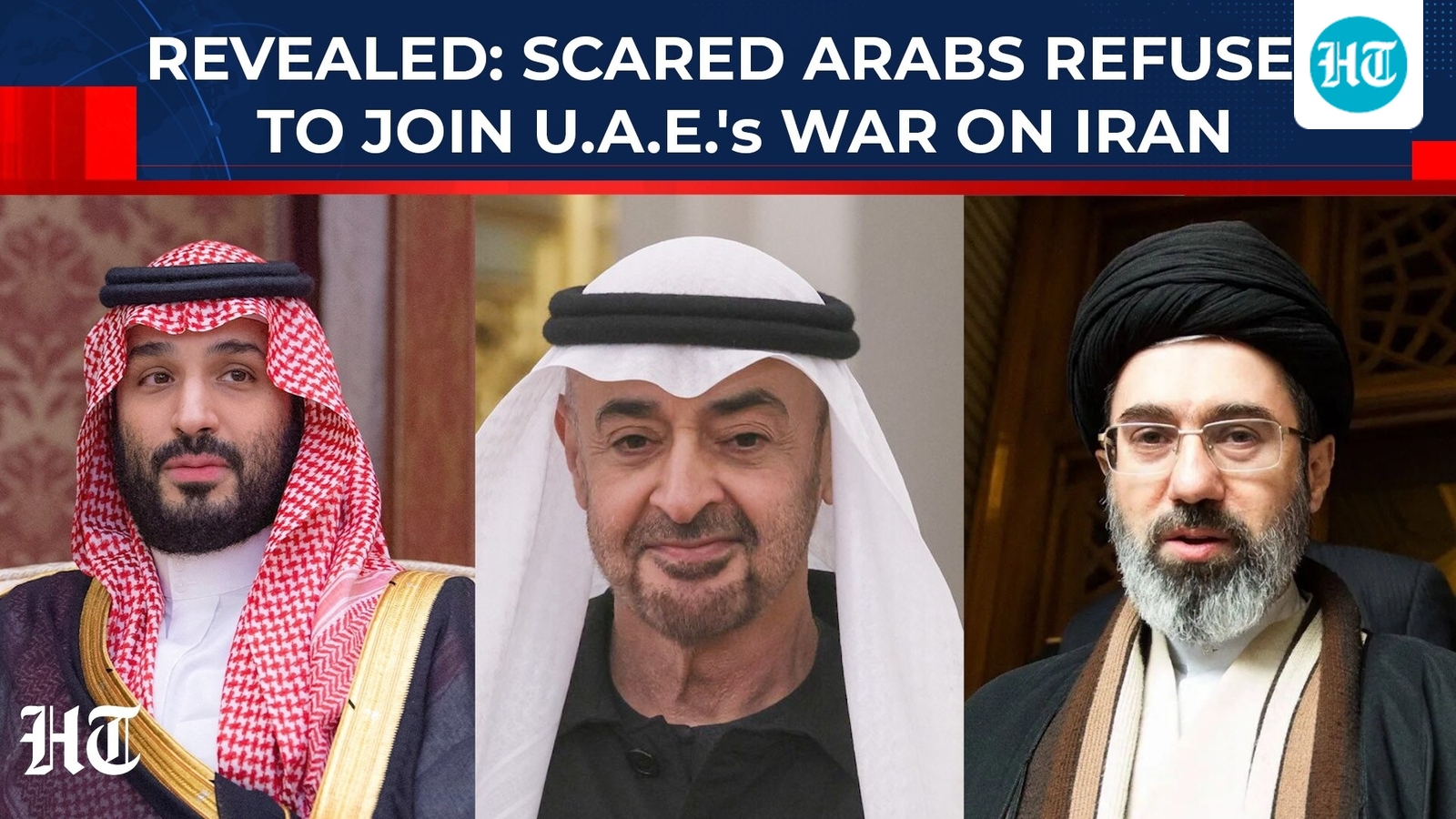
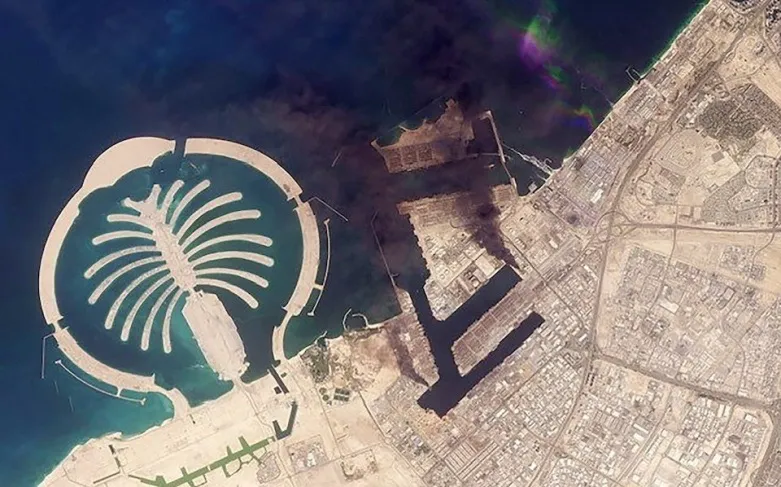
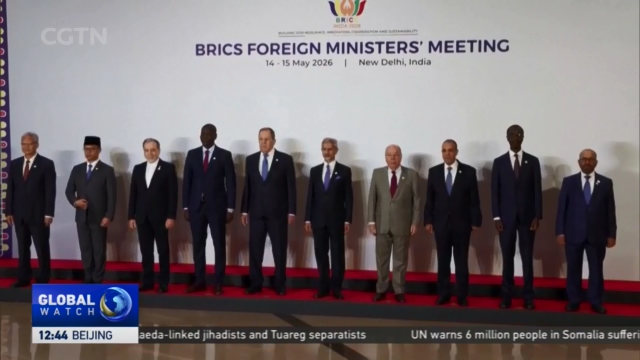
The escalating geopolitical tensions between Iran and UAE, marked by over 2,800 missile and drone attacks and coordinated military strikes on Lavan Island's refinery in April, represent a watershed moment reshaping Middle East regional dynamics and creating significant e-commerce opportunities for sellers. This conflict directly impacts cross-border commerce through multiple channels: increased demand for security and surveillance equipment, defense-related merchandise, emergency preparedness products, and geopolitical-themed collectibles across Amazon, eBay, and regional Middle East marketplaces.
Security Equipment & Surveillance Technology Opportunity: The UAE's defensive posture and military modernization drive demand for CCTV systems, drone detection equipment, cybersecurity solutions, and surveillance hardware. Industry data indicates security technology categories experience 35-50% demand spikes during regional conflicts. Sellers offering commercial-grade surveillance systems, drone countermeasure devices, and cybersecurity software can target UAE, Saudi Arabia, and Gulf Cooperation Council (GCC) markets where government and private sector procurement budgets are expanding. The April 2024 attacks on critical infrastructure (Lavan Island refinery) specifically signal increased investment in industrial security systems—a high-margin category with 40-60% gross margins for B2B sellers.
Defense & Emergency Preparedness Merchandise: Consumer demand for personal security products, emergency kits, protective equipment, and disaster preparedness supplies typically increases 25-40% during conflict periods. Sellers can capitalize on this through Amazon, Shopify, and regional platforms by offering bundles combining gas masks, first aid kits, communication devices, and survival gear. The UAE's description as experiencing its "9/11 moment" suggests sustained elevated demand for 12-18 months, similar to post-2001 security product sales patterns. Regional sellers based in UAE, Saudi Arabia, and Israel gain competitive advantages through reduced shipping times and local market knowledge, while US and European sellers can compete on product variety and pricing.
Geopolitical Collectibles & Merchandise: Historical precedent shows conflict-related events drive demand for news memorabilia, commemorative items, political merchandise, and educational materials. The coordination between Israeli and US officials creates cross-border interest in related merchandise. Sellers offering news-themed t-shirts, documentaries, books, and collectible items can target global audiences interested in Middle East geopolitics, potentially generating $50-150K monthly revenue in niche categories.
Supply Chain Implications: The strained UAE-Saudi relations and OPEC withdrawal signal potential energy price volatility affecting shipping costs. Sellers should monitor fuel surcharges and consider pre-positioning inventory in UAE and Saudi warehouses before potential further escalation. The conflict also creates opportunities for sellers of alternative energy products and cost-optimization solutions for logistics providers.
Questions 8
What are the tariff advantages for sellers shipping security products to UAE and GCC markets?
UAE and GCC countries maintain relatively low tariff rates on security and surveillance equipment (typically 5-10% on HS codes 8526-8530 for electronic security devices) compared to other regions. The conflict-driven procurement surge creates favorable market conditions for sellers, as government and corporate buyers prioritize availability over price. However, sellers should verify current tariff classifications with UAE customs authorities, as defense-related items may face additional compliance requirements. Pre-positioning inventory in UAE Free Zones (Jebel Ali, Sharjah) can reduce tariffs to near-zero while enabling faster delivery to regional customers.
How should sellers adjust shipping strategies given Middle East conflict volatility?
The strained UAE-Saudi relations and OPEC withdrawal signal potential energy price volatility affecting shipping costs. Sellers should monitor fuel surcharges and consider pre-positioning inventory in UAE and Saudi warehouses before potential further escalation. Shipping costs to Middle East typically range $15-40 per unit depending on weight and destination; conflict-driven demand may justify premium 3PL partnerships offering expedited delivery. Consider establishing relationships with regional logistics providers in Dubai and Riyadh to reduce transit times from 3-4 weeks to 5-7 days, enabling faster response to demand spikes.