


NHL's Dramatic Comeback Era: When Resilience Rewrites Game Narratives
- Emerging talents and strategic turnarounds redefine professional hockey's competitive landscape








































Overview
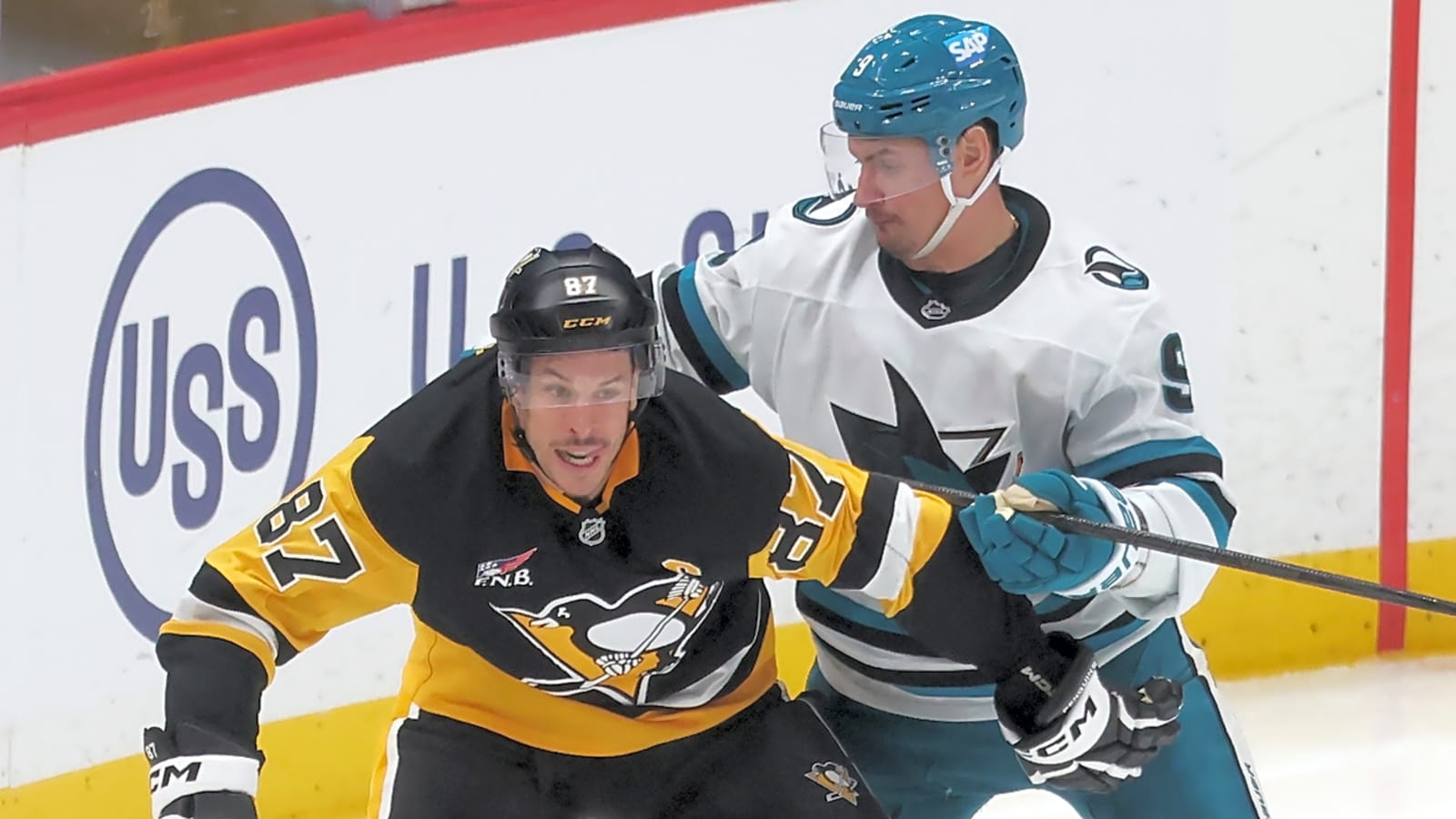
The NHL is experiencing a transformative moment where individual brilliance and team resilience are fundamentally reshaping competitive dynamics. The San Jose Sharks' extraordinary comeback against the Pittsburgh Penguins—overcoming a 5-1 deficit to win 6-5 in overtime—represents more than just a single game's drama; it signals a profound shift in how professional hockey teams approach momentum and psychological warfare.
Emerging talents are driving this narrative transformation, with Macklin Celebrini emerging as a pivotal figure. At just a teenager, Celebrini orchestrated the fifth-latest four-goal comeback in NHL history, demonstrating that youth and audacity can dramatically alter game trajectories. His performance isn't an isolated incident but part of a broader trend where young players are challenging traditional expectations of experience and composure.
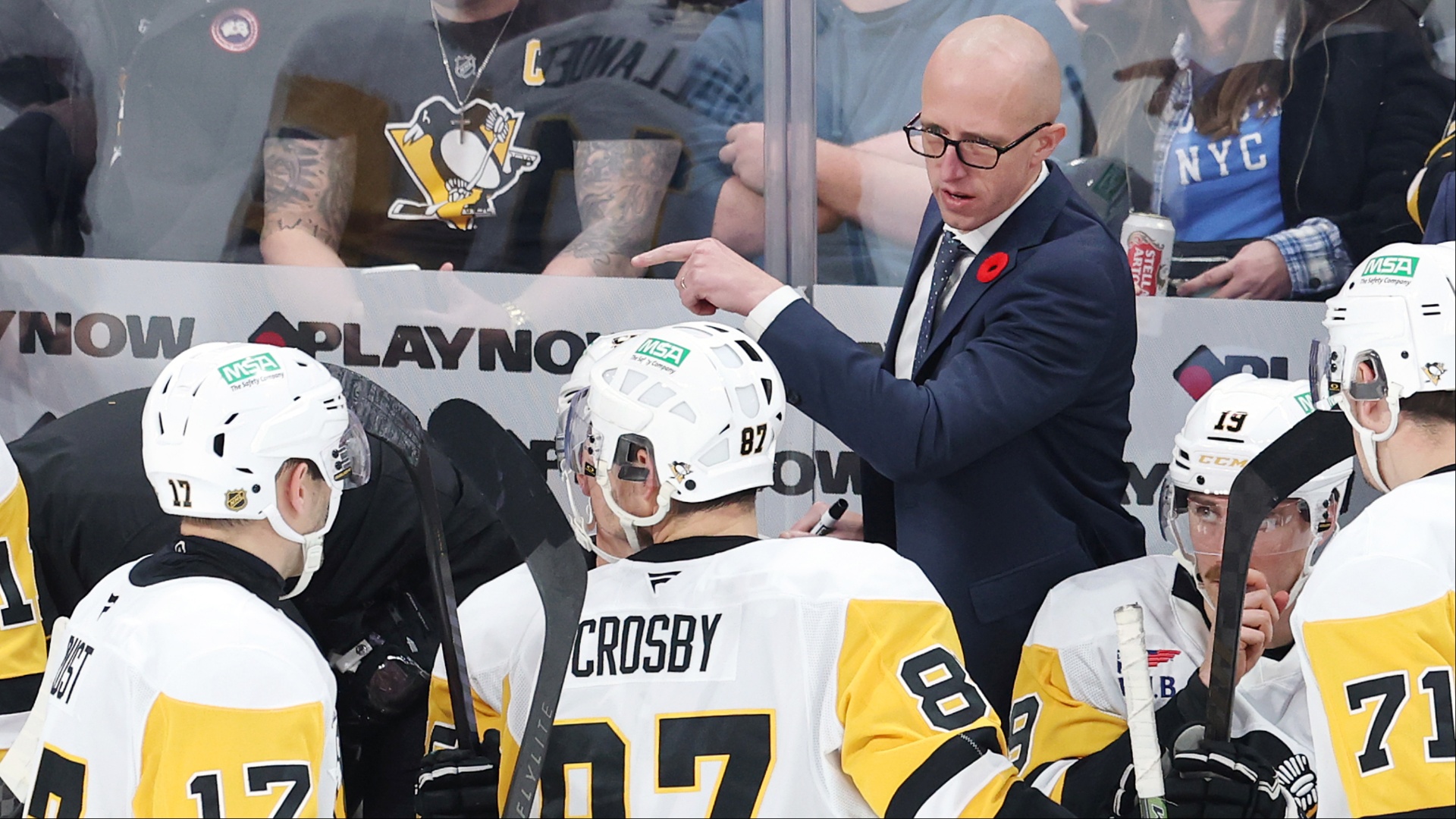
The game also highlighted the precarious nature of lead protection, a critical strategic challenge for teams like the Penguins. Losing a four-goal advantage in less than 14 minutes exposes systemic vulnerabilities in team psychology and tactical adaptability. The Penguins' collapse—their fourth consecutive loss and eighth overtime defeat—suggests that maintaining competitive momentum is becoming increasingly complex in modern hockey.
Key players like Sidney Crosby and Patrick Kane continue to push individual milestone boundaries, with Crosby approaching franchise points records and Kane nearing significant U.S. scoring achievements. However, these individual narratives are now increasingly intertwined with team dynamics that prioritize collective resilience over individual heroics.
The Sharks' victory represents more than a single game's outcome; it's a microcosm of hockey's evolving competitive ethos. Teams are recognizing that mental fortitude and adaptive strategy can overcome seemingly insurmountable challenges. The ability to transform a potential defeat into a historic comeback is becoming a valued organizational skill, not just a rare occurrence.
Strategic implications are profound: teams must now develop psychological training and tactical flexibility that go beyond traditional performance metrics. The line between defeat and victory is increasingly defined by a team's capacity to reimagine possibilities in real-time, making hockey a more dynamic and unpredictable sport than ever before.
Questions 3
How are young players like Macklin Celebrini changing the NHL's competitive landscape?
Young talents like Celebrini are challenging traditional expectations by displaying remarkable composure and strategic insight. His 11th career three-point game as a teenager and leadership in a dramatic comeback illustrate how emerging players are bringing dynamic, unpredictable energy to the sport.
What strategic challenges do teams like the Penguins face in maintaining competitive momentum?
The Penguins' repeated struggles with protecting leads—losing five times in 14 attempts when leading after two periods—highlight the complex psychological and tactical challenges of modern hockey. Teams must now develop more sophisticated strategies for maintaining focus, adapting to opponent's tactics, and managing game-time pressure.