




Hantavirus Outbreak & Supply Chain Resilience | Seller Risk Management 2025
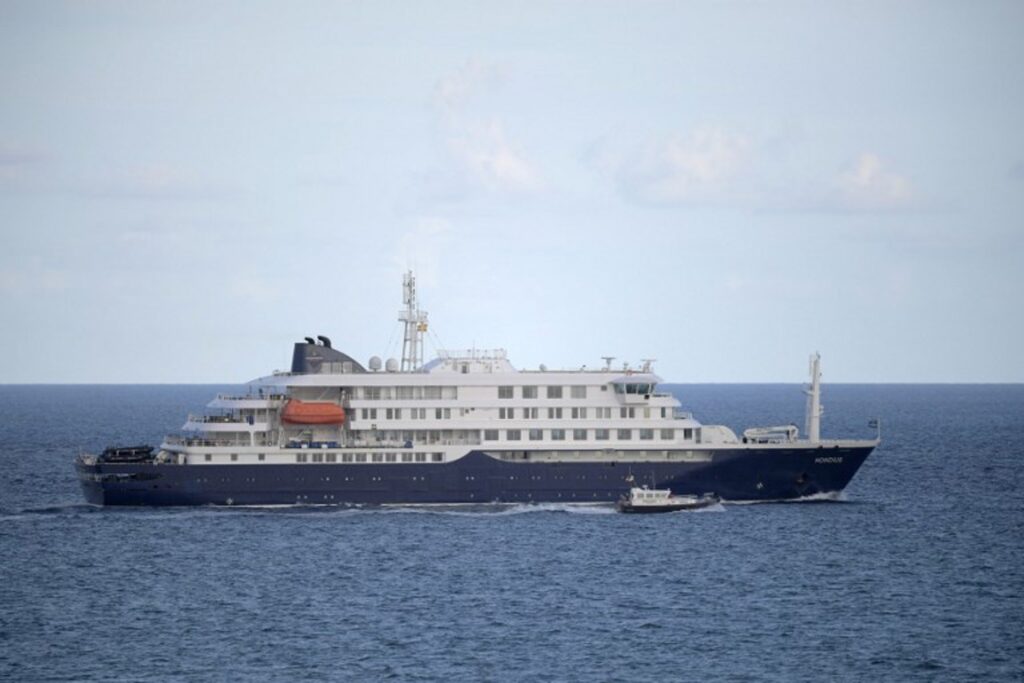
- MV Hondius cruise outbreak (3 deaths, 8+ sickened) signals emerging health risks affecting South American sourcing, logistics corridors, and cross-border inventory management for 50K+ sellers









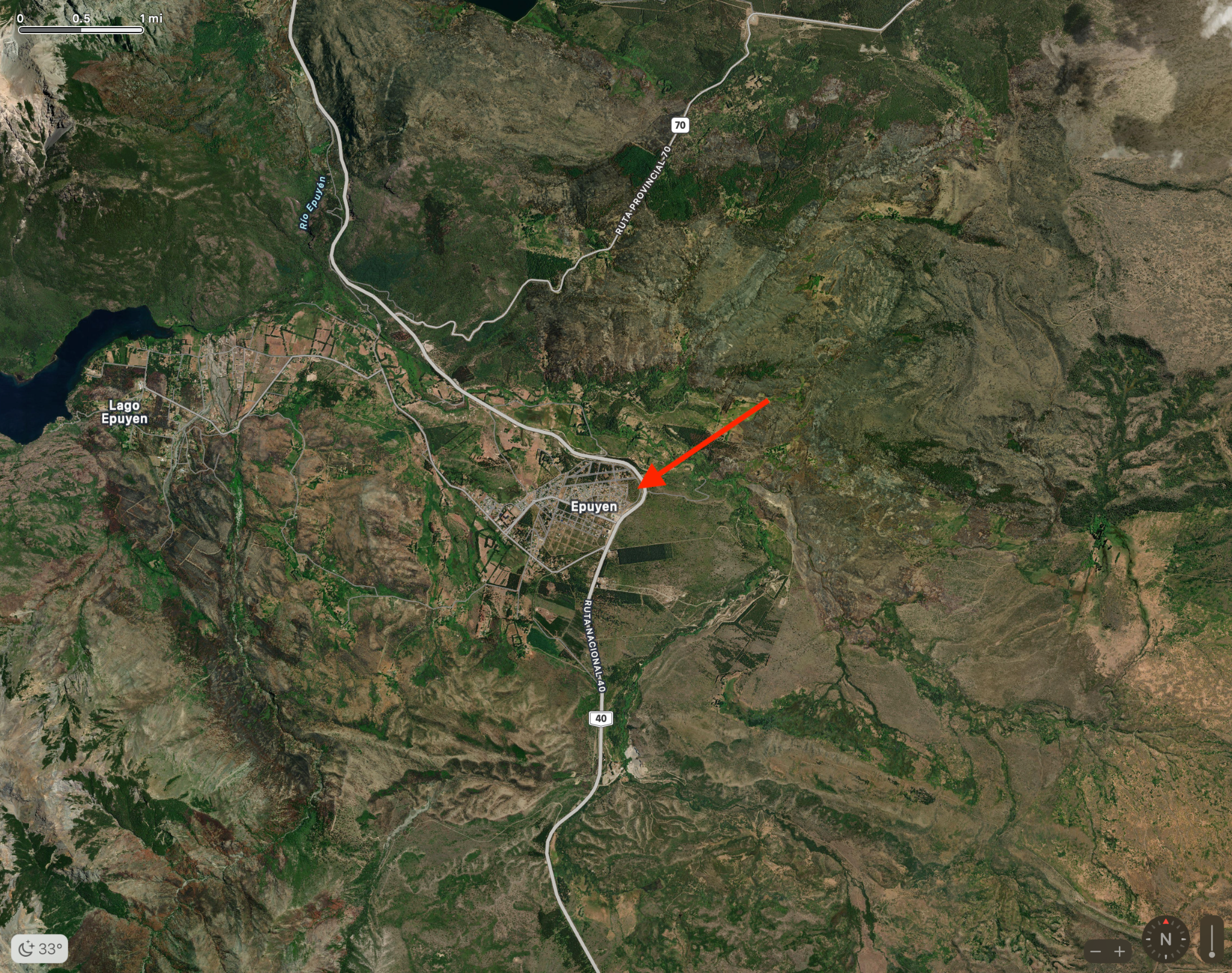











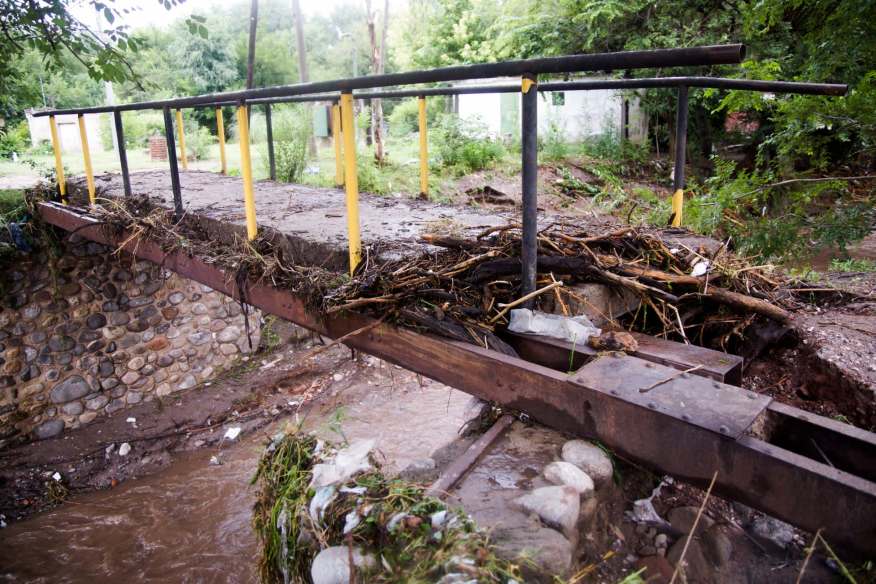
)







)




Overview
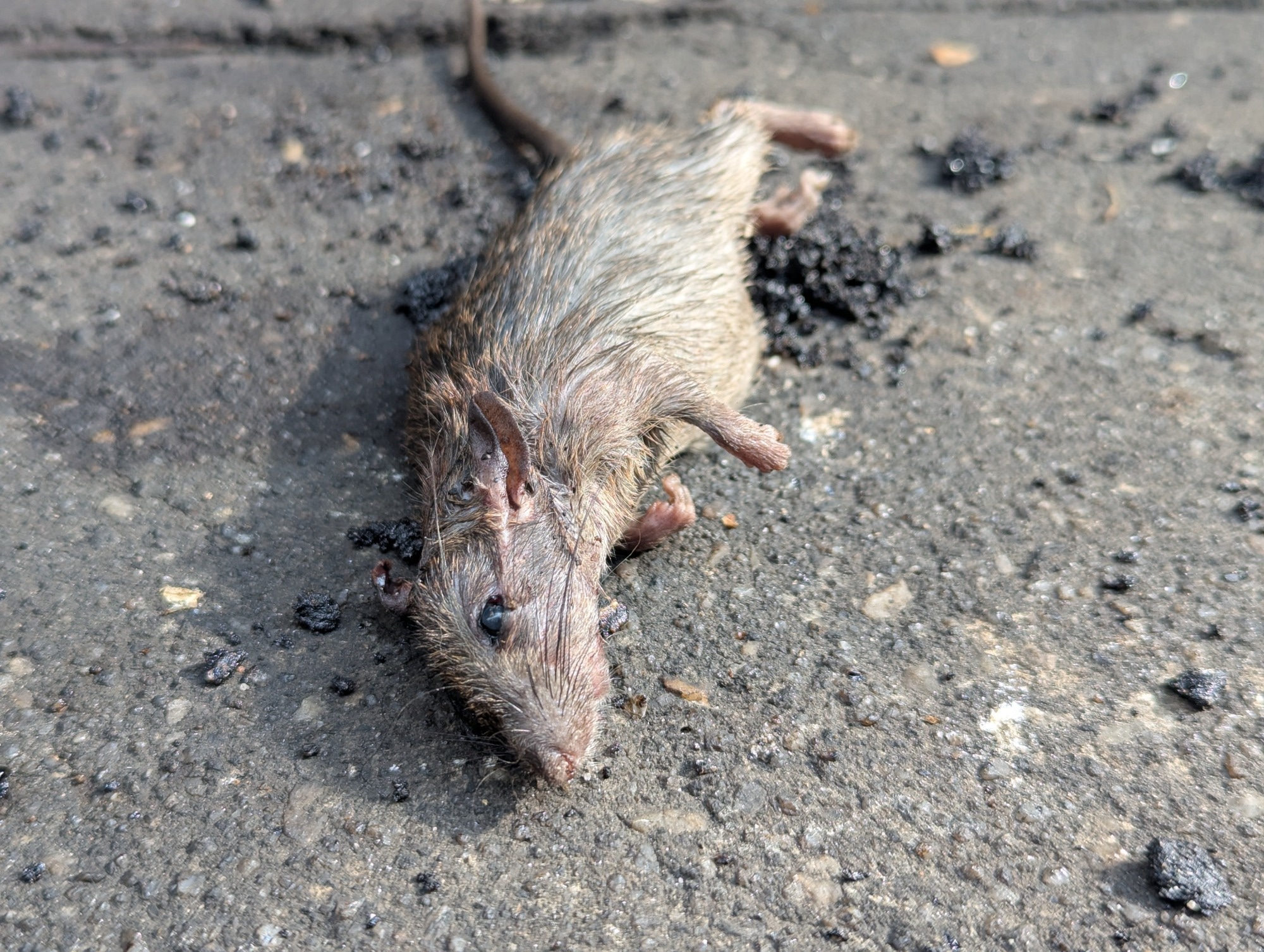
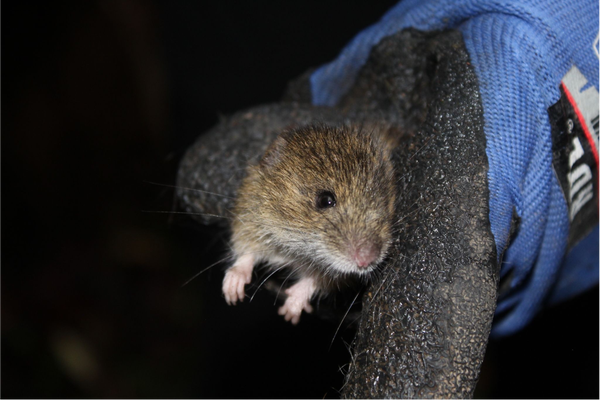
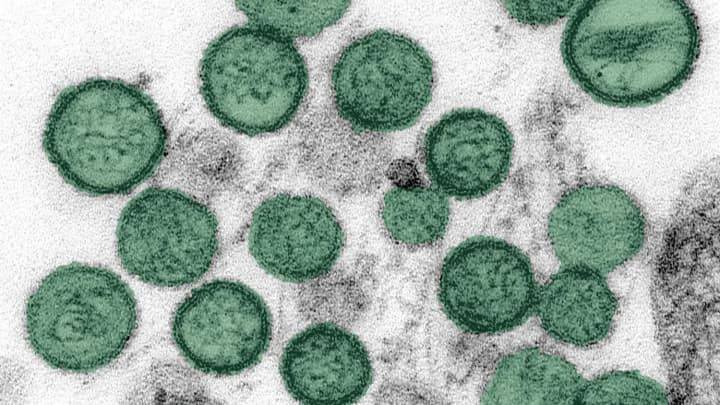
The Andes virus outbreak aboard the MV Hondius cruise ship—resulting in three deaths and sickening at least eight passengers—represents a critical emerging health risk with cascading implications for cross-border e-commerce sellers sourcing from or shipping through South American regions. While epidemiologically focused on the long-tailed pygmy rice rat (Oligoryzomys longicaudatus) as the primary pathogen reservoir, the outbreak underscores broader supply chain vulnerabilities that sellers must address through operational resilience planning.
Supply Chain Sourcing Implications: Approximately 10% of rodent populations in certain South American areas carry Andes virus, with transmission occurring through inhalation of viral particles in rodent feces, urine, and saliva. For sellers sourcing textiles, agricultural products, or goods manufactured in South American facilities—particularly in higher-elevation regions and areas with seasonal rainfall patterns—this represents a workforce health and facility contamination risk. The WHO reports Hantavirus Pulmonary Syndrome (HPS) carries a 50% fatality rate, making workplace safety protocols critical. Sellers relying on South American suppliers (Peru, Chile, Argentina, Colombia) should conduct facility audits and implement rodent control certifications as part of vendor qualification processes. Climate change and human encroachment on wild areas are increasing human-rodent overlap, particularly in manufacturing zones near forests and grasslands, creating predictable seasonal risk windows during "ratadas" (rodent population booms linked to high rainfall).
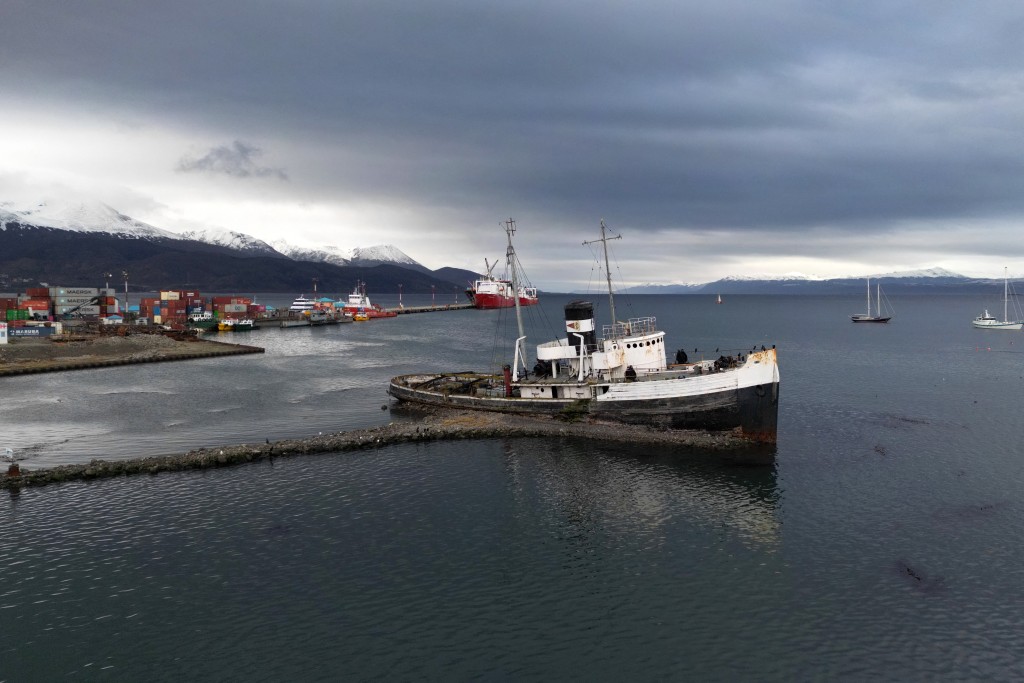
Logistics and Cruise Ship Corridor Risks: The MV Hondius outbreak highlights vulnerabilities in maritime supply chains and cruise-based logistics. Sellers using cruise ship consolidation services or maritime routes through South American ports face potential quarantine delays, crew illness-related scheduling disruptions, and increased biosecurity protocols. The Dutch couple's exposure in April suggests infection occurred in South American field locations, indicating that even brief port visits or supplier site inspections carry transmission risk. Sellers should diversify shipping routes, maintain 15-20% inventory buffers for South American sourcing, and establish alternative 3PL partnerships outside affected regions.
Operational Resilience Framework: The outbreak demonstrates that most hantavirus research is reactive rather than proactive, per Virginia Tech epidemiologist Luis Escobar. Sellers cannot rely on public health systems to prevent supply disruptions; instead, they must implement predictive monitoring. Patagonia's referenced lessons (though the Financial Times article is inaccessible) suggest major brands are developing crisis management protocols for health emergencies. Sellers should establish: (1) supplier health monitoring dashboards tracking regional disease outbreaks, (2) inventory diversification across non-endemic sourcing regions, (3) workforce health protocols for staff handling South American goods, and (4) communication plans for customer transparency during supply disruptions.
Questions 8
How do climate change and environmental factors increase hantavirus transmission risk?
Research cited in the outbreak analysis indicates that climate change and human encroachment on wild areas are increasing human-rodent overlap, particularly in higher elevations and areas with greater rainfall. In South America, periods of high rainfall trigger rodent population booms called 'ratadas,' which have been linked to hantavirus outbreaks. For sellers sourcing from manufacturing zones near forests and grasslands in Peru, Chile, and Colombia, this creates predictable seasonal risk windows. The long-tailed pygmy rice rat (Oligoryzomys longicaudatus) thrives in forests, grasslands, and near rural houses, making facilities in these environments higher-risk. Sellers should map supplier locations against climate vulnerability indices, implement seasonal sourcing adjustments, and increase biosecurity protocols during high-rainfall periods (typically Q2-Q3 in South America).
How does climate change and rodent population dynamics increase long-term hantavirus risk?
Climate change increases human-rodent overlap through higher rainfall triggering rodent population booms ('ratadas'), particularly in higher elevations and areas with greater rainfall. The long-tailed pygmy rice rat (primary hantavirus reservoir) is an ecological generalist thriving in forests, grasslands, and near rural houses—with nearly 10% carrying the pathogen in some areas. Human encroachment on wild areas accelerates spillover events. Researchers emphasize most hantavirus research is reactive (post-outbreak) rather than proactive, meaning future outbreaks are likely. For sellers, this indicates Argentina and South America face endemic hantavirus risk for 5-10+ years. Long-term supply chain strategy should assume periodic disruptions: diversify sourcing across multiple countries, establish regional fulfillment networks, and maintain 30-45 day inventory buffers for critical products. The 2025-2026 outbreak (101 cases vs. 57 historically) demonstrates escalating frequency. Plan supply chain resilience as permanent operational requirement, not temporary crisis response.