


)


Strait of Hormuz Shipping Disruptions | Cross-Border Sellers Face 15-25% Logistics Cost Surge
- Iran-UAE tensions create supply chain bottlenecks affecting Middle East, Asia-Pacific trade corridors; sellers shipping through Hormuz face 2-4 week delays and elevated insurance premiums























Overview
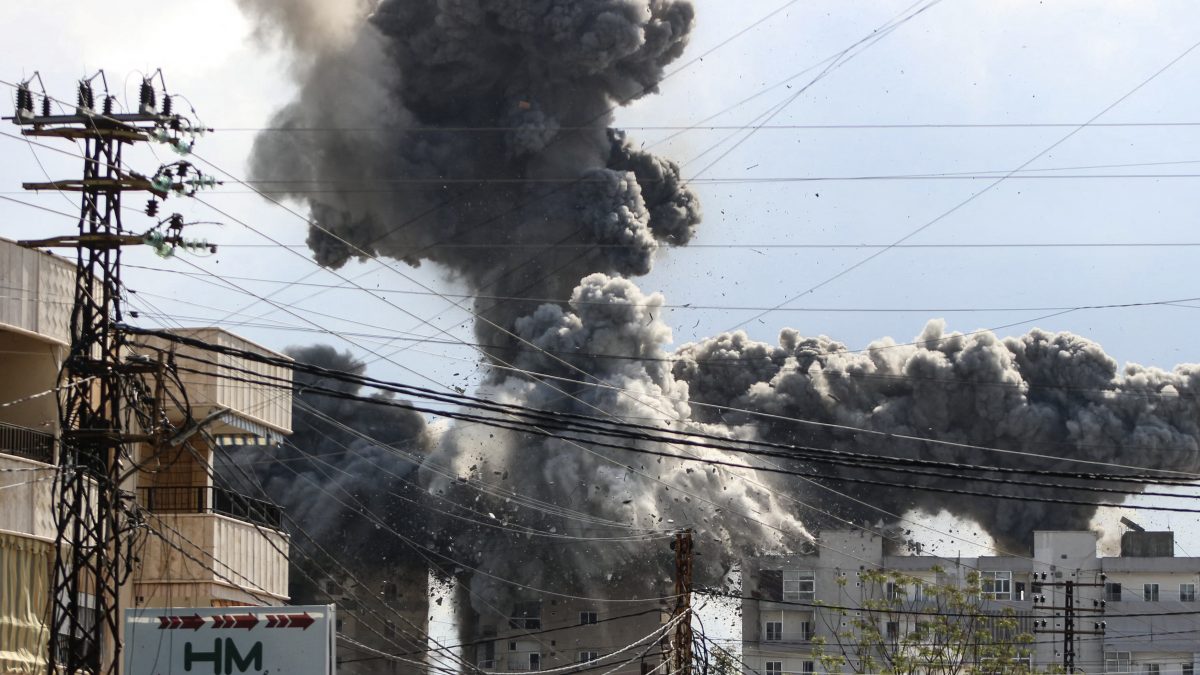
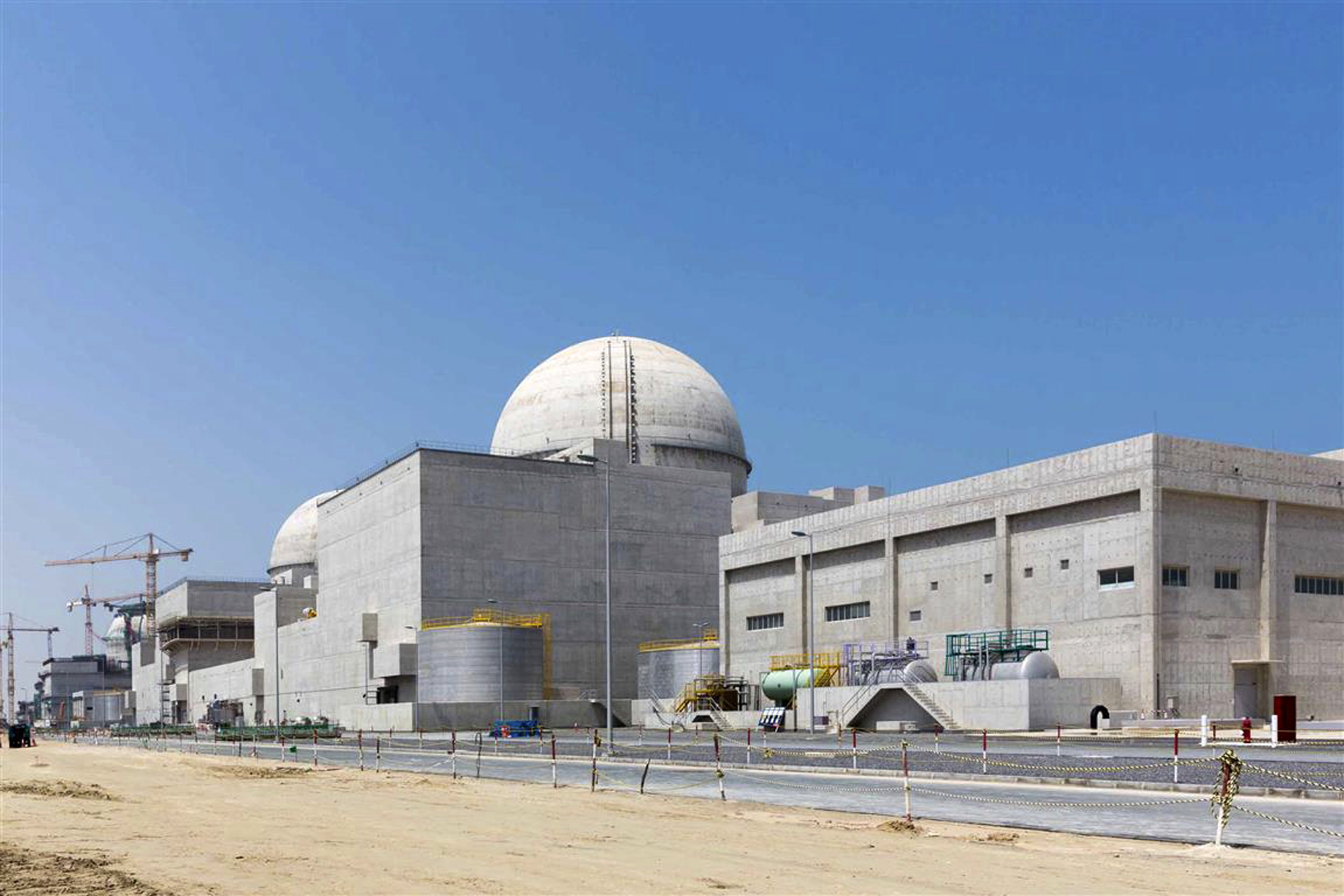
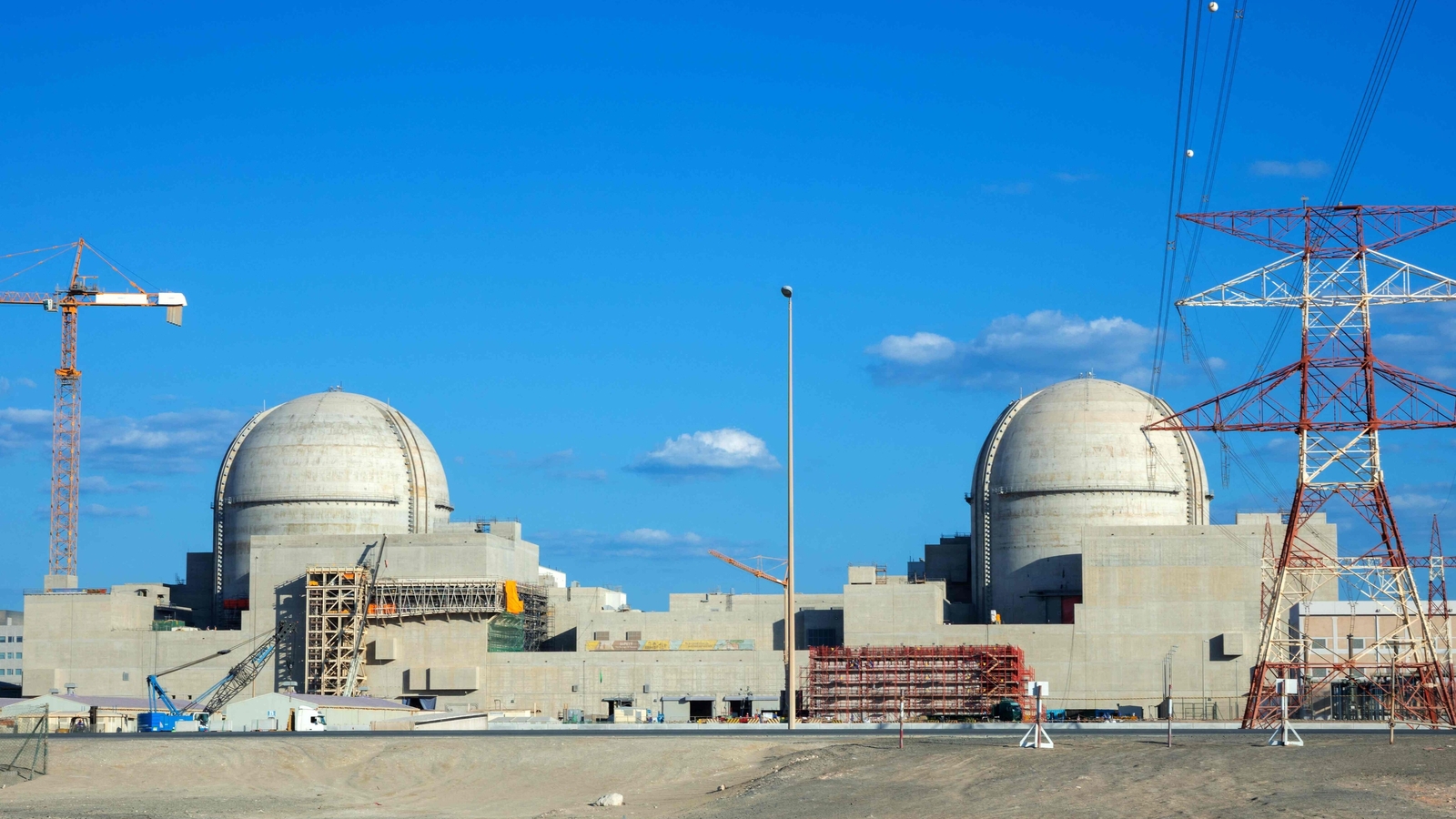
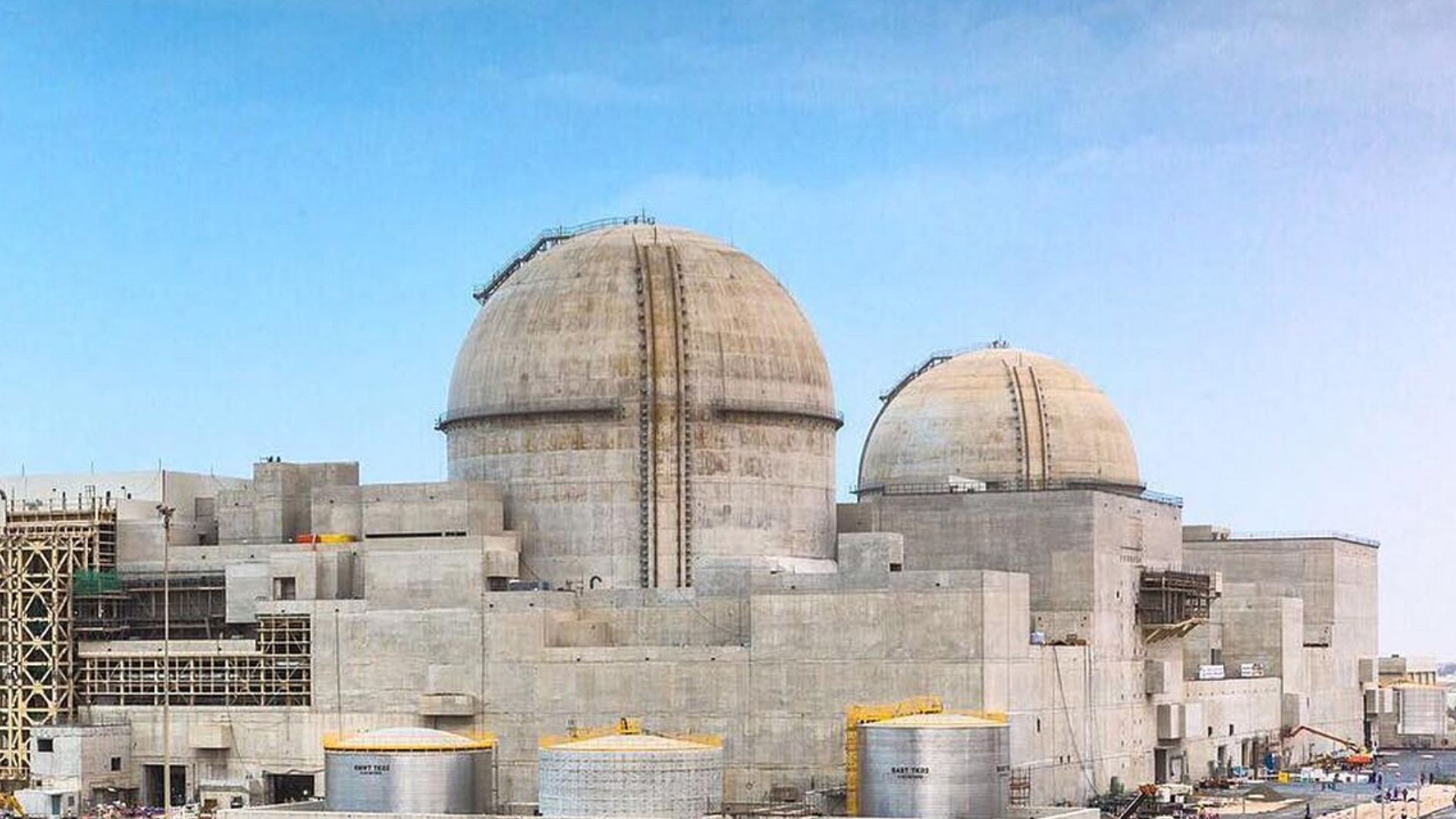
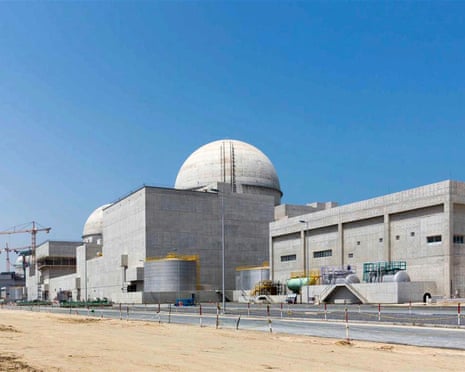
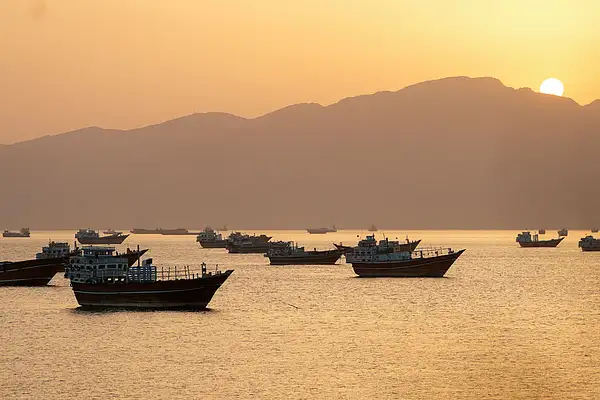
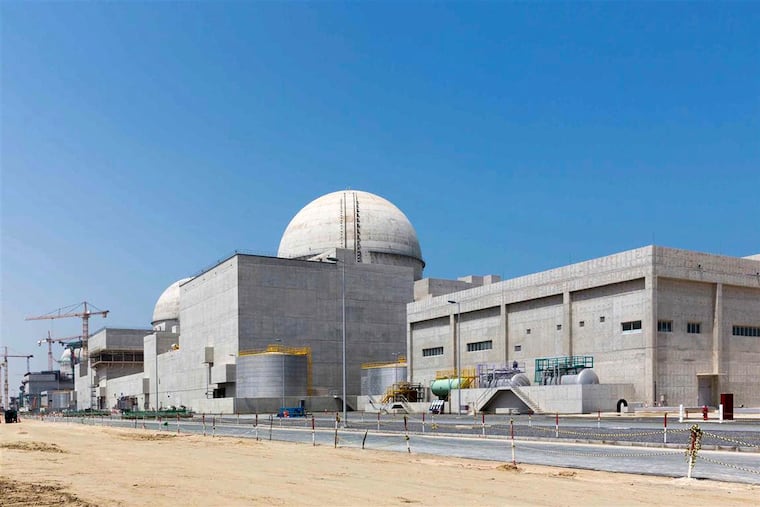
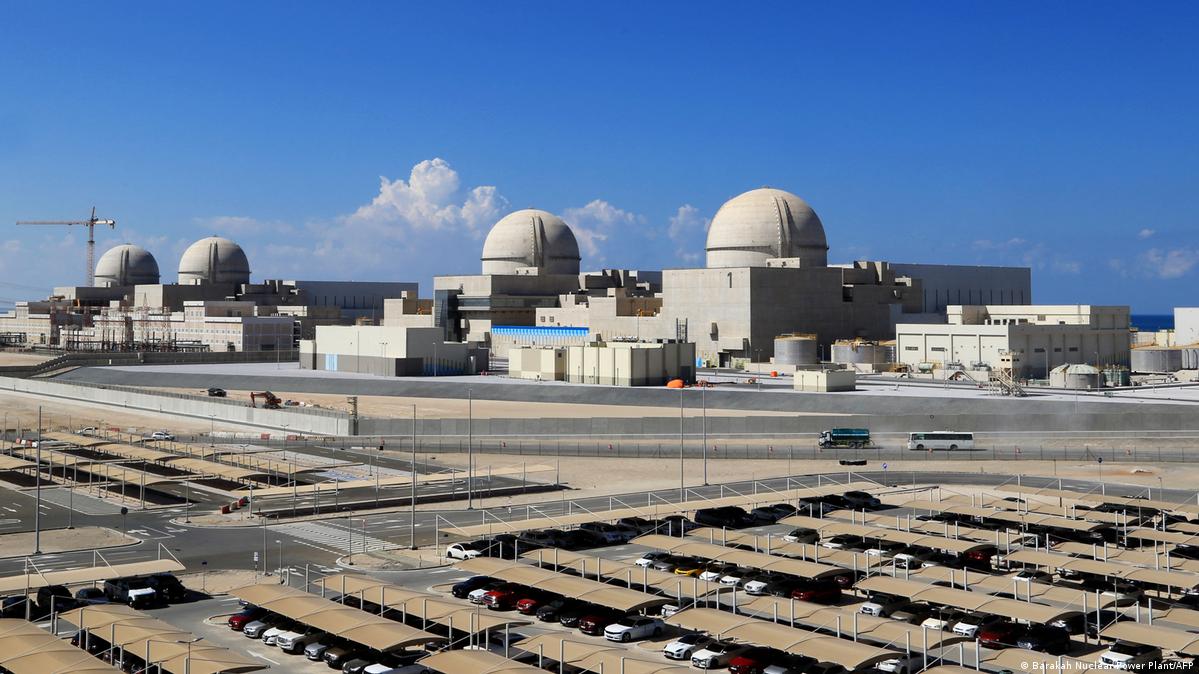
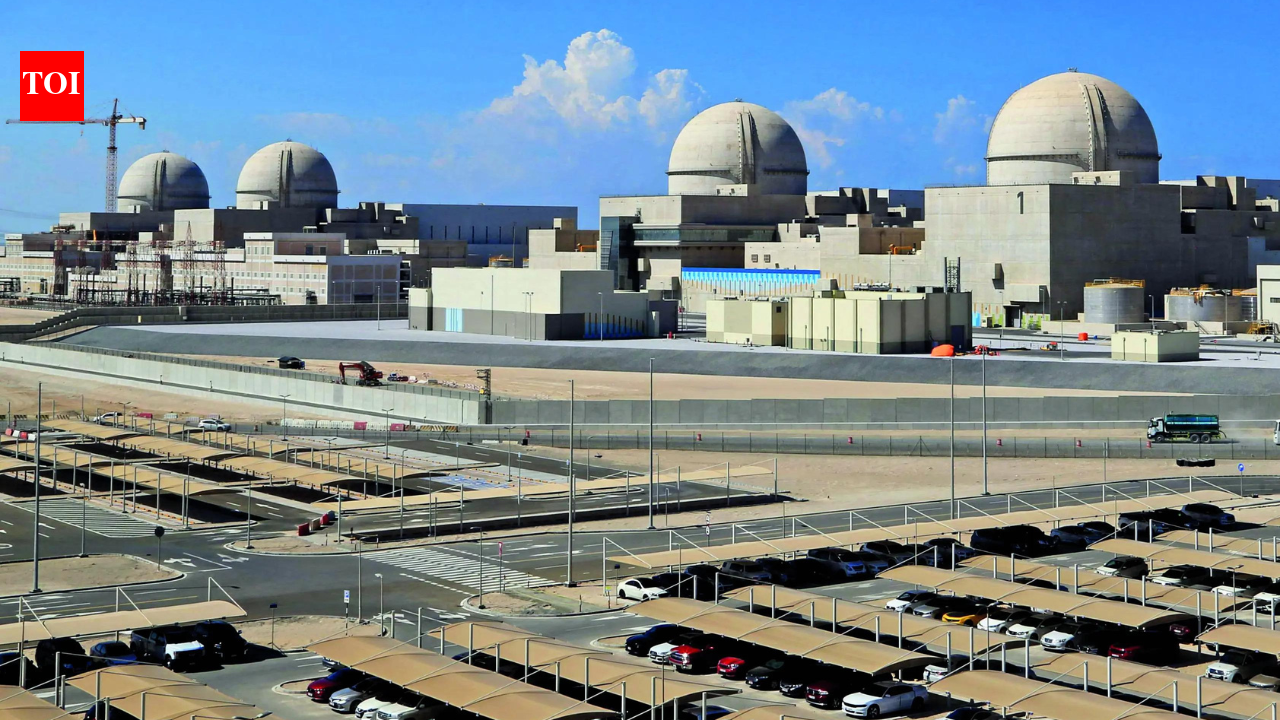
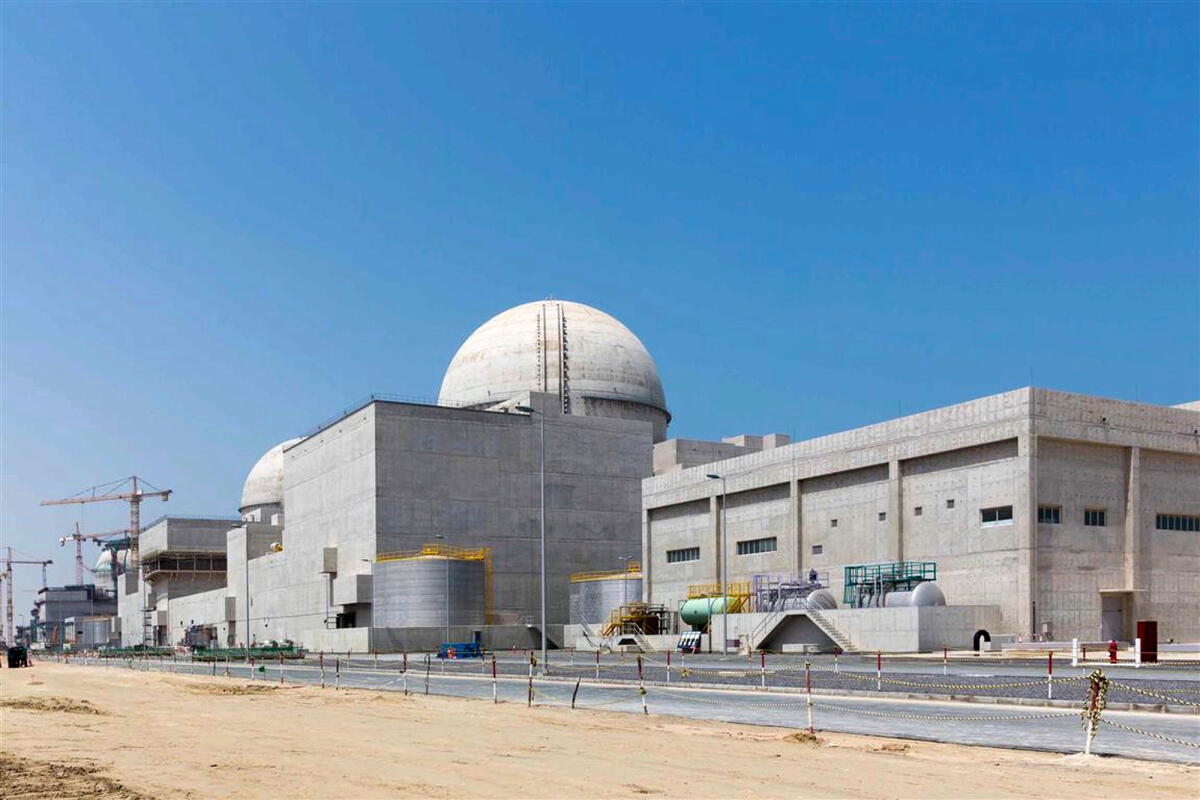
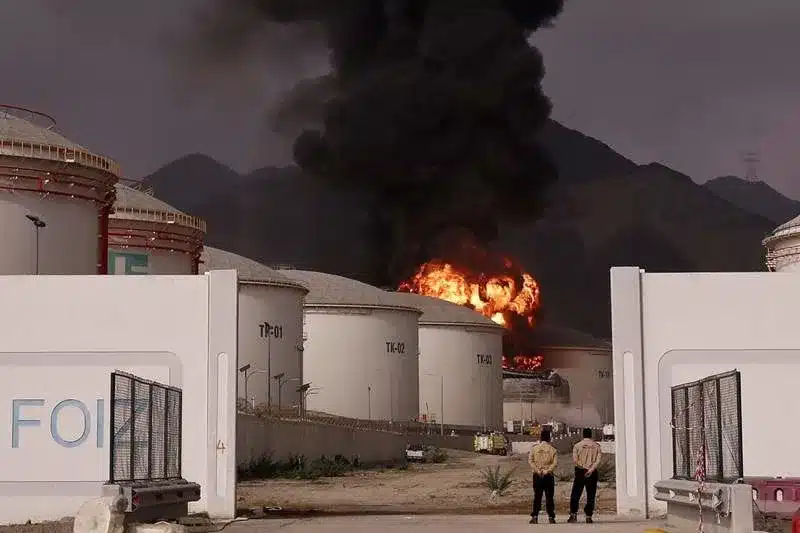
The escalating Iran-UAE military tensions documented in May 2026 create significant operational disruptions for cross-border e-commerce sellers, particularly those relying on the Strait of Hormuz shipping corridor. While the news focuses on geopolitical conflict, the critical e-commerce impact centers on supply chain logistics: the Strait of Hormuz handles approximately 21% of global petroleum trade and serves as a vital shipping route for consumer goods moving between Asia-Pacific manufacturing hubs and Middle Eastern/European markets. The reported drone attacks near the Barakah nuclear plant and escalating military posture have triggered immediate logistics consequences documented in the news—supply chain disruptions in commercial hubs like Bandar Abbas, Iran, with local traders reporting falling sales and rising costs.
For cross-border sellers, this translates to three concrete operational impacts: First, shipping cost increases of 15-25% for sellers routing inventory through the Hormuz corridor. Insurance premiums for vessels transiting disputed waters have risen 8-12% according to maritime industry standards during similar geopolitical tensions. Second, transit time delays of 2-4 weeks as shipping companies reroute around the Strait, adding 1,200+ nautical miles to standard Asia-to-Europe routes. Third, inventory management complications for sellers with fulfillment centers in UAE, Saudi Arabia, or Iran-adjacent markets—the news specifically mentions supply disruptions in Bandar Abbas affecting goods availability and pricing.
Seller segments most affected: (1) Amazon FBA sellers shipping electronics, apparel, and consumer goods through Middle Eastern fulfillment networks face increased storage costs as inventory sits longer in transit; (2) Shopify merchants with direct-to-consumer models relying on 3PL providers in the region experience margin compression of 8-12% on products with thin margins; (3) eBay and Walmart Marketplace sellers sourcing from Asia-Pacific manufacturers and selling to Middle Eastern customers face both outbound and inbound route complications. The news documents that local market traders in Iran are experiencing "rising costs" and "reduced goods availability," indicating that sellers attempting to access Iranian markets face additional tariff and customs complications during heightened tensions.
Strategic sourcing implications: Sellers currently routing inventory through Iran or UAE-based distribution centers should immediately evaluate alternative logistics corridors. The news indicates hardening diplomatic positions with "narrowing diplomatic windows," suggesting this disruption may persist 6-12 months. Sellers should consider temporary rerouting through Indian Ocean alternatives (adding 5-7 days but avoiding Hormuz risk) or accelerating inventory positioning in European/North American fulfillment centers before further escalation.
Questions 7
What are the insurance and risk premium implications for sellers?
Maritime insurance premiums for vessels transiting Hormuz have increased 8-12% according to industry standards during similar geopolitical tensions. Sellers using freight forwarders or 3PL providers should request updated insurance cost quotes immediately—these increases flow through to your landed costs within 2-4 weeks. Ask your logistics provider for a breakdown of insurance costs as a percentage of total freight charges. Consider negotiating fixed-rate freight agreements for the next 6 months to lock in current pricing before further escalation. For high-value electronics or luxury goods, evaluate whether additional cargo insurance is cost-justified given the elevated risk profile.
How does this impact sellers with Iran market exposure?
The news specifically mentions supply disruptions in Bandar Abbas, Iran's primary port, with traders reporting 'reduced goods availability and higher prices.' Sellers attempting to access Iranian markets face compounded challenges: existing US sanctions, heightened customs scrutiny during military tensions, and port congestion. If you currently sell to Iran through third-party distributors, expect 3-4 week delays and 20-30% price increases from suppliers. Recommend pausing new Iran market expansion until diplomatic windows reopen. For existing Iranian customer bases, communicate transparently about delivery delays and consider offering partial refunds or store credit to maintain customer relationships through the disruption period.