


India Semiconductor Hub Emerges | $11B Tata-ASML Deal Reshapes Global Chip Supply
- $11 billion Dholera facility positions India as AI/automotive chip manufacturer, creating tariff arbitrage opportunities for electronics sellers and supply chain diversification away from China












Overview
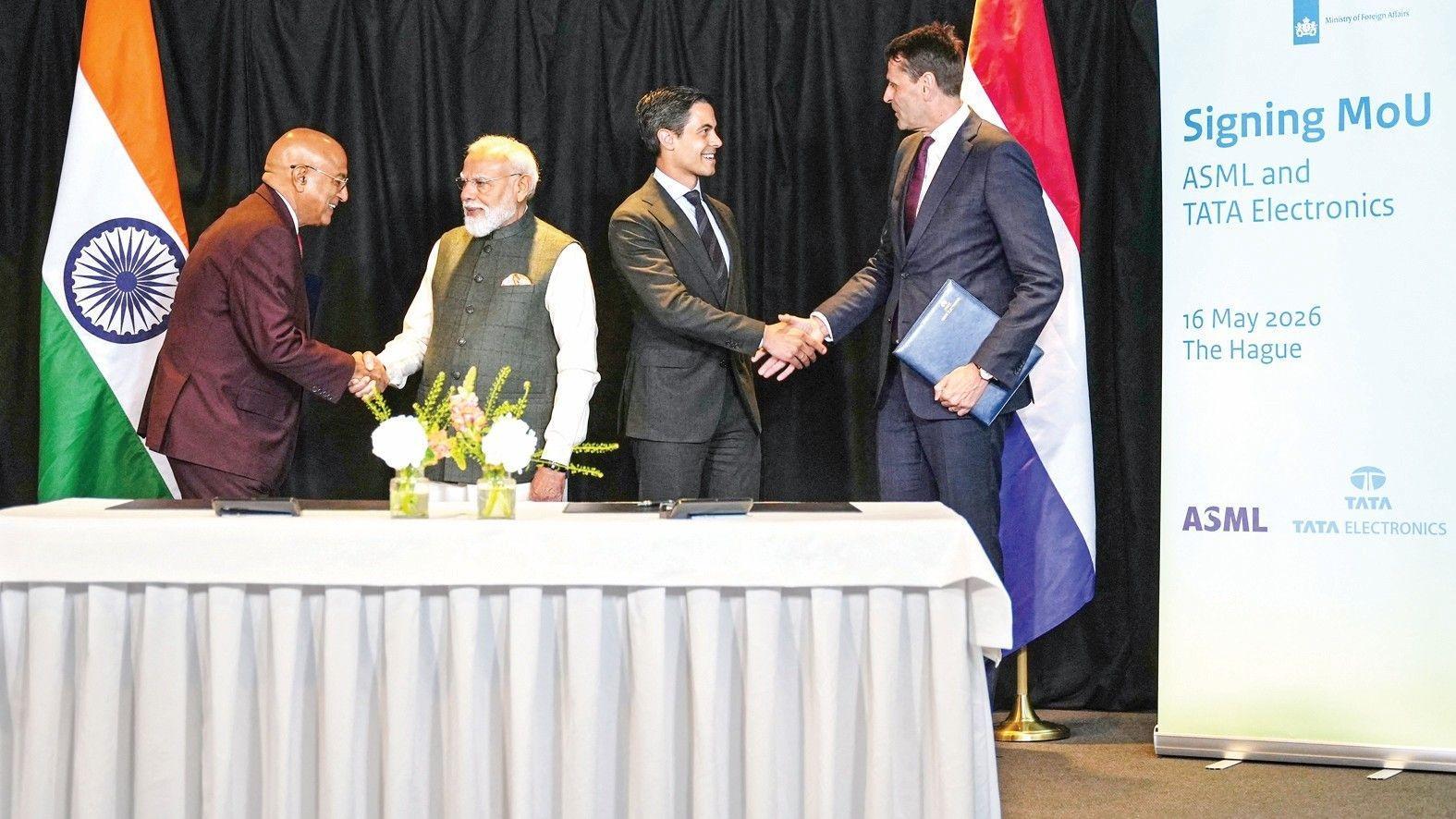
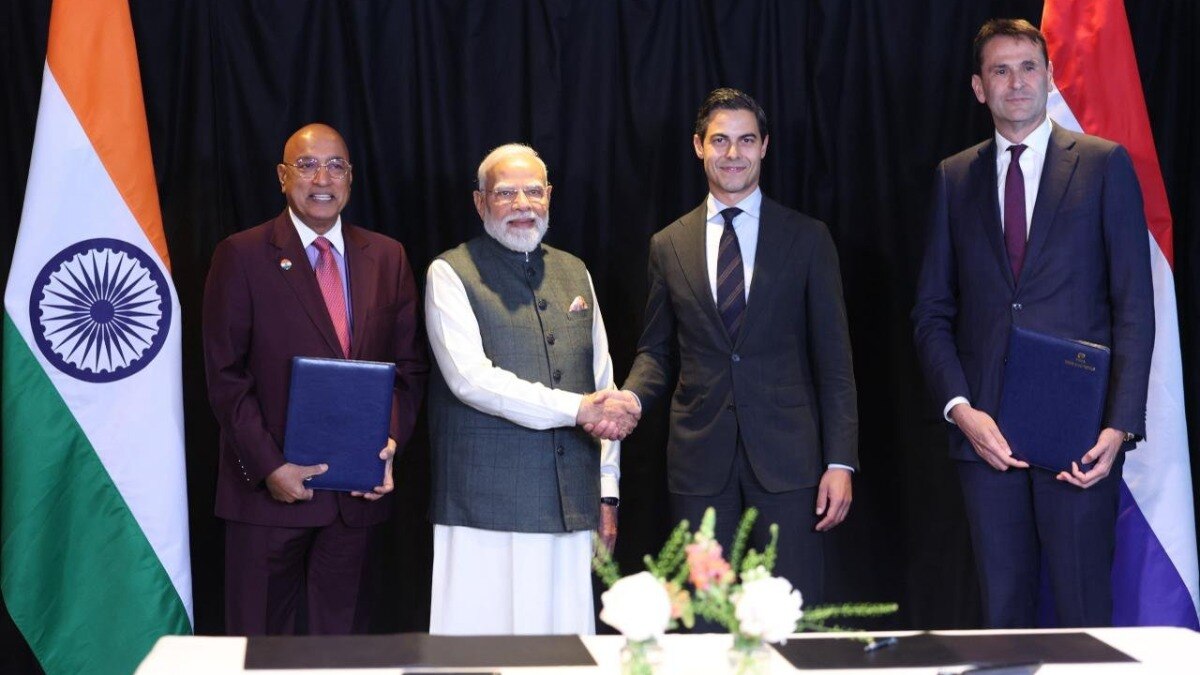
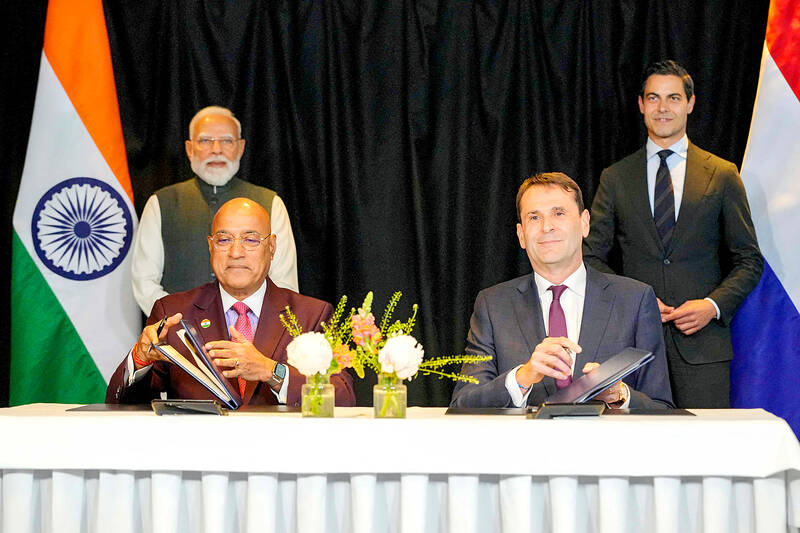
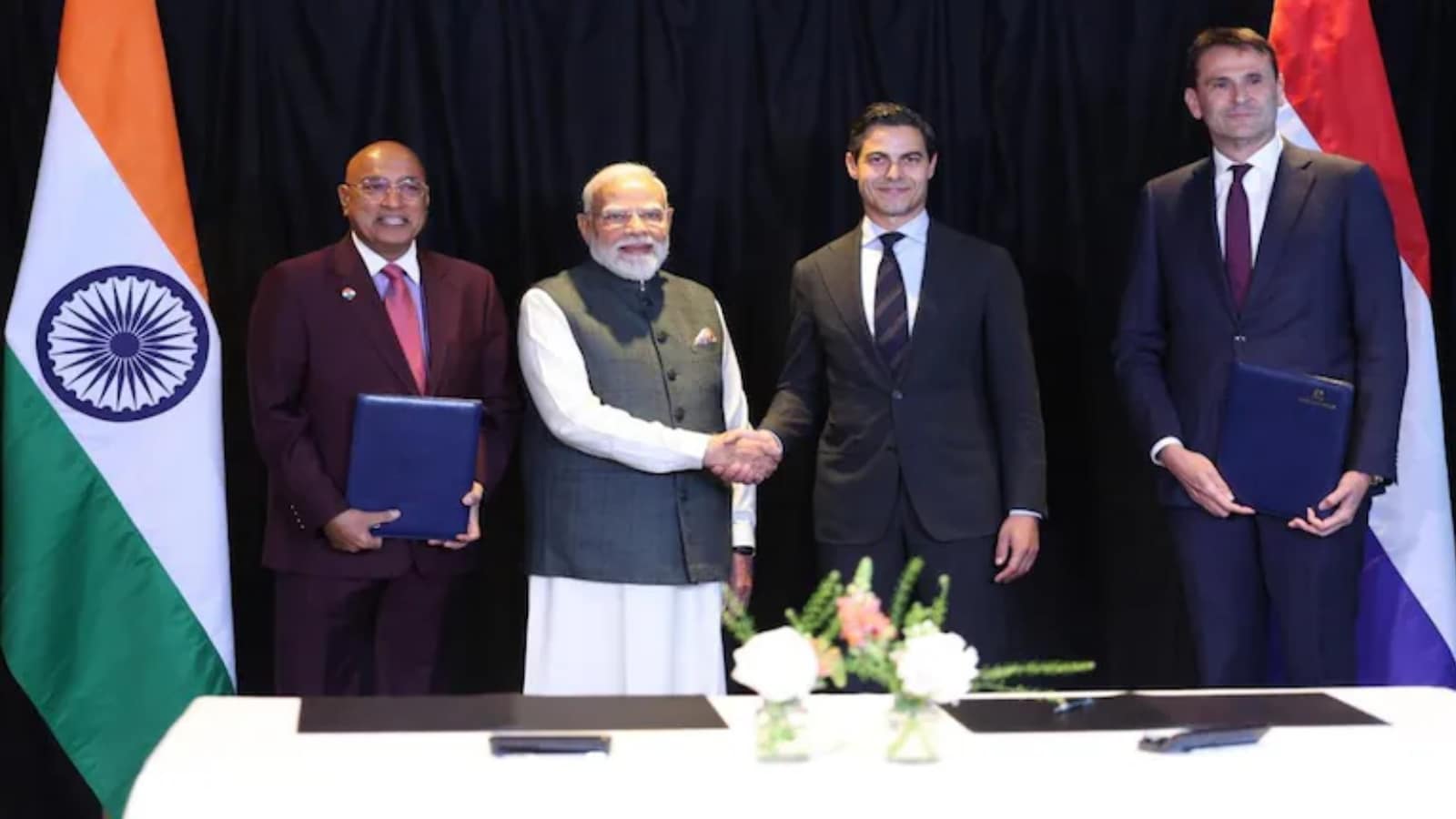
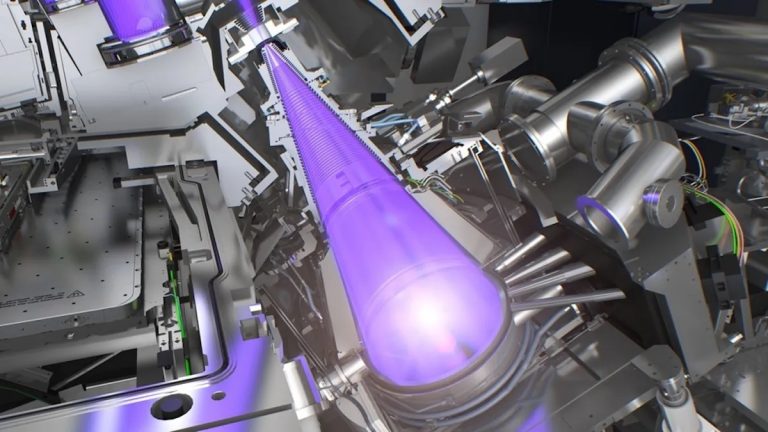
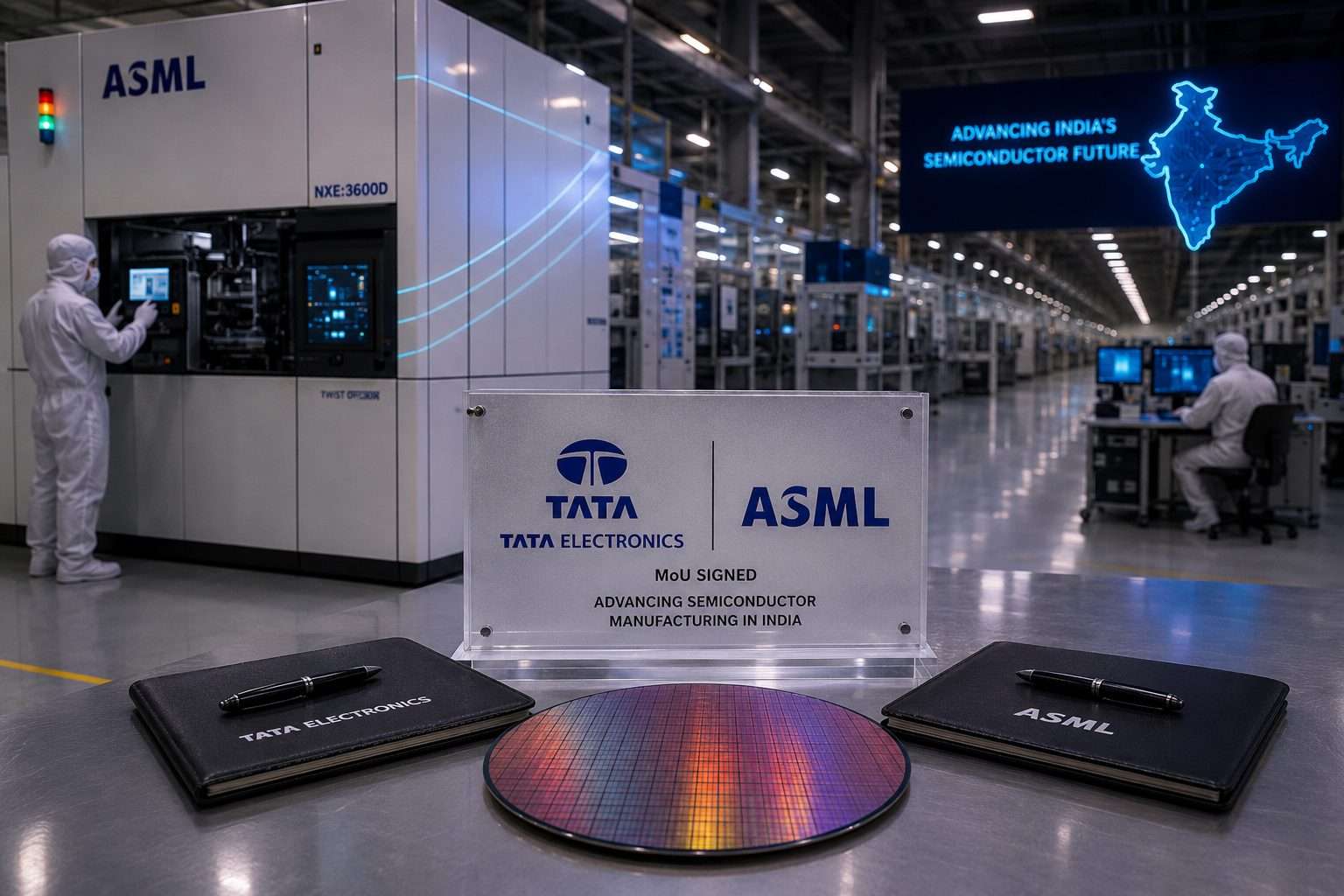
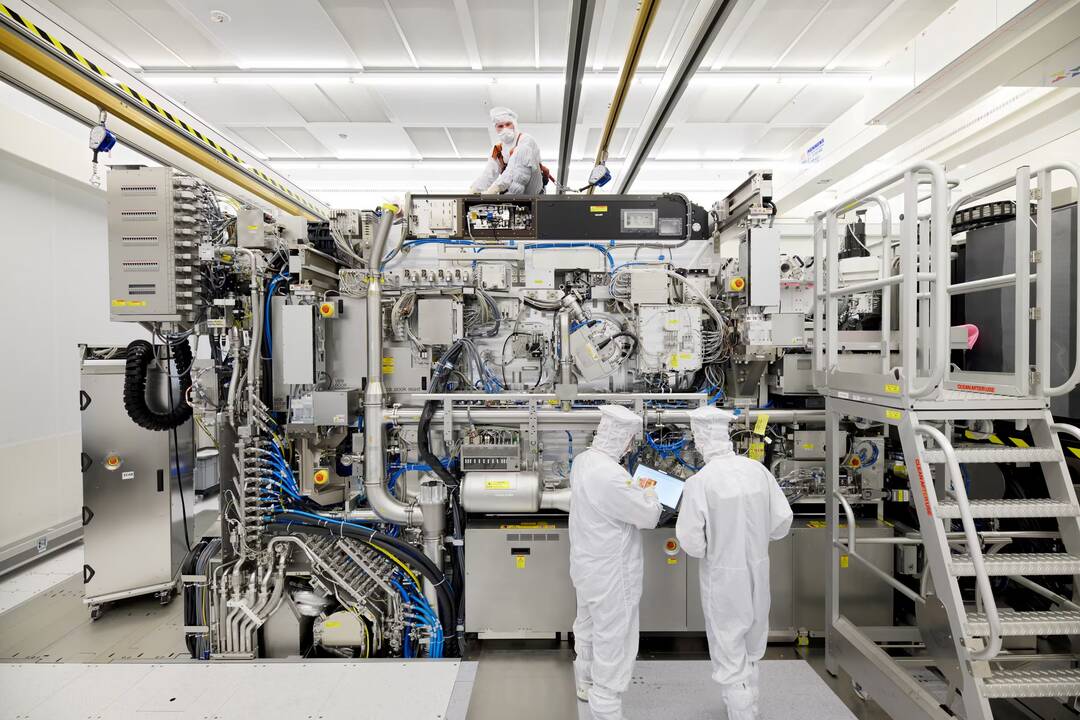
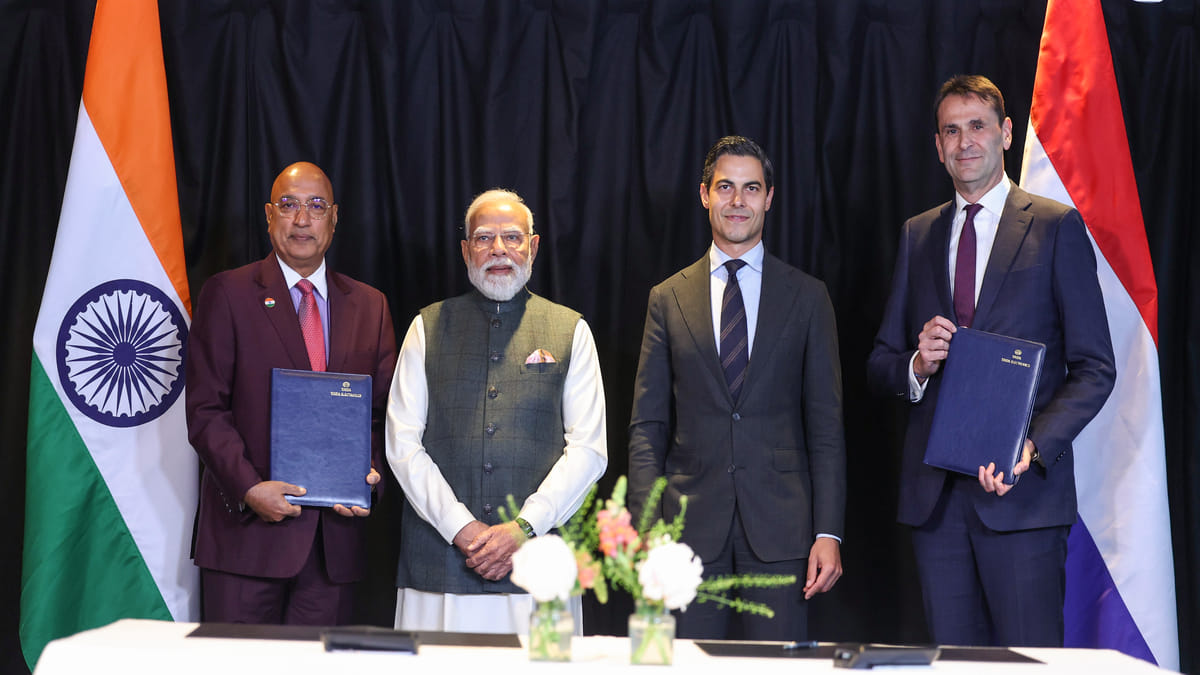
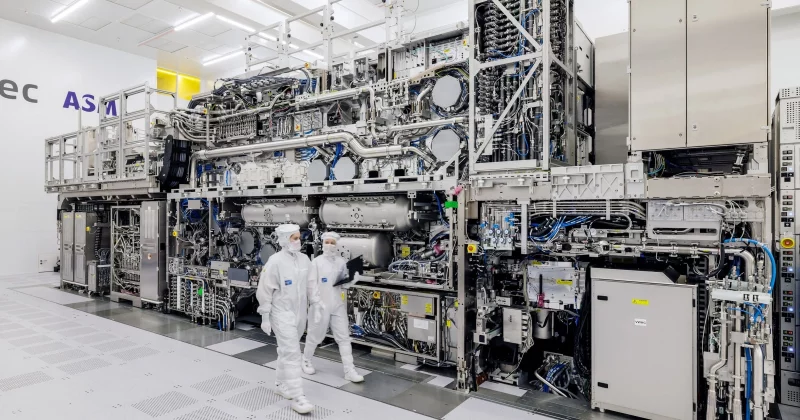
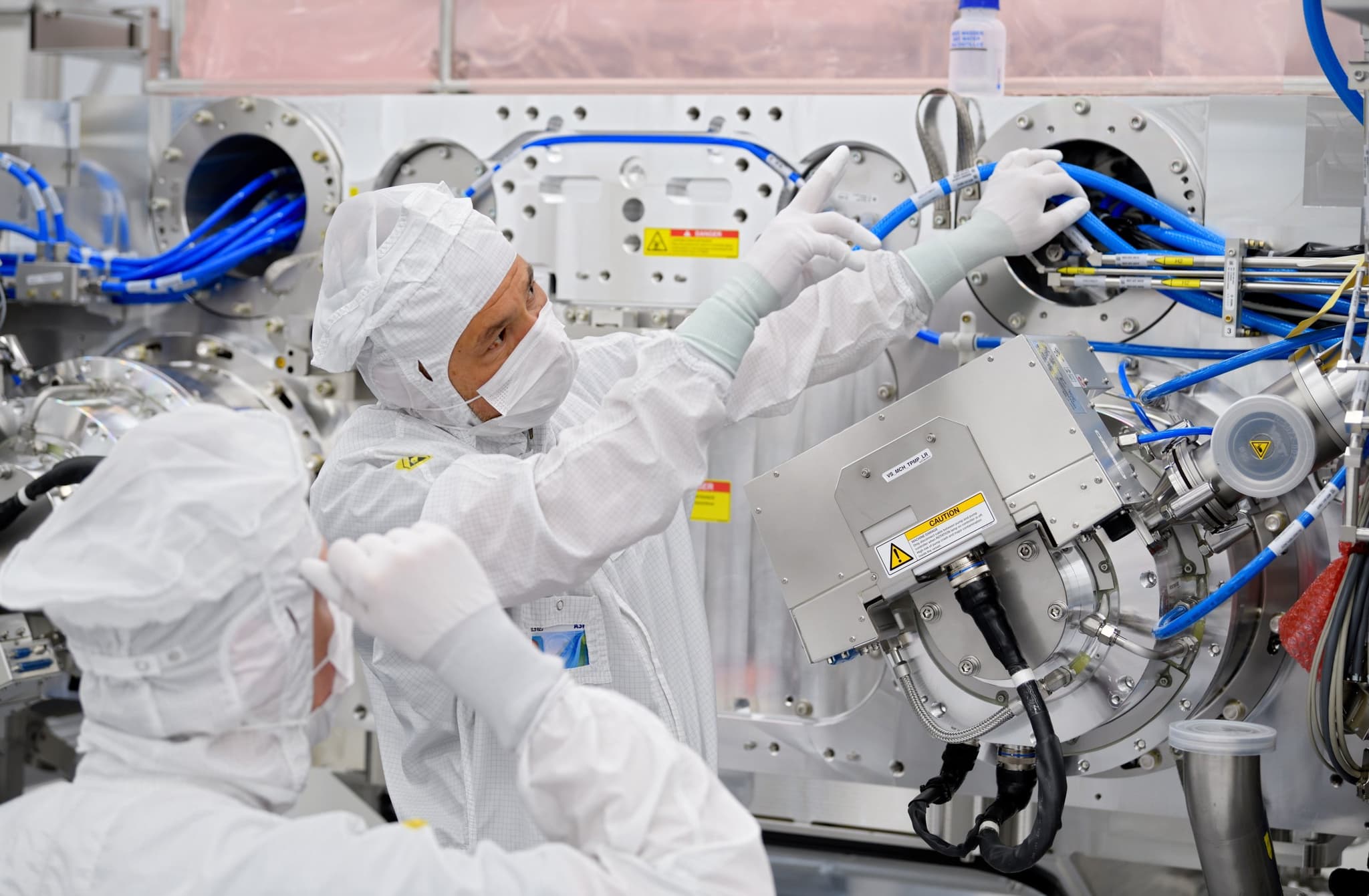
India's $11 billion semiconductor manufacturing partnership between Tata Electronics and Dutch technology giant ASML represents a seismic shift in global chip production geography with profound implications for cross-border e-commerce sellers. The Dholera, Gujarat facility—backed by ASML's cutting-edge lithography equipment and technical expertise—will manufacture high-end microchips for artificial intelligence, automotive systems, and consumer electronics, positioning India as a credible alternative to Taiwan and South Korea for semiconductor sourcing.
For electronics sellers, this creates immediate tariff arbitrage opportunities. India's semiconductor manufacturing capacity reduces dependence on Chinese chip imports, which currently face 25% US tariffs under Section 301 trade measures. Sellers sourcing AI-enabled devices, automotive electronics, and IoT products from Indian manufacturers can expect 8-15% cost reductions within 24-36 months as Dholera reaches production scale. The facility targets AI chips specifically—a category experiencing 40%+ annual growth in cross-border e-commerce, with sellers on Amazon, eBay, and Shopify seeing strong demand for AI-powered smart home devices, robotics, and industrial IoT products.
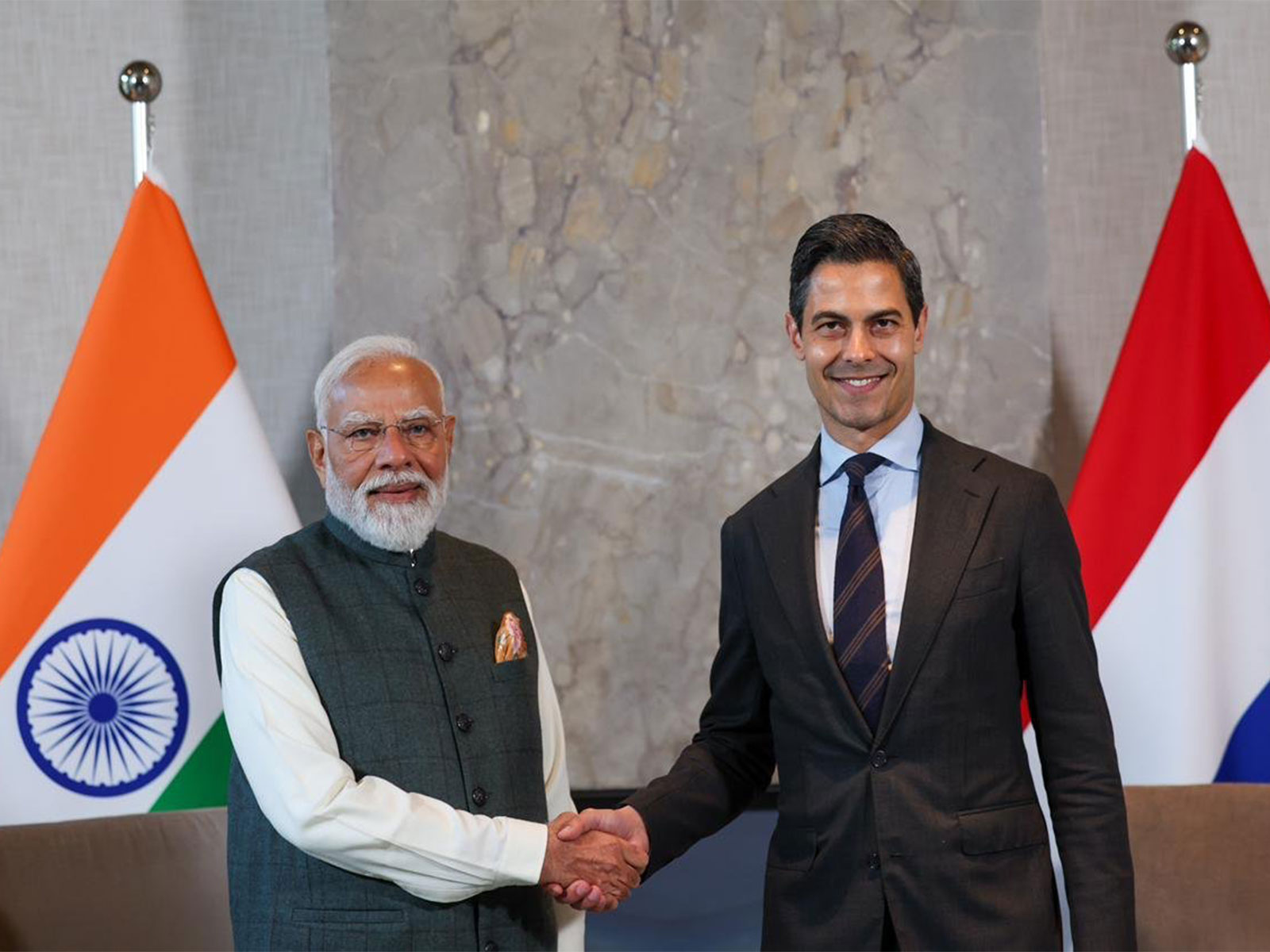
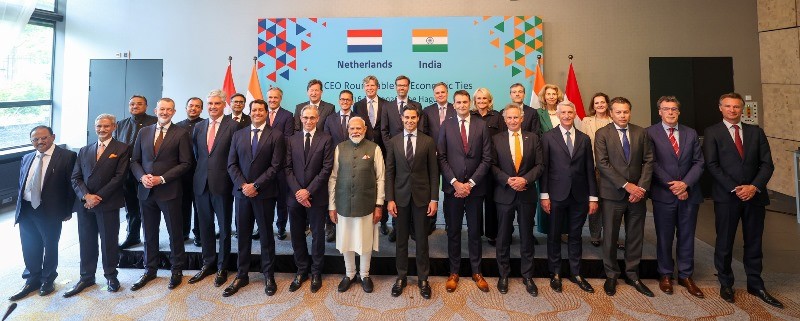
Strategic sourcing shifts are accelerating. The India-Netherlands partnership signals EU confidence in India as a manufacturing hub, complementing existing India-US semiconductor cooperation frameworks. Sellers currently sourcing from China-based electronics manufacturers should evaluate Indian alternatives for HS codes 8542 (semiconductor devices), 8471 (automatic data processing machines), and 8517 (electrical apparatus for telecommunications). Indian suppliers offer 12-18% lower tariff exposure compared to Chinese equivalents when exporting to US and EU markets. Additionally, India's flexible visa arrangements for Dutch and European workers—discussed during Modi's visit—will accelerate technology transfer and production ramp-up, potentially compressing the timeline to full capacity from 36 months to 24-28 months.
Competitive dynamics favor medium-sized electronics sellers (annual revenue $2-50M). Large enterprises like Apple and Samsung have established supply chains; small sellers lack scale for direct negotiations. Mid-market sellers can capitalize by: (1) identifying niche AI/automotive electronics categories where Indian suppliers offer cost advantages, (2) securing early supplier relationships before major brands establish contracts, and (3) leveraging India's lower labor costs (30-40% below China) to improve margins on electronics bundles and smart device categories. The EU's strategic view of India as a "key future market" also signals potential tariff reductions on India-origin electronics entering European markets within 18-24 months, creating additional margin expansion opportunities for sellers serving EU customers.
Questions 8
What is the geopolitical significance of this deal for cross-border sellers managing supply chain risk?
The $11 billion Tata-ASML partnership represents a deliberate diversification of semiconductor manufacturing away from Taiwan and China, reducing geopolitical concentration risk. For sellers, this creates a third-source option alongside established Taiwan/South Korea suppliers. India's strategic importance to both the EU and US (Modi visited Netherlands and Sweden during the same trip) signals long-term political commitment to India as a manufacturing hub. Sellers heavily dependent on Chinese or Taiwan-origin semiconductors should view Indian sourcing as strategic risk mitigation. The partnership also signals India's emergence as a technology hub, potentially attracting additional semiconductor investments and creating competitive pricing pressure that benefits all electronics sellers.
How should sellers adjust their supply chain strategy based on this India-Netherlands partnership?
Sellers should conduct a tariff exposure audit by HS code and identify electronics categories where Chinese sourcing currently dominates. For AI chips, automotive electronics, and IoT devices, request quotes from Indian manufacturers in Q2-Q3 2025 as Dholera production begins. Model cost scenarios assuming 8-15% reductions within 24-36 months and 5-8% tariff savings immediately. Consider dual-sourcing strategies—maintaining China relationships while building India alternatives—to hedge geopolitical risks. Prioritize Indian suppliers for products with 12+ month lead times to maximize cost advantage window. Track India-EU trade negotiations for tariff reduction announcements that could accelerate margin improvements.