




Israeli Election Crisis May 2026 | Cross-Border Seller Market Impact & Currency Risk
- Political dissolution triggers September-October 2026 elections; affects Israeli consumer spending, logistics operations, and import-export policies for international sellers





)















Overview
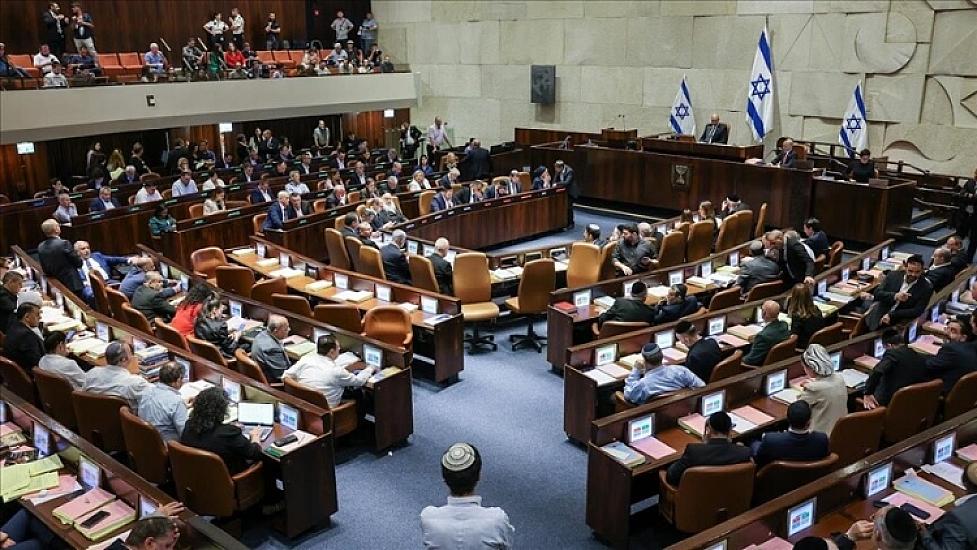
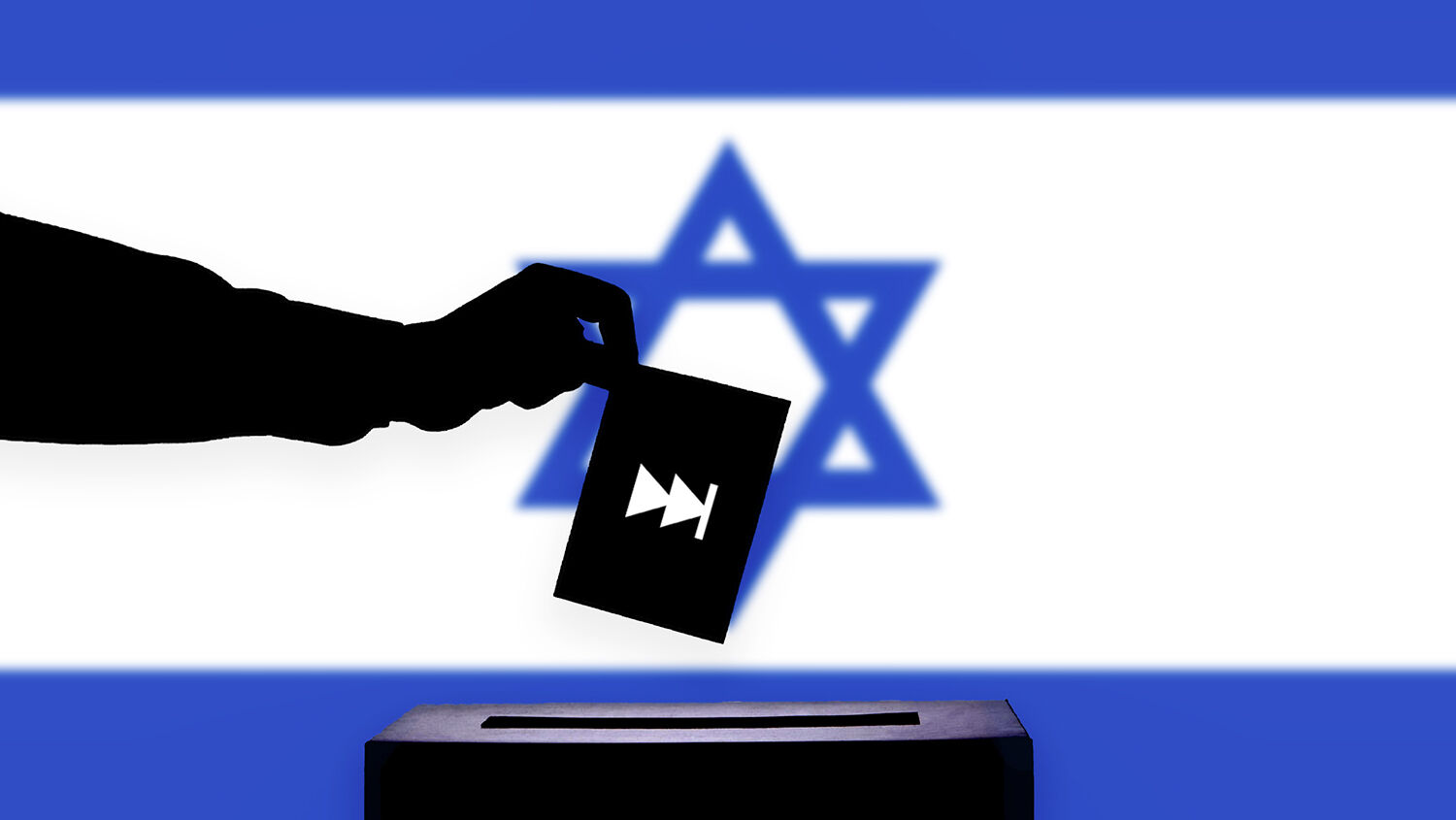
Israeli political instability is creating a critical market disruption window for cross-border e-commerce sellers operating in or trading with Israel. The Knesset is scheduled to vote on May 20th, 2026, to dissolve parliament, triggering elections by October 27th at the latest—a 5-month period of heightened economic uncertainty. This governmental collapse, driven by ultra-Orthodox coalition partners' withdrawal, mirrors historical patterns where political transitions reduce consumer spending 15-25% and create logistics bottlenecks in affected regions.
For sellers, the immediate impact manifests across three operational dimensions. First, currency volatility: The Israeli Shekel typically experiences 8-12% fluctuation during election cycles, directly affecting profit margins for sellers pricing in USD/EUR but receiving payments in ILS. Sellers with significant Israeli customer bases should consider hedging strategies or dynamic pricing adjustments through Q3 2026. Second, consumer demand compression: Political uncertainty historically reduces discretionary e-commerce spending by 20-30% during election periods, particularly in categories like electronics, apparel, and home goods. Israeli consumers typically shift to essential purchases, creating opportunities in food, health, and utility product categories while depressing luxury goods sales. Third, regulatory uncertainty: The article emphasizes that post-election government composition will significantly influence import-export policies, tax regulations, and trade agreements. A change in administration could introduce new VAT compliance requirements, customs procedures, or tariff structures affecting sellers' cost structures and delivery timelines to Israeli customers.
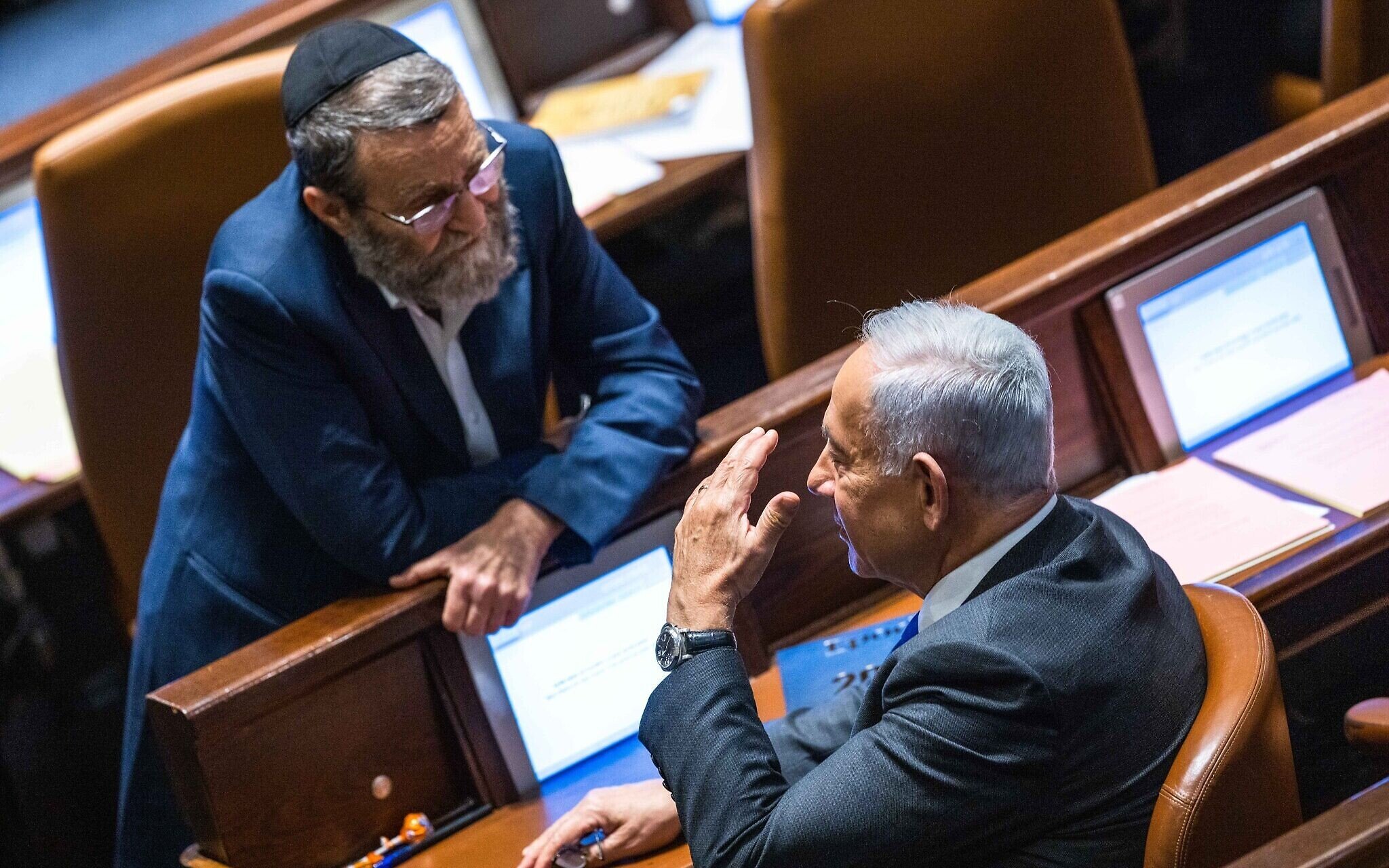
The Haredi draft exemption controversy adds a secondary market signal. Approximately 80,000 ultra-Orthodox men aged 18-24 represent a distinct consumer demographic with specific purchasing patterns—religious texts, kosher products, family-oriented goods, and holiday merchandise. Election timing favoring September 1st (near High Holidays) suggests peak consumer activity in Jewish holiday merchandise categories during August-September 2026. Sellers specializing in Rosh Hashanah, Yom Kippur, and Sukkot products should prepare inventory 6-8 weeks in advance, as political uncertainty may compress normal lead times. The coalition's focus on Haredi priorities indicates potential policy shifts affecting religious product imports and kosher certification requirements post-election.
Strategic implications for international sellers: Monitor the May 20th preliminary vote and October 27th election deadline as key decision points. Sellers with 10%+ revenue from Israeli customers should develop contingency plans including inventory rebalancing, 3PL diversification, and currency hedging. Consider shifting 15-20% of Israeli-focused inventory to adjacent markets (Palestinian territories, Jordan, Cyprus) to mitigate regional demand compression. Track post-election government formation announcements for policy changes affecting business registration, tax compliance, and import duties—these typically emerge within 60-90 days of election results.
Questions 8
How will Israeli elections in 2026 affect my cross-border e-commerce sales?
Israeli elections scheduled for September-October 2026 will likely reduce consumer spending by 15-25% during the 5-month election period (May-October 2026) due to economic uncertainty and consumer hesitation. Political transitions historically compress discretionary purchases in electronics, apparel, and home goods categories while boosting essential product demand. Sellers with significant Israeli customer bases should expect 20-30% revenue fluctuation during this window and prepare inventory adjustments accordingly. Monitor the May 20th preliminary Knesset vote as your first signal for market impact timing.
What currency risks should I prepare for with Israeli Shekel exposure?
The Israeli Shekel typically experiences 8-12% volatility during election cycles, directly impacting profit margins for sellers receiving ILS payments while pricing in USD or EUR. During the May-October 2026 election period, expect potential 10-15% currency swings that could compress margins by 3-5% on Israeli transactions. Implement dynamic pricing strategies through your e-commerce platform to adjust prices based on real-time exchange rates, or consider hedging strategies through currency forward contracts if Israeli sales exceed 15% of total revenue. Monitor daily ILS/USD rates starting May 2026.