





NHL's Strategic Player Shuffle: How the Hughes Trade Reshapes Competitive Dynamics
- A blockbuster trade signals a new era of talent mobility and organizational transformation in professional hockey



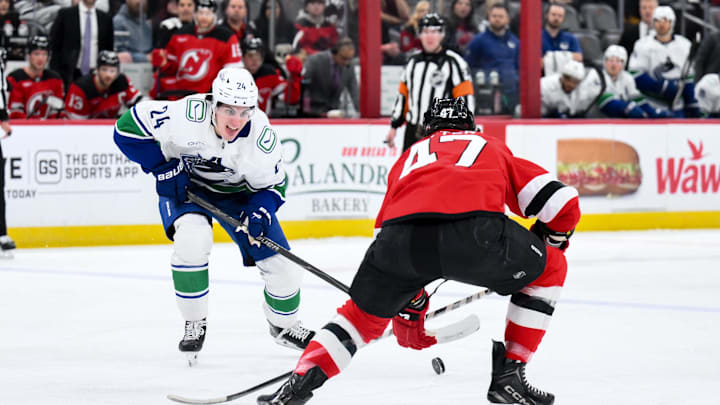










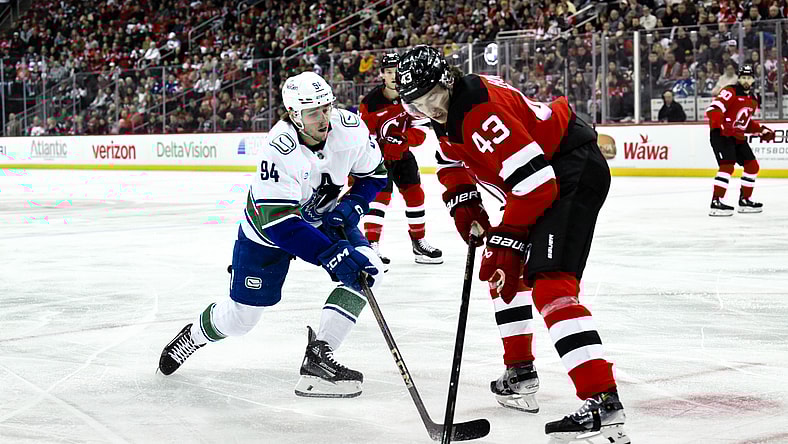




_0.png)






Overview
The NHL has witnessed a transformative moment with the Quinn Hughes trade, revealing the complex strategic calculus that now defines professional hockey team building. This isn't just a player transfer—it's a multi-dimensional chess move that exposes the evolving dynamics of talent acquisition, organizational strategy, and competitive positioning.
At the core of this trade lies a fascinating narrative of strategic reset. The Minnesota Wild, having struggled early in the season with a 3-6-3 record, dramatically transformed their trajectory by acquiring Hughes, a 26-year-old Norris Trophy-winning defenseman. By exchanging Marco Rossi, Zeev Buium, Liam Ohgren, and a 2026 first-round draft pick, the Wild signaled a bold commitment to immediate competitive elevation.
The trade's ripple effects extend far beyond a simple player exchange. For the Vancouver Canucks, currently languishing at the bottom of the NHL with an 11-17-3 record, this represents a strategic rebuilding moment. By acquiring young talents like Buium, Rossi, and Ohgren, the Canucks are essentially hitting a organizational reset button, prioritizing potential over immediate performance.
Remarkably, the trade's first dividends were almost instantaneous. Zeev Buium's debut with the Canucks—recording a goal and an assist within seven minutes—validated the trade's strategic logic. This quick integration suggests that modern NHL trades are less about individual star power and more about systemic compatibility and long-term potential.
The Central Division has been particularly impacted, with teams like the Colorado Avalanche, Dallas Stars, and Edmonton Oilers now facing a recalibrated competitive landscape. One analyst colorfully described this as creating a 'hockey hellscape'—a testament to the trade's potential to dramatically reshape divisional dynamics.
What emerges is a nuanced picture of contemporary sports management: trades are no longer just about player statistics, but about organizational philosophy, future potential, and strategic vision. The Hughes trade exemplifies a new paradigm where flexibility, youth development, and calculated risk-taking define success.
Questions 3
Why was the Quinn Hughes trade so significant for the Minnesota Wild?
The trade represented a strategic transformation for the Wild, who dramatically improved from a 3-6-3 start to a 15-3-2 record. Hughes, a Norris Trophy winner, brings exceptional defensive and offensive capabilities that could elevate the team's Stanley Cup contender status.
What does this trade reveal about modern NHL team-building strategies?
The trade demonstrates that contemporary NHL management prioritizes flexibility, youth potential, and strategic long-term vision over immediate star power. Teams are now more willing to make complex, multi-asset exchanges that reset organizational trajectories.