




Global Bond Rout Deepens | Cross-Border Sellers Face 8-12% Financing Cost Surge
- U.S. Treasury yields hit 4.63% (10-year), ECB rate hikes expected June 2025, inventory financing costs rising across all major markets












Overview
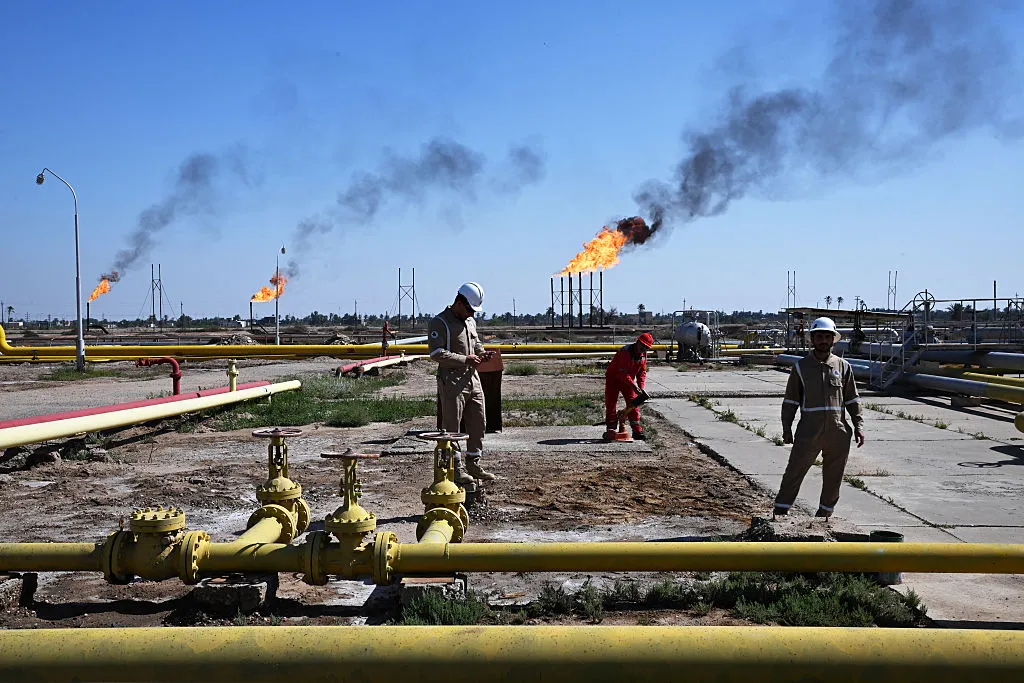
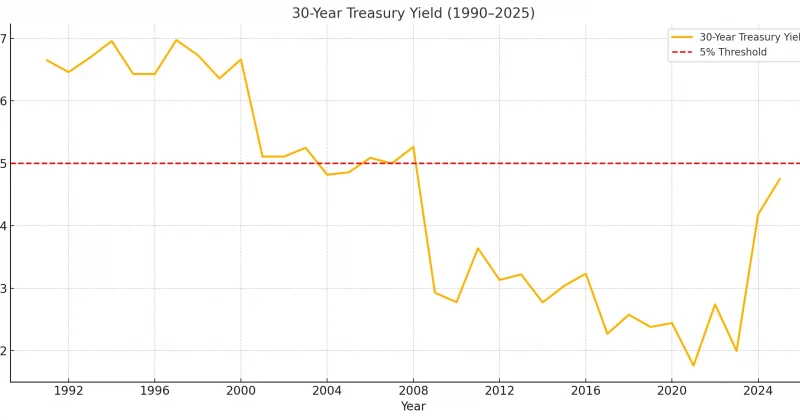
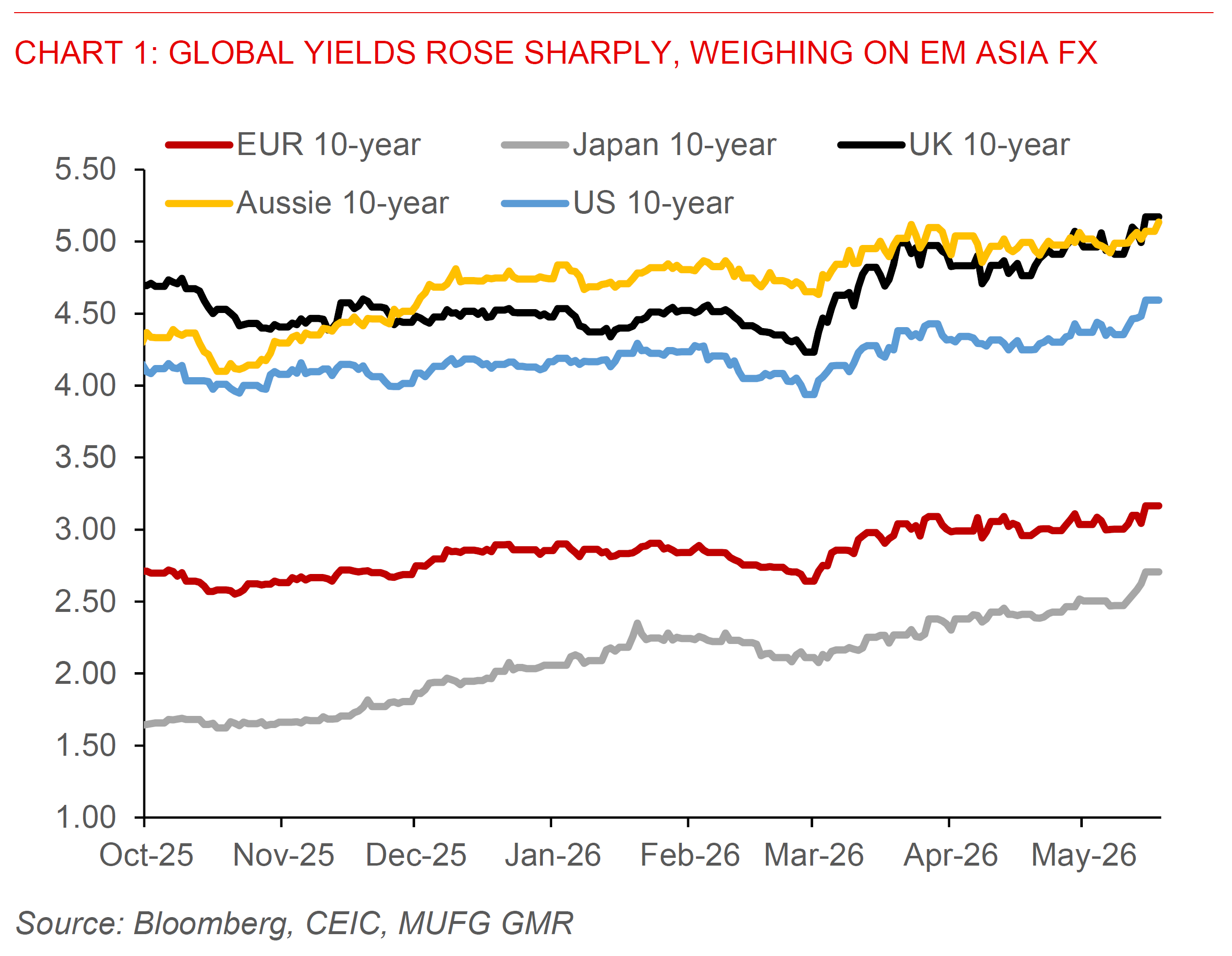
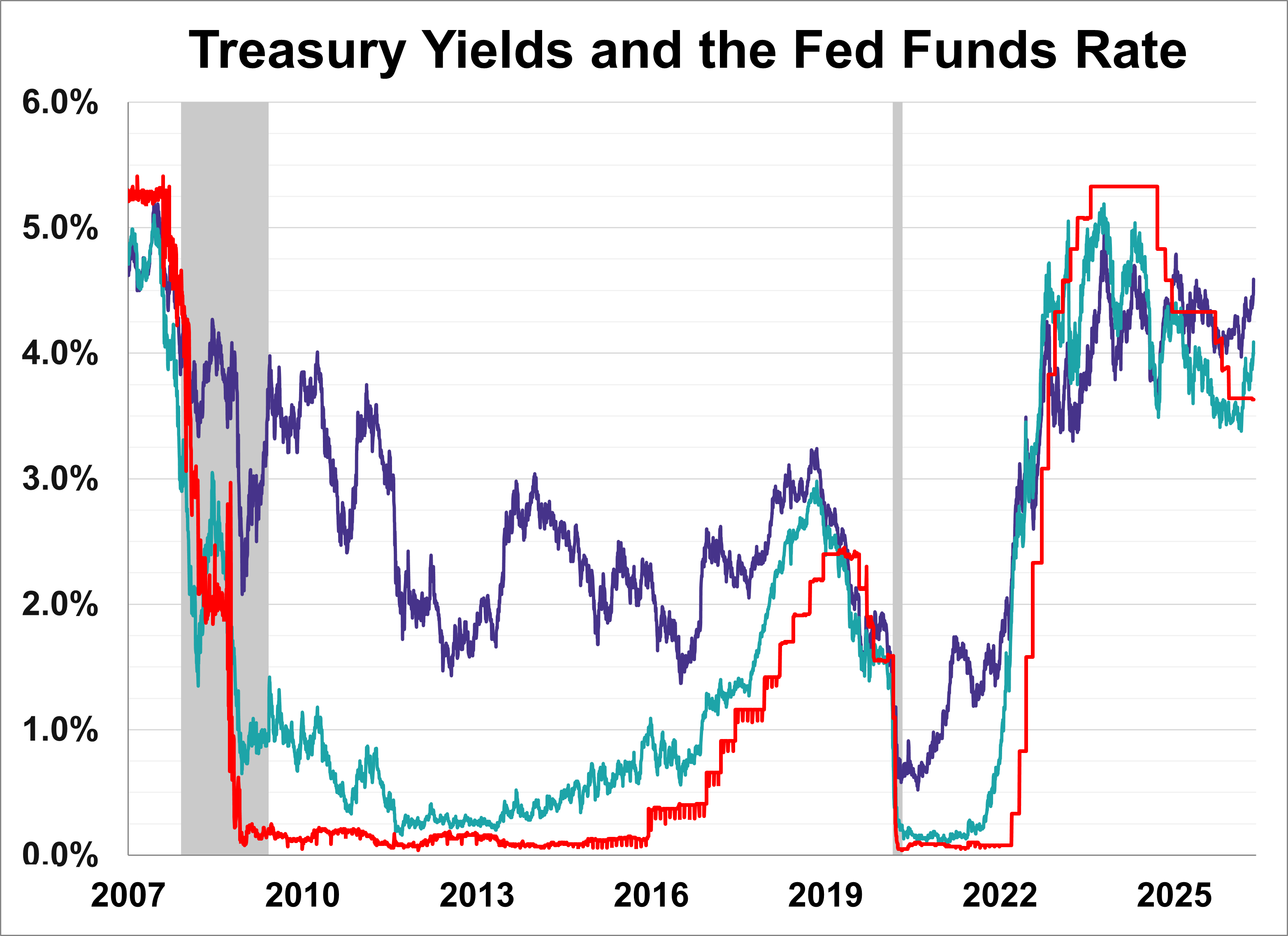
The synchronized global bond selloff of May 18, 2025, triggered by Middle East geopolitical tensions and inflation fears, has created a critical financing crisis for cross-border e-commerce sellers. U.S. Treasury yields surged to 4.631% (10-year), 4.102% (2-year), and 5.159% (30-year), while Brent crude oil jumped to $111/barrel following a drone strike at a UAE nuclear facility. This "higher for longer" interest rate environment directly impacts seller working capital through three critical channels: inventory financing costs, payment processing fees, and currency hedging expenses.
Immediate Financing Impact: Cross-border sellers relying on inventory loans and trade finance face 8-12% cost increases within 30-60 days. The Federal Reserve is now pricing in >50% probability of rate hikes by December 2025, while the European Central Bank signals rate increases as early as June 2025, and the Bank of England faces pressure for approximately two rate increases this year. For a typical mid-sized seller carrying $500K in inventory financed at 6-8% APR, this translates to an additional $4,000-6,000 monthly cost burden. Japanese government bond yields hit record highs (10-year JGB at 2.800%, highest since October 1996), signaling capital flight from Asia-Pacific markets and making JPY-denominated financing significantly more expensive for sellers sourcing from Japan.
Payment Processing & FX Hedging Pressures: Rising interest rates compress margins on cross-border transactions through multiple vectors. Payment processors like Wise, Stripe, and PayPal typically increase their FX hedging costs by 15-25 basis points when volatility spikes—translating to 0.15-0.25% additional fees on every international transaction. For sellers processing $100K monthly in cross-border payments, this represents $150-250 in incremental monthly costs. Currency pairs most affected: GBP/USD (UK gilt yields at 5.169% amid political uncertainty), EUR/USD (German bund yields rising 2 bps to 3.1827%), and JPY/USD (JGB volatility creating hedging premiums). Sellers with unhedged exposure to these currencies face immediate margin compression of 2-4% on outstanding receivables.
Working Capital Acceleration Opportunity: The financing crisis creates immediate opportunities for sellers to unlock cash through alternative financing products. Invoice factoring rates are rising 50-75 bps but remain cheaper than traditional inventory loans—sellers can convert 30-60 day receivables to immediate cash at 3.5-4.5% APR versus 7-9% for inventory financing. Supply chain finance platforms (Taulia, Tradeshift, Fintech Collective) are actively targeting sellers with PO financing at 4-6% APR, offering 30-45 day terms that bridge the gap between payment and inventory conversion. For sellers with $1M+ annual revenue, this represents $8,000-15,000 in monthly working capital unlock potential.
Questions 8
What immediate actions should I take in the next 30 days to protect my business?
Execute this 30-day action plan: (1) Lock in inventory financing at current rates before June ECB hikes—delay costs $1,000-2,000; (2) Hedge 50-75% of GBP/EUR/JPY exposure through Wise forward contracts; (3) Switch 30-40% of inventory financing to invoice factoring (3.5-4.5% APR vs 7-9%); (4) Audit payment processor fees—switch to Wise for FX if processing >$50K/month; (5) Implement dynamic pricing (+3-5%) in high-inflation markets; (6) Evaluate PO financing through Taulia/Tradeshift for $1M+ revenue sellers. These actions unlock $5,000-15,000 monthly working capital while reducing financing costs by 200-300 basis points.
Which currency pairs should I hedge first given the current geopolitical situation?
Prioritize hedging in this order: (1) GBP/USD—UK gilt yields at 5.169% create 2-3% depreciation risk; (2) EUR/USD—ECB rate hikes expected June 2025 create near-term volatility; (3) JPY/USD—Japanese government bond yields hit record highs, signaling capital flight. For sellers with >$50K monthly exposure to any pair, forward contracts through Wise or OFX cost 0.4-0.8% but protect against 2-4% currency swings. Oil prices at $111/barrel (Brent crude) are creating additional JPY weakness as Japan imports energy. Lock in 60-90 day hedges NOW before further deterioration.