




US Women's Hockey Dominance Rewrites International Rivalry Dynamics
- Emerging strategic superiority signals transformative performance in international women's hockey competition









Overview
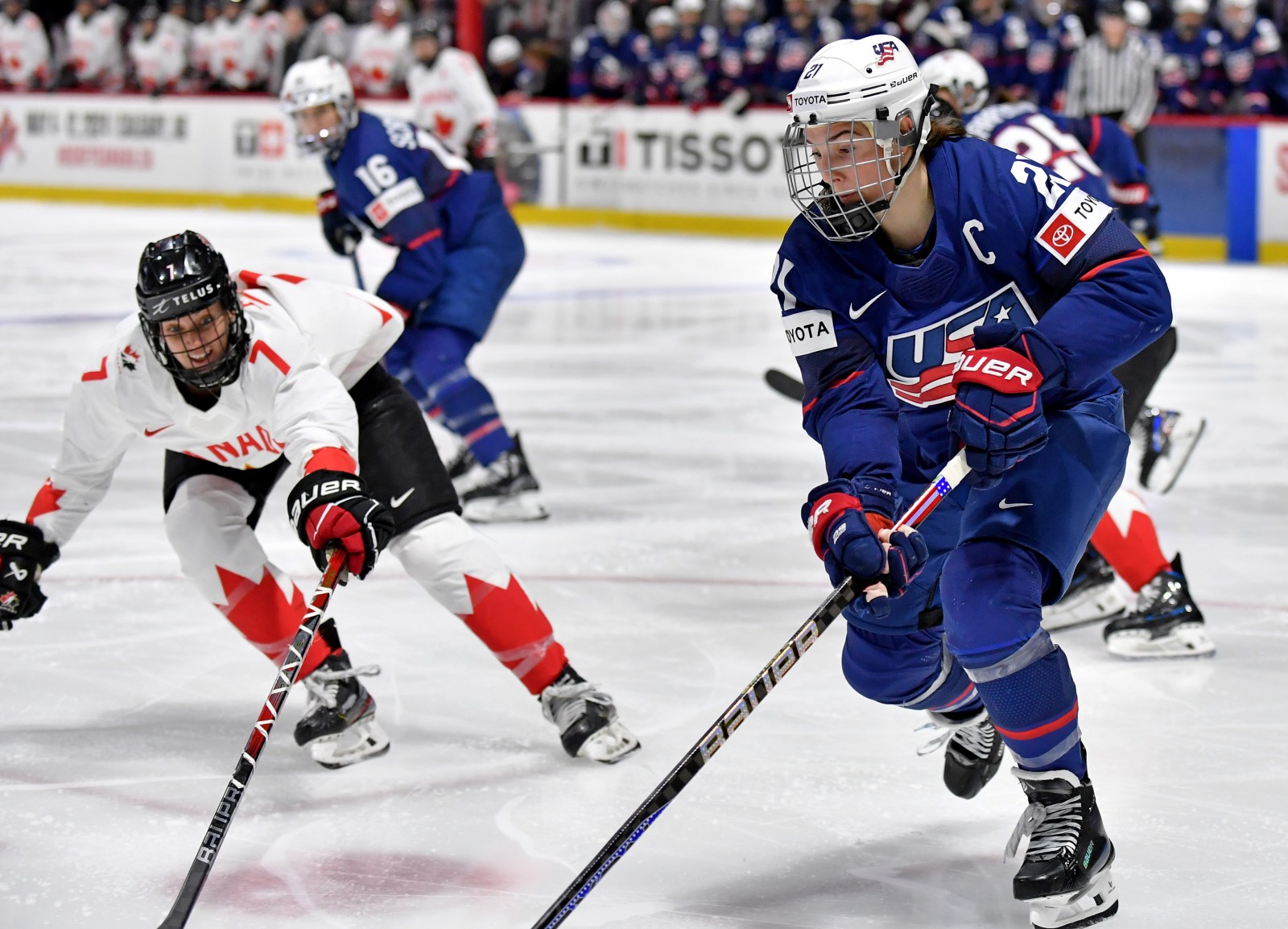
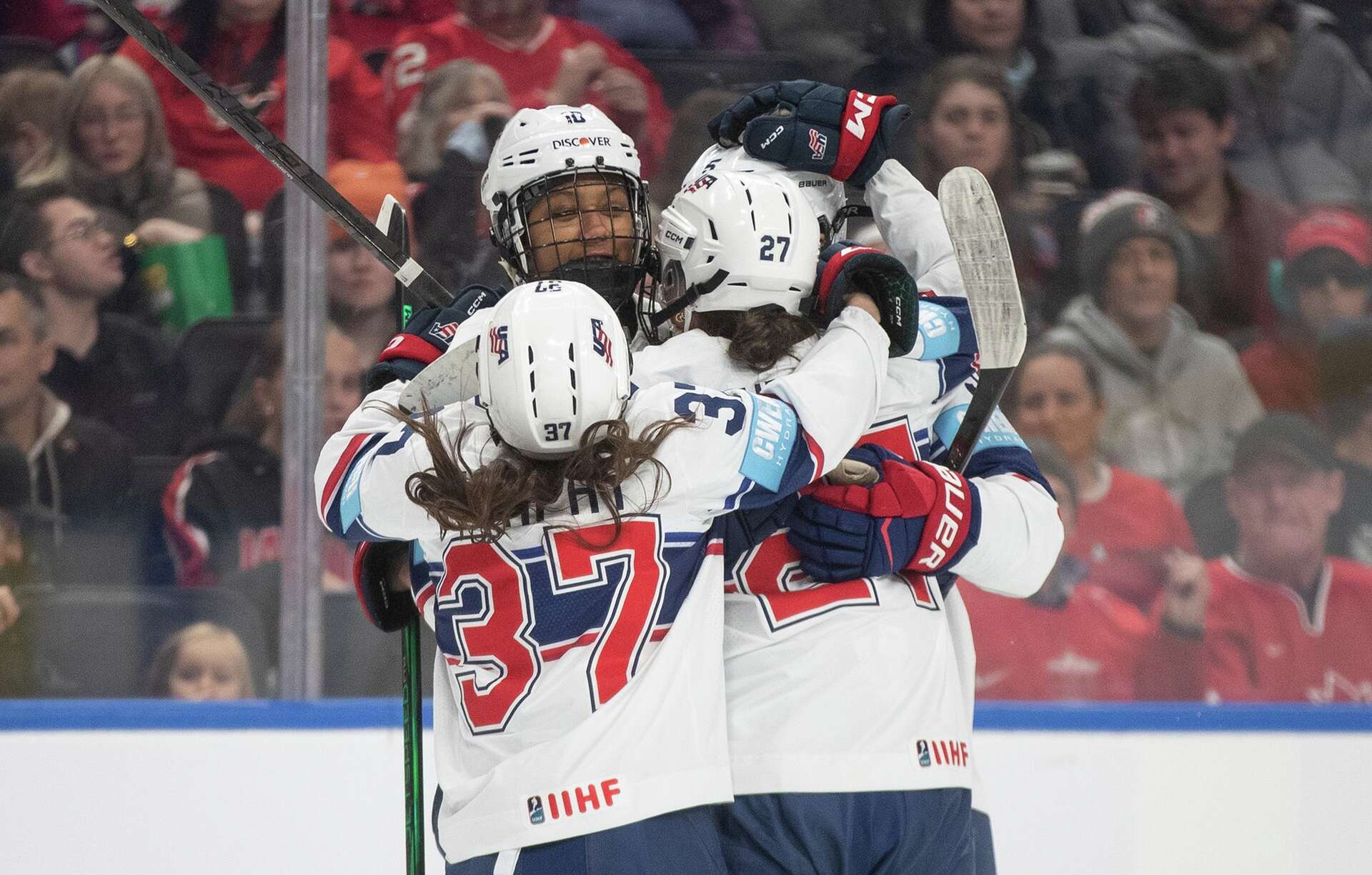
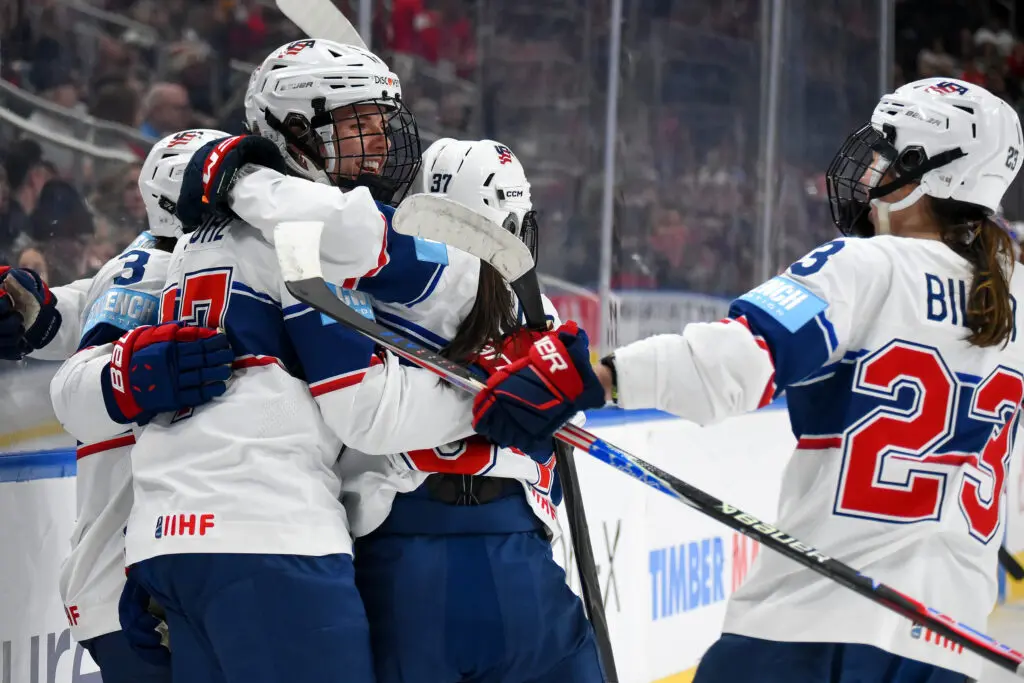
The 2025 Rivalry Series represents a pivotal moment in international women's hockey, where the United States national team has decisively reshaped competitive expectations through a comprehensive 4-0 tournament sweep against Canada. This performance is more than a statistical victory—it's a strategic statement about team evolution, individual talent, and systematic competitive advantage.
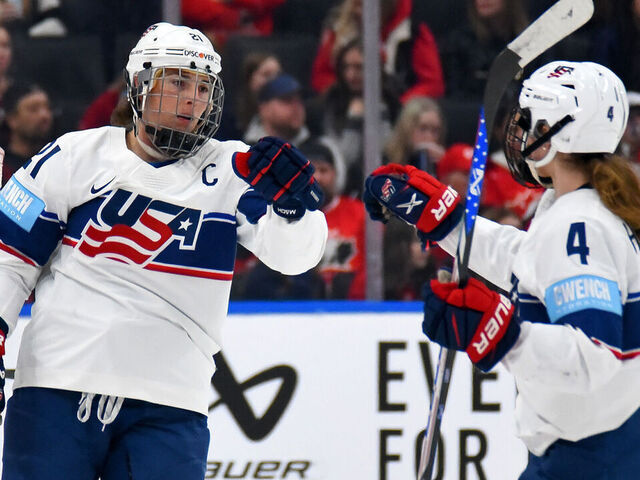
Strategic Team Composition emerges as a critical differentiator in this tournament. The U.S. team's remarkable depth—demonstrated by 13 different players scoring throughout the series—reveals a sophisticated approach to talent development and roster management. Hilary Knight's performance, contributing two crucial goals including a game-sealing empty-net goal, symbolizes the team's blend of veteran leadership and tactical precision.
The tournament's most compelling narrative lies in its defensive mastery. Goalkeeper Aerin Frankel's performance, stopping all 12 shots in the first period, underscores a fundamental shift in competitive strategy. This isn't just about individual brilliance but represents a systematic approach to controlling game dynamics. The 24-7 aggregate score across four games isn't merely a statistic—it's a statement about technological, training, and strategic superiority.
Looking toward the 2026 Milano Cortina Winter Olympics, this victory sets a powerful precedent. The U.S. team has effectively psychological repositioned itself, transforming from a strong competitor to a dominant force. The tournament's intensity—characterized by multiple power plays and physical confrontations—further validates the team's comprehensive competitive readiness.
The implications extend beyond immediate sporting achievements. This performance signals a broader transformation in women's international hockey, where strategic depth, individual talent, and collective cohesion converge to redefine competitive excellence.
Questions 3
How does this performance impact the team's Olympic prospects?
The decisive victory sets a strong psychological and strategic precedent for the 2026 Milano Cortina Winter Olympics, positioning the US team as the clear favorite and potentially disrupting Canada's historical competitive advantage.
What strategic elements contributed to the US team's dominance?
Key factors included exceptional defensive play (exemplified by goalkeeper Aerin Frankel), tactical roster management, veteran leadership from players like Hilary Knight, and a comprehensive approach to team development.