

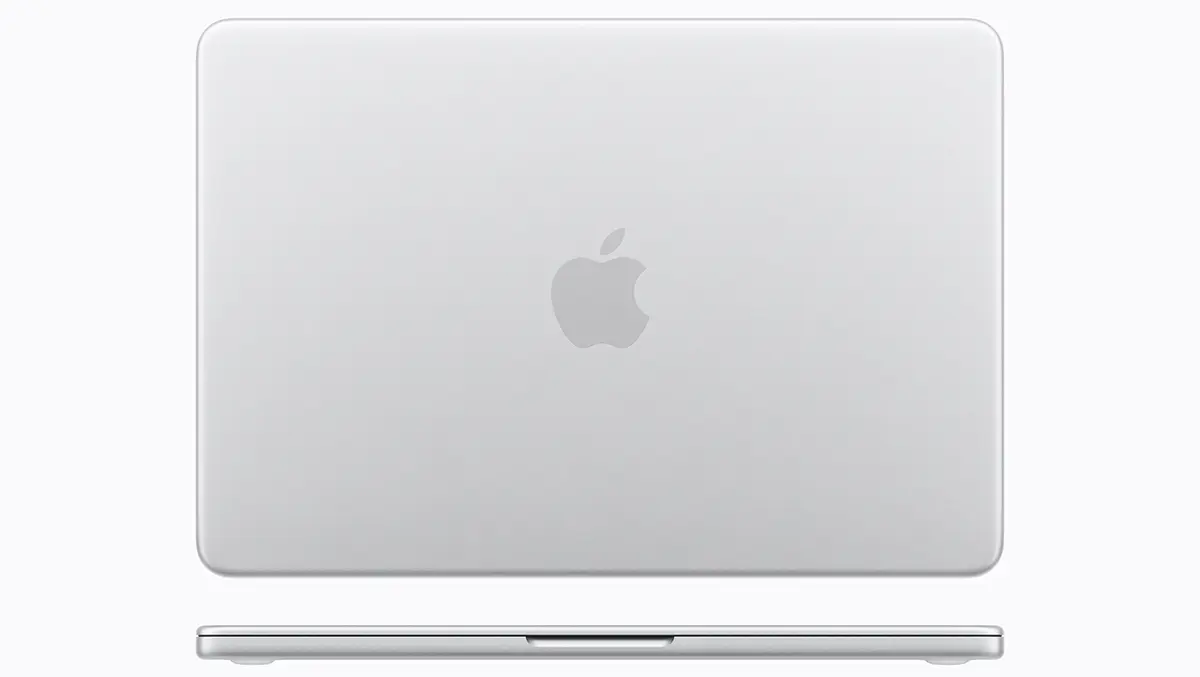

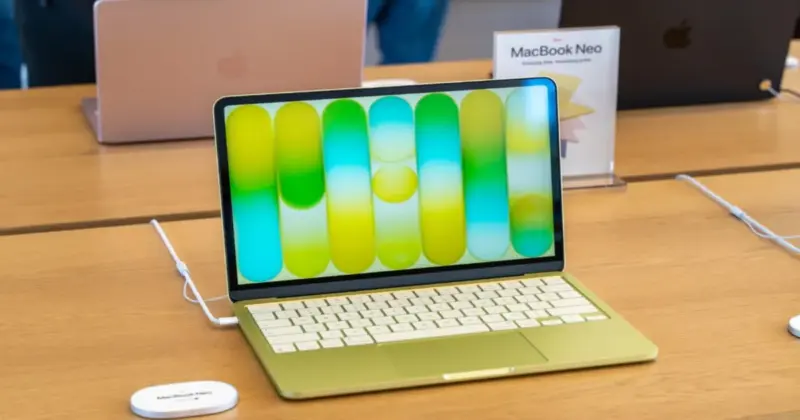

MacBook Neo $600 Laptop Signals AI Chip Shortage Reshaping Hardware Pricing for E-Commerce Sellers
- Apple's vertical integration enables $589 pricing amid semiconductor shortage; Windows competitors face 8-15% price increases; 7,000+ units sold monthly signals strong student/budget segment demand








Overview
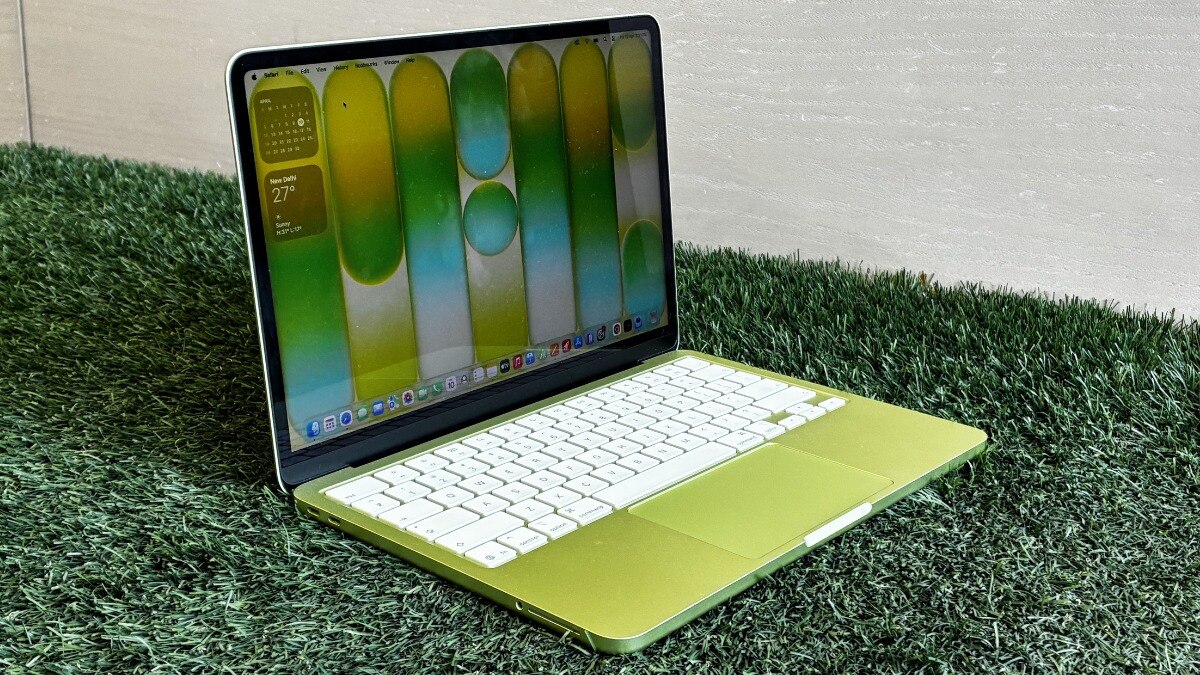
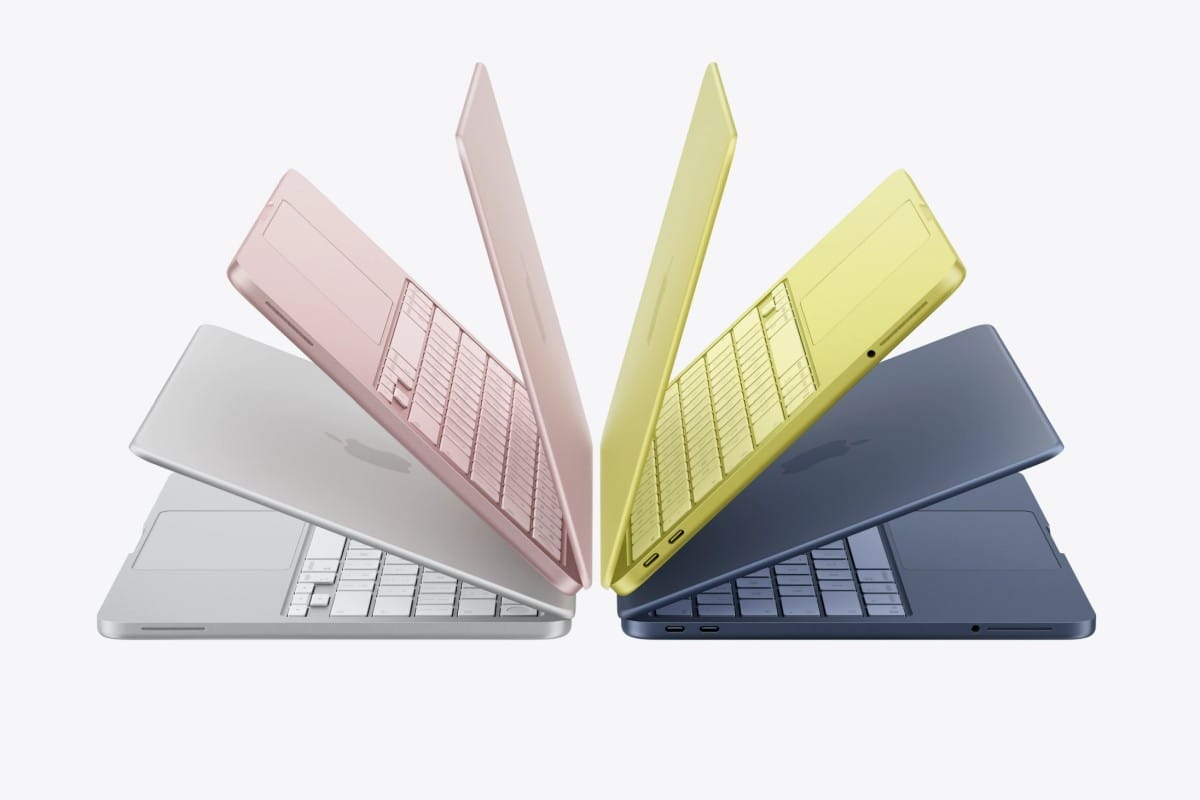
Apple's MacBook Neo launch at $600 represents a critical inflection point for e-commerce sellers in the computing hardware category, revealing how supply chain advantages translate to competitive pricing power during the AI-driven semiconductor shortage of 2025-2026. The device achieved 4.7-star ratings with 7,000+ units sold in a single month on Amazon, indicating explosive demand in the budget laptop segment targeting students and light professionals. Amazon's $589 pricing ($10 below MSRP) demonstrates rare Apple discounting, signaling aggressive market capture strategy despite industry-wide GPU shortages pushing hardware costs upward.
The MacBook Neo's aggressive pricing strategy exposes a critical competitive divergence: Apple's vertical integration of chip design and manufacturing (A18 Pro with disabled GPU cores from production rejects) enables cost leadership that Windows laptop competitors cannot match. Third-party chip suppliers like Intel and AMD command AI-optimization premiums, forcing Windows laptop manufacturers to increase prices 8-15% to maintain margins. This creates a pricing gap where MacBook Neo undercuts comparable Windows laptops by $150-300, capturing price-sensitive segments. For e-commerce sellers, this signals Apple's market positioning: the company is willing to sacrifice per-unit margins to dominate the entry-level segment, a strategy that historically leads to ecosystem lock-in and higher lifetime customer value.
For cross-border e-commerce sellers, the MacBook Neo launch reveals three actionable opportunities: (1) Accessory demand surge—budget laptop buyers purchase protective cases, chargers, and dongles at 3-4x the rate of premium laptop buyers, creating high-margin accessory categories; (2) Competitive intelligence on Windows laptop pricing—sellers should monitor Dell, HP, and Lenovo pricing adjustments as they respond to Apple's $600 positioning; (3) Regional arbitrage potential—the $589 Amazon US pricing versus international MSRP variations (typically 15-25% higher in EU/Asia) creates cross-border resale opportunities for sellers with international fulfillment networks. The device's 16-hour battery life and on-device AI features (writing assistance, photo editing without cloud transmission) appeal to privacy-conscious consumers, a demographic increasingly willing to pay premiums for local processing—a trend sellers can leverage in product positioning and marketing.
The broader AI chip shortage context is critical: GPU shortages affecting computing hardware globally mean Windows laptop manufacturers face sustained cost pressures through 2026, while Apple's in-house chip production insulates it from supply constraints. This structural advantage will persist, making the MacBook Neo a long-term competitive threat to Windows laptop sellers. Sellers should anticipate continued Apple market share gains in the budget segment, potentially reducing Windows laptop sales velocity by 10-20% in student and emerging market demographics. The 256GB SSD configuration targeting cloud-reliant users signals Apple's bet on cloud storage adoption, creating opportunities for sellers in cloud storage accessories, external SSD cases, and USB-C hub categories where MacBook Neo's limited connectivity (single USB 3.0 port, no Thunderbolt) creates genuine product gaps.
Questions 8
How does MacBook Neo's on-device AI capability affect seller positioning and marketing?
MacBook Neo's on-device AI features (writing assistance, photo editing, summarization without cloud transmission) appeal to privacy-conscious consumers increasingly concerned about data transmission. This creates seller opportunities in privacy-focused marketing positioning and complementary products: privacy-focused VPN services, encrypted cloud storage, and offline-capable software. The 16-hour battery life combined with local AI processing positions MacBook Neo as ideal for privacy-conscious professionals, students, and travelers—demographics willing to pay premiums for local processing. Sellers should emphasize privacy benefits in product listings and marketing content, differentiating from Windows competitors that typically rely on cloud-based AI services. This positioning also creates cross-sell opportunities in privacy-focused accessory categories.
What supply chain insights does Apple's MacBook Neo strategy reveal for sellers?
Apple's willingness to use production rejects (disabled GPU cores) for MacBook Neo reveals aggressive vertical integration strategy: the company optimizes for market share over per-unit margins, a pattern historically leading to ecosystem lock-in and higher lifetime value. For sellers, this signals Apple will continue dominating budget segments through supply chain advantages competitors cannot match. Windows manufacturers dependent on third-party chips face sustained cost pressures through 2026 as AI demand keeps GPU prices elevated. Sellers should anticipate Apple's continued market expansion in emerging markets and student segments, potentially reducing Windows laptop TAM by 15-25% in these demographics. This suggests sellers should diversify into adjacent categories (tablets, accessories, software) rather than competing directly on hardware.