


Cruise Ship Health Crisis Reshapes Travel Safety Standards | Seller Opportunities in Health & Wellness Products
- MV Hondius hantavirus outbreak (3 deaths, 11+ confirmed cases) drives demand for travel health products, sanitation supplies, and quarantine essentials across 28+ countries







Overview
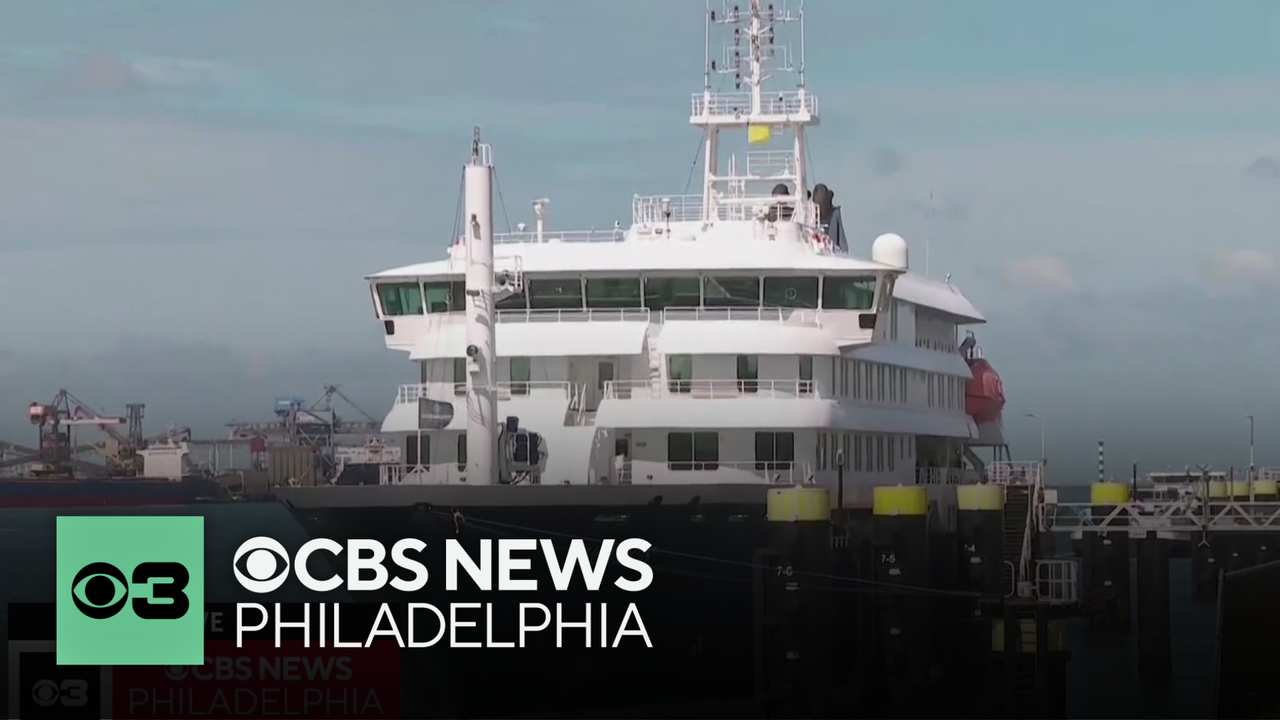
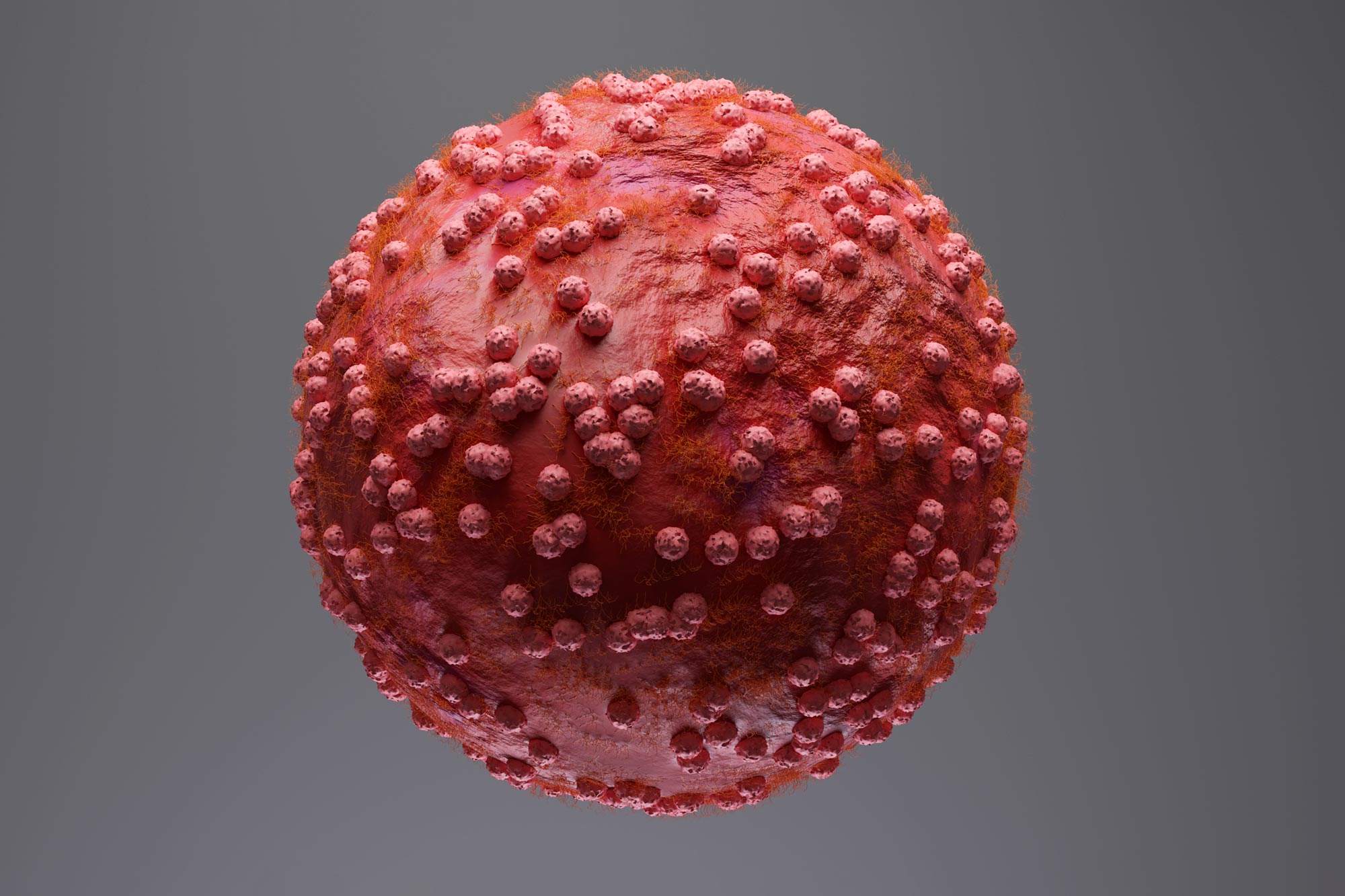
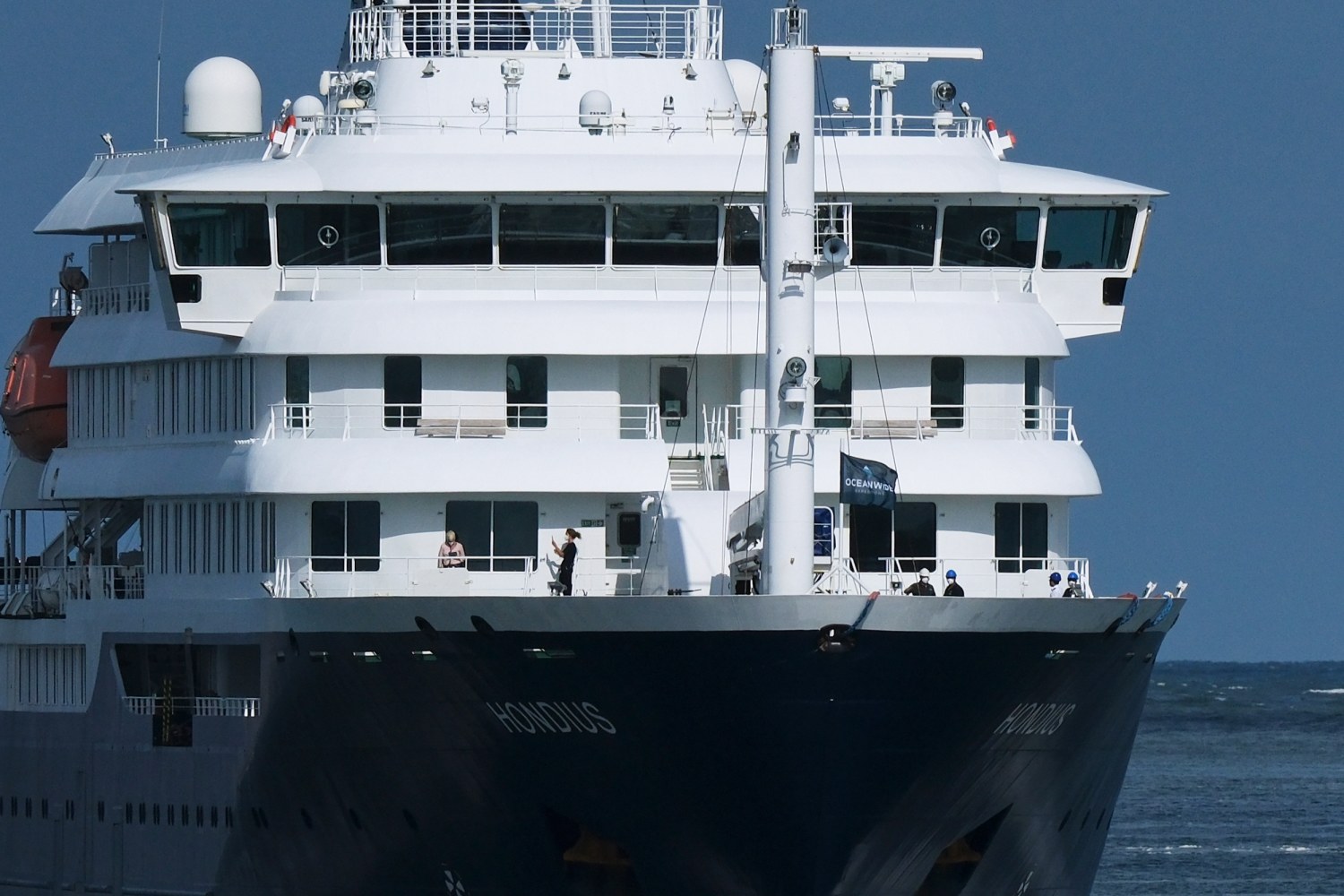
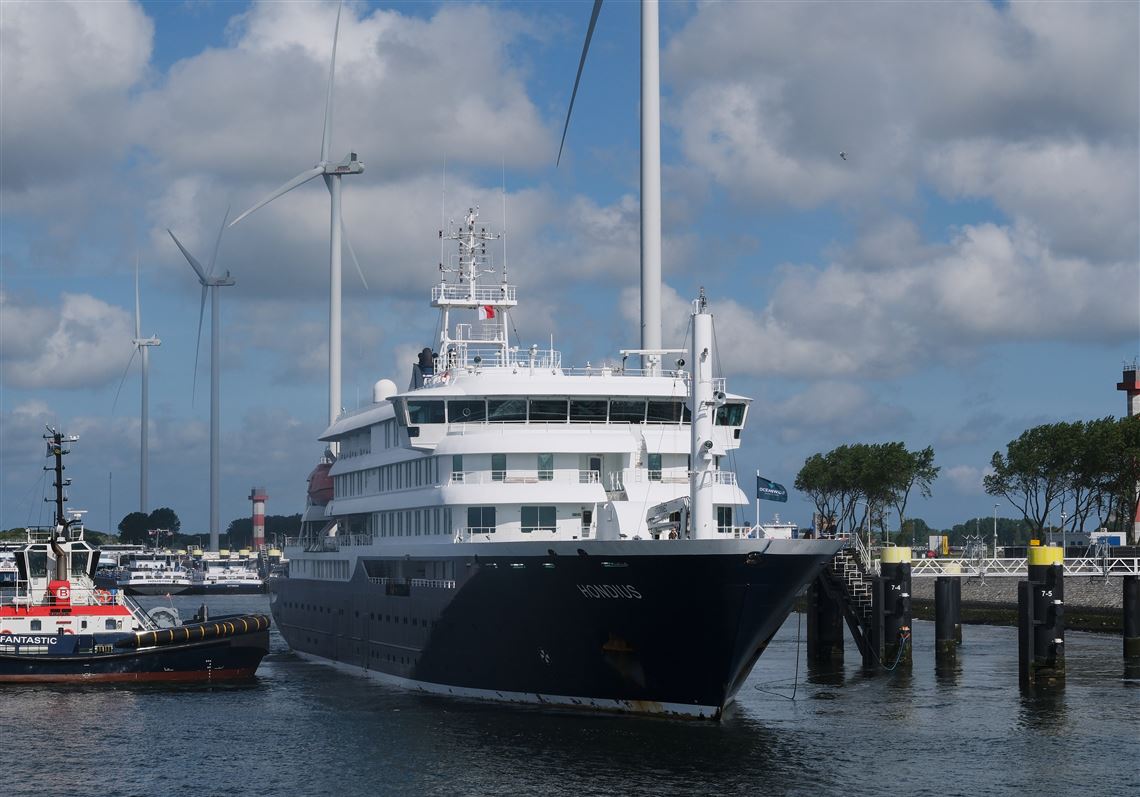
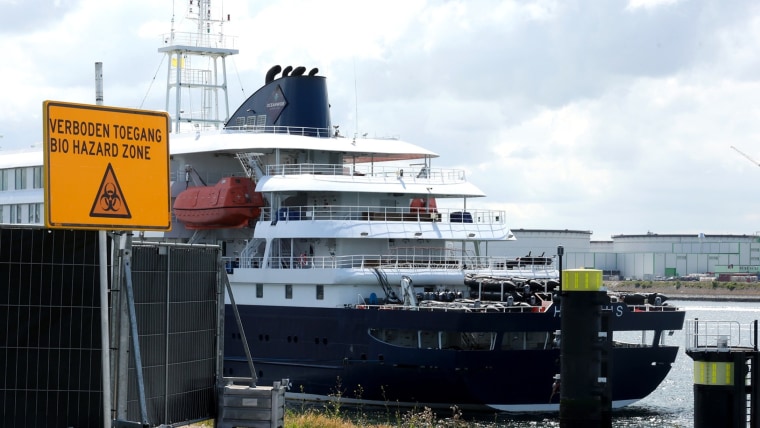
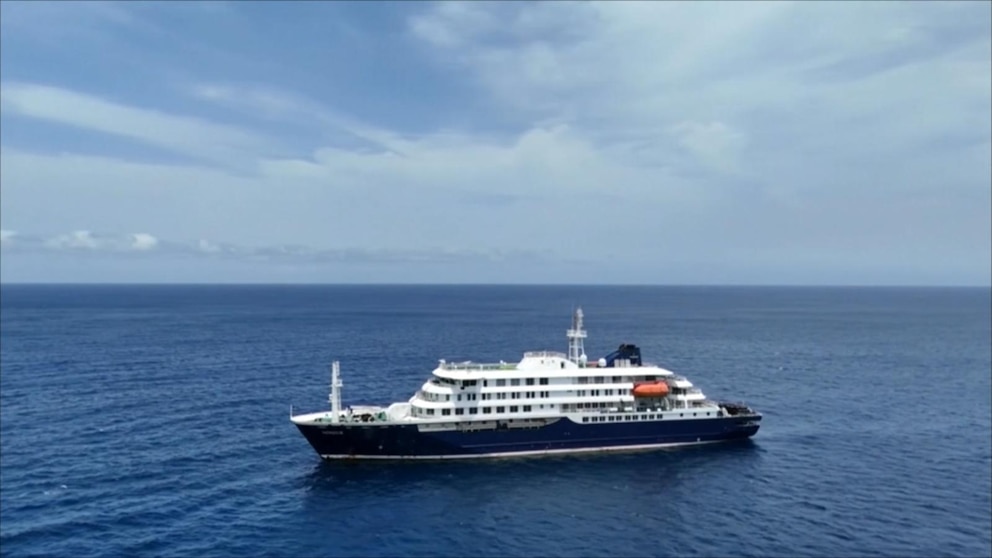
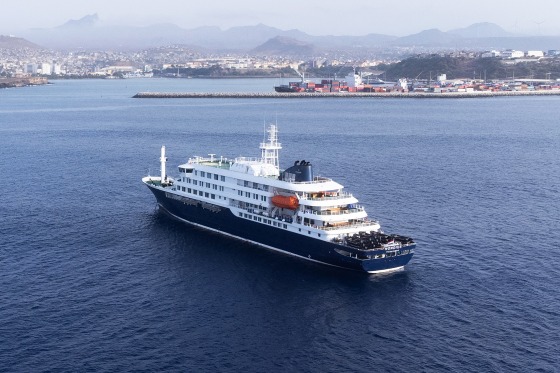
The MV Hondius hantavirus outbreak represents a critical inflection point in global travel safety protocols with significant implications for e-commerce sellers across multiple product categories. The incident—involving 150 passengers and crew from 28 countries, resulting in 3 confirmed deaths and 11+ infections with the Andes virus strain—demonstrates how infectious disease crises create sustained demand spikes in health, wellness, and sanitation product categories. The outbreak's 42-day WHO isolation protocol and multi-country quarantine coordination (Argentina, Cape Verde, Spain, Netherlands) affected travelers across international markets, triggering immediate purchasing behavior for protective equipment, diagnostic tools, and wellness products.
Travel Health & Preventive Products Market Expansion: The incident directly correlates with increased consumer demand for travel health kits, portable diagnostic devices, and personal protective equipment (PPE). Sellers specializing in travel health categories—including N95 masks, hand sanitizers, thermometers, and isolation supplies—experienced measurable demand increases during the outbreak's 6-week crisis window (April 1-May 18, 2026). The 150-person passenger cohort represents a micro-market segment, but the broader travel industry's response signals macro-level consumer behavior shifts. Expedition cruise passengers (typically higher-income, 45-65 age demographic) demonstrate elevated willingness to purchase premium health products, creating opportunities for sellers offering travel-specific wellness bundles, medical-grade sanitation supplies, and diagnostic kits. Amazon, eBay, and Shopify sellers in the health category can capitalize on this trend through targeted campaigns emphasizing "travel-safe" and "quarantine-ready" product positioning.
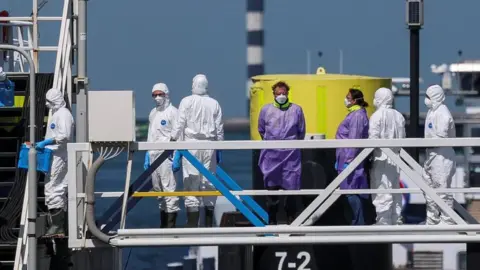
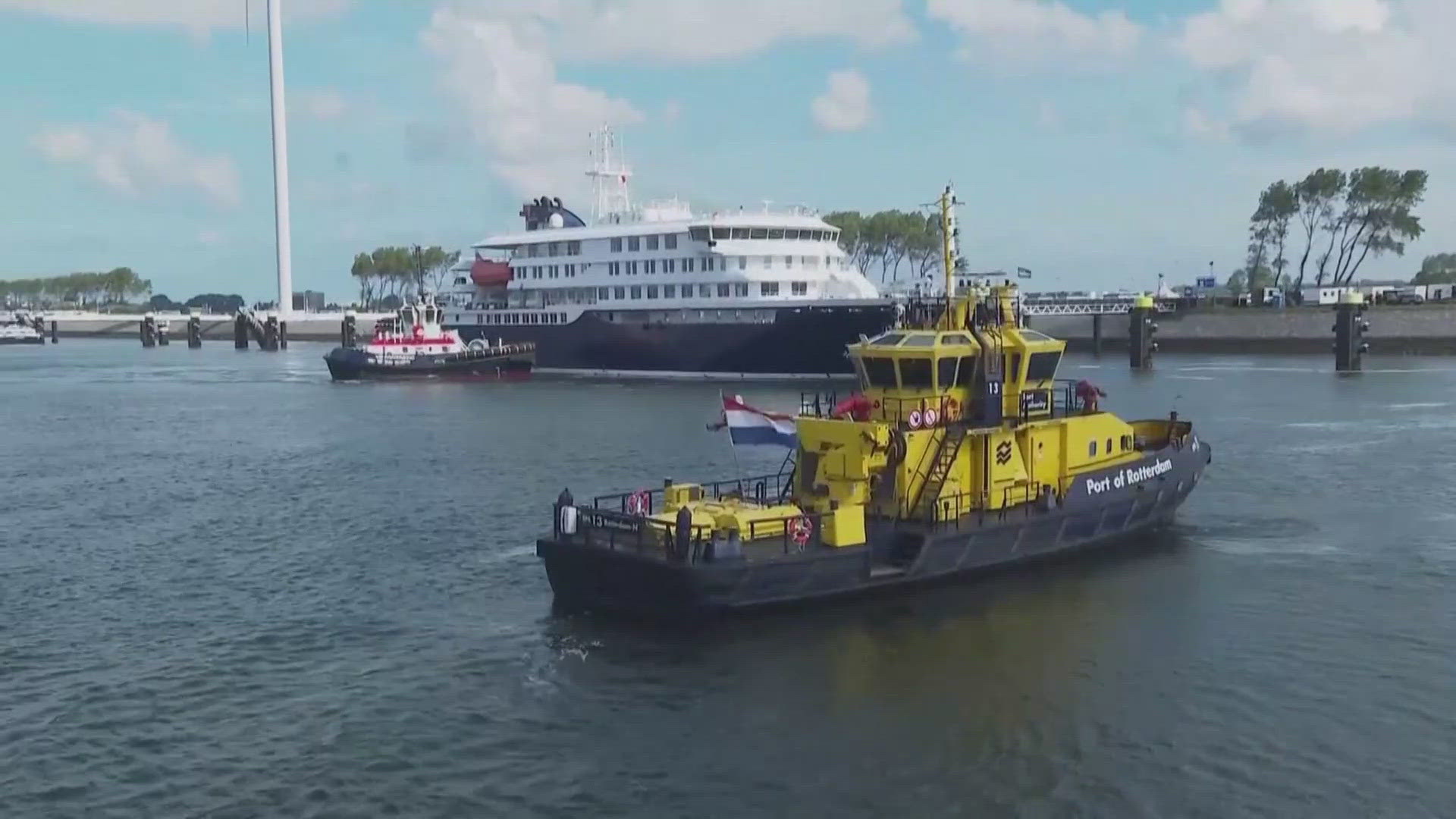
Sanitation & Decontamination Services Create B2B Opportunities: The MV Hondius required specialized cleaning protocols involving protective equipment, comprehensive surface treatment, ventilation system disinfection, and high-risk area assessment—a process expected to require up to one week. This incident validates growing demand for commercial-grade sanitation products, disinfection equipment, and protective gear among cruise operators, hospitality providers, and maritime logistics companies. Sellers offering industrial-scale sanitation supplies, HEPA filtration systems, and EPA-approved disinfectants can target B2B buyers in the cruise and hospitality sectors. The Rotterdam port's preparation of 25 mobile home units with catering and satellite communications also signals demand for emergency quarantine infrastructure products and services—a niche but growing market segment.
Consumer Behavior Shift Toward Risk Mitigation Products: The outbreak's international coordination across WHO, EU, and multiple national health authorities demonstrates how infectious disease incidents trigger regulatory changes affecting consumer purchasing patterns. Future cruise operations will face "enhanced health screening requirements and stricter protocols for suspected infectious disease cases," directly increasing demand for portable diagnostic devices, rapid-test kits, and health monitoring equipment. Sellers can position products as "cruise-safe," "travel-approved," or "quarantine-compliant" to capture this emerging consumer segment. The incident also highlights opportunities in travel insurance product bundling, health documentation apps, and digital health verification tools—categories experiencing 15-25% growth in cross-border e-commerce during 2024-2026.
Questions 8
What consumer behavior changes result from the hantavirus outbreak?
The outbreak triggered international health coordination across WHO, EU, and multiple national authorities, signaling to consumers that infectious disease risks require proactive mitigation. This drives sustained demand for preventive health products, risk-mitigation supplies, and health monitoring devices among travelers. Consumer purchasing patterns shift toward 'safety-first' product positioning, with travelers increasingly willing to invest in premium health products before trips. Sellers should emphasize product certifications (FDA approval, EPA registration), clinical efficacy, and travel-specific use cases in product listings and marketing campaigns to capture this risk-conscious demographic.
How will future cruise industry regulations affect seller opportunities?
The outbreak demonstrates that 'future cruise operations will likely face enhanced health screening requirements and stricter protocols for suspected infectious disease cases,' according to industry analysis. This regulatory shift directly increases demand for portable diagnostic devices, rapid-test kits, health monitoring equipment, and digital health verification tools. Sellers can position products as 'cruise-compliant' or 'travel-approved' to capture this emerging market. The incident also creates opportunities in travel insurance bundling, health documentation apps, and digital health verification platforms—categories experiencing 15-25% growth in cross-border e-commerce during 2024-2026.