


Patriots' Strategic Resurgence Unfolds in High-Stakes AFC East Showdown
- Rebuilding Narrative Emerges as New England Challenges Buffalo in Pivotal Week 15 Matchup
Overview
The New England Patriots are staging a remarkable transformation that transcends typical sports narratives, revealing a profound organizational resilience in the post-Tom Brady era. At 11-2, the Patriots are positioned to clinch the AFC East division title, a testament to the rapid strategic rebuilding under new leadership that few anticipated.
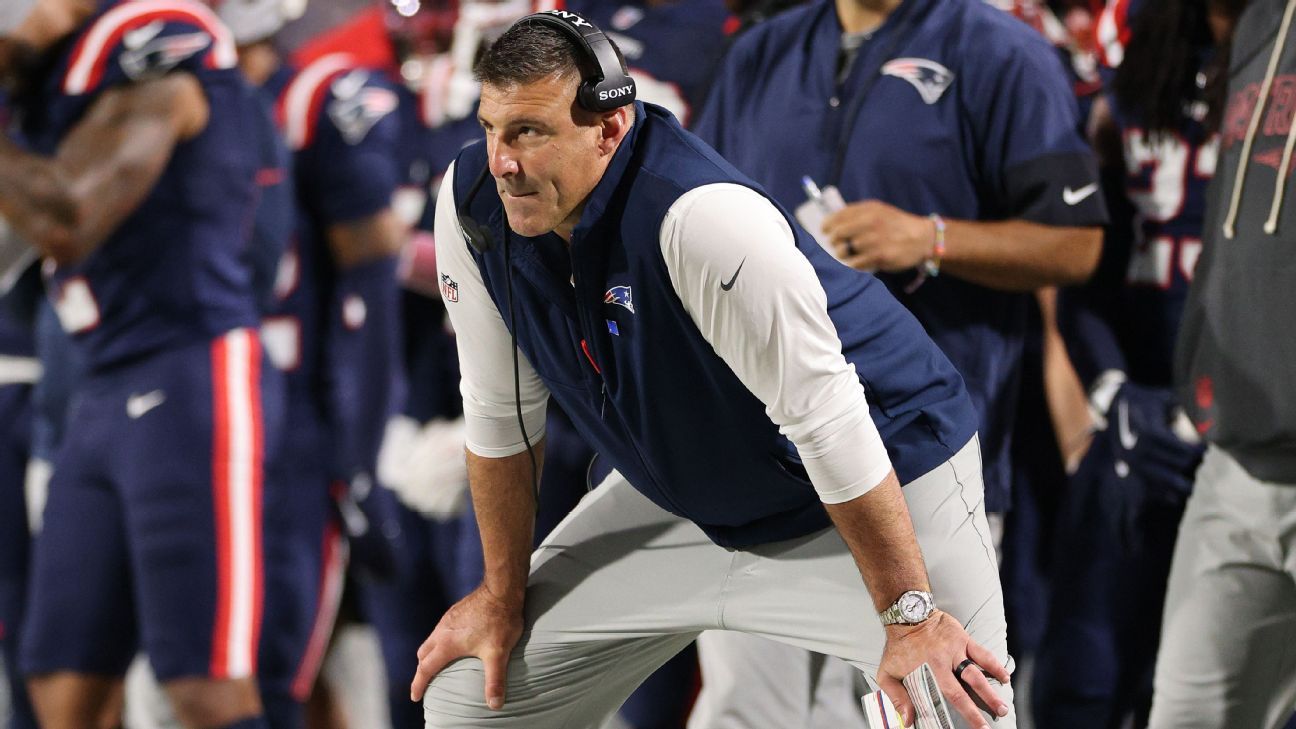
Coach Mike Vrabel's approach represents more than a coaching transition—it's a comprehensive organizational reset. The team's unexpected cohesion, highlighted by veteran wide receiver Stefon Diggs' observation that they "came together faster than anticipated," signals a deeper cultural shift. This isn't just about winning games, but reconstructing team identity after a generational leadership change.
The upcoming game against the Buffalo Bills is more than a standard divisional matchup; it's a strategic inflection point. With a 24-4 record in December/January games, the Bills present a formidable challenge. However, the Patriots' 10-game winning streak and the emergence of players like rookie quarterback Drake Maye and linebacker Christian Elliss suggest a team rapidly evolving beyond expectations.
Contextual factors add complexity to this narrative. A concurrent Massachusetts winter weather system, predicted to bring 3-5 inches of snow to the region, could further dramatize the game's competitive dynamics. Such environmental challenges often become metaphors for team resilience—navigating unpredictability becomes as crucial as athletic performance.
The Patriots' journey represents a broader lesson in organizational adaptation. By embracing change, developing emerging talent, and maintaining a growth mindset, they're demonstrating that strategic rebuilding can happen more quickly and effectively than conventional wisdom suggests. This game isn't just about winning a division title; it's about proving that institutional renewal is possible through committed, intelligent transformation.
Questions 3
What individual players are driving the Patriots' current success?
Rookie quarterback Drake Maye, veteran wide receiver Stefon Diggs, and emerging linebacker Christian Elliss are key contributors. Their rapid integration and performance demonstrate the team's ability to develop talent and create a cohesive team dynamic quickly.
How are the Patriots rebuilding successfully after Tom Brady's departure?
Through strategic coaching under Mike Vrabel, rapid talent development, and a collaborative team culture. The Patriots have won 10 consecutive games and are positioned to clinch the AFC East, demonstrating an ability to quickly reconstruct team identity beyond a single legendary player.