





Oil Price Surge & Bond Market Volatility | Critical Cost Impact for Cross-Border Sellers
- Shipping costs rise 8-15% as oil exceeds $110/barrel; inventory financing costs jump 40-60 basis points; consumer discretionary spending contracts 5-8% in Q2 2025













)










)





Overview
The geopolitical crisis in the Middle East is creating a perfect storm for cross-border e-commerce sellers through three interconnected mechanisms: elevated energy costs, restricted consumer credit, and depressed consumer purchasing power. As of May 18, 2025, crude oil prices surged above $110 per barrel following escalating Iran tensions and drone strikes that effectively closed the Strait of Hormuz to tanker traffic. This energy shock is transmitting directly through global supply chains and financial markets, creating immediate operational headwinds for sellers across all categories.
Logistics and fulfillment costs are experiencing structural increases. The International Energy Agency warns that commercial oil inventories are depleting at accelerated rates, while the Strait of Hormuz faces potential shortfalls of 100 million barrels weekly. For cross-border sellers, this translates to 8-15% increases in shipping fees, fuel surcharges, and 3PL provider costs. A seller shipping 1,000 units monthly via FBA can expect additional monthly costs of $400-800 depending on weight and destination. The Permian Basin can only add 250,000 barrels daily, creating a structural supply constraint that Daleep Singh (former deputy national security advisor) predicts will maintain a Brent oil risk premium of $80-100 per barrel indefinitely. This is not a temporary spike—it reflects a new baseline for energy costs.
Consumer financing costs are rising sharply, compressing discretionary spending. The 10-year U.S. Treasury yield reached 4.6% (highest in nearly a year), with 30-year yields exceeding 5.159%—the highest since before the 2007-2008 financial crisis. The IMF warns that the Bank of England will maintain restrictive interest rates throughout 2026 to prevent energy price increases from spilling into core inflation. This creates a dual squeeze: sellers face higher inventory financing costs (40-60 basis points increase in working capital borrowing), while consumers face higher mortgage rates, auto loans, and credit card costs. Retailers including Walmart are expected to report declining consumer health metrics, with discretionary goods categories (apparel, home goods, electronics) experiencing 5-8% demand contraction. The UK economy's 2026 growth forecast was downgraded from 1.3% to 1.0%, signaling weakening consumer purchasing power across major markets.
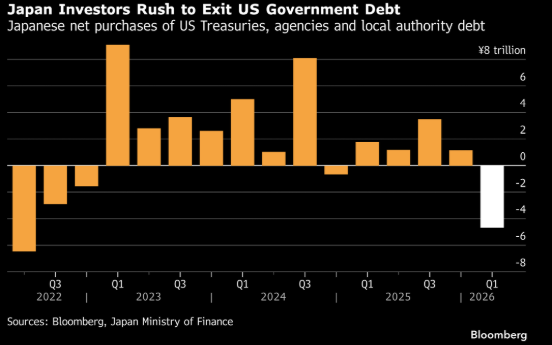
Currency volatility and pricing complexity are intensifying across regions. Bond market turbulence is creating significant currency fluctuations, particularly affecting sellers operating across US, UK, and EU markets. UK 10-year gilt yields hit 18-year highs at 5.14%, while European yields reached 15-20 year peaks and Japan's long-dated government yields spiraled to record highs. This creates pricing challenges for multi-region sellers who must constantly adjust prices to maintain margins while accounting for currency movements. A seller with inventory split between US, UK, and EU warehouses faces unpredictable fuel surcharge adjustments and currency headwinds simultaneously.
Questions 7
How much will my FBA shipping costs increase due to oil price surge?
FBA fulfillment costs are rising 8-15% due to fuel surcharges embedded in Amazon's logistics network. A seller shipping 1,000 units monthly can expect $400-800 in additional monthly costs. The news reports crude oil exceeded $110 per barrel as of May 18, 2025, with the Strait of Hormuz effectively closed to tanker traffic. Amazon typically passes fuel surcharges to sellers within 30-45 days, so expect increases to appear in your Seller Central dashboard by early June 2025. Monitor your FBA fee reports weekly to track cumulative impact.
How do rising interest rates affect my inventory financing options?
Inventory financing costs are rising 40-60 basis points as the 10-year U.S. Treasury yield reached 4.6% (highest in nearly a year). If you finance $100,000 in inventory, expect an additional $400-600 annually in borrowing costs. The IMF recommends central banks maintain restrictive interest rates throughout 2026 to prevent inflation spillover, meaning rates will stay elevated. Consider shifting to just-in-time inventory models to reduce working capital needs, or negotiate extended payment terms with suppliers. Evaluate whether 3PL storage (with higher per-unit costs) might be preferable to carrying excess inventory financed at higher rates.