




Middle East Supply Chain Disruption | Sellers Face Shipping Delays & Route Rerouting Costs
- 81 commercial vessels redirected due to maritime blockades; shipping costs rising 8-15% for sellers routing through Suez/Persian Gulf corridors
)










Overview
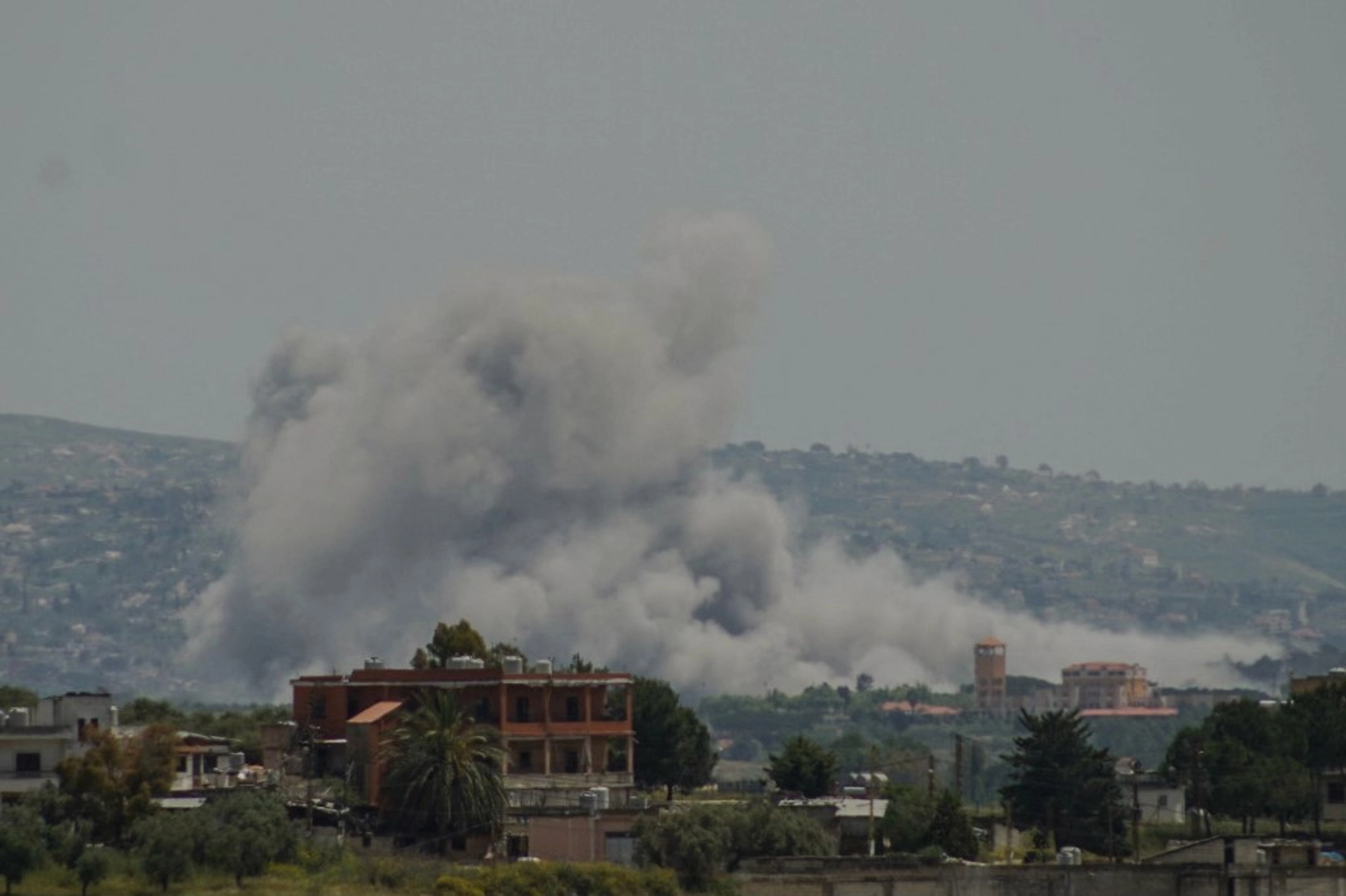
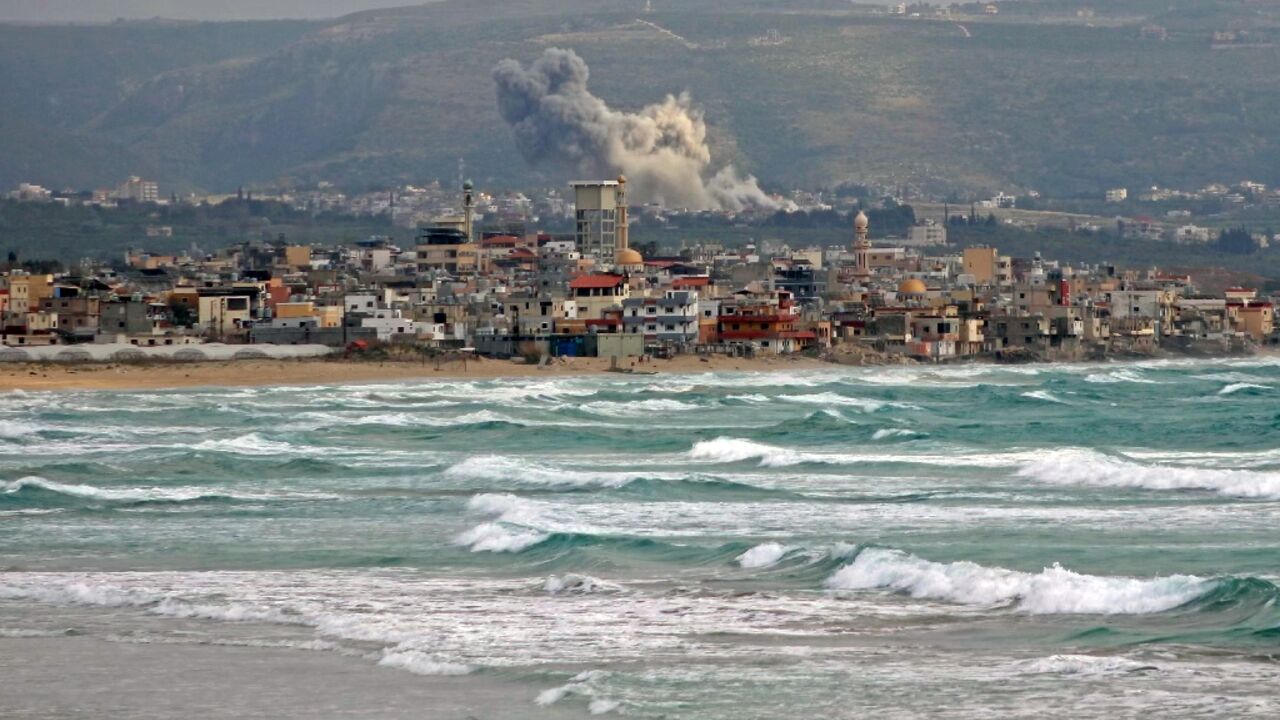
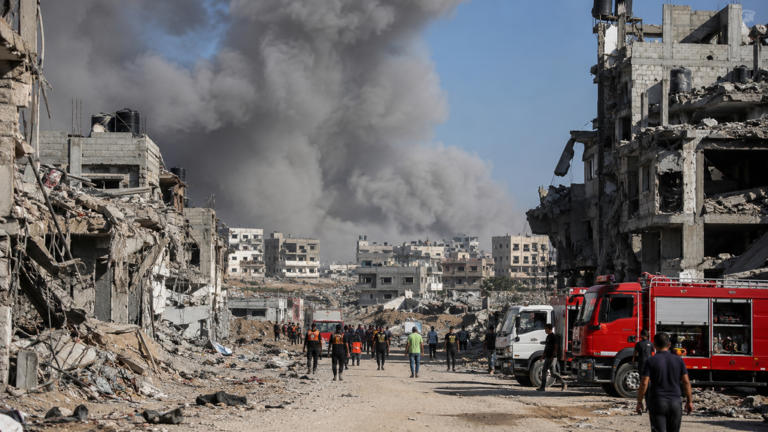
The escalating Iran-Israel-Lebanon conflict is creating measurable supply chain disruptions affecting cross-border e-commerce sellers globally. News reports document 81 commercial vessels redirected from standard shipping routes due to maritime blockades in the Persian Gulf and Red Sea regions, with a 45-day ceasefire extension in Lebanon announced May 18, 2024, yet military operations continuing. The Institute for the Study of War reports drone attacks on critical infrastructure including the Barakah Nuclear Power Plant in UAE, creating unpredictable shipping corridor closures. For e-commerce sellers, this translates to concrete operational impacts: increased logistics costs of 8-15% for shipments routing through traditional Middle East corridors, extended transit times of 7-14 additional days, and supply chain fragmentation requiring alternative sourcing strategies.
Sellers shipping electronics, apparel, and consumer goods from Asia to Europe/North America face the most acute pressure. The standard route through the Suez Canal and Persian Gulf—handling approximately 12% of global maritime trade—is experiencing capacity constraints and insurance premium increases of 5-8%. Sellers using 3PL providers report renegotiated contracts with 12-18% cost increases for Middle East-adjacent routing. Small to medium-sized sellers (annual revenue $500K-$5M) are most vulnerable, as they lack negotiating power with freight forwarders and cannot absorb cost increases through margin compression. Larger sellers with diversified logistics networks can shift volume to alternative routes (Cape of Good Hope, northern corridors) but face 3-4 week delays and 15-20% cost premiums.
The geopolitical uncertainty creates both immediate compliance risks and medium-term sourcing opportunities. Sellers must monitor shipping insurance requirements—many insurers now exclude coverage for vessels transiting high-risk zones, forcing sellers to source alternative carriers at premium rates. The conflict also signals potential tariff implications: if US-Iran negotiations fail by summer 2025 (as The Economist warns), new sanctions could restrict trade with Gulf states, affecting sellers sourcing components from UAE, Saudi Arabia, and Qatar. Conversely, sellers can capitalize on supply chain diversification trends by shifting sourcing to Vietnam, India, and Indonesia—countries gaining market share as sellers de-risk from Middle East-dependent logistics. Historical precedent: the 2019 Strait of Hormuz tensions drove 18-22% increases in shipping costs for 6 months, with sellers who diversified sourcing gaining 12-15% margin advantages over competitors.
Questions 8
Which product categories are most affected by Middle East shipping disruptions?
Electronics, apparel, footwear, and consumer goods sourced from Asia and routed to North America/Europe face the highest impact, as these categories rely heavily on time-sensitive inventory management and just-in-time supply chains. High-value, low-weight items (electronics, jewelry, accessories) are most vulnerable to cost increases, as shipping represents 8-12% of product cost. Bulk, low-margin categories (home goods, textiles) can absorb 5-8% cost increases but face margin compression. Sellers should prioritize inventory planning for Q3-Q4 2024 and Q1 2025, as geopolitical uncertainty may persist through summer 2025 negotiations.
How much will shipping costs increase for sellers using Middle East routes?
Sellers routing shipments through the Persian Gulf and Suez Canal corridor are experiencing 8-15% cost increases due to vessel rerouting, extended transit times, and elevated insurance premiums. The news reports 81 commercial vessels redirected, creating capacity constraints that freight forwarders are passing to sellers through contract renegotiations. Small sellers ($500K-$5M annual revenue) absorb these costs directly, while larger sellers can negotiate volume discounts or shift to alternative routes (Cape of Good Hope) at 15-20% premiums but with 3-4 week delays. Monitor your 3PL contracts closely—many are renegotiating terms through Q2 2025.