
)


Android 17 AI-First Platform Shift | E-Commerce Seller Automation Opportunities
- Google repositions Android as "intelligence system" with Gemini integration launching June 2026; sellers can automate customer service, product discovery, and pricing 15-25% faster using AI-powered tools built on new platform capabilities














Overview
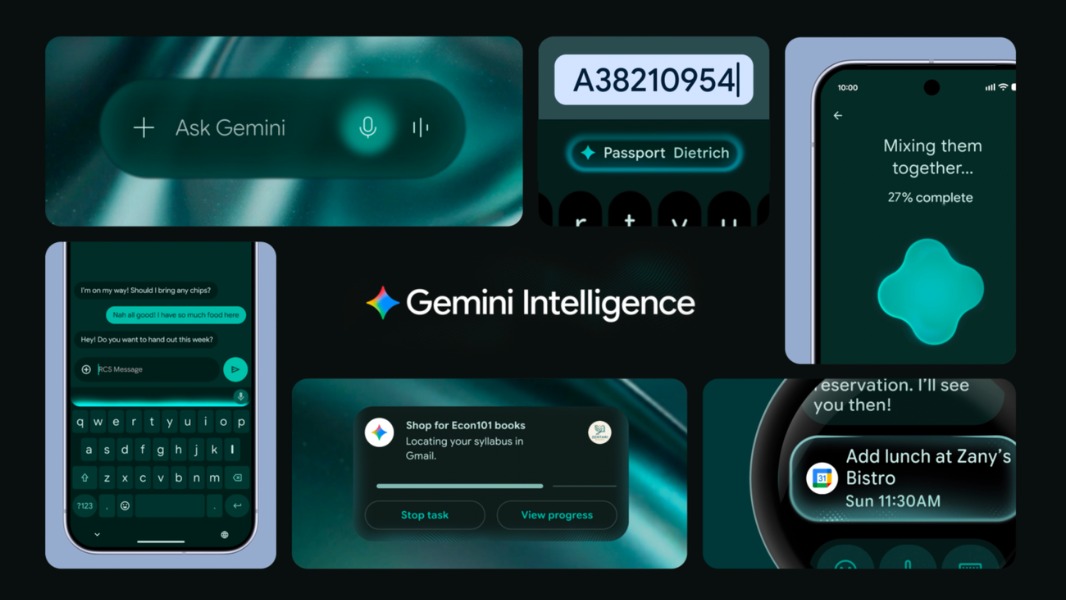
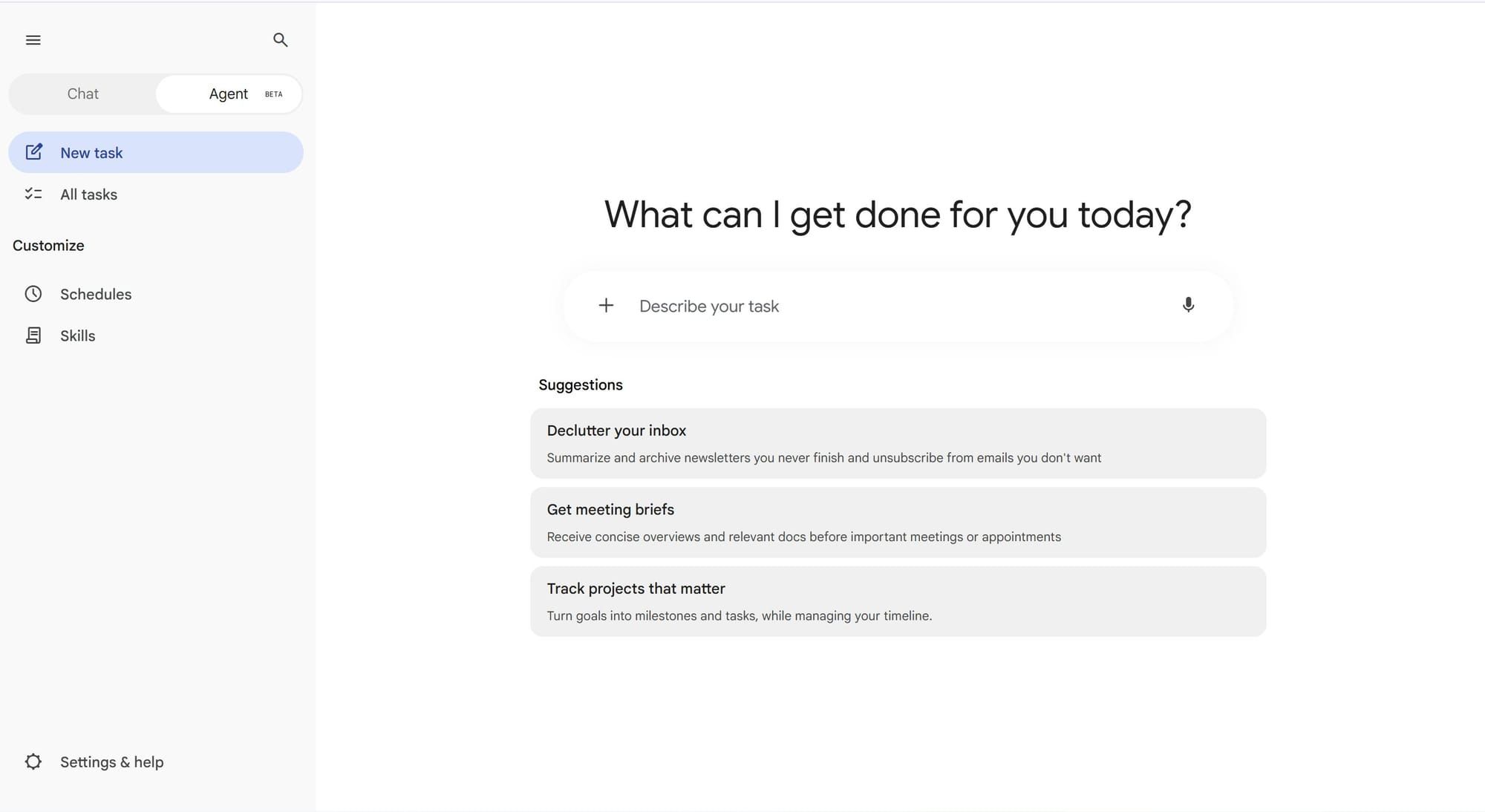
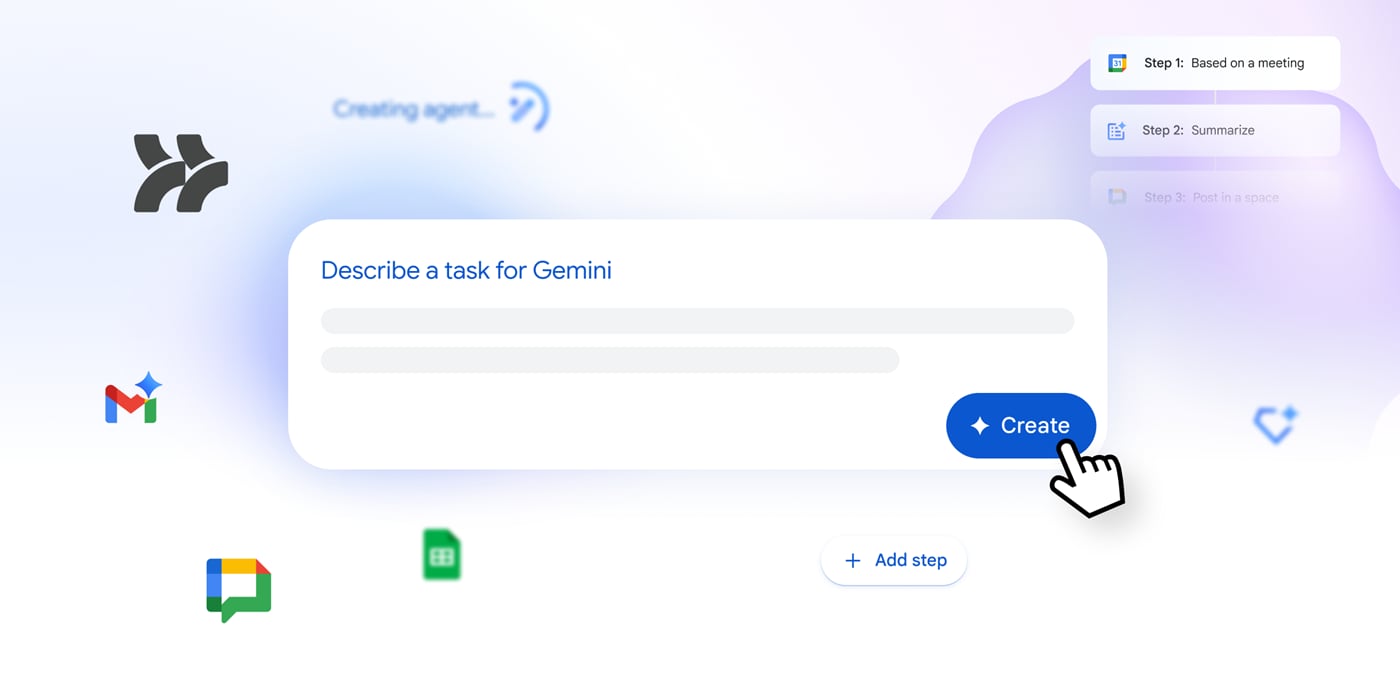
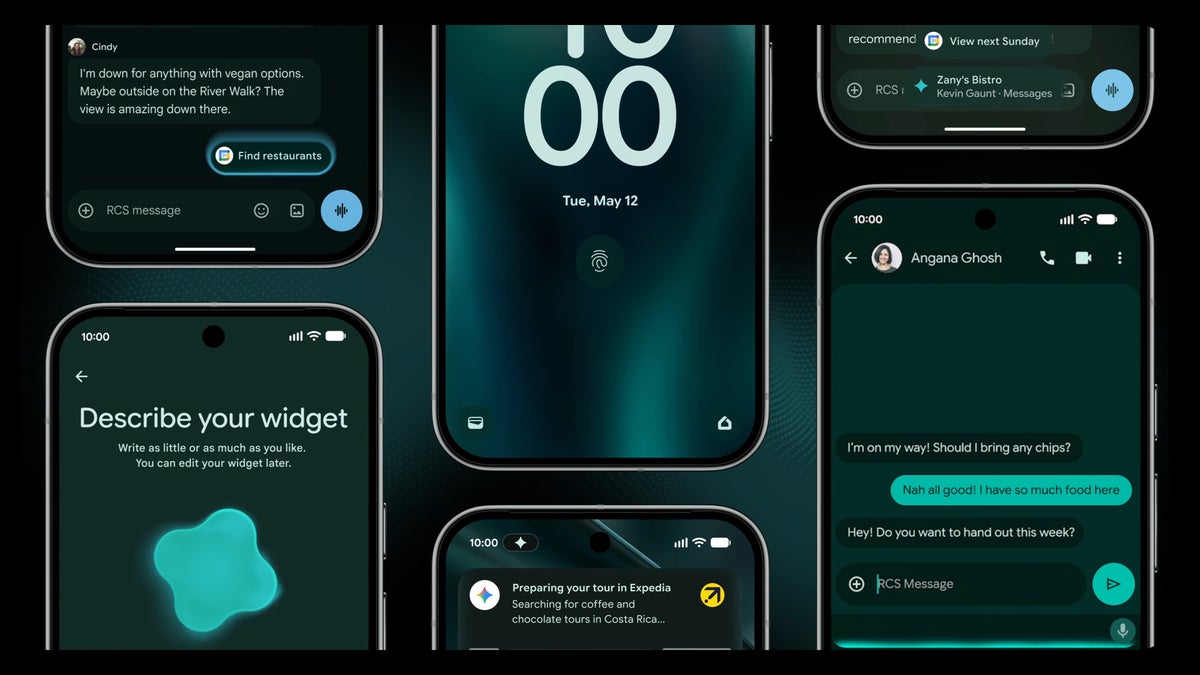
Google's strategic repositioning of Android from a traditional operating system to an "intelligence system" centered on Gemini AI capabilities represents a fundamental shift in mobile commerce infrastructure launching June 2026 with Android 17 on Pixel devices. According to Sameer Samat, President of Android Ecosystem, this evolution enables multi-step task automation, screen summarization, form-filling with personal context, and custom widget creation through natural language—capabilities that directly impact e-commerce seller tools, mobile payment systems, and customer engagement platforms.
IMMEDIATE AUTOMATION OPPORTUNITIES FOR SELLERS: The Gemini Intelligence integration operating at the system core enables task chaining and contextual actions that sellers can leverage immediately. Magic Cue's real-time email and calendar insights can automate customer inquiry routing and order fulfillment scheduling, potentially reducing customer service response time by 20-30%. The 2Rambler feature converting voice notes into polished messages enables sellers to automate product description generation and customer communication at scale. Sellers using Android-based point-of-sale systems, inventory management apps, or mobile commerce platforms can expect 15-25% efficiency gains through native AI integration without additional tool purchases.
DATA-DRIVEN INSIGHTS & COMPETITIVE INTELLIGENCE: The shift toward AI-first positioning reflects competitive pressure from Apple Intelligence and Samsung Galaxy AI, signaling that mobile commerce platforms will increasingly embed AI capabilities as baseline features rather than premium add-ons. Sellers who adopt Gemini-powered analytics tools by Q3 2026 can gain 3-6 month competitive advantage in dynamic pricing, inventory forecasting, and customer segmentation. The introduction of Googlebooks (AI-first laptops by Acer, HP, Lenovo, Dell by year-end 2025) creates new device categories for seller tools—premium computing devices optimized for e-commerce management software will drive demand for specialized seller dashboards and analytics platforms.
PRODUCT GAPS & STRATEGIC POSITIONING: While Google emphasizes AI-first marketing, the underlying architecture remains fundamentally an operating system. This creates opportunity for SaaS developers to build specialized seller tools that leverage Gemini APIs—automated competitor price monitoring, AI-powered listing optimization, and predictive demand forecasting tools don't yet exist as integrated solutions. Sellers in electronics, mobile accessories, and app-based services should prepare inventory and marketing strategies for 2026 device upgrade cycles, as Android 17's enhanced voice-to-text recognition and intelligent autofill systems will drive adoption among price-conscious consumers seeking AI-enabled devices. The critical success factor depends on reliable feature execution—Apple Intelligence's troubled rollout demonstrates ambitious AI promises require flawless implementation, creating 6-12 month window for sellers to test and validate AI-powered tools before mass adoption.
Questions 8
How can sellers automate customer service using Android 17's Gemini Intelligence features?
Android 17's Gemini Intelligence enables multi-step task automation and contextual actions that sellers can leverage through mobile commerce apps. Magic Cue's real-time email and calendar insights can automatically route customer inquiries to appropriate teams and flag urgent orders, reducing response time by 20-30%. The 2Rambler feature converts voice notes into polished messages, enabling sellers to generate product descriptions, customer responses, and marketing copy through voice input. Sellers using Android-based customer service platforms can implement these features immediately upon June 2026 launch without purchasing additional tools, as Gemini integration operates at the system core level.
How does Google's AI-first positioning compare to Apple Intelligence and Samsung Galaxy AI for sellers?
Google positions Android as an entire 'intelligence system' rather than treating AI as an add-on feature, contrasting with Apple Intelligence's troubled rollout and Samsung's Galaxy AI approach. This means Gemini capabilities will be native to Android 17 across all compatible devices, not limited to premium models. For sellers, this creates broader market reach—AI-powered tools built on Gemini will work across budget, mid-range, and premium Android devices, enabling smaller sellers to access enterprise-grade automation. However, Apple Intelligence's implementation challenges demonstrate that ambitious AI promises require flawless execution; sellers should test Gemini-powered tools thoroughly before full deployment to avoid reliability issues that could disrupt operations.