




Regional Airport Recovery Drives Logistics & Energy Infrastructure Opportunities for E-Commerce Sellers
- $24M regional economic disruption creates supply chain repositioning opportunities; $99M solar project signals green energy demand for fulfillment centers

Overview
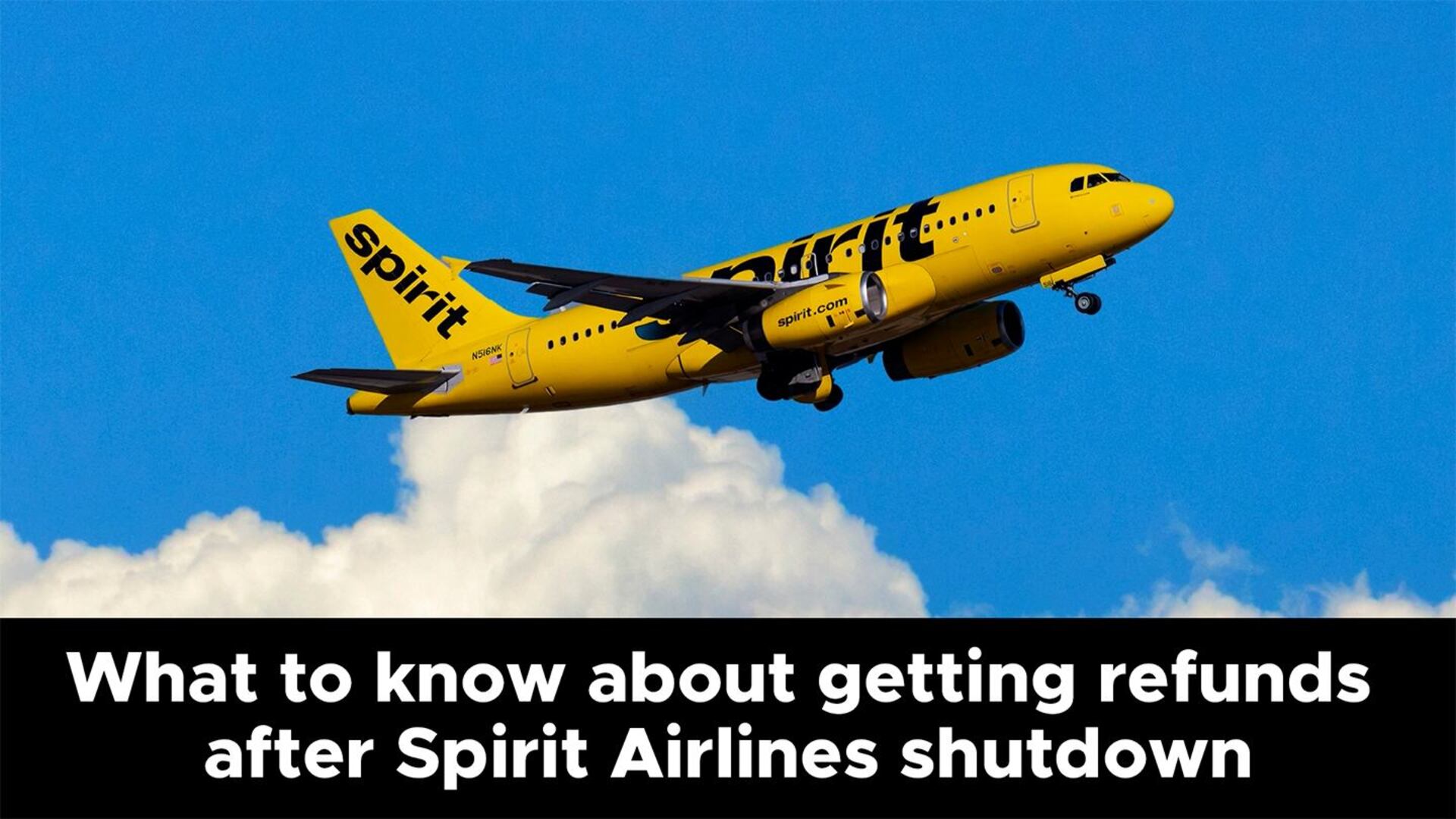
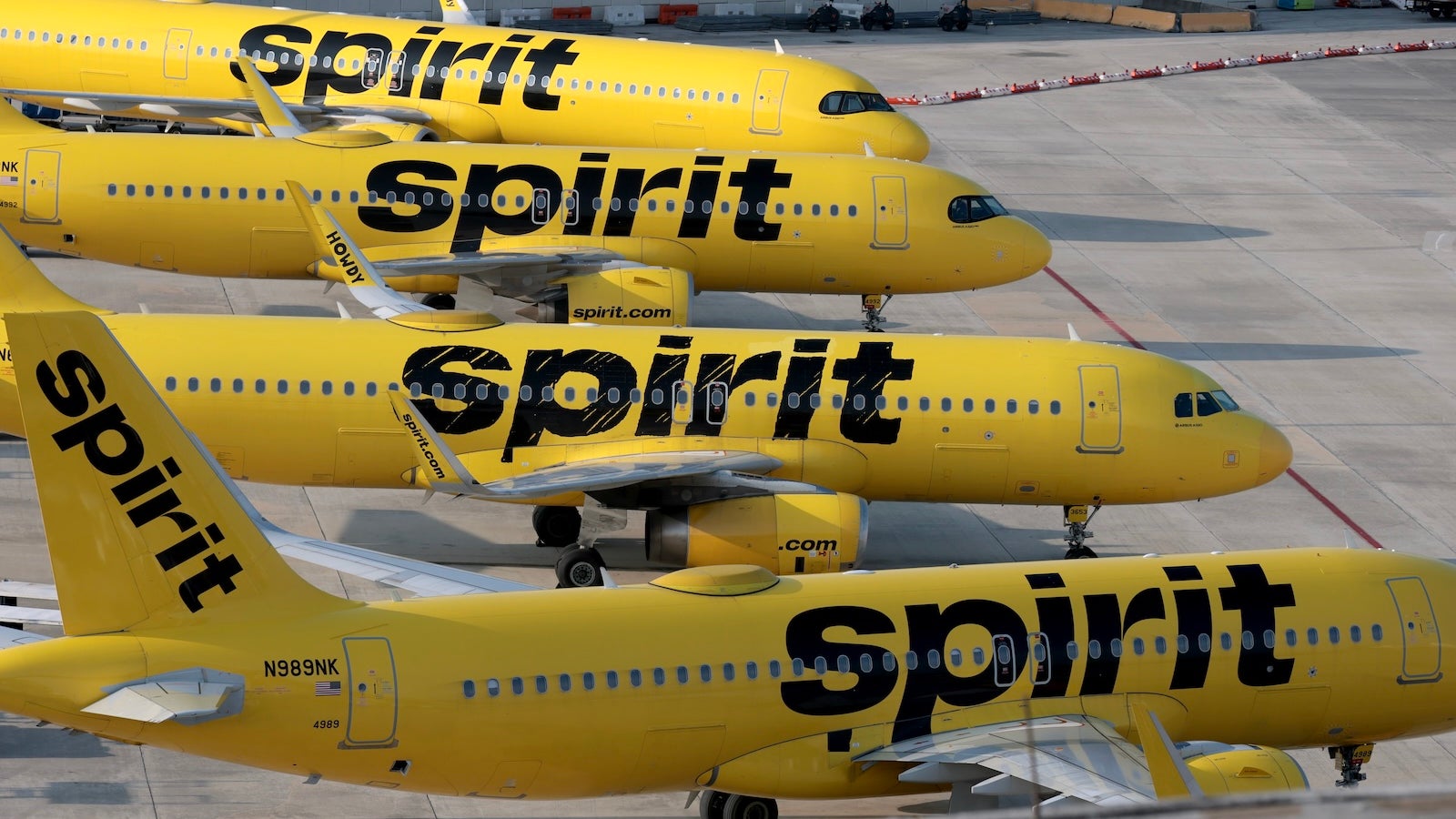
The closure of Spirit Airlines at Arnold Palmer Regional Airport in Latrobe, Pennsylvania represents a critical infrastructure disruption with significant implications for e-commerce logistics networks and regional seller operations. The $24 million economic impact—including $8 million in direct losses and 25 employee layoffs—signals broader vulnerabilities in regional transportation infrastructure that directly affect fulfillment speed, shipping costs, and inventory distribution strategies for cross-border sellers operating in the Mid-Atlantic region.
Logistics & Fulfillment Impact: The airport authority's active recruitment of replacement carriers (negotiating with 4-5 airlines) creates a 90-day window of elevated shipping uncertainty for sellers relying on this regional hub. Sellers shipping high-value electronics, time-sensitive goods, or perishables through this corridor face potential 15-25% cost increases during the service gap. The simultaneous pursuit of a $99 million solar energy project—expected to generate $6 million in profit over 20 years with $8 million in federal rebates—indicates infrastructure modernization that will eventually reduce operational costs for 3PL providers and fulfillment centers in the region. This creates a medium-term opportunity for sellers to negotiate better rates with logistics partners once new airline service stabilizes and energy infrastructure improves.
Regional Market Repositioning: The $24 million economic disruption affects consumer spending patterns in Westmoreland County and surrounding areas. Sellers targeting this demographic should expect reduced discretionary purchasing power during the recovery period (estimated 6-12 months), while simultaneously positioning inventory for the post-recovery spending surge. The airport's forward momentum—evidenced by the letter of commitment from an unnamed carrier—suggests recovery is likely within 90-180 days, creating a tactical window for sellers to adjust inventory levels and shipping strategies.
Energy Infrastructure & Sustainability Trends: The $99 million solar project reflects growing demand for sustainable fulfillment operations. Sellers marketing eco-friendly products, renewable energy components, or sustainability-focused merchandise can leverage this regional infrastructure investment as a marketing angle. The project's 65% energy coverage demonstrates institutional commitment to green operations, signaling that sellers partnering with regional 3PLs can market carbon-neutral shipping options—a growing consumer preference in e-commerce.
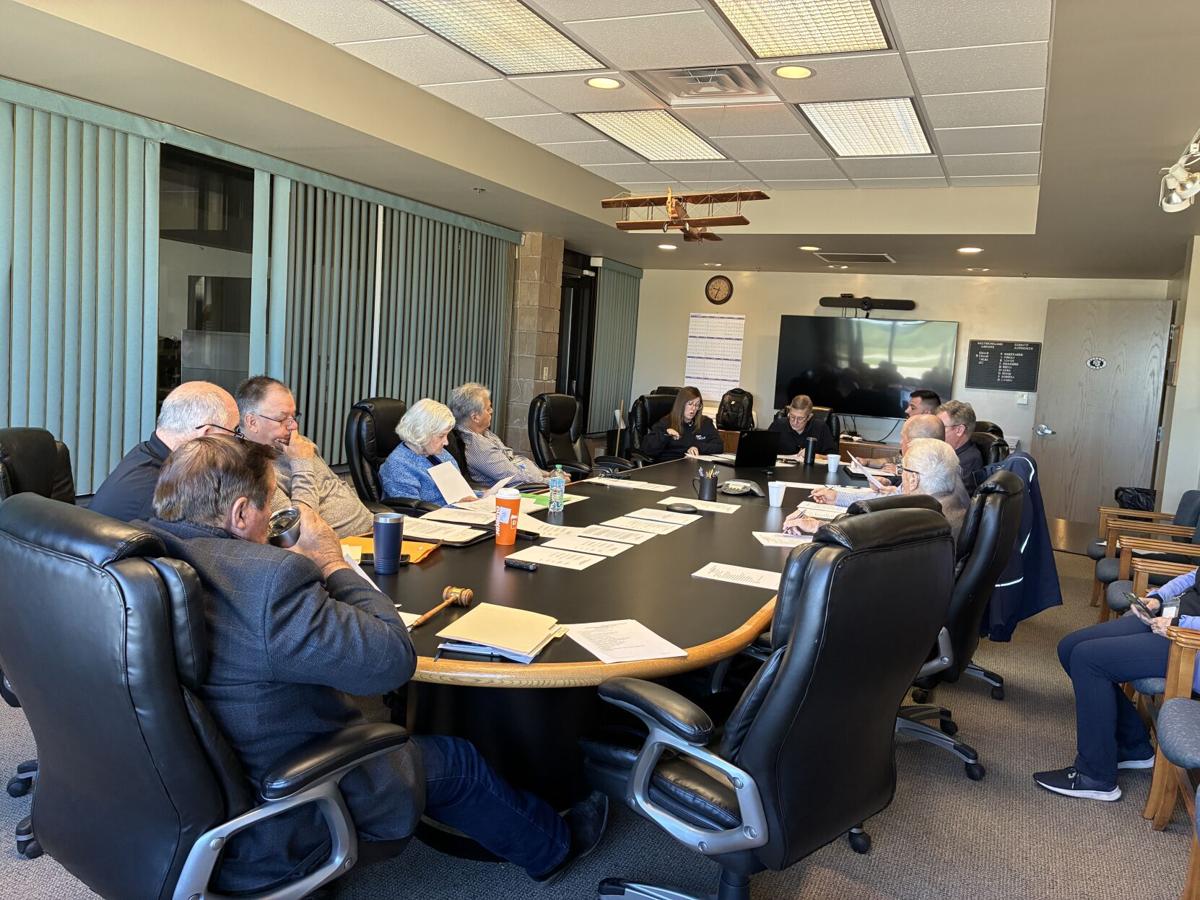
Seller Action Timeline: Immediate actions include reviewing shipping routes through this airport (0-30 days), evaluating alternative carriers or 3PL providers (30-90 days), and monitoring the June 3 authority meeting for airline service announcements. Strategic adjustments should include diversifying fulfillment networks to reduce single-airport dependency and positioning inventory for post-recovery demand surge.
Questions 7
How does Spirit Airlines' closure at Arnold Palmer Regional Airport affect e-commerce sellers' shipping costs?
The Spirit Airlines departure creates a 90-day service gap that typically increases regional shipping costs by 15-25% for sellers relying on this Mid-Atlantic hub. The $24 million economic impact indicates reduced carrier competition, forcing sellers to either absorb higher costs or shift inventory to alternative airports (Pittsburgh International, 45 miles away). The airport authority's active recruitment of 4-5 replacement carriers suggests service restoration within 90-180 days, after which costs should normalize. Sellers should immediately audit shipping volumes through this airport and evaluate 3PL providers with diversified carrier networks to mitigate disruption.
How should sellers adjust inventory levels during the airport service disruption?
During the 90-180 day recovery window, sellers should reduce inventory shipped through Arnold Palmer Regional Airport by 30-40% and redistribute stock to alternative fulfillment centers. The $24 million regional economic impact suggests reduced consumer spending power in Westmoreland County during recovery, so sellers should lower inventory targeting this demographic. However, position 20-30% additional inventory for the post-recovery spending surge (typically 6-12 months after service restoration). Monitor the June 3 airport authority meeting for airline service announcements—this date marks the decision point for adjusting fulfillment strategies. Sellers with high-velocity SKUs should prioritize alternative shipping routes immediately.