
!role~Preview!mt~photo!fmt~JPEG%20Baseline)



Strait of Hormuz Crisis Triggers 1.2% Oil Spike | Cross-Border Seller Shipping Costs Rise
- Brent crude jumps to $110.55/barrel amid Iran tensions; FedEx/UPS fuel surcharges expected to increase 8-15% for sellers shipping internationally within 30 days





























Overview
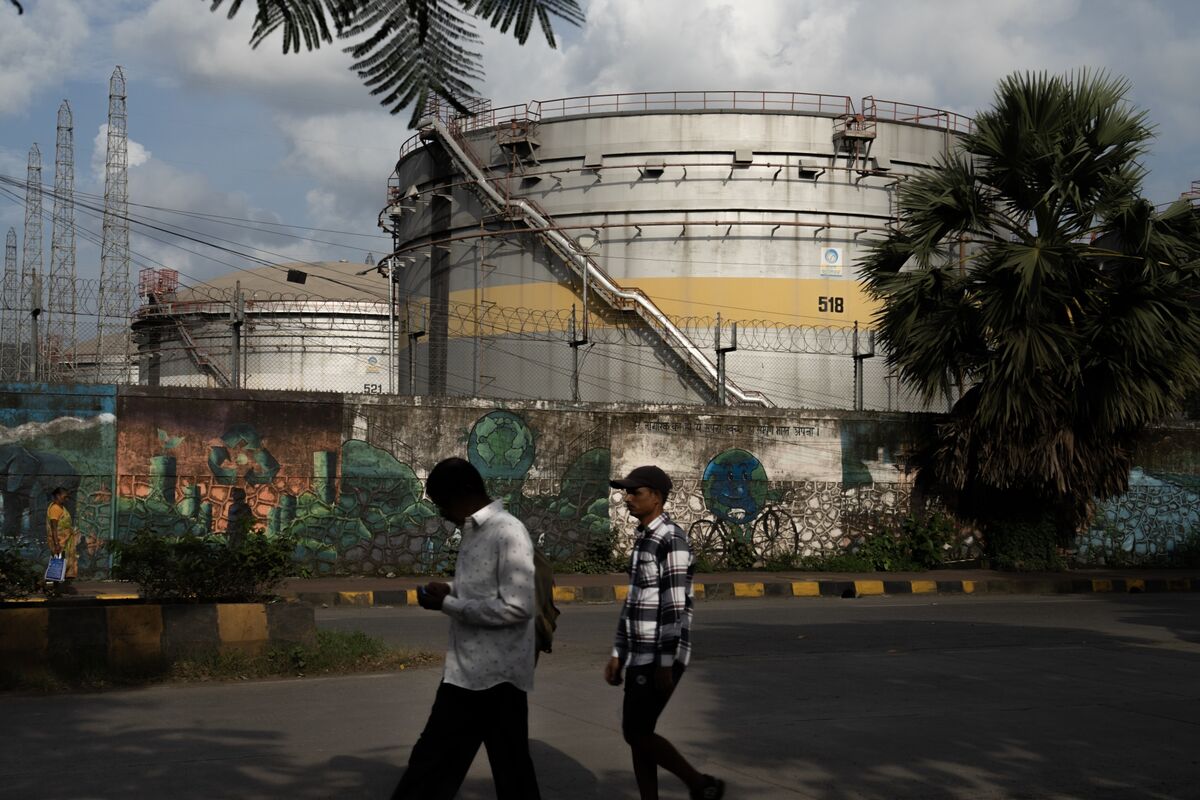
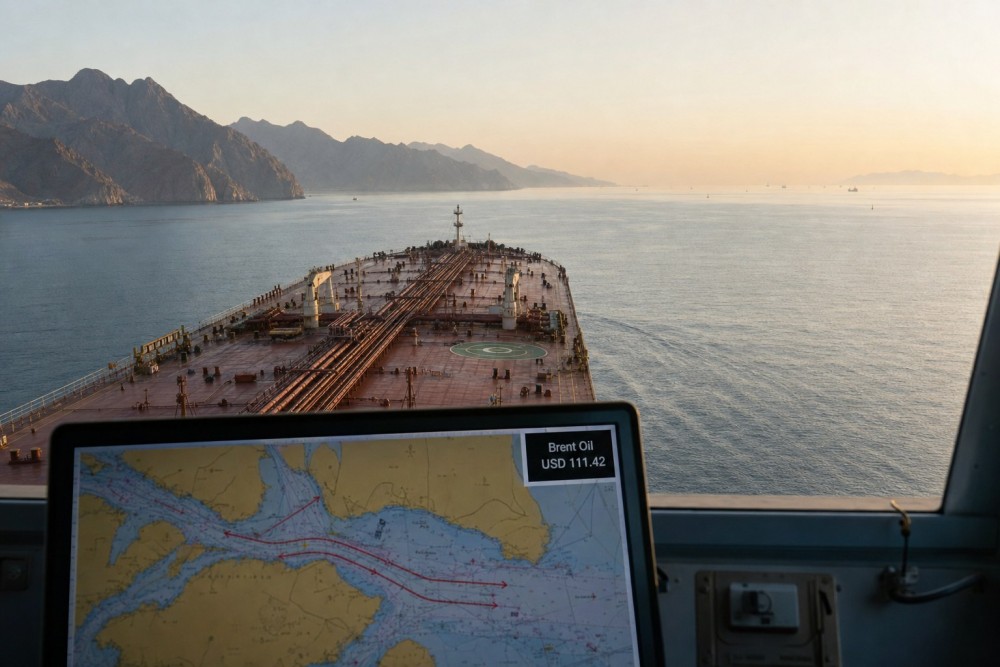
The May 18, 2024 Middle East geopolitical escalation has created immediate financial headwinds for cross-border e-commerce sellers through three critical mechanisms: shipping cost inflation, financing tightening, and currency volatility. The Strait of Hormuz—which handles 20% of global oil and gas trade—faces potential closure as Iran asserts control, triggering Brent crude to $110.55/barrel (+1.2%) and U.S. crude to $102.48 (+1.4%). Futures markets signal prolonged supply concerns, with September contracts trading above $100 and December hitting contract highs. This energy shock directly impacts seller economics: FedEx, UPS, and DHL typically implement fuel surcharges within 7-14 days of sustained crude spikes above $100/barrel, historically adding $0.15-0.35 per pound for international shipments. For sellers moving 1,000+ units monthly via air freight or expedited ground shipping, this translates to $200-600 monthly cost increases.
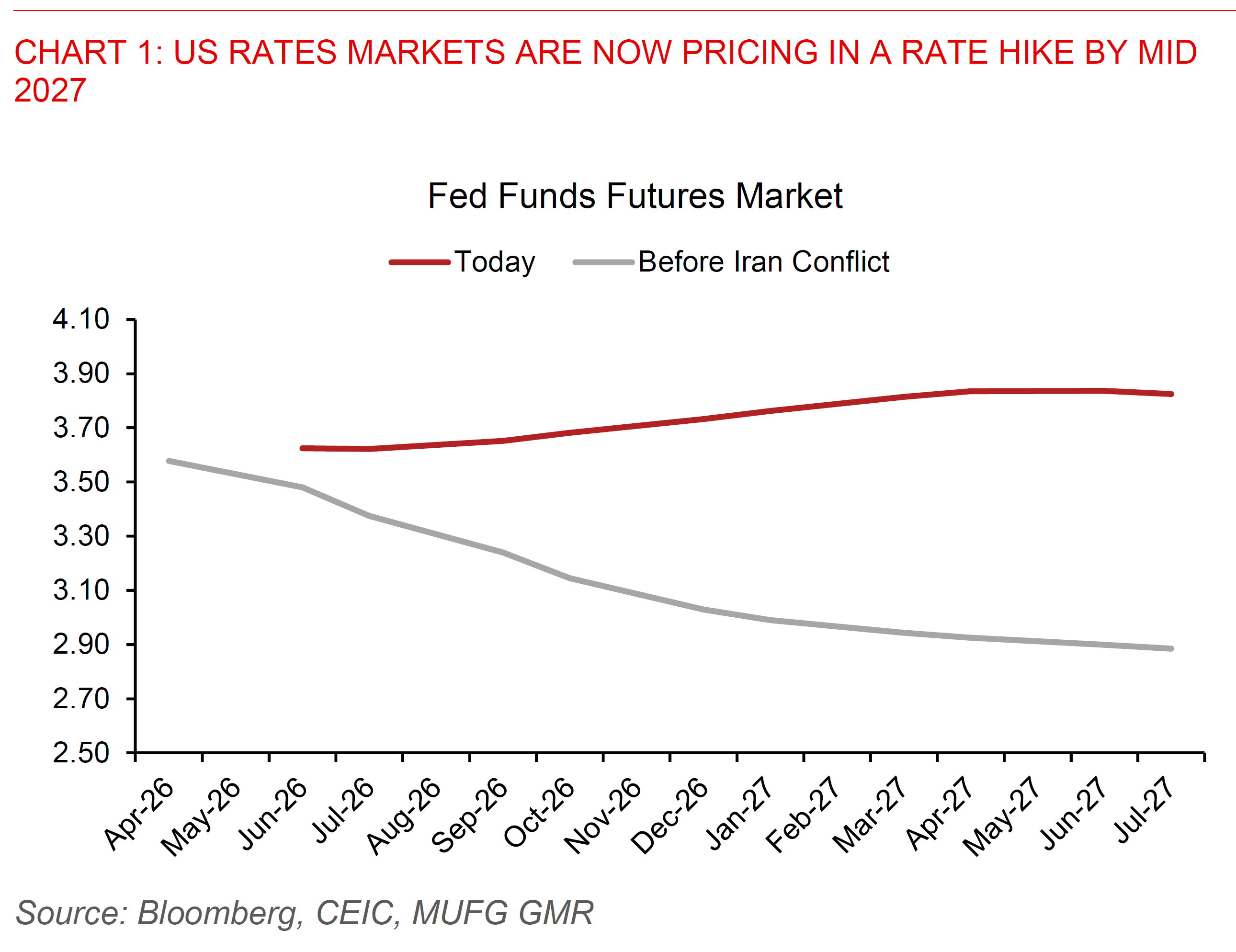
The bond market deterioration amplifies financing constraints for SME sellers. U.S. 10-year Treasury yields jumped 23 basis points to 4.631% (15-month high), while 30-year bonds hit 5.159%. Japan's 10-year yield reached 1996 levels, and German yields hit 15-year highs. This yield spike signals investor risk-off sentiment and tightens credit conditions—particularly impacting sellers relying on inventory financing, purchase order financing, or working capital lines of credit. Lenders reassessing risk appetite typically increase APR rates by 50-150 basis points during volatility periods, raising borrowing costs for SME sellers from 8-12% to 9-13.5%. Sellers with $50K-$500K inventory positions face $2,500-$6,750 additional annual financing costs.
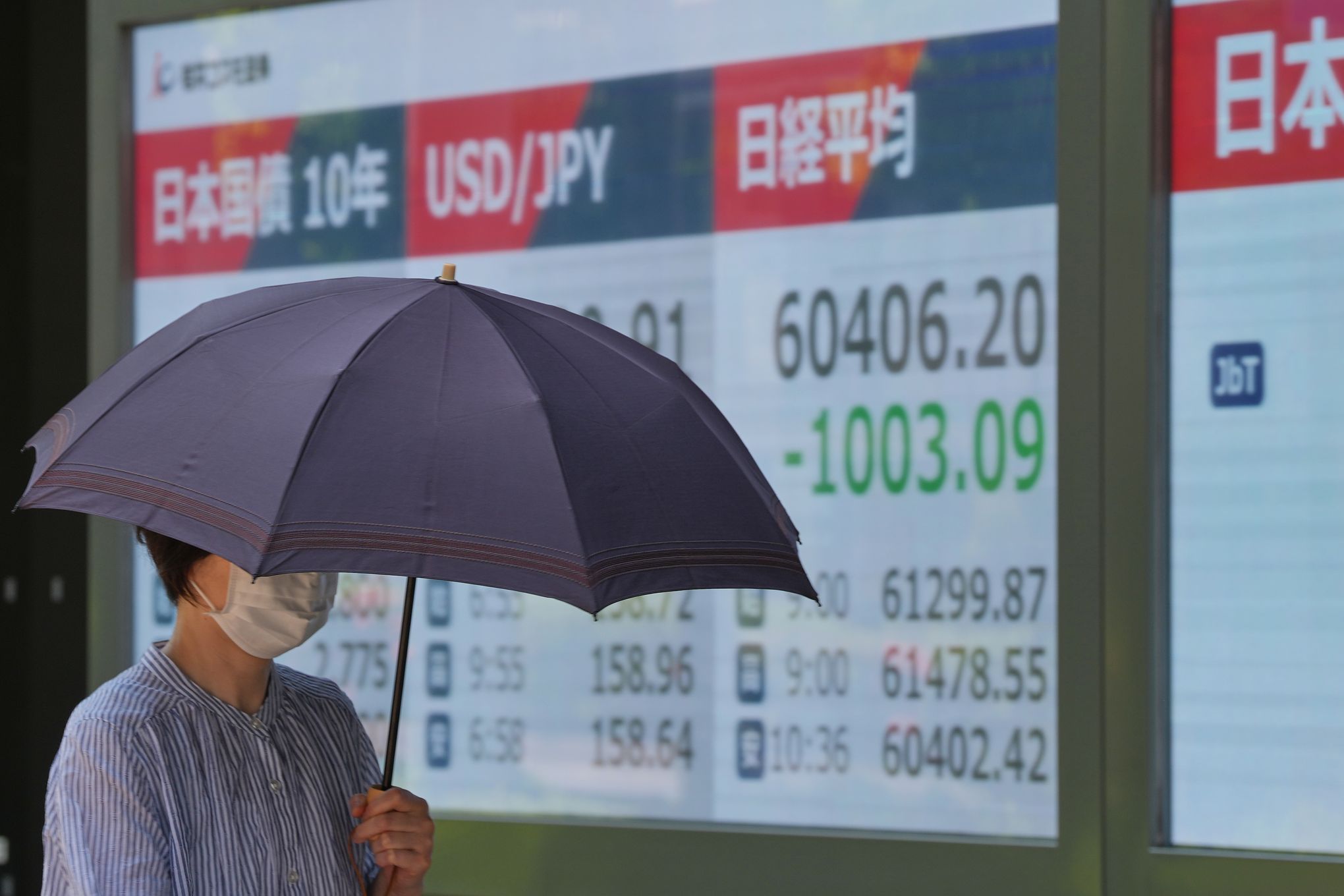
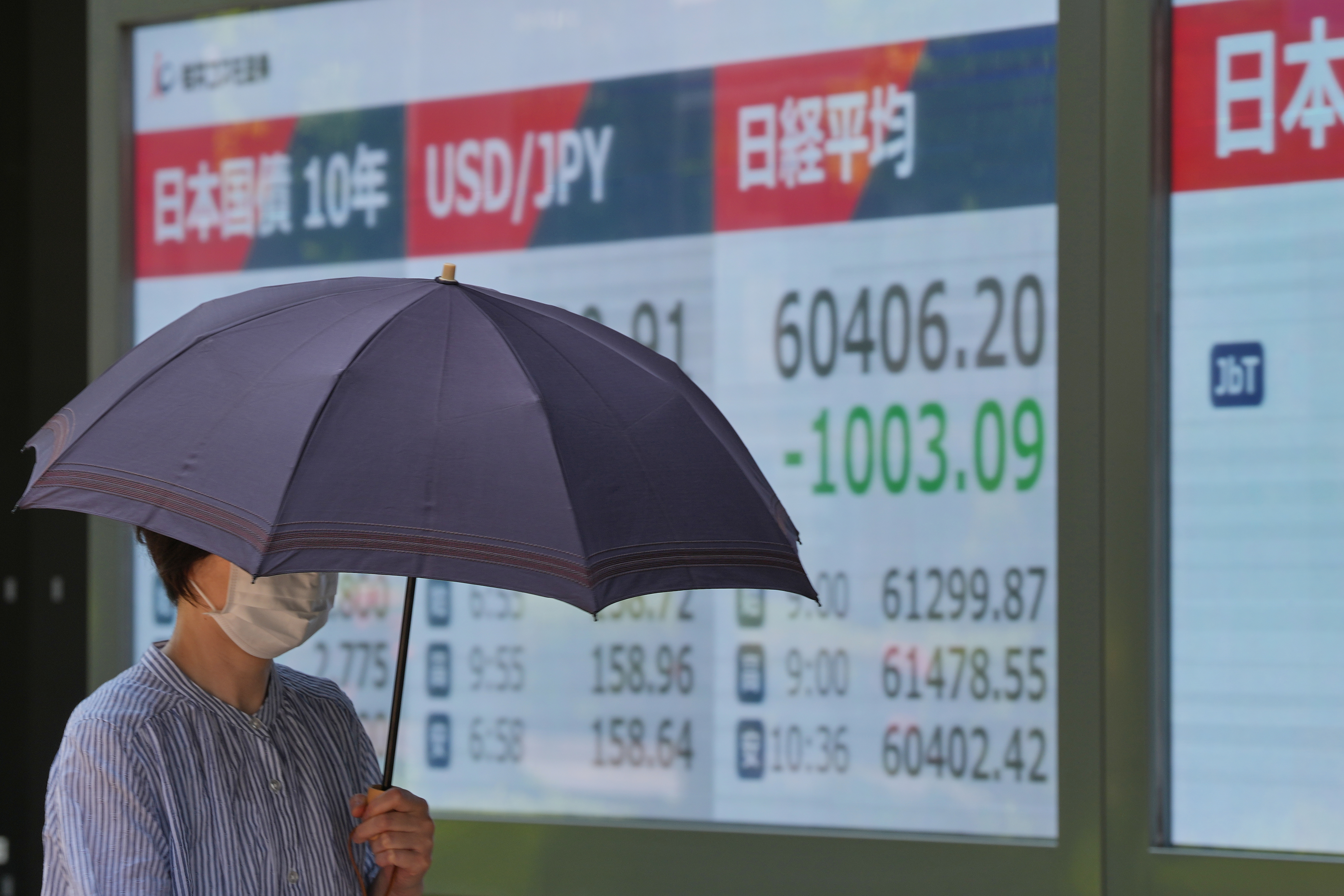
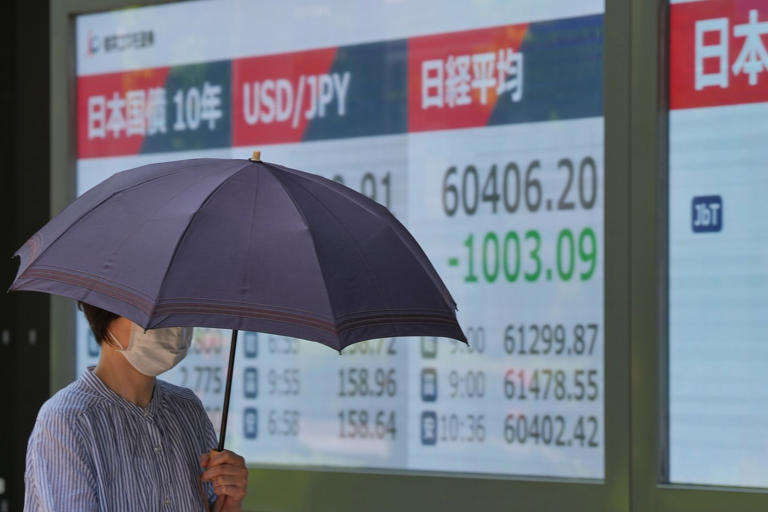
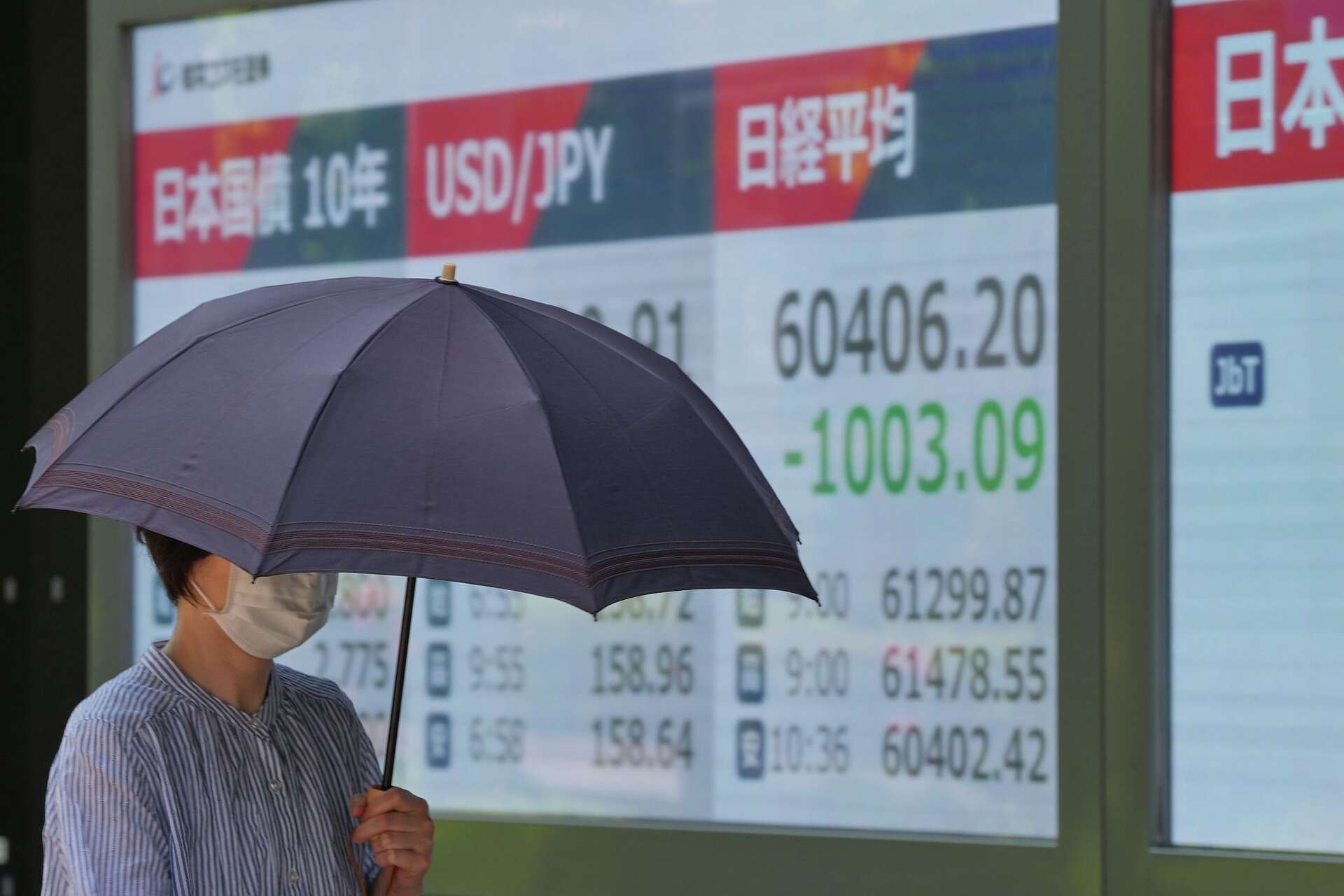
Currency volatility from equity market declines (Nikkei -1%, Chinese blue chips -0.5%, FXI -2.79%) creates margin compression for multi-region sellers. Sellers sourcing from China/Asia and selling in USD/EUR face unfavorable conversion rates during risk-off periods. The news specifically highlights Walmart and retail earnings as upcoming sentiment tests—critical for understanding consumer resilience. Discretionary product categories (electronics, apparel, home goods) historically see 5-12% demand compression during inflationary energy shocks, while essential categories (supplements, household staples) remain resilient. Sellers should immediately audit shipping method mix, lock in fuel surcharge rates with 3PL providers, and evaluate inventory financing alternatives before rates rise further.
Immediate financial optimization opportunities exist: Sellers can negotiate fixed fuel surcharge caps with logistics providers before surcharges activate (typically 3-5 day window), shift 15-25% of air freight to ocean freight (lower fuel sensitivity), and explore alternative financing through supply chain finance platforms offering fixed rates. The volatility also creates FX arbitrage windows—sellers with USD receivables can lock in rates before further currency deterioration, while those with CNY/JPY payables benefit from temporary weakness. Monitoring oil futures (September contracts above $100) serves as a leading indicator for carrier surcharge announcements, enabling proactive cost management.
Questions 8
Should sellers hedge oil prices directly or focus on operational adjustments?
Direct oil hedging (futures contracts, options) requires commodity trading expertise and capital; most SME sellers lack this capability. **Operational hedging is more practical:** shift 15-25% of air freight to ocean freight (reduces fuel cost exposure 60-70%), negotiate fixed fuel surcharge caps with 3PLs (eliminates surcharge volatility), and diversify sourcing geographies (reduces single-route dependency). For sellers with $500K+ annual shipping costs, consulting a supply chain finance advisor on hedging strategies may be worthwhile. The news indicates volatility may persist 2-4 months; focus on cost reduction and financing optimization rather than speculative hedging.
How quickly will shipping costs increase for cross-border sellers after oil price spikes?
FedEx, UPS, and DHL typically announce fuel surcharge increases within 7-14 days of sustained crude oil prices above $100/barrel. With Brent crude at $110.55 and futures signaling prolonged supply concerns, sellers should expect surcharge notifications by late May 2024. Historical data shows fuel surcharges increase $0.15-0.35 per pound for international shipments, translating to $200-600 monthly increases for sellers moving 1,000+ units via air freight. Sellers should immediately contact 3PL providers to negotiate fixed surcharge caps before announcements activate.