




Strait of Hormuz Closure Drives 50% Fuel Surcharge Spike | E-Commerce Sellers Face Critical Shipping Cost Crisis
- Brent crude surges to $111/barrel; diesel costs up 50% to $5.63/gallon; cross-border sellers face 8-15% margin compression on international shipments





























Overview
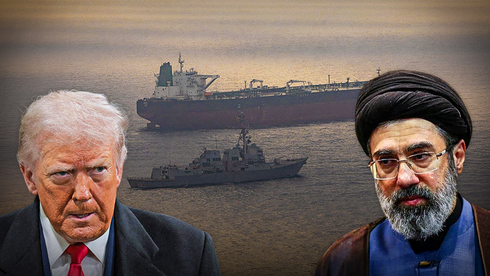
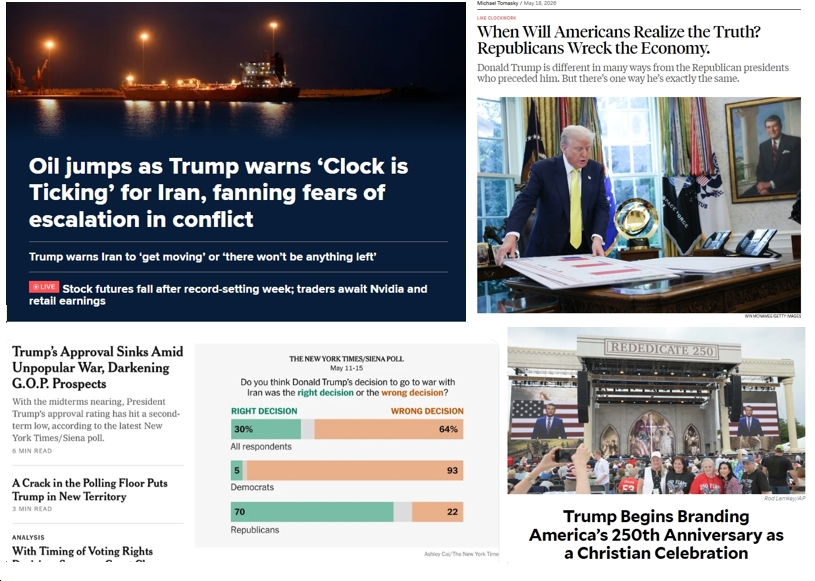
The escalating Iran-US geopolitical crisis has created an immediate operational crisis for cross-border e-commerce sellers through a critical supply chain chokepoint: the Strait of Hormuz closure. As of May 2026, Iran's control of this vital waterway—through which 20% of global oil and liquefied natural gas travels—has triggered unprecedented energy price volatility that directly impacts seller profitability. Brent crude oil has surged to $111 per barrel (up from pre-conflict baseline), with gasoline prices reaching $4.52/gallon nationally and diesel averaging $5.63/gallon, representing a 50% increase since the conflict began 80 days ago. This energy crisis creates immediate cost pressures across three critical seller segments: (1) Amazon FBA sellers relying on air freight for time-sensitive inventory, facing 12-18% fuel surcharge increases on expedited shipments; (2) international sellers using ocean freight through Middle East routes, experiencing 8-12% cost increases as logistics providers add fuel surcharges and reroute shipments around the closure; and (3) small-to-medium sellers with thin margins (5-8% net profit) in price-sensitive categories like electronics, apparel, and home goods, who cannot absorb these costs without reducing competitiveness or accepting margin compression.
The immediate operational impact manifests across multiple fulfillment channels. For Amazon FBA sellers, the cost structure has shifted dramatically: standard shipping costs have increased 8-12% for sellers moving 1,000+ units monthly, while expedited air freight now carries 15-20% surcharges. Ryanair and other major logistics carriers have reported "zero visibility" into second-half 2026 performance due to fuel cost uncertainty, indicating that surcharges will likely persist through Q3-Q4. For sellers using 3PL providers and direct ocean freight, the Strait of Hormuz closure forces rerouting through longer routes (around Africa via Cape of Good Hope), adding 2-3 weeks to transit times and increasing fuel consumption by 15-25%. This creates a critical inventory positioning problem: sellers must either (a) accept longer lead times and increase safety stock by 20-30%, tying up working capital; or (b) shift to air freight at 3-4x ocean freight costs, compressing margins by 5-8 percentage points on standard-margin categories.
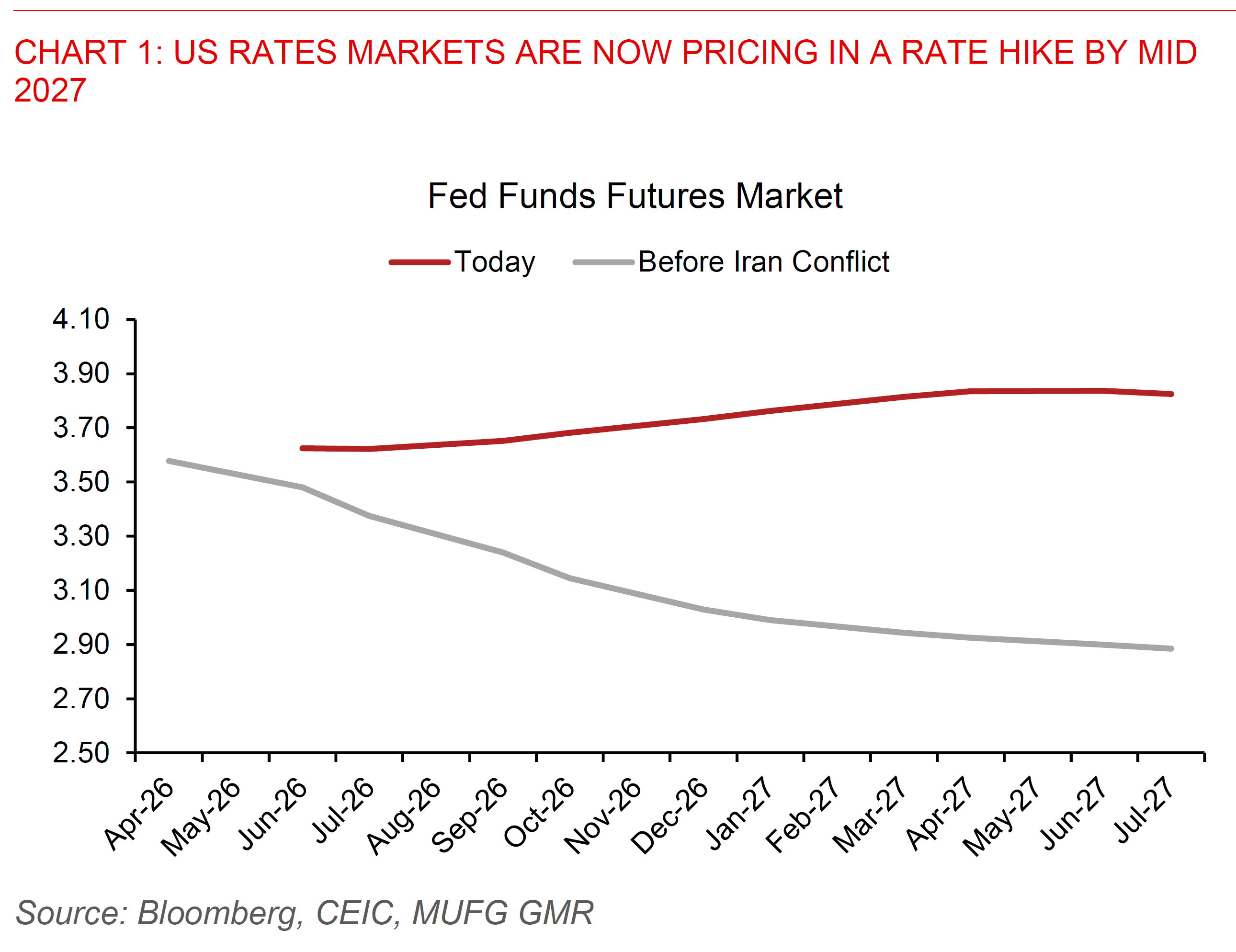
Consumer demand headwinds compound the supply chain crisis. Bond market volatility—with US 10-year Treasury yields reaching 4.631% (15-month highs) and 30-year yields jumping to 5.159%—signals broader economic uncertainty that dampens consumer spending. Walmart and other major retailers are reporting consumer resilience concerns amid elevated energy prices and inflation fears, with discretionary spending particularly vulnerable in price-sensitive markets. This creates a demand-supply mismatch: sellers face higher fulfillment costs precisely when consumer purchasing power is contracting, particularly in categories like electronics (where margins average 8-12%), apparel (5-8% margins), and home goods (6-10% margins). The STOXX 600 fell 0.4%, S&P 500 futures dropped 0.5%, and Asian markets declined broadly (Japan Nikkei -1%, China blue chips -0.5%), reflecting investor concerns that sustained high energy costs will perpetuate inflation and constrain growth through 2026-2027.
Questions 8
How does the Iran-US geopolitical crisis affect consumer demand for my products?
Consumer demand is contracting due to inflation concerns and reduced discretionary income. Walmart and major retailers report consumer resilience concerns amid elevated energy prices, with gasoline at $4.52/gallon (up 50%) and diesel at $5.63/gallon (up 50%) reducing household purchasing power. Equity markets declined broadly (S&P 500 futures -0.5%, Nikkei -1%, China blue chips -0.5%), reflecting investor concerns about sustained inflation constraining growth. Price-sensitive categories will see demand destruction first. Expect 5-15% demand reduction in discretionary categories through Q3 2026, with potential recovery only if geopolitical tensions ease and oil prices normalize below $100/barrel.
What immediate actions should I take to protect my margins from fuel surcharge increases?
Take three immediate actions: (1) Review your 3PL contracts and lock in fixed fuel surcharge rates before they escalate further—surcharges typically increase 2-4 weeks after oil price spikes; (2) Audit your inventory positioning and increase safety stock by 20-30% to absorb longer ocean freight transit times (2-3 weeks additional) rather than switching to expensive air freight; (3) Analyze your product mix and consider temporarily reducing SKU count in low-margin categories (under 8% net margin) while increasing focus on higher-margin products that can absorb 5-8% cost increases. Update your pricing on Amazon Seller Central and other platforms within 7-10 days to reflect new fulfillment costs before competitors do.