


Strait of Hormuz Closure Drives 50% Fuel Surge | E-Commerce Shipping Crisis
- Diesel costs spike to $5.63/gallon, gasoline hits $4.52/gallon; cross-border sellers face 8-15% logistics cost increases; supply chain disruptions threaten inventory procurement timelines
























Overview
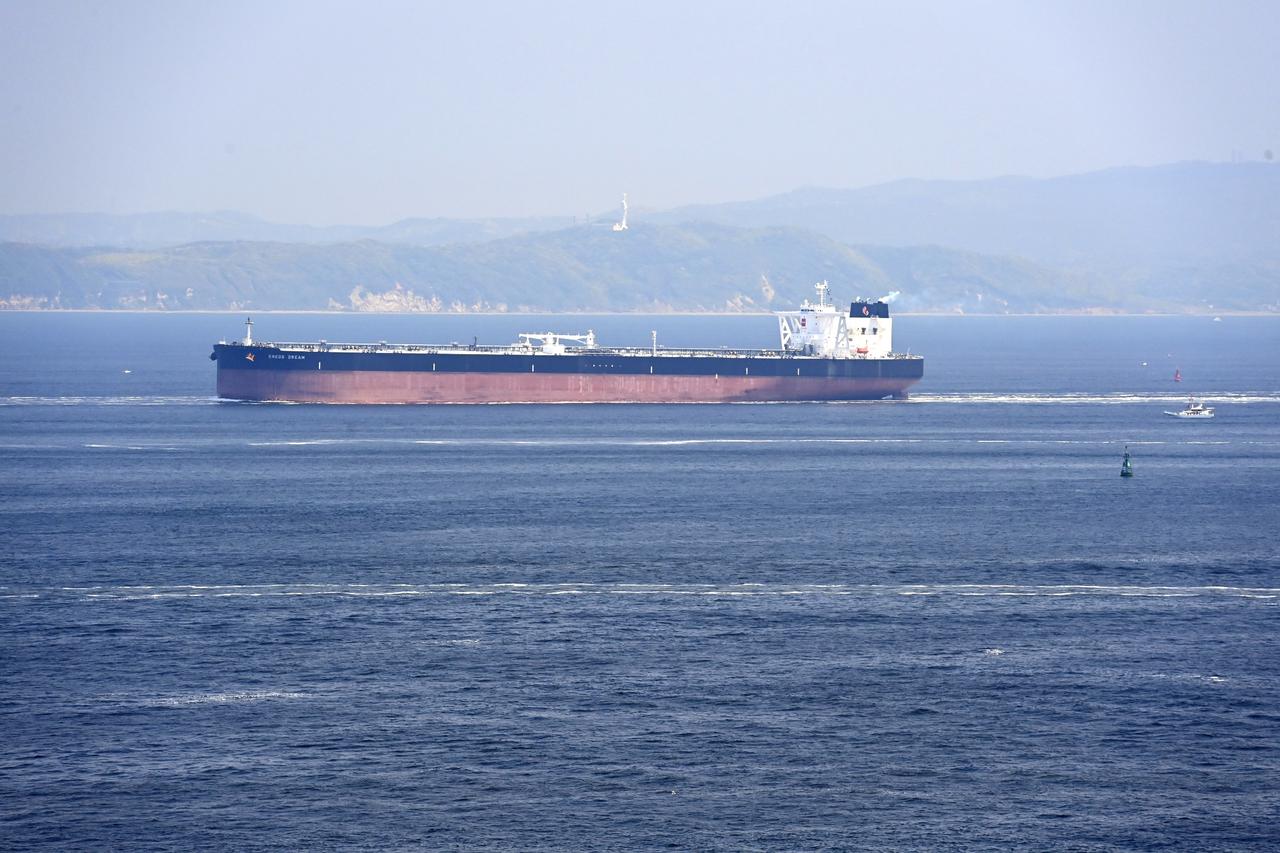
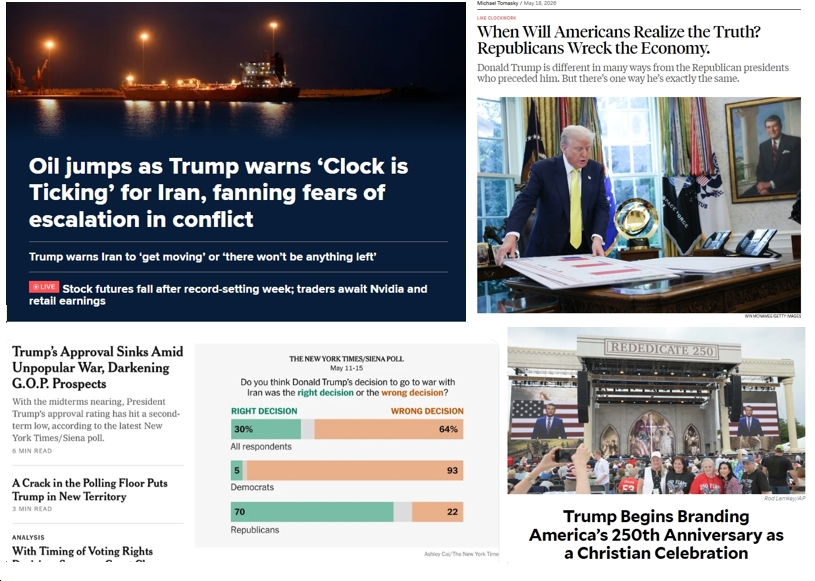
The Strait of Hormuz closure triggered by escalating Iran-US tensions on May 18, 2026, has created an immediate logistics cost crisis for cross-border e-commerce sellers. Brent crude surged above $110/barrel while diesel prices reached $5.63/gallon—a 50% increase since the conflict began—directly compressing margins for sellers relying on air and ocean freight. Gasoline prices hit $4.52/gallon nationally, signaling broader inflation pressures that will reduce consumer discretionary spending across price-sensitive categories. Deutsche Bank analysts warned of potential physical oil shortages if the Strait remains closed, which could transition from tight logistics capacity to actual supply chain breakdowns affecting inventory replenishment from Asia-Pacific manufacturing hubs.
For cross-border e-commerce sellers, the operational impact manifests across three critical dimensions. First, shipping cost escalation directly increases fulfillment expenses: sellers using FBA or 3PL providers will see 8-15% cost increases on ocean freight from China/Vietnam/India to US/EU ports, while air freight premiums could spike 20-30% if ocean routes face further disruptions. Second, inventory positioning becomes strategically critical—sellers must accelerate shipments to US/EU warehouses before further Strait disruptions, but face higher carrying costs due to elevated fuel surcharges on logistics providers. Third, consumer demand compression emerges as inflation concerns reduce discretionary purchasing power, particularly in price-sensitive categories (apparel, home goods, electronics accessories) where margin compression from shipping costs cannot be passed to buyers without losing competitiveness.
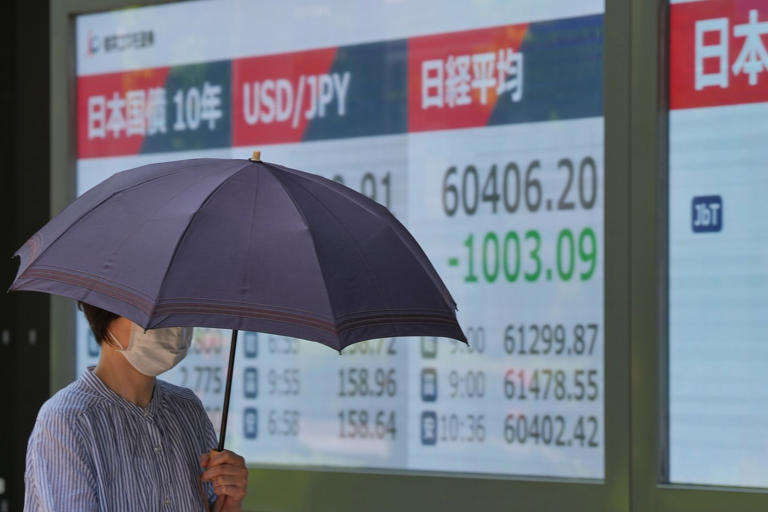
The competitive advantage shifts toward sellers with pre-positioned inventory and diversified sourcing. Large sellers with established 3PL networks in North America and Europe can absorb short-term cost increases, while small/medium sellers (SMBs) shipping directly from Asia face margin compression of 5-12% on typical products. Sellers in high-margin categories (luxury goods, electronics, specialty items) retain pricing power, while commodity-oriented sellers in apparel and home goods face severe margin pressure. Airlines including Ryanair reported zero visibility into second-half 2026 performance, indicating logistics providers will implement fuel surcharges and capacity rationing—sellers should lock in shipping contracts immediately before further price escalation. The policy window is urgent: if the Strait remains closed beyond June 2026, physical oil shortages could force central banks to raise interest rates, further dampening consumer spending and creating a dual-pressure environment of higher costs and lower demand.
Strategic sourcing shifts are already underway. Sellers should evaluate sourcing diversification away from China toward Vietnam, India, and Indonesia for non-sensitive categories, as these countries offer alternative logistics routes avoiding the Strait. However, this transition requires 60-90 days for supplier qualification and 30-45 days for initial shipments, making immediate action critical. Sellers should also consider temporary price increases of 3-8% on high-velocity SKUs to protect margins, monitor competitor pricing to avoid losing Buy Box position, and accelerate clearance of slow-moving inventory to free up cash for higher-cost replenishment. Risk mitigation includes securing 60-90 day forward shipping contracts before further escalation, diversifying 3PL providers to avoid single-provider capacity constraints, and monitoring central bank rate decisions that could further compress consumer demand in Q3-Q4 2026.
Questions 8
Which product categories face the most margin pressure from shipping cost increases?
Price-sensitive categories including apparel, home goods, and commodity electronics face 5-12% margin compression since buyers resist price increases. High-margin categories (luxury goods, specialty electronics, premium home décor) retain pricing power and can pass 3-8% cost increases to consumers. Sellers in apparel and home goods should accelerate inventory clearance and consider temporary price increases of 3-5% on high-velocity SKUs to protect margins. Avoid aggressive pricing that loses Buy Box position; instead, focus on cost reduction through sourcing diversification to Vietnam/India.
How much will shipping costs increase for cross-border sellers due to the Strait of Hormuz closure?
Ocean freight costs are rising 8-15% immediately due to fuel surcharges, with air freight potentially increasing 20-30% if disruptions extend beyond June 2026. Diesel prices hit $5.63/gallon (50% above pre-conflict levels) and gasoline reached $4.52/gallon, directly impacting 3PL and carrier pricing. Sellers shipping 100+ units monthly from Asia to US/EU will see $200-500 additional monthly costs depending on product weight and shipping method. Lock in shipping contracts immediately before further escalation, as logistics providers are implementing fuel surcharges and capacity rationing.