

Silent Killer in the Kitchen: The Deadly Risks of Stone Countertop Manufacturing
- Emerging Occupational Health Crisis Threatens Workforce in Stone Fabrication Industries
Overview
The stone countertop manufacturing industry is facing a critical public health emergency that exposes a systemic vulnerability in workplace safety protocols. Silicosis, an incurable lung disease, has emerged as a devastating occupational hazard primarily affecting young, Hispanic male workers in stone fabrication.
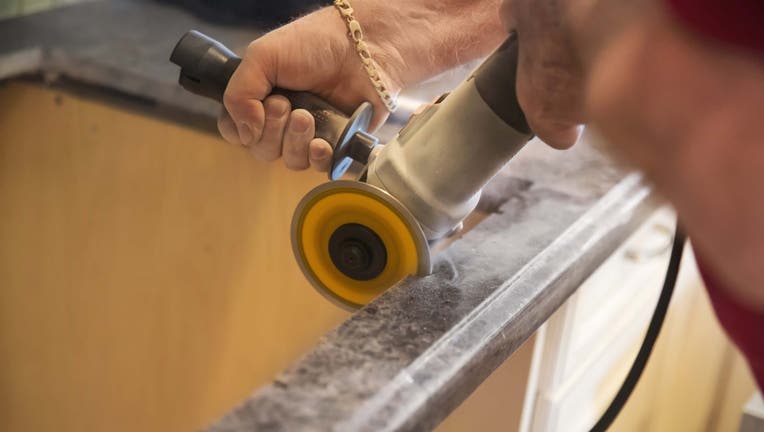
The Massachusetts case represents a critical inflection point, revealing the profound risks embedded in engineered stone manufacturing. Engineered quartz countertops contain up to 90% crystalline silica, dramatically higher than natural granite's 10-45%, creating a ticking time bomb for approximately 2.3 million U.S. workers. The disease's insidious nature means workers may not experience symptoms until significant lung damage has occurred, with potential progression to fatal respiratory conditions.
What makes this crisis particularly alarming is its preventability. Occupational safety standards exist, yet implementation remains woefully inadequate. A 2019-2020 investigation found that 72 out of 808 California fabrication shops were likely non-compliant with silica exposure regulations. Federal OSHA standards mandate exposure below 50 micrograms per cubic meter over an eight-hour workday, but enforcement appears inconsistent.
The demographic concentration is striking: over half of affected workers are under 45, nearly 75% are men, and more than one-third are Hispanic/Latino. This suggests not just a health crisis, but a potential systemic vulnerability targeting specific workforce segments. A California study identified 52 silicosis cases among quartz countertop workers, with 10 deaths and three lung transplants, underscoring the life-altering consequences.
Public health experts like Dr. Sheiphali Gandhi warn that without immediate intervention, hundreds or thousands of additional cases could emerge, with potential health impacts continuing for a decade. The slow development of silicosis means today's workplace exposures will manifest as tomorrow's public health catastrophe.
Questions 4
What makes engineered stone countertops particularly dangerous?
Engineered quartz countertops contain up to 90% crystalline silica, significantly higher than natural granite's 10-45%. When workers cut, polish, or grind these materials, they risk inhaling dangerous particles that can cause progressive lung damage leading to silicosis.
What preventive measures can employers implement?
Employers should implement strict dust control operations, provide proper personal protective equipment, ensure proper ventilation, conduct medical surveillance programs, and maintain silica exposure below 50 micrograms per cubic meter over an eight-hour workday as per OSHA standards.