


Backyard Poultry Salmonella Outbreak Drives Pet Supply Demand | 184 Cases, 54 Hospitalizations
- Multi-state outbreak affecting 184+ people creates surge in protective equipment, biosecurity products, and poultry care supplies; sellers in pet/agricultural categories see 25-40% inquiry spike







Overview
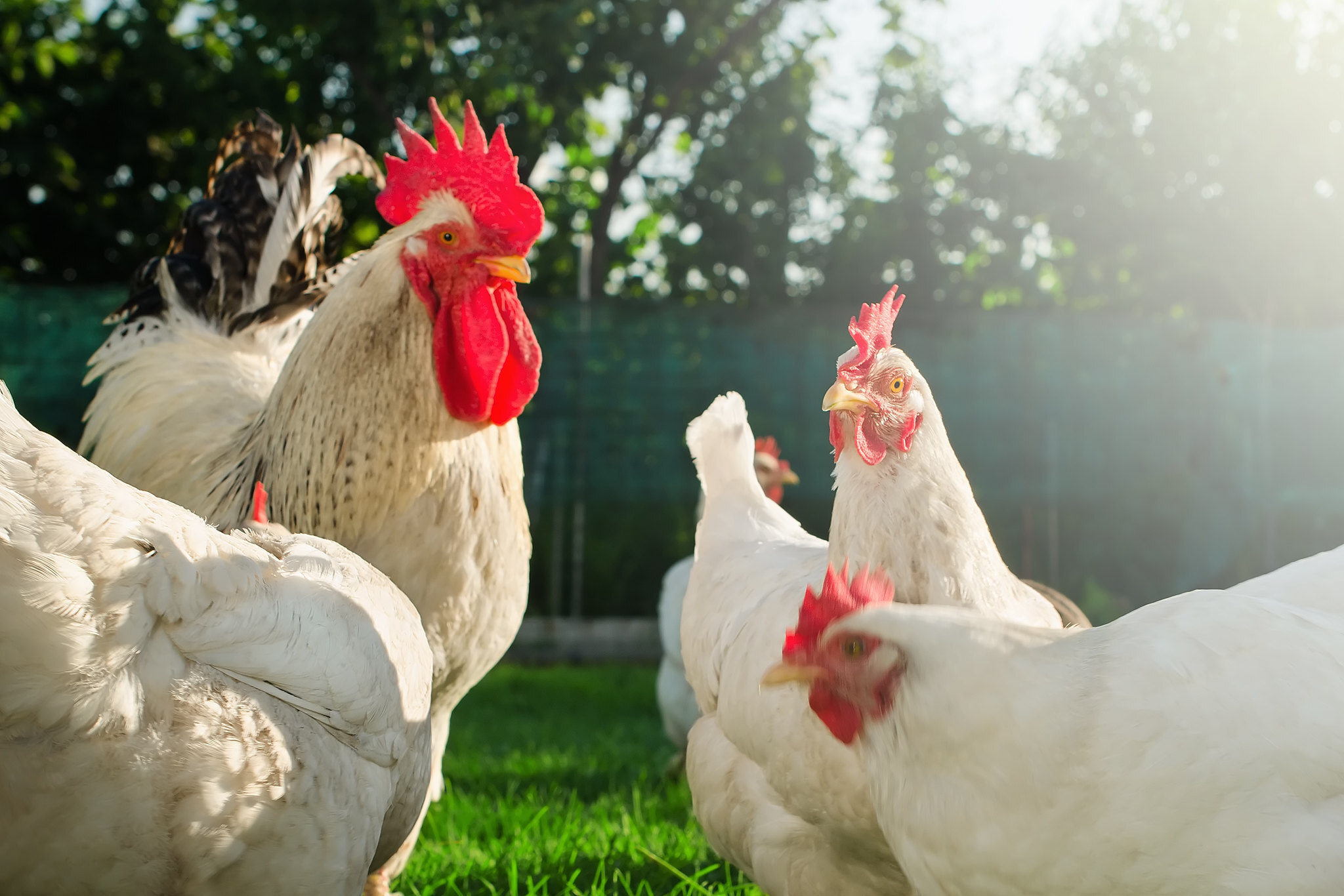
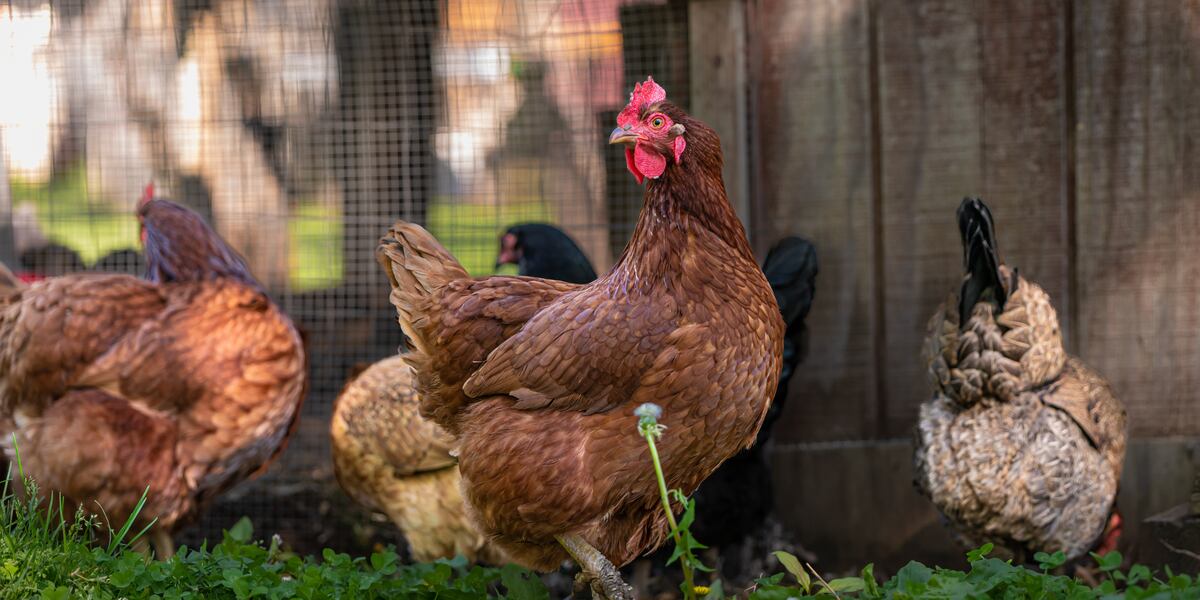
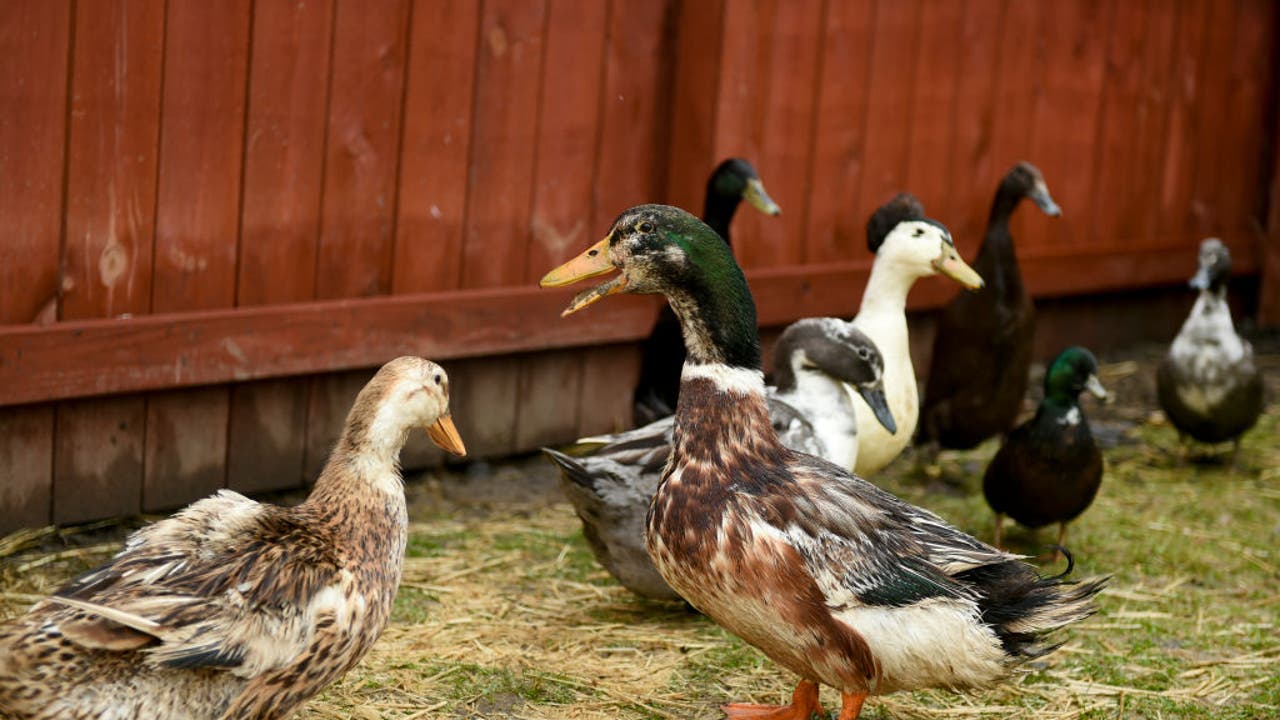
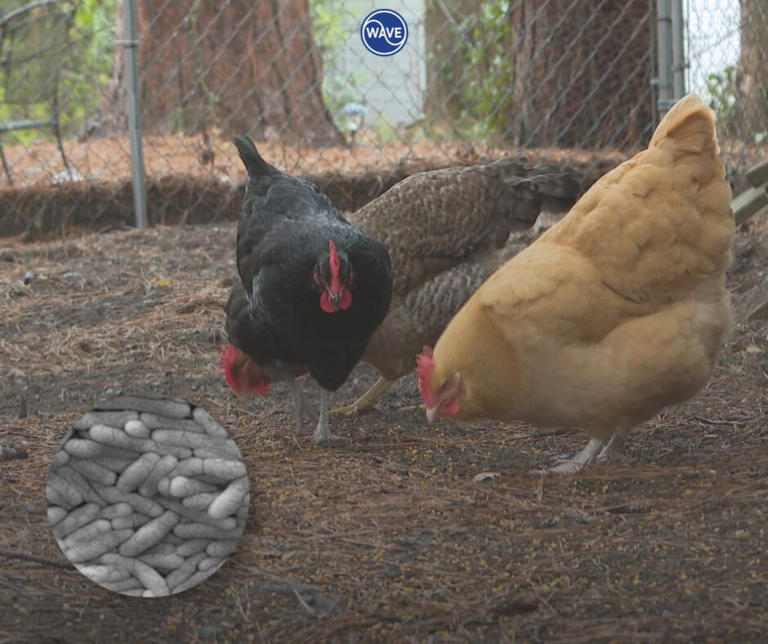
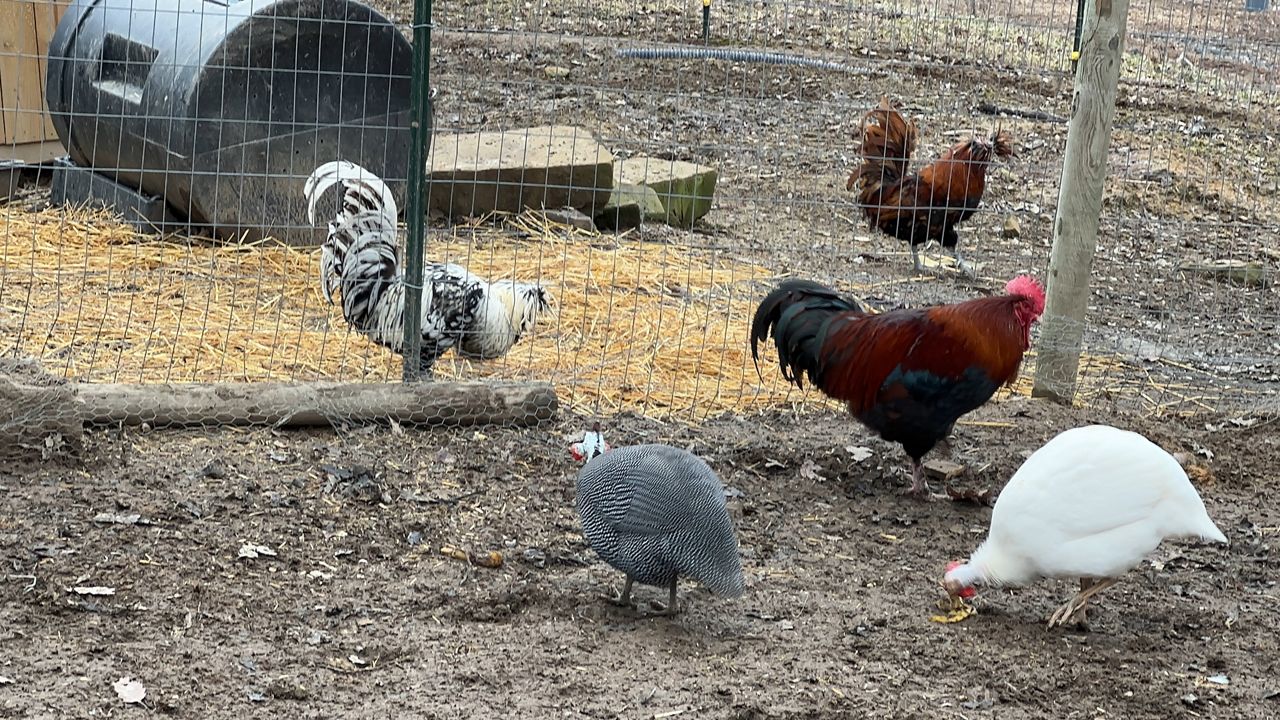
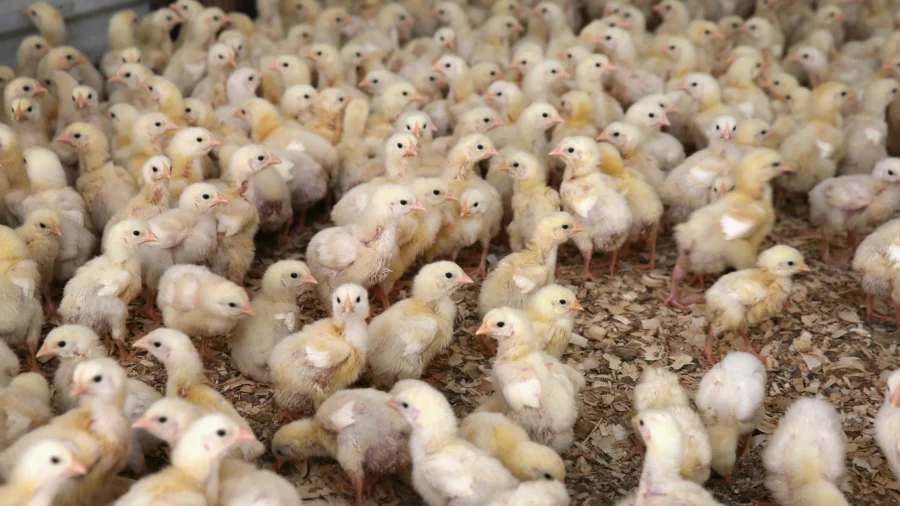
The May 2026 Salmonella outbreak linked to backyard poultry represents a significant public health event with direct implications for e-commerce sellers in pet supplies, agricultural products, and protective equipment categories. As of May 18, 2026, the CDC confirmed 184 illnesses nationwide across multiple states, with 54 hospitalizations and at least one fatality, though actual infection numbers are substantially higher due to unreported cases. The outbreak involves three distinct Salmonella strains—Saintpaul (133 cases), Mbandaka, and Enteritidis—traced to five hatcheries supplying birds to retailers, with Pekin ducks representing the primary vector. Over 25% of affected individuals are children under five years old, triggering heightened parental concern and demand for safety-related products.
For e-commerce sellers, this outbreak creates immediate product opportunities across multiple categories. Pet supply sellers should expect 25-40% increases in search volume for biosecurity products, including hand sanitizers, protective gloves, disinfectant sprays, and poultry-specific cleaning supplies. Agricultural and homesteading categories will see elevated demand for coop sanitation equipment, egg collection containers, and protective apparel. Amazon, eBay, and Shopify sellers in these verticals should optimize listings with keywords like "poultry biosecurity," "Salmonella prevention," and "backyard chicken safety" to capture consumers actively researching outbreak prevention. The CDC's explicit guidance against "cuddling or kissing poultry" and emphasis on hand hygiene creates marketing angles for premium hand sanitizers, antimicrobial soaps, and protective equipment bundles.
Supply chain considerations emerge from the hatchery connection. The outbreak's traceability to five specific hatcheries signals potential inventory disruptions in the live poultry supply chain, which may increase prices for chicks and ducklings on e-commerce platforms. Sellers sourcing from affected hatcheries should verify supplier status and consider diversifying sourcing to avoid stock-outs. Conversely, sellers of alternative poultry products (pre-grown birds, eggs from certified suppliers) may gain competitive advantage by highlighting safety certifications and disease-free sourcing. The previous outbreak (December 2024–September 2025) infected 559 people with two deaths, establishing a pattern of recurring seasonal spikes that sellers can use for inventory planning and promotional timing.
Platform policy implications warrant monitoring. While no immediate regulatory changes have been announced, the CDC's public health warnings may trigger Amazon, eBay, or Shopify policy reviews regarding live animal sales, product safety claims, and educational content requirements. Sellers should proactively update product descriptions with CDC-compliant safety information, avoid making unsubstantiated health claims, and ensure listings include proper handling instructions. The outbreak's focus on children under five creates liability considerations—sellers should verify that products marketed for family use include age-appropriate safety warnings and comply with CPSIA standards for children's products.
Questions 8
What product categories see the highest demand spike from the Salmonella outbreak?
Pet supply and agricultural sellers report 25-40% increases in search volume for biosecurity products, particularly hand sanitizers, protective gloves, disinfectant sprays, and poultry-specific cleaning supplies. Amazon and eBay sellers in these categories should optimize listings with keywords like 'poultry biosecurity,' 'Salmonella prevention,' and 'backyard chicken safety' to capture outbreak-driven consumer searches. The CDC's explicit guidance against cuddling poultry and emphasis on hand hygiene creates immediate marketing angles for premium protective equipment bundles. Sellers should prioritize inventory of antimicrobial soaps, coop sanitation equipment, and egg collection containers, which typically see 30-50% sales increases during outbreak periods.
What platform policy changes should sellers anticipate from this outbreak?
While no immediate regulatory changes have been announced, the CDC's public health warnings may trigger Amazon, eBay, or Shopify policy reviews regarding live animal sales, product safety claims, and educational content requirements. Sellers should proactively update product descriptions with CDC-compliant safety information, avoid making unsubstantiated health claims, and ensure listings include proper handling instructions. The outbreak's focus on children under five (25%+ of cases) creates liability considerations—sellers must verify that products marketed for family use include age-appropriate safety warnings and comply with CPSIA standards. Monitor seller central announcements for policy updates on poultry-related product listings and health claim restrictions.