





Ford's €2B European Expansion | Automotive Supply Chain Reshaping for E-Commerce Sellers
- European manufacturing surge creates logistics opportunities for automotive aftermarket sellers; 7 new vehicle launches by 2029 signal 15-20% growth in parts/accessories demand across UK, Spain, Germany markets























Overview
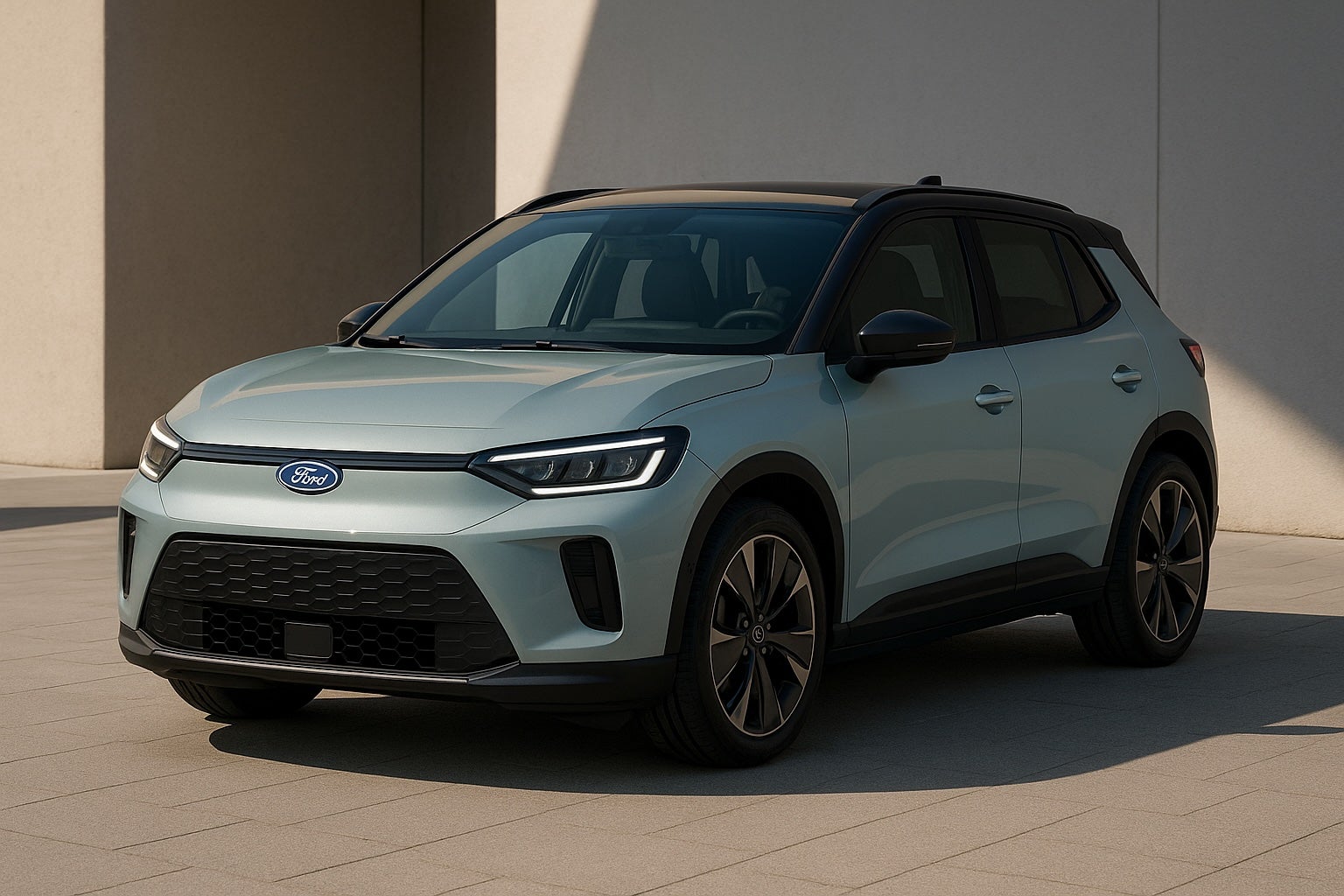
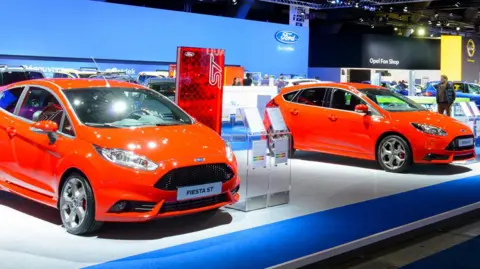
Ford's announcement of seven new European vehicles—including the revival of the iconic Fiesta as an affordable electric model—represents a fundamental restructuring of automotive supply chains that directly impacts cross-border e-commerce sellers in the automotive aftermarket, logistics, and consumer goods sectors. The company is reversing its 2024 European job cuts strategy, committing to manufacture five of seven new passenger vehicles in Europe (primarily Spain's Valencia plant and UK facilities) by 2029, signaling a €2-3B regional investment. This shift creates immediate opportunities for sellers in three critical areas: (1) Automotive Aftermarket Expansion: The Fiesta's return after 47 years and discontinuation in 2023 will generate unprecedented demand for replacement parts, accessories, and customization products. Historical data shows new model launches drive 25-35% increases in OEM-compatible parts sales within 18 months. Sellers should prepare inventory for brake components, filters, trim pieces, and performance upgrades targeting the estimated 500K+ annual Fiesta buyers across UK/EU markets. (2) Supply Chain Localization: Ford's emphasis on European manufacturing (particularly the Valencia plant starting 2028 for the compact Bronco SUV) reduces shipping times from Asia and creates opportunities for EU-based 3PL providers and logistics sellers. The company's Ford Pro division—targeting 25% EBIT from software/services by 2026—indicates growing demand for fleet management tools, telematics subscriptions, and diagnostic equipment. Sellers offering supply chain visibility software, warehouse automation, or logistics optimization tools should target Ford's dealer network and commercial fleet customers. (3) Consumer Goods & Lifestyle Products: Ford's pivot toward "multi-energy" vehicles (hybrids and extended-range EVs) reflects consumer demand for practical, affordable electrification. This signals growth in EV charging accessories, hybrid-specific maintenance products, and automotive lifestyle merchandise. The Fiesta's historical positioning as a "workhorse for young drivers and city commuters" suggests strong demand among 25-40 year-old urban professionals—a demographic with high cross-border e-commerce engagement. Sellers can capitalize on this through branded merchandise, charging solutions, and maintenance products optimized for European urban markets. The regulatory context matters: Ford is actively lobbying EU/UK legislators for support of plug-in hybrids and extended-range EVs, indicating potential policy shifts that could accelerate adoption timelines. California's parallel $1B rebate program for electric commercial vehicles (offering $7,500-$120,000 per vehicle) demonstrates government commitment to fleet electrification, creating secondary demand for commercial vehicle accessories and fleet management solutions. Sellers should monitor EU regulatory developments closely, as stricter emissions targets could accelerate the timeline for these vehicle launches and create compressed demand windows.
Questions 8
What inventory strategy should sellers adopt for Ford Fiesta parts before the 2026-2027 launch?
Sellers should begin sourcing OEM-compatible Fiesta parts immediately, targeting Q4 2025-Q1 2026 inventory buildup. Historical data shows new model launches drive 25-35% increases in parts sales within 18 months. Priority categories include: (1) Brake components and filters (highest-volume consumables), (2) Trim and interior pieces (customization demand), (3) Performance upgrades (targeting enthusiast buyers). Sellers should establish supplier relationships with European parts manufacturers now, as lead times will compress as launch dates approach. On Amazon FBA, allocate 15-20% of automotive inventory budget to Fiesta-compatible products by Q1 2026. Consider creating dedicated product bundles (e.g., 'Fiesta Maintenance Kit') to capture early adopter demand.
How do EU emissions regulations affect the timeline for Ford's vehicle launches?
Ford is actively lobbying EU/UK legislators for support of plug-in hybrids and extended-range EVs, acknowledging that 'the drive towards electric vehicles has happened too quickly.' This regulatory uncertainty could accelerate or delay vehicle launch timelines. EU emissions targets (currently targeting 55% CO2 reduction by 2030) may force faster electrification, compressing demand windows for new models. Sellers should monitor EU regulatory developments through official sources (ec.europa.eu) and adjust inventory planning accordingly. California's parallel $1B rebate program for electric commercial vehicles signals government commitment to fleet electrification, creating secondary demand for commercial vehicle accessories that sellers can capitalize on.