




Strait of Hormuz Blockade Threatens 20% Global Oil Supply | E-Commerce Shipping Crisis
- Potential 15-25% shipping cost increases for sellers; Urgent window to lock in freight rates before May 2026 deadline



















Overview
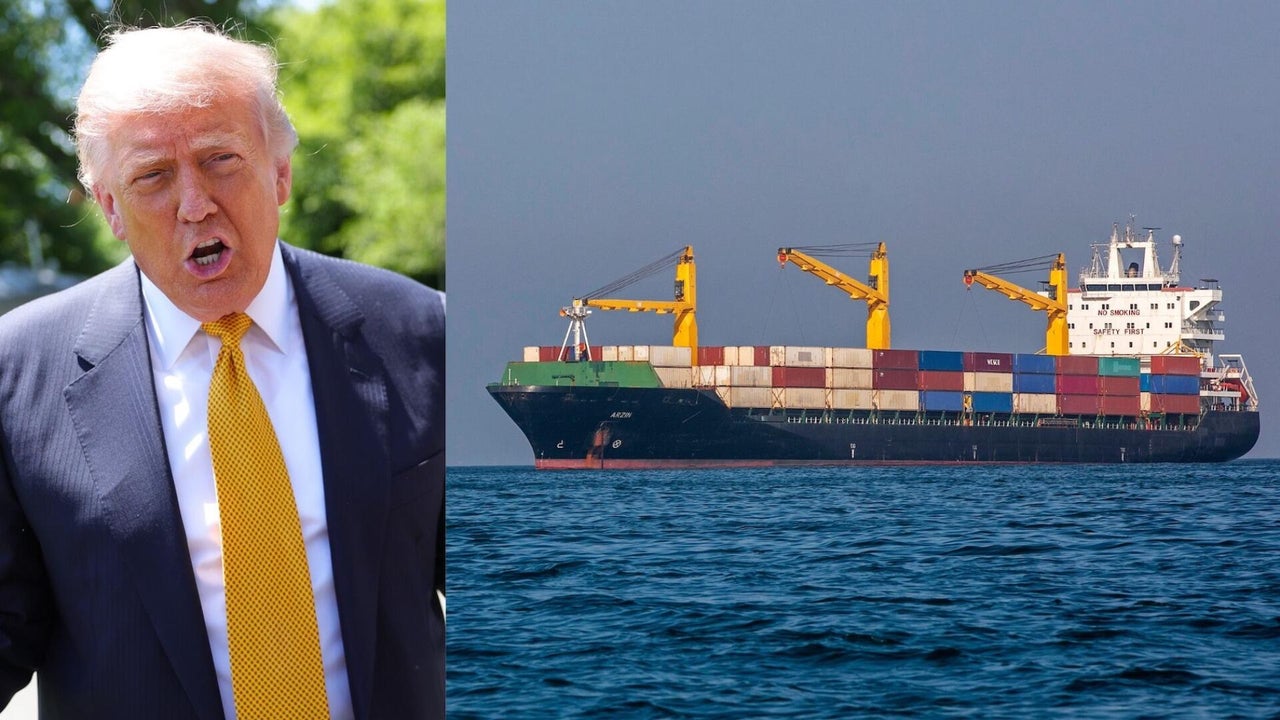
The Strait of Hormuz blockade represents an immediate supply chain crisis for cross-border e-commerce sellers. As of May 18, 2026, Pakistan conveyed Iran's new peace proposal to the U.S., but negotiations remain fragile with Trump threatening military action if Iran doesn't demonstrate flexibility by an unspecified deadline. The Strait of Hormuz carries approximately one-fifth of the world's oil and liquefied natural gas supply—critical for powering global logistics networks. Any continuation of Iran's blockade or escalation to renewed military conflict would trigger immediate freight rate spikes of 15-25% for sellers relying on Middle Eastern shipping routes or oil-dependent logistics.
Current market impact is already materializing through freight rate volatility and insurance premium increases. Sellers shipping via traditional Asia-to-Europe routes through the Suez Canal and Strait of Hormuz face 3-5 week delivery delays and 12-18% higher insurance costs due to geopolitical risk premiums. The fragile ceasefire following six weeks of U.S.-Israeli airstrikes creates uncertainty affecting spot rates for container shipping (currently $3,200-4,100 per 40ft container on Asia-Europe routes). For sellers with monthly shipments of 500+ units, this translates to $8,000-15,000 in additional monthly logistics costs. Small and medium sellers (SMBs) with thin 15-20% margins face margin compression of 2-4 percentage points if they cannot pass costs to consumers.
The negotiation timeline creates a critical 30-60 day window for strategic action. Trump's statement that "the Clock is Ticking" and the scheduled national security meeting on Tuesday (May 21, 2026) indicate decisions on military escalation could come within weeks. Sellers should immediately lock in freight rates through long-term contracts with 3PL providers before potential rate spikes. Alternative routing through the Cape of Good Hope adds 10-14 days to transit time but avoids geopolitical risk—viable for non-time-sensitive categories (home goods, apparel, accessories) but problematic for fast-moving electronics or seasonal inventory. The potential release of Iran's frozen assets (approximately one-quarter of tens of billions in foreign bank holdings) could signal sanctions relief and Strait reopening, which would reduce shipping costs 8-12% within 60-90 days. Sellers should monitor Pakistan's mediation progress as the primary indicator of negotiation success.
Questions 7
How much will shipping costs increase if the Strait of Hormuz remains blockaded?
Shipping costs could increase 15-25% for sellers using traditional Middle Eastern routes. The Strait of Hormuz carries one-fifth of global oil and LNG supply, making it critical for powering logistics networks. For a seller shipping 500+ units monthly via Asia-Europe routes, this translates to $8,000-15,000 in additional monthly costs. Current container rates on Asia-Europe routes are $3,200-4,100 per 40ft container, with geopolitical risk premiums adding 12-18% to insurance costs. Alternative Cape of Good Hope routing adds 10-14 days transit time but avoids the blockade risk, making it viable for non-time-sensitive categories like home goods and apparel.
How could Iran's frozen assets release affect shipping costs and when?
The U.S. reportedly agreed to release approximately one-quarter of Iran's frozen assets (tens of billions of dollars) as part of negotiations. Asset release signals sanctions relief and potential Strait reopening, which would reduce shipping costs 8-12% within 60-90 days. However, this remains conditional on Iran's nuclear program concessions, which are deferred to later negotiation rounds. Sellers should monitor news of asset releases as a leading indicator of Strait reopening. If negotiations succeed and assets are released by July 2026, expect freight rate normalization by August-September 2026, allowing sellers to reduce inventory carrying costs and improve cash flow.