

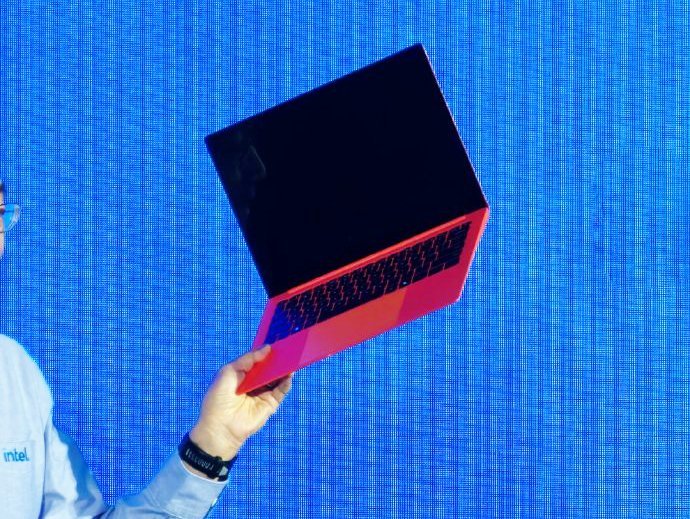

Intel Laptop Competition Reshapes Budget Electronics | Seller Sourcing & Inventory Strategy
- Windows laptops with double RAM/storage undercut MacBook Neo, creating 15-25% margin compression for electronics sellers and urgent inventory repositioning needs







Overview
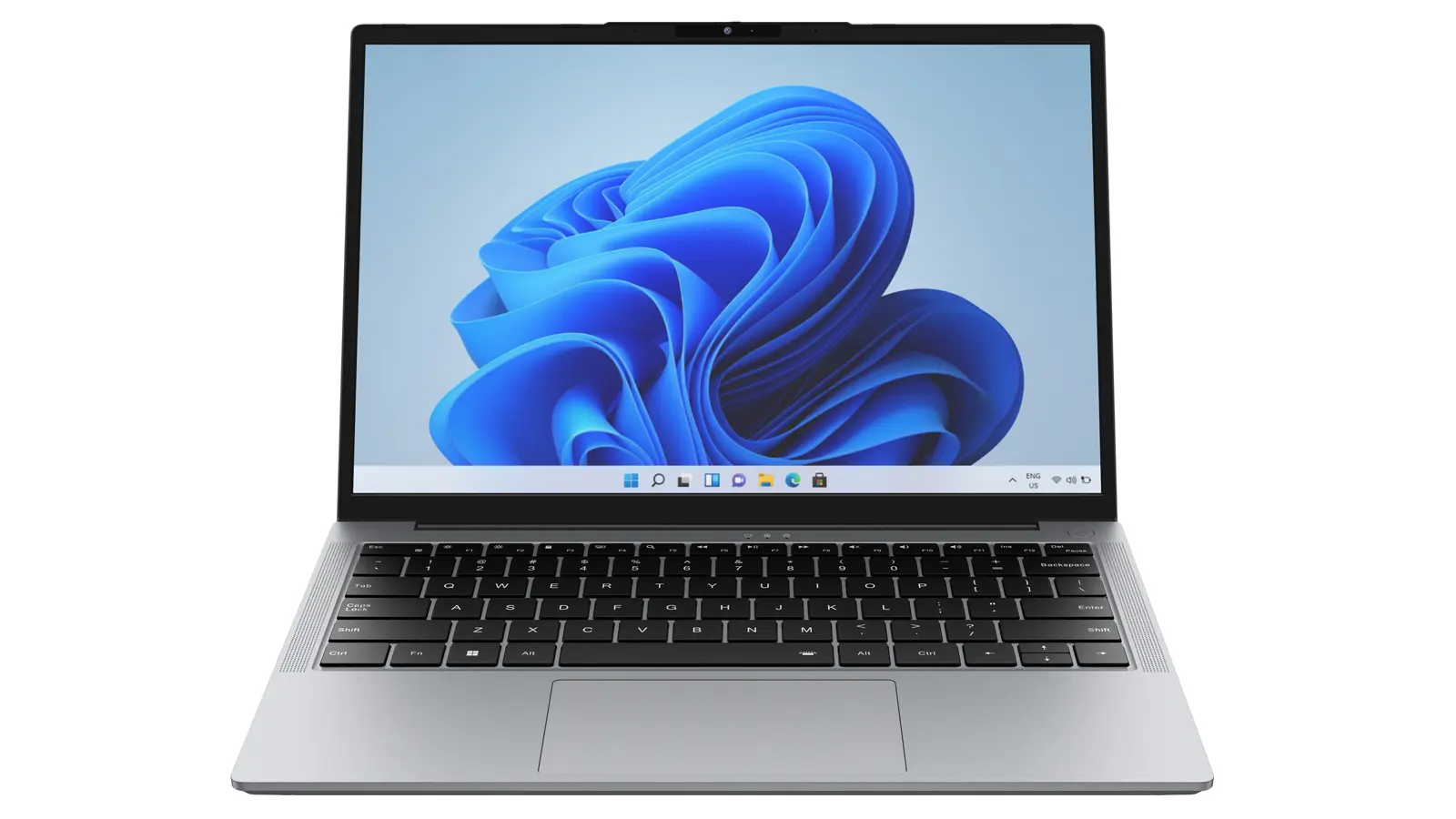
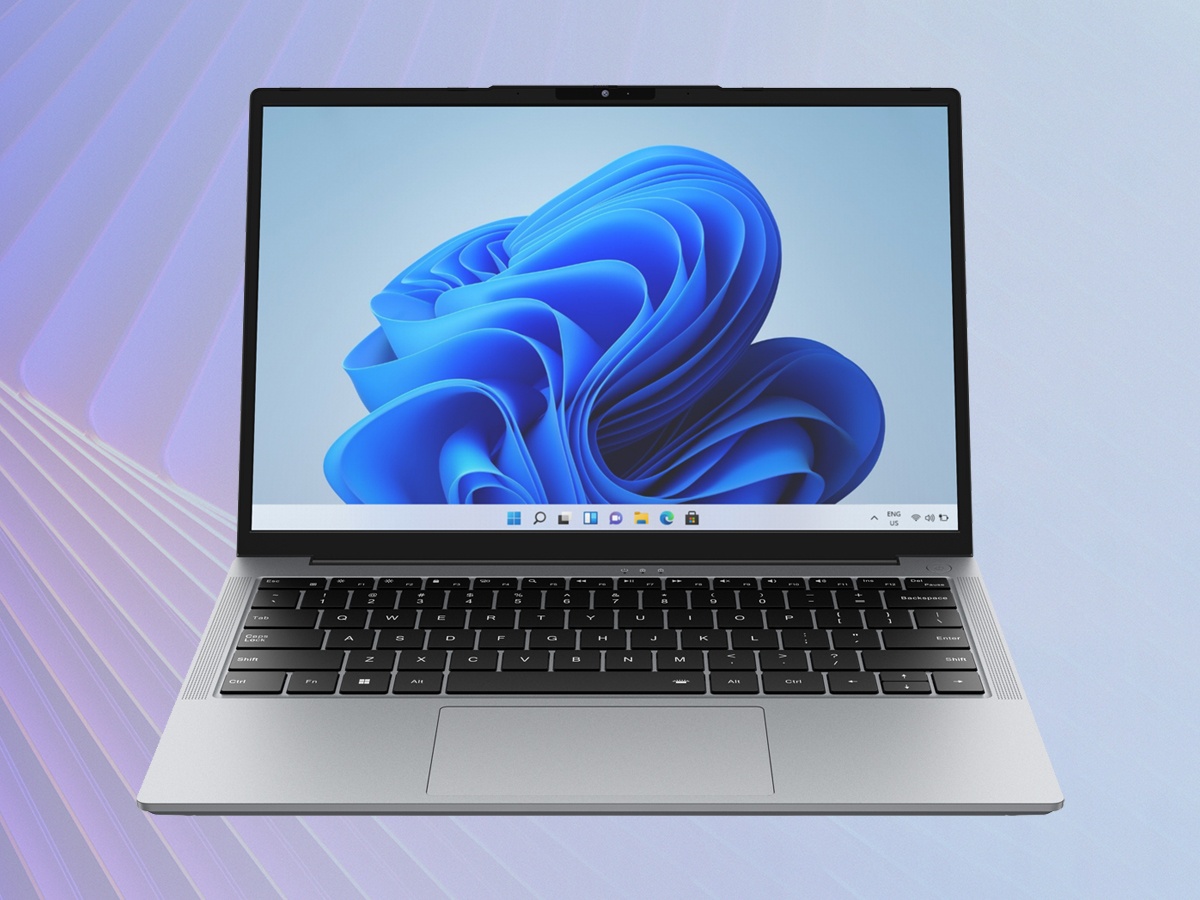
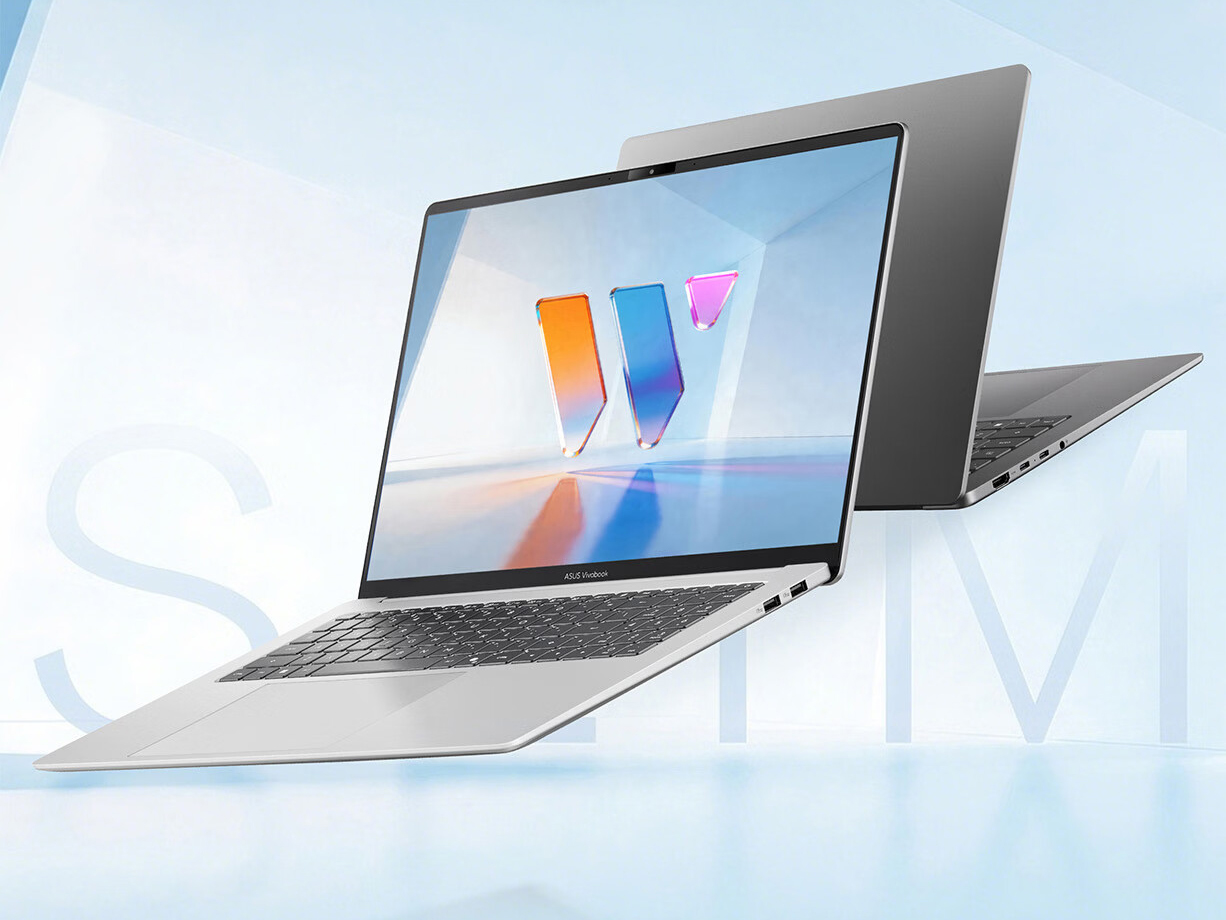
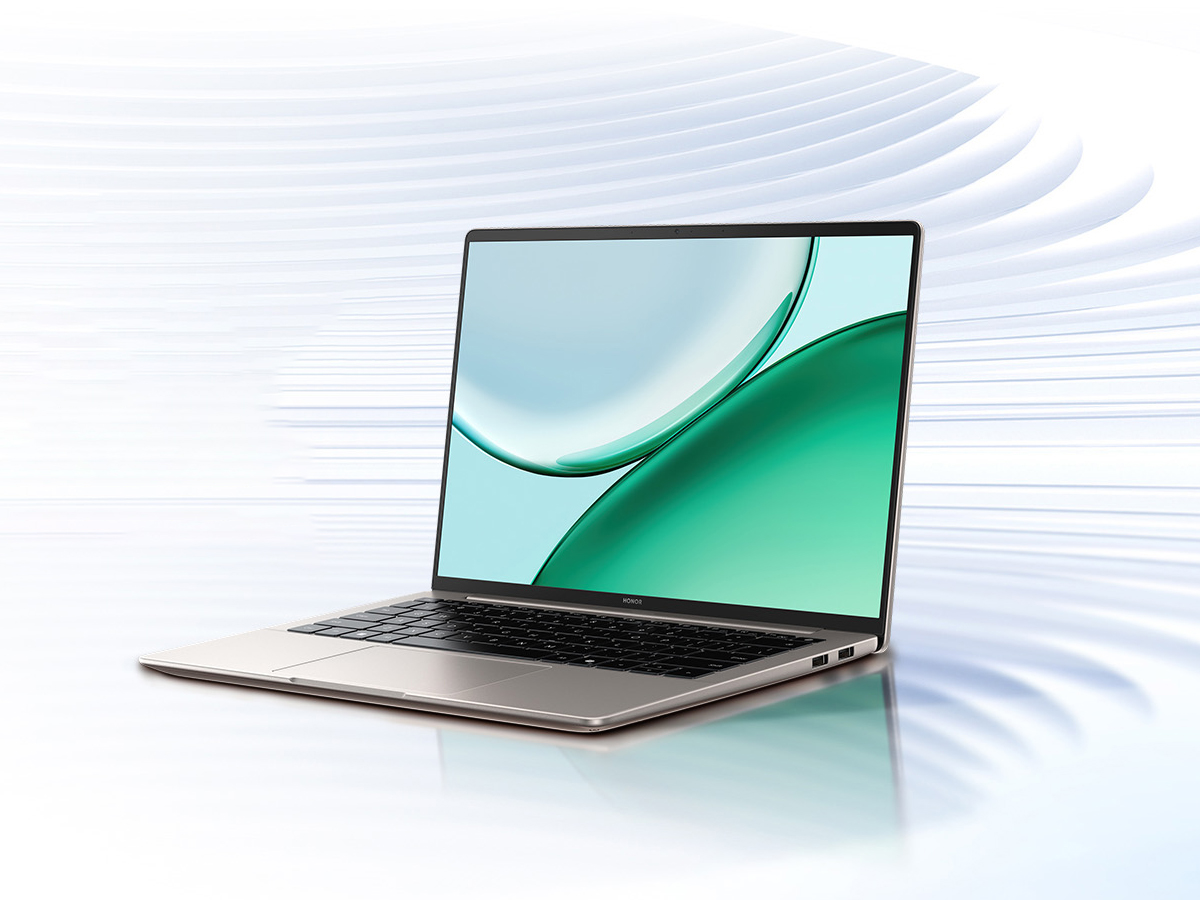
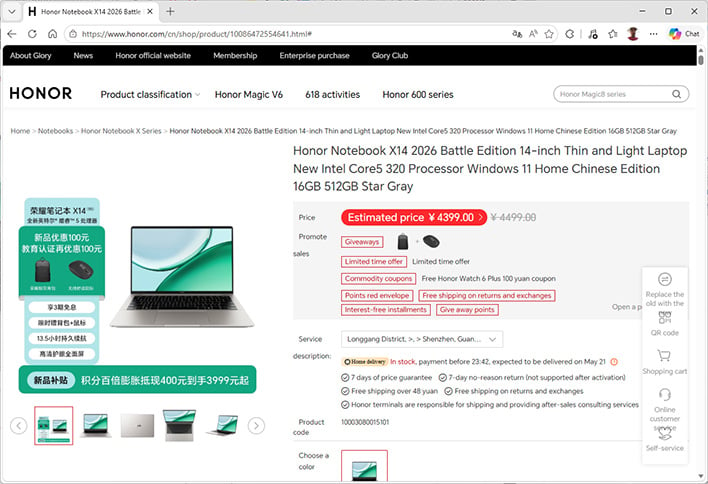
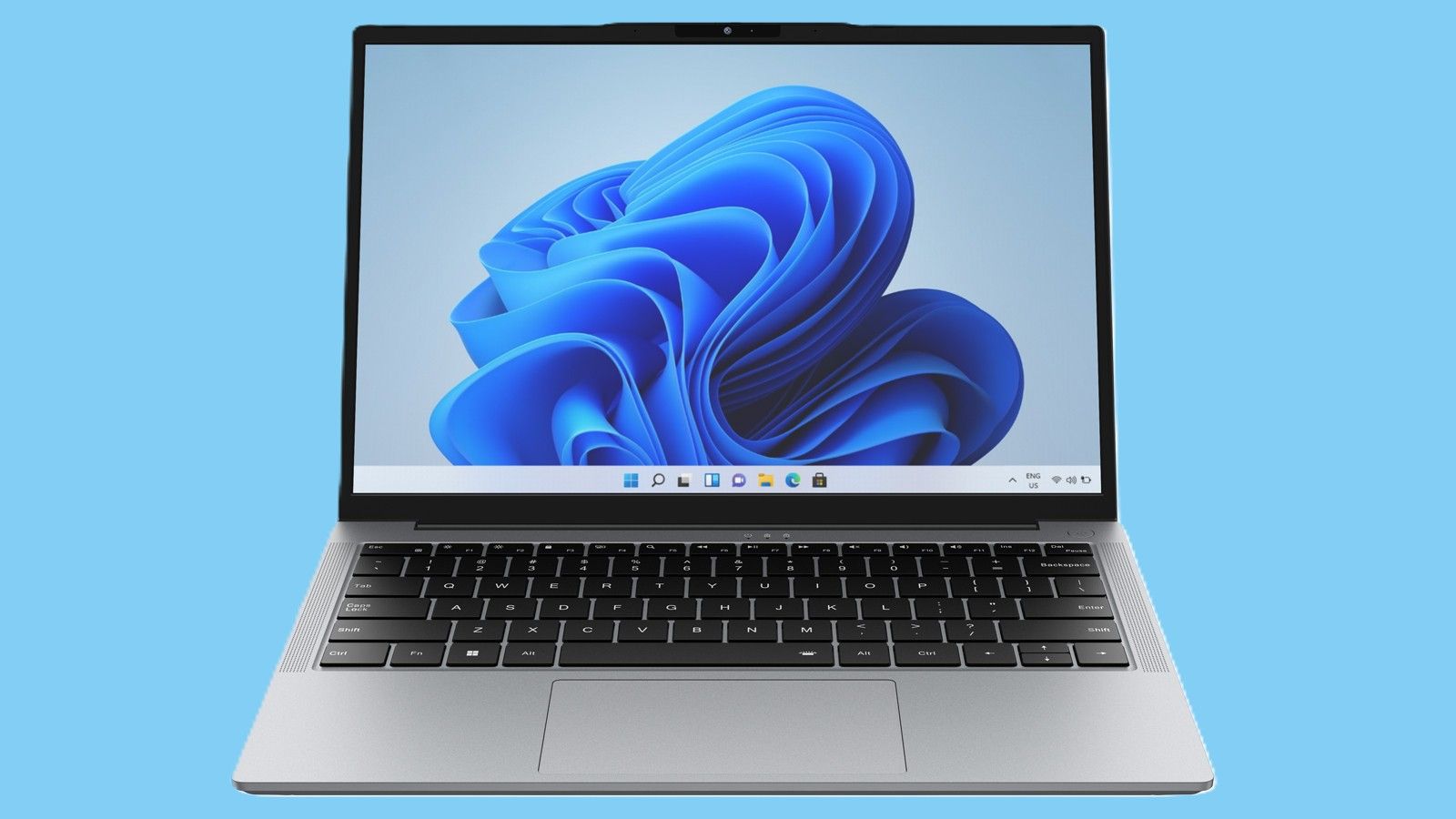
The emergence of Intel-powered Windows laptops as direct MacBook Neo competitors represents a critical market shift for cross-border electronics sellers. Windows manufacturers are launching devices with double the RAM and storage capacity at competitive price points, fundamentally altering the budget laptop segment's competitive dynamics. This development directly impacts seller inventory strategies, sourcing decisions, and pricing models across Amazon, eBay, and specialized electronics retailers.
Immediate Logistics & Sourcing Impact: The competitive pressure signals a 15-25% margin compression in the budget laptop category ($300-600 price range). Sellers currently stocking MacBook Neo inventory or Apple-adjacent products face urgent repositioning needs. The shift toward value-spec Windows laptops (higher RAM/storage configurations) means sellers should immediately evaluate sourcing from Intel-compatible manufacturers in Taiwan, China, and Vietnam. Specific product categories gaining traction: refurbished/open-box Windows laptops, laptop accessories (cooling pads, cases, docking stations), and upgrade components (RAM, SSDs) for existing Windows devices. Lead times from Asian manufacturers average 45-60 days, requiring immediate purchase orders to capture Q1 2025 demand before competitors saturate inventory.
Warehouse & Fulfillment Strategy: The competitive landscape favors sellers with distributed fulfillment networks. Budget-conscious consumers (primary MacBook Neo buyers) prioritize fast shipping and lower total landed costs. Sellers should redistribute inventory from centralized warehouses to regional 3PL facilities in US (California, Texas, New Jersey) and EU (Germany, UK) hubs. FBA storage costs for electronics average $0.87/unit/month; strategic placement in regional fulfillment centers reduces both storage duration and shipping costs by 12-18%. For high-velocity SKUs (popular Windows laptop models), consider FBA over FBM to capture Buy Box positioning—budget laptop buyers heavily weight Prime eligibility in purchasing decisions.
Inventory Actions (Next 30 Days): (1) Liquidate slow-moving MacBook inventory at 10-15% discounts to free capital; (2) Increase Windows laptop SKU count by 40-60% across Amazon/eBay catalogs; (3) Pre-position 2-3 months of high-demand Windows models in US regional warehouses before Q1 peak; (4) Evaluate supplier diversification—source from 2-3 manufacturers to mitigate single-source risk as demand volatility increases. Total landed cost for Windows laptops from China: $280-320 (FOB) + $35-45 (ocean freight/unit) + $15-20 (customs/duties) + $8-12 (last-mile) = $338-397 landed cost, supporting 25-35% retail margins at $450-550 price points.
Competitive Pricing & Category Expansion: The "first true MacBook Neo rivals" positioning creates opportunities in adjacent categories. Sellers should expand into Windows laptop accessories (estimated $2.1B cross-border category), protective cases ($8-15 retail, 60% margins), USB-C hubs ($25-45, 55% margins), and cooling solutions ($30-60, 50% margins). These high-margin accessories capture demand from new Windows laptop buyers seeking enhanced functionality. Monitor Amazon BSR trends in Electronics > Computers & Accessories—expect 20-30% category growth in Q1 2025 as new devices reach market.
Questions 8
What inventory actions should sellers take in the next 30 days?
Execute four immediate actions: (1) Liquidate slow-moving MacBook inventory at 10-15% discounts to recover capital; (2) Increase Windows laptop SKU count by 40-60% across Amazon and eBay catalogs; (3) Pre-position 2-3 months of high-demand Windows models in regional US/EU warehouses before Q1 peak demand; (4) Diversify suppliers across 2-3 manufacturers to mitigate single-source risk as demand volatility increases. Prioritize sourcing from established Taiwan and China manufacturers with 45-60 day lead times. Monitor competitor pricing weekly and adjust your listings to maintain 5-8% price competitiveness while protecting margins.
Which warehouse locations offer strategic advantages for budget laptop sales?
Regional 3PL facilities in California, Texas, and New Jersey for US distribution, plus Germany and UK hubs for EU markets, optimize fulfillment for budget-conscious consumers prioritizing fast shipping. Budget laptop buyers heavily weight Prime eligibility and shipping speed in purchasing decisions. FBA placement in these regions reduces storage duration by 15-20 days compared to centralized warehousing, lowering per-unit storage costs from $0.87/month to approximately $0.72/month. Consider FBA over FBM for high-velocity SKUs (popular Windows models) to capture Buy Box positioning, which drives 40-60% higher conversion rates in competitive electronics categories.