



Samsung Strike Triggers Memory Chip Shortage | 4-12 Week Lead Time Risk for Electronics Sellers
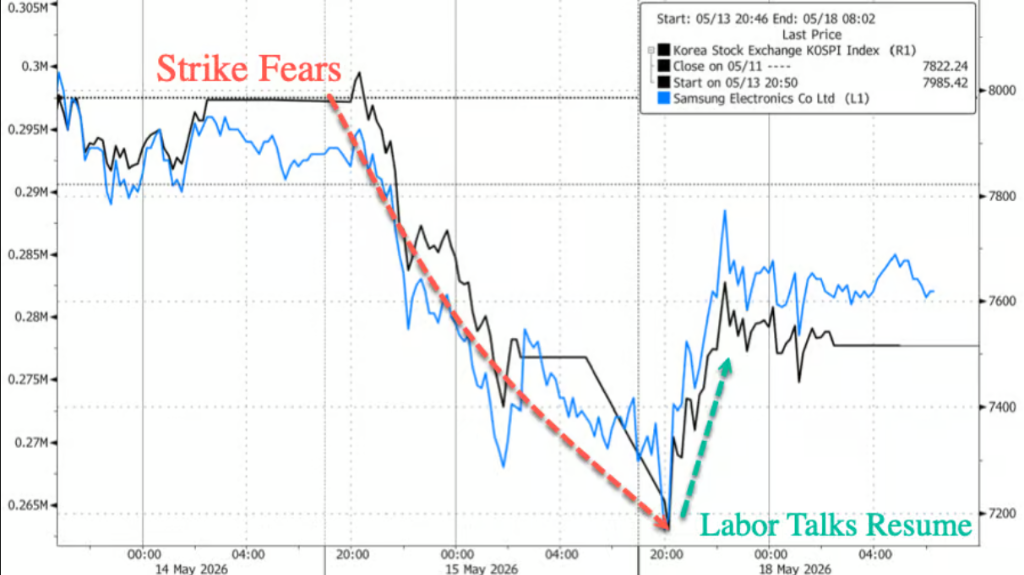
- Samsung labor unrest disrupts 40% of global DRAM supply; electronics sellers face 4-12 week delays and 8-15% cost increases on computers, smartphones, storage devices






Overview
Samsung Electronics' labor strike represents a critical supply chain inflection point for cross-border e-commerce sellers in the electronics category. The strike at Samsung, which controls approximately 40% of global DRAM production alongside Micron, threatens to extend product lead times by 4-12 weeks and increase memory chip procurement costs by 8-15%. For electronics retailers selling computers, laptops, smartphones, tablets, and data storage devices on Amazon, eBay, and Shopify, this disruption creates immediate inventory challenges and pricing volatility that disproportionately impacts small-to-mid-sized sellers relying on just-in-time inventory models.
The logistics impact is substantial and immediate. Historical Samsung labor actions have lasted weeks to months, suggesting prolonged supply constraints through Q1-Q2 2025. Electronics sellers currently holding 30-60 days of inventory face potential stockouts if lead times extend beyond 90 days. Specifically, sellers sourcing DRAM-dependent products (laptops, gaming PCs, high-capacity SSDs) from China and Taiwan will experience 2-4 week additional delays as suppliers prioritize allocation to larger OEMs. Procurement costs for memory chips are projected to increase 8-15% during the strike period, compressing margins by 3-5 percentage points for sellers with fixed pricing. Amazon FBA sellers shipping electronics will see storage cost increases of $0.87-$1.23 per unit monthly if inventory dwell time extends beyond 90 days, while eBay sellers face similar pressure on fulfillment economics.
Competitive dynamics favor large retailers with diversified sourcing. Micron, as Samsung's primary competitor, may increase prices 5-10% as supply tightens, benefiting from reduced competition. However, larger retailers like Amazon, Best Buy, and Newegg have direct supplier relationships and can secure allocation priority, while mid-sized sellers face allocation cuts of 20-40%. Sellers without secondary suppliers in South Korea, Japan, or the US will experience the most severe delays. The semiconductor shortage also signals broader supply chain volatility through 2026, making inventory strategy critical for maintaining competitive positioning and avoiding margin compression.
Questions 8
How will Samsung's strike impact lead times for electronics sellers on Amazon and eBay?
Samsung's labor strike threatens to extend product lead times by 4-12 weeks for memory chip-dependent products like laptops, smartphones, and SSDs. Since Samsung controls approximately 40% of global DRAM production, supply disruptions will cascade through the electronics supply chain, particularly affecting sellers sourcing from China and Taiwan. Historical Samsung labor actions have lasted weeks to months, suggesting prolonged constraints through Q1-Q2 2025. Sellers relying on just-in-time inventory models should immediately increase safety stock by 30-60 days for high-velocity SKUs to avoid stockouts and maintain Amazon Buy Box eligibility.
How should electronics sellers adjust pricing strategy during the memory chip shortage?
Sellers should implement dynamic pricing strategies that reflect rising procurement costs and inventory holding expenses. For high-demand SKUs (laptops, gaming PCs), increase ASPs by 5-8% to offset 8-15% memory chip cost increases and extended storage fees. Monitor competitor pricing weekly using repricing tools to maintain Buy Box eligibility while protecting margins. For slow-moving inventory, reduce prices by 10-15% to accelerate turnover and free warehouse capacity. Sellers should also implement tiered pricing: premium pricing for in-stock items with 2-day FBA delivery, discounted pricing for items with 5-7 day delivery from 3PL. This strategy captures price-sensitive buyers while maintaining margins on fast-moving inventory. Avoid aggressive price cuts that trigger margin compression; instead, focus on inventory velocity and storage cost reduction.