


Strait of Hormuz Cable Threats & Shipping Costs | E-Commerce Logistics Impact 2025
- Insurance premiums surge 300%, Brent crude hits $100/barrel, digital payment disruption risks threaten cross-border sellers dependent on Gulf shipping routes and undersea cable networks











)


Overview
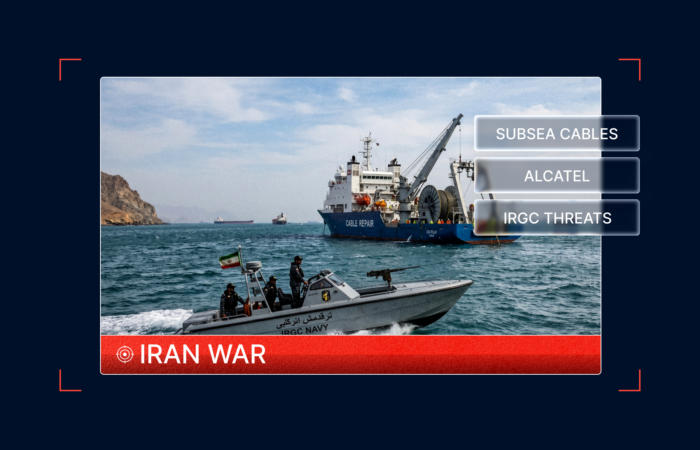
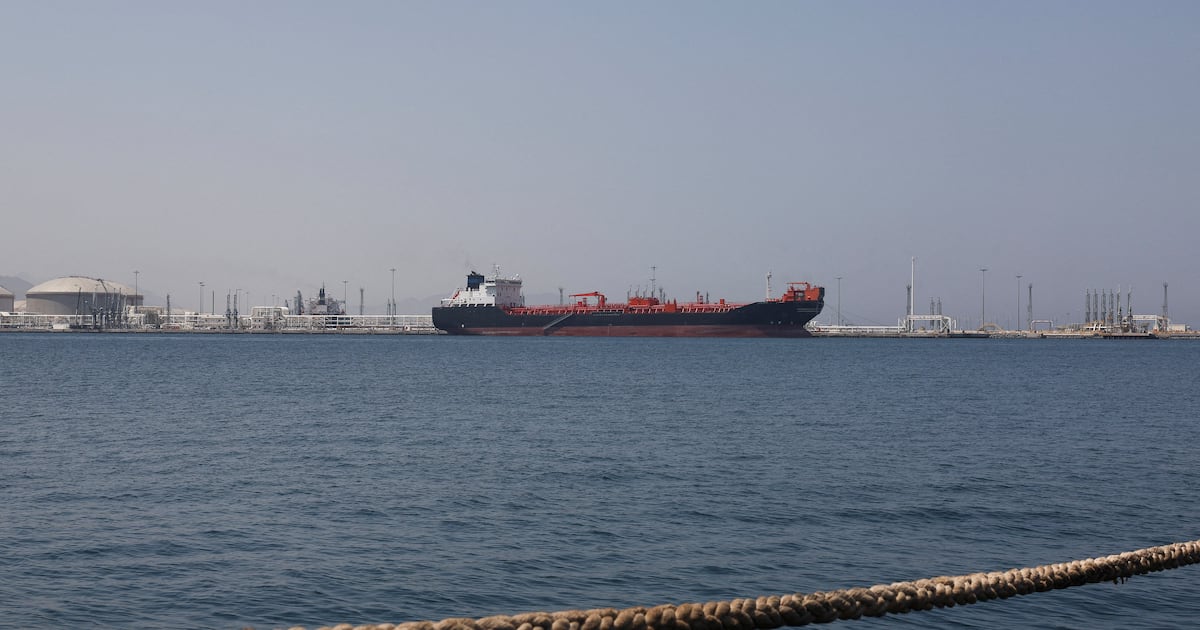
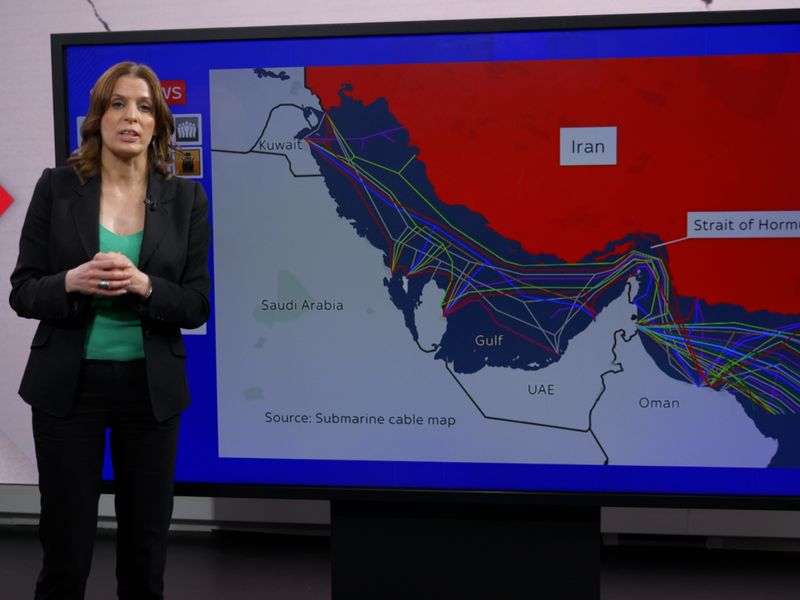
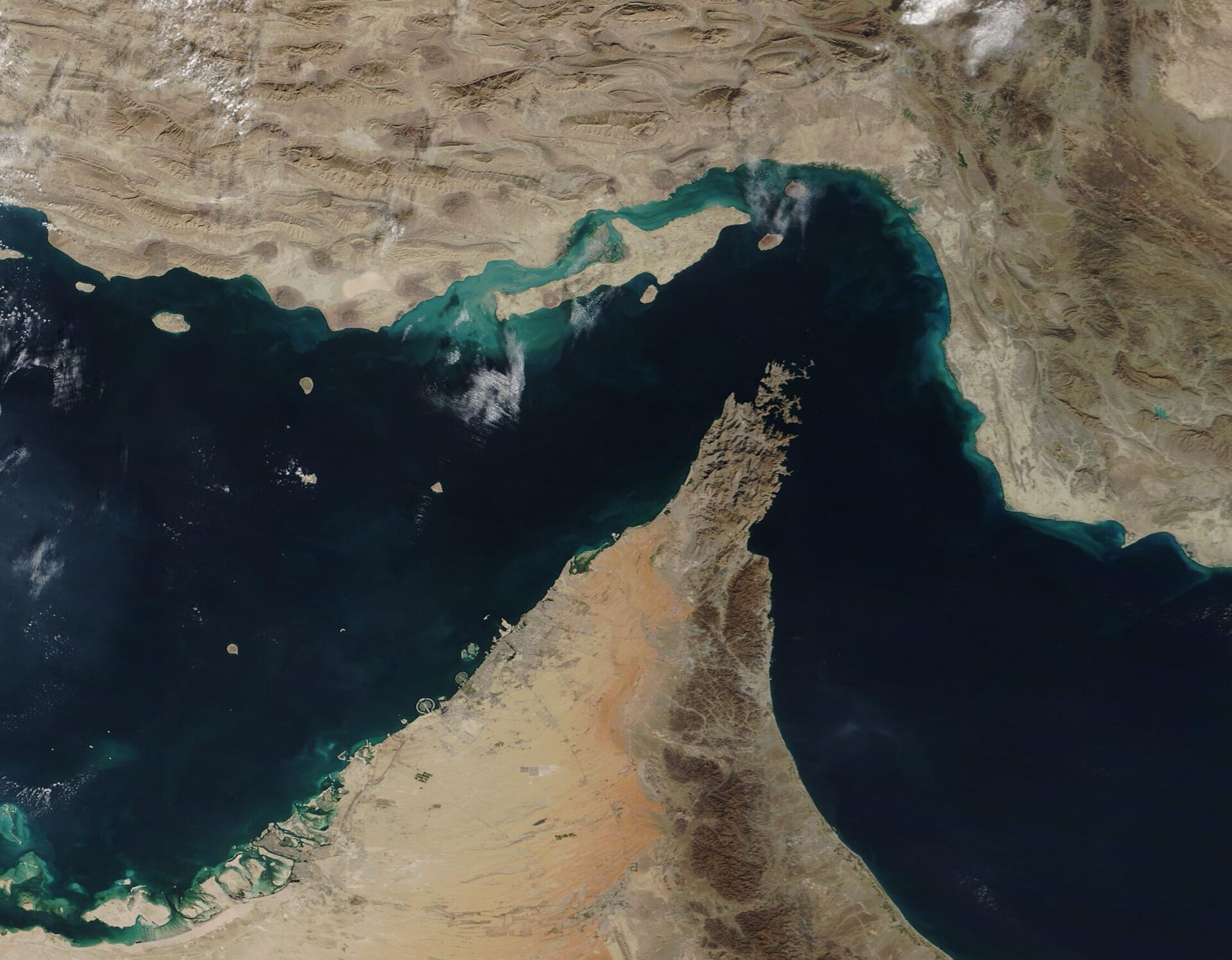
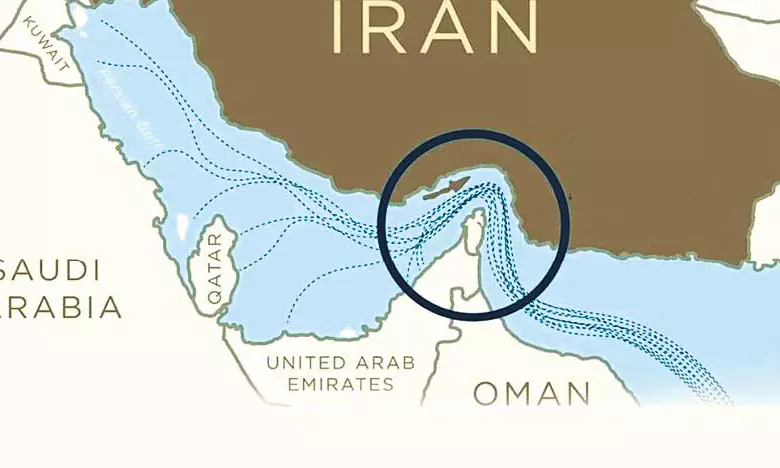
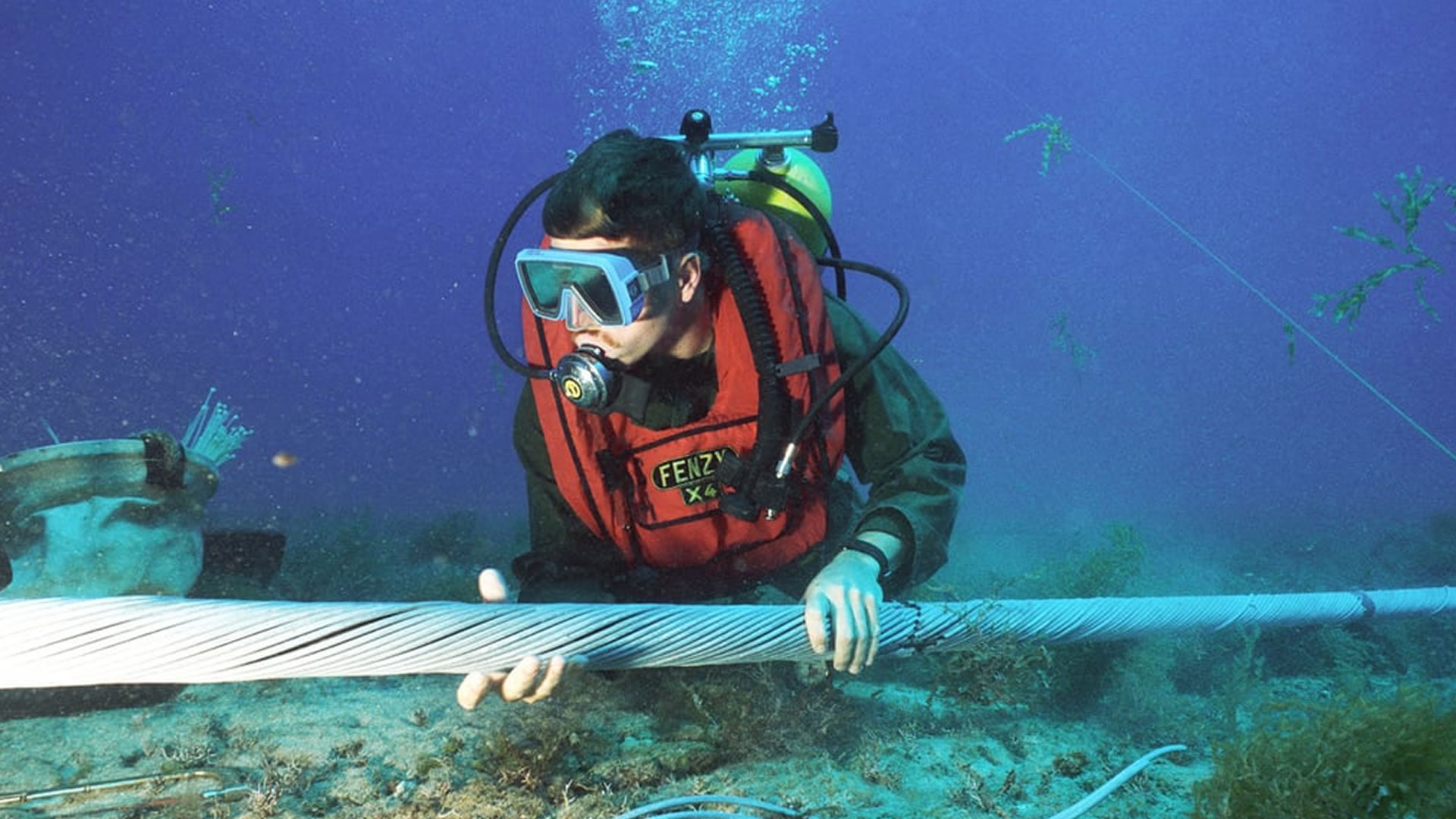
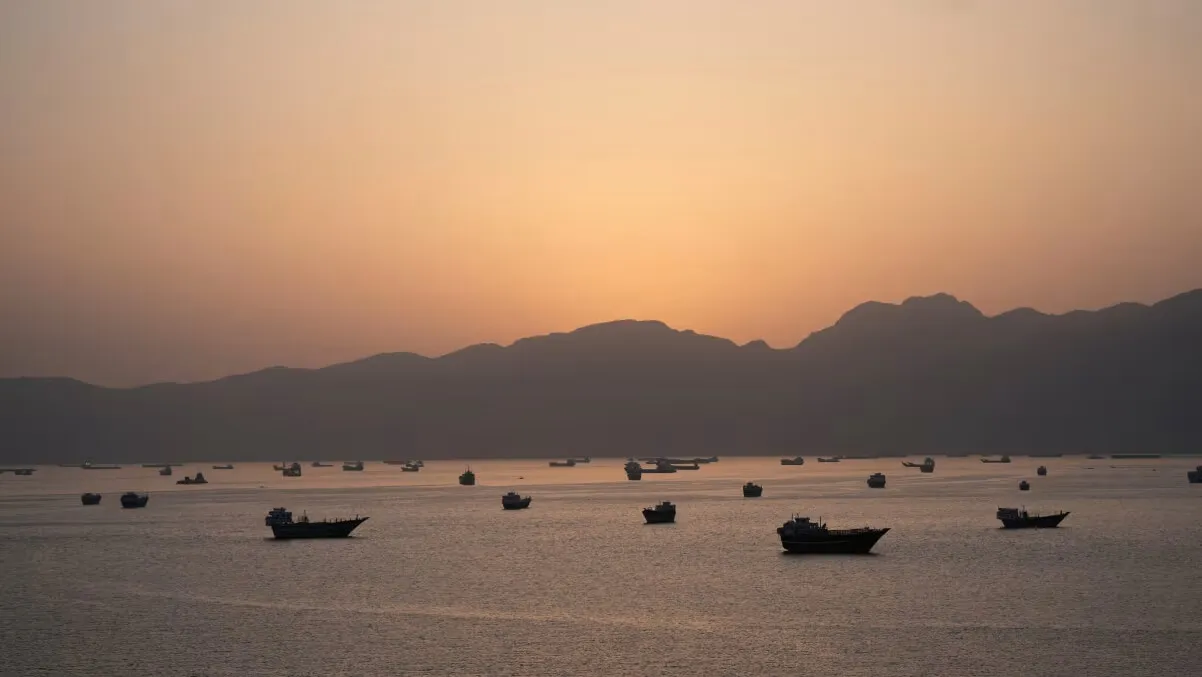
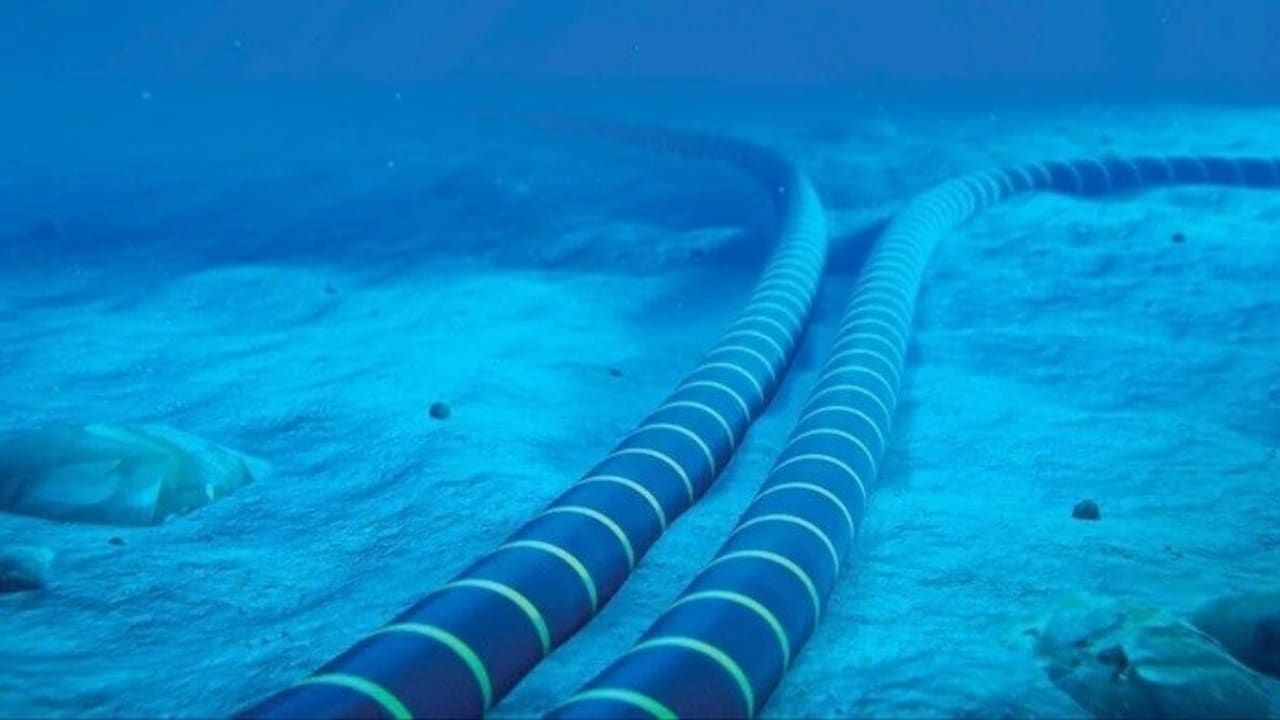
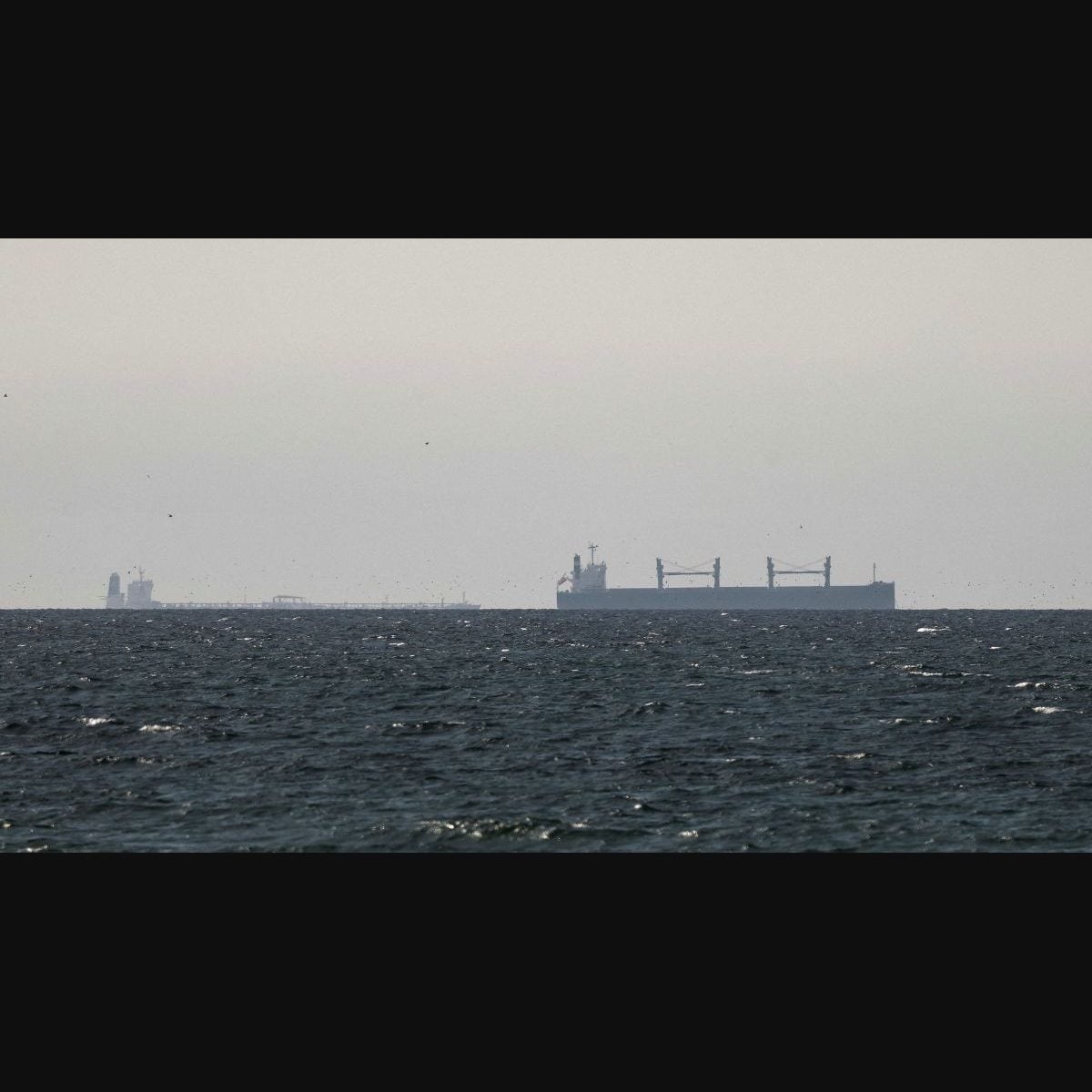
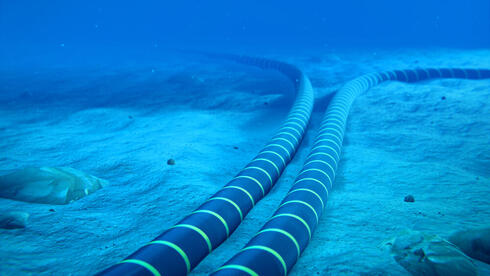
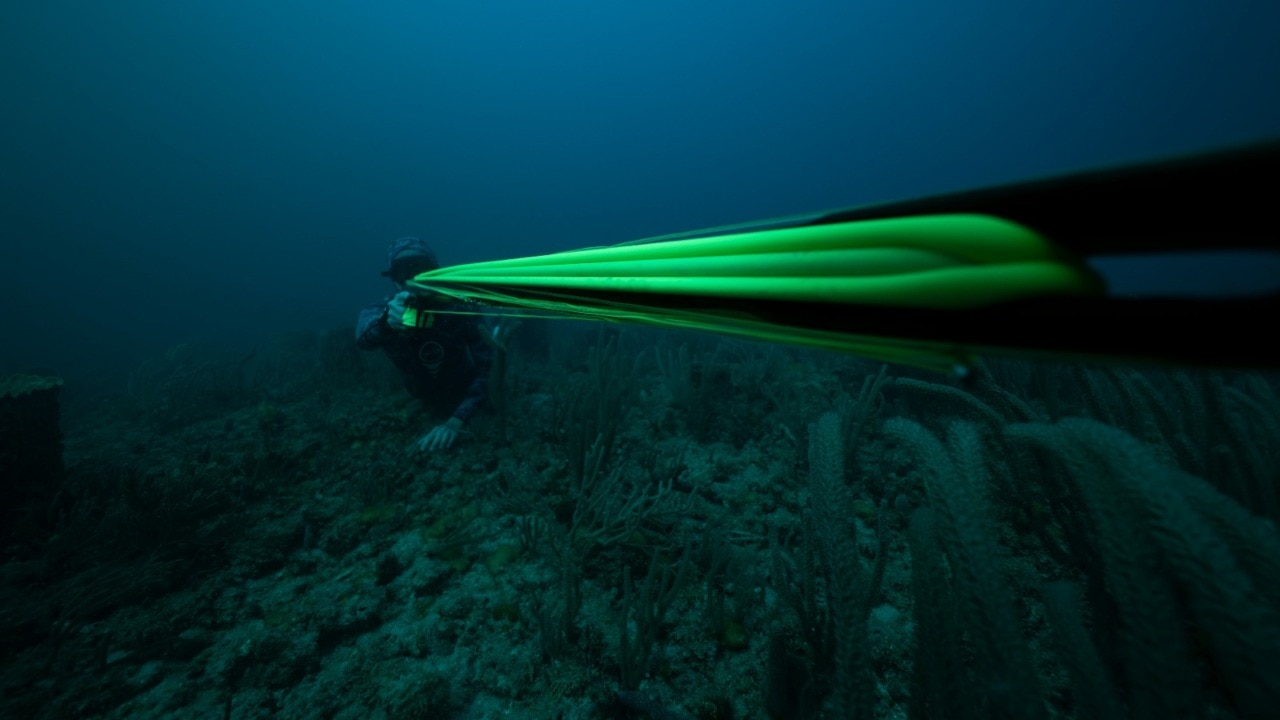
Iran's escalating threats to levy fees on undersea fiber-optic cables beneath the Strait of Hormuz and control vessel transit represent a critical supply chain vulnerability for cross-border e-commerce sellers. The Strait handles 20% of global seaborne oil and transmits 500,000 gigabytes of data hourly through at least seven critical cables (Falcon, Gulf Bridge International, and others), with transactions valued at $10 trillion annually flowing through these networks. Recent geopolitical tensions have already driven tangible economic impacts: shipping insurance premiums for Gulf vessels surged over 300% within days, while Brent crude crossed $100 per barrel for the first time since 2022—directly translating to higher fuel surcharges and logistics costs for sellers.
For e-commerce sellers, this creates a dual operational crisis: First, increased shipping insurance and fuel costs directly compress margins for goods transiting the Persian Gulf region. Sellers dependent on Gulf shipping routes face $28+ billion in energy import bill increases across allied nations, translating to 8-15% logistics cost increases for affected shipments. Second, digital infrastructure threats pose secondary but equally critical risks to payment processing, inventory management systems, and customer communications relying on undersea cable networks. Cable disruption could cause banking system delays, transaction interruptions, and platform connectivity failures—particularly impacting sellers relying on real-time inventory sync with Amazon Seller Central, Shopify dashboards, and payment processors.
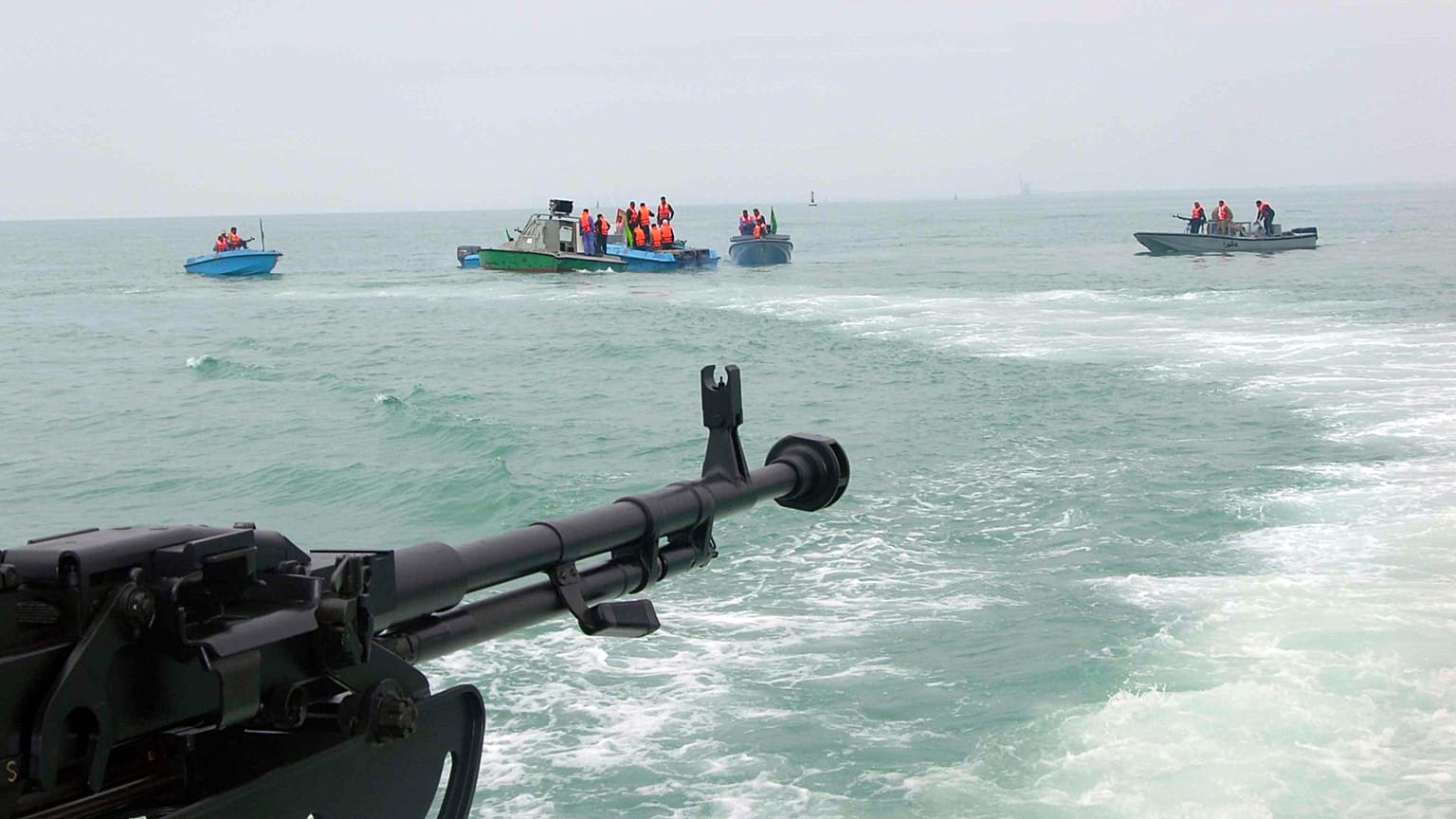
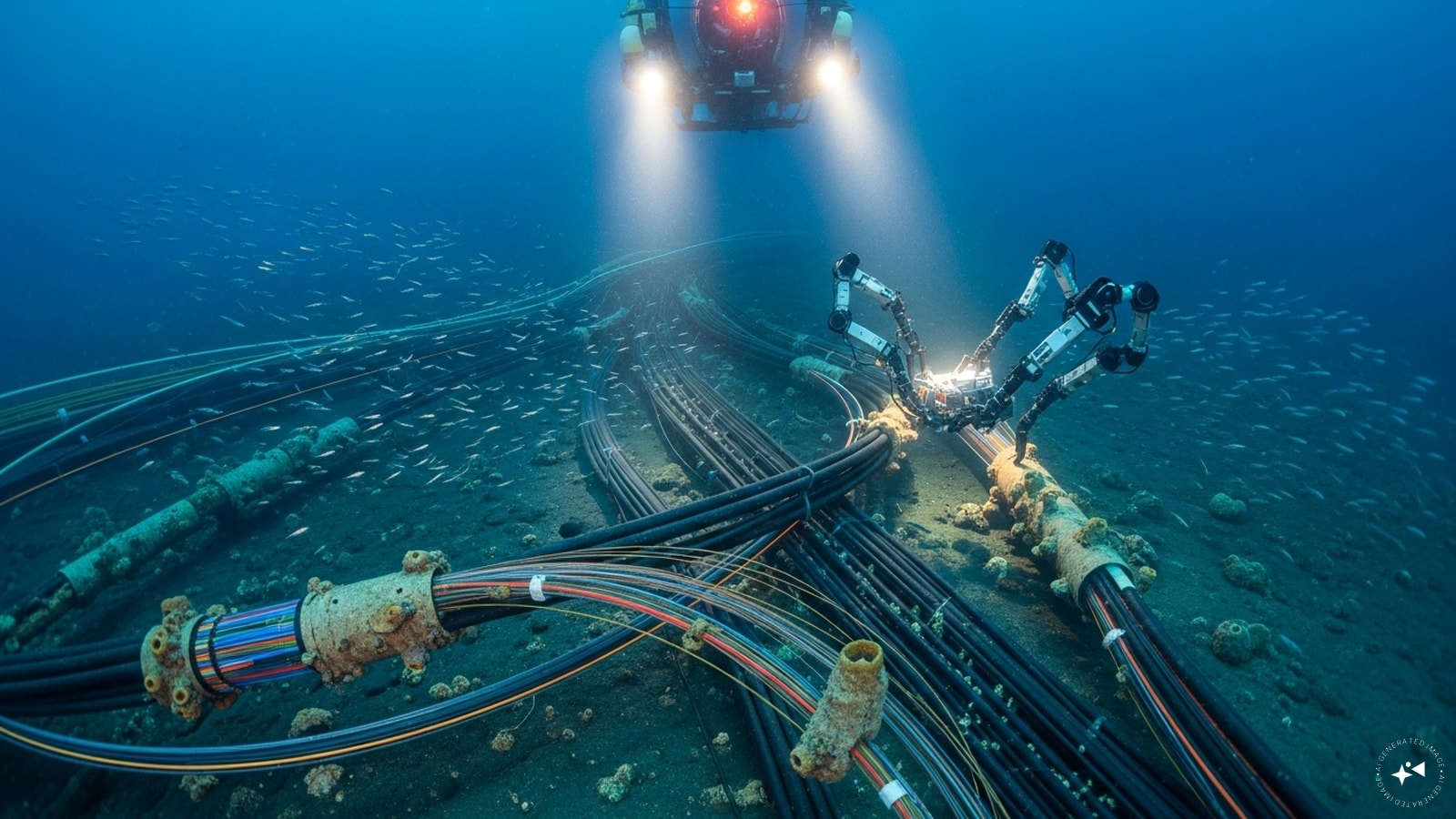
The strategic context matters for timing: While experts assess Iran's proposal to charge cable usage fees as largely unrealistic (cables pass miles offshore without terminating in Iranian territory, making fee collection technically impossible), the underlying threat of cable sabotage remains credible. Small submarines and underwater drones operated by the Revolutionary Guard could damage cables, though enforcement challenges exist given constant US air patrols. However, the precedent-setting nature of this strategy is significant—if Iran successfully weaponizes geographic chokepoints, other nations (North Korea, China) may follow suit, establishing a new asymmetric warfare doctrine targeting both energy and digital infrastructure simultaneously.
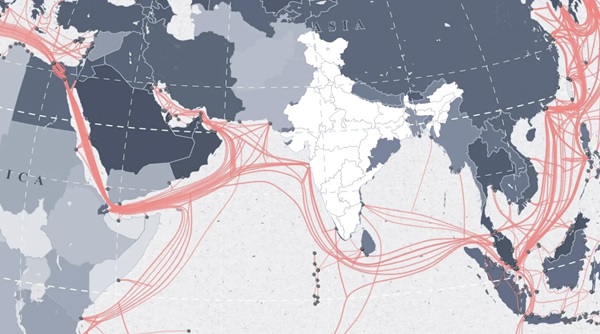
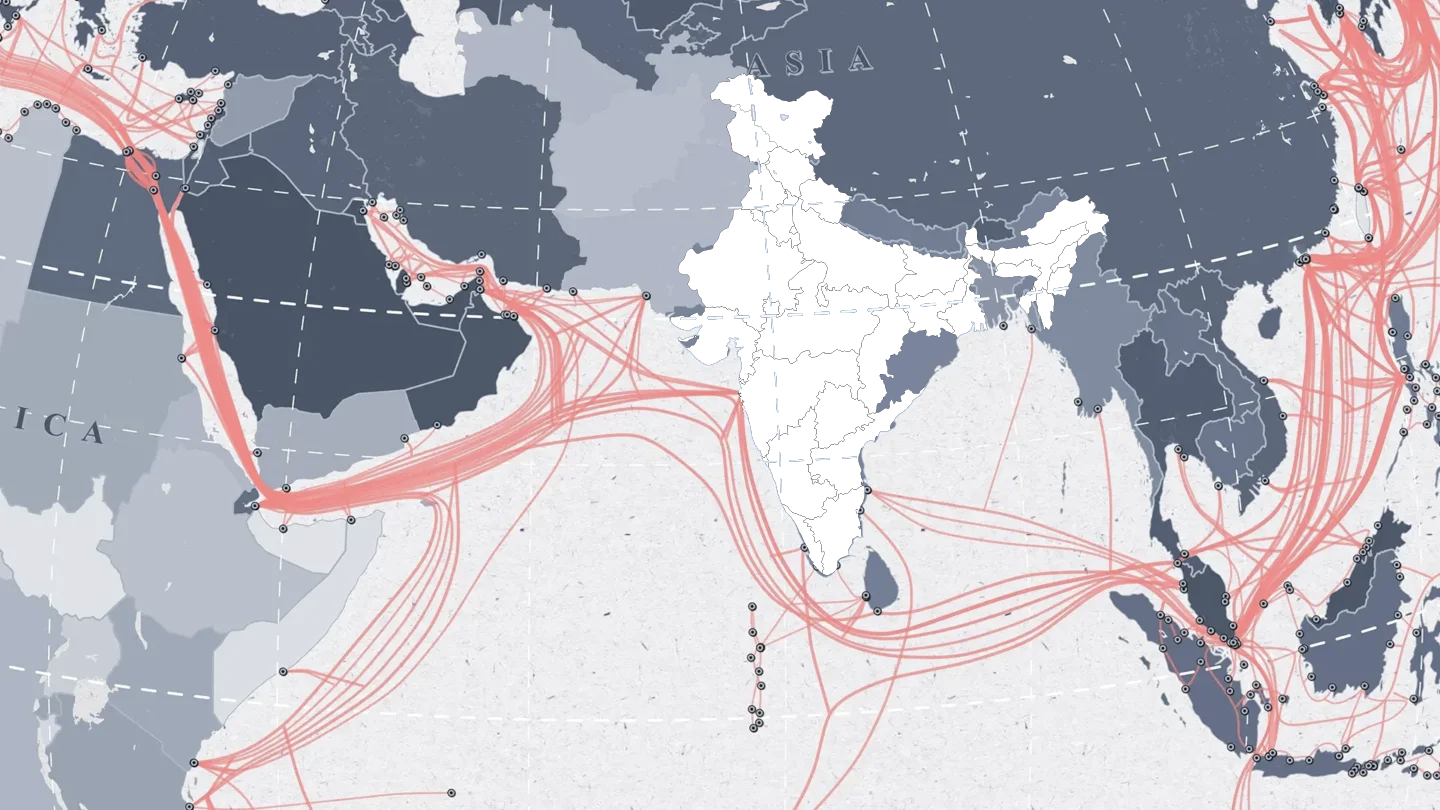
Market-specific impacts vary by seller segment: Sellers shipping electronics, machinery, and high-value goods through Suez-to-Gulf routes face immediate cost pressures. India's outsourcing industry and East African e-commerce operations face severe connectivity risks. Gulf state sellers exporting oil/gas-related products experience compounded disruption. However, sellers routing through alternative overland connections (Iraq-Iran corridors) or Omani-side cables (where most operators have already repositioned infrastructure) face lower immediate risk. The transition period—potentially 2-3 years before infrastructure diversification through new pipelines and cable re-routing—ensures continued Iranian structural leverage, creating a sustained cost environment rather than a temporary spike.
Questions 8
What is the timeline for when these risks will materialize or resolve?
Immediate risks (0-6 months): Continued elevated shipping insurance premiums (300%+ surge already occurring) and fuel surcharges ($100+ Brent crude pricing). Medium-term risks (6-24 months): Potential cable sabotage if diplomatic negotiations fail, creating 24-72 hour disruption windows. Long-term outlook (24-36 months): Infrastructure diversification through new pipelines and cable re-routing will gradually reduce Iranian leverage, but costs will remain elevated throughout this period. Sellers should assume sustained 8-12% logistics cost increases for Gulf-dependent routes through 2027. Monitor US-Iran diplomatic negotiations closely—any breakthrough could rapidly shift risk assessment. Set quarterly reviews of shipping costs and route efficiency to identify optimization opportunities.
How should sellers prepare for potential cable disruption scenarios?
Implement redundant payment gateways (Stripe, PayPal, 2Checkout) to ensure checkout continuity during payment processor failures. Establish backup inventory management systems with offline sync capabilities for Amazon Seller Central and Shopify. Diversify customer communication channels (email, SMS, WhatsApp) to avoid single-point-of-failure reliance on undersea cables. Build 15-30 day inventory buffers for high-velocity SKUs to absorb potential 24-72 hour disruption windows. Test disaster recovery procedures quarterly. Consider geographic diversification of fulfillment centers—if currently relying on single Gulf-region 3PL, establish secondary fulfillment in Southeast Asia or Europe. Monitor TeleGeography and Kentik reports for real-time cable status updates.