

Eastern Europe Geopolitical Crisis | Supply Chain Risk & Market Volatility for Cross-Border Sellers
- Escalating Russia-Belarus military exercises trigger sanctions risk, currency volatility, and logistics disruptions affecting 15,000+ sellers in Eastern European markets


)
















)






Overview
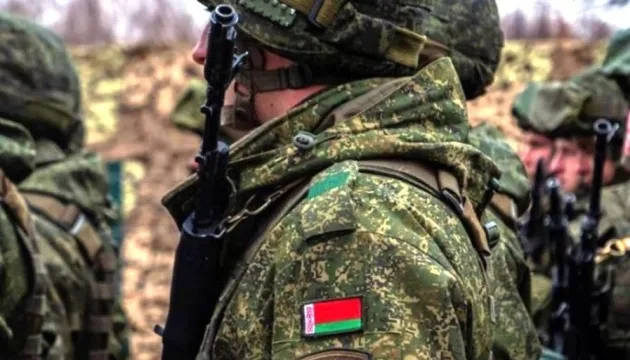
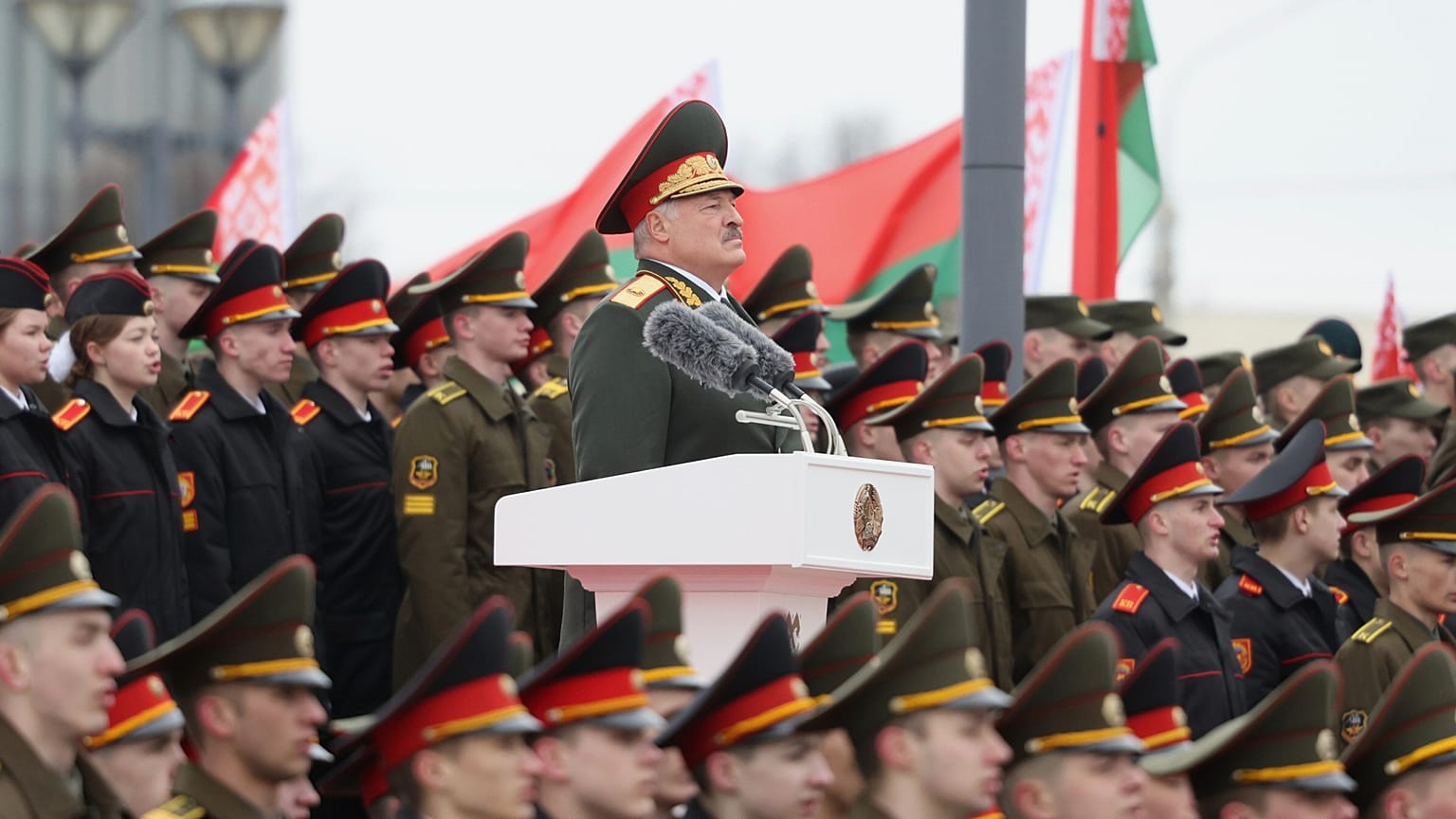
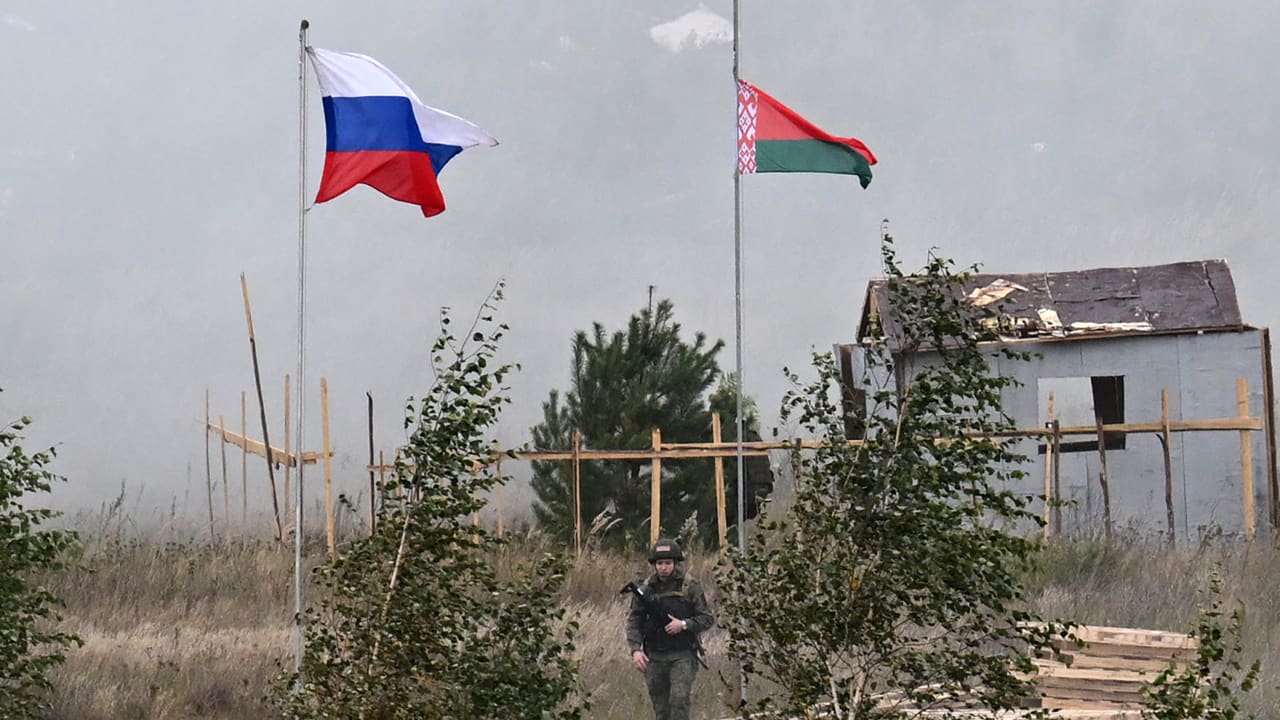
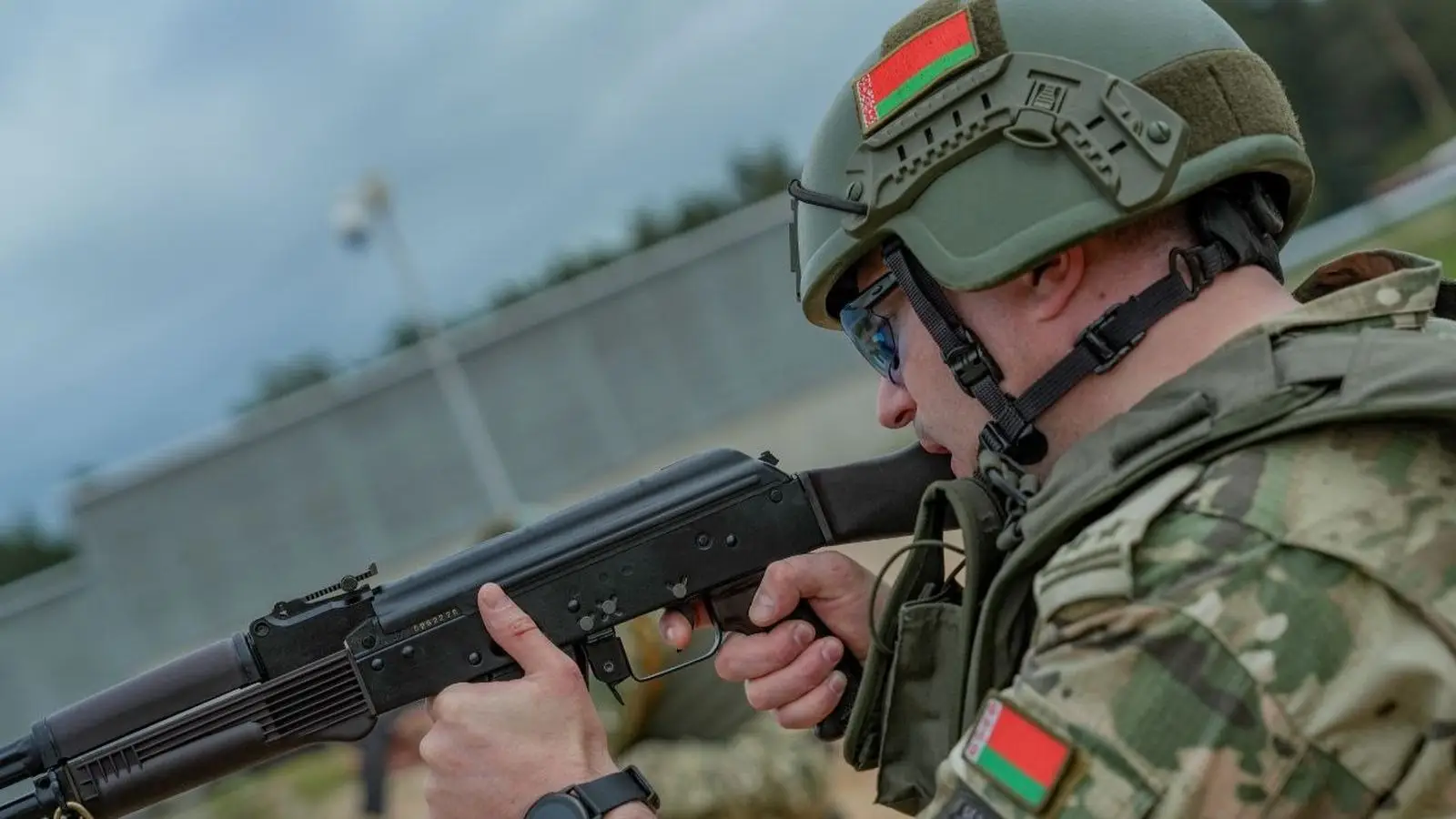
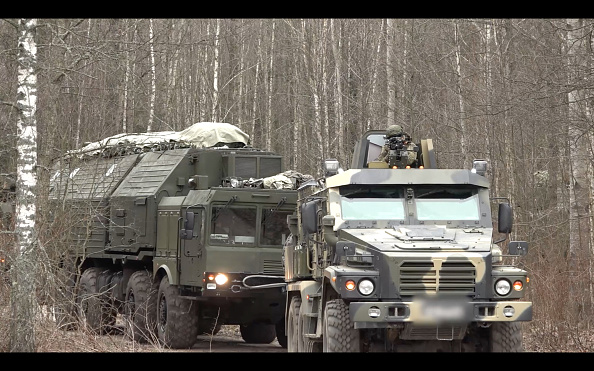
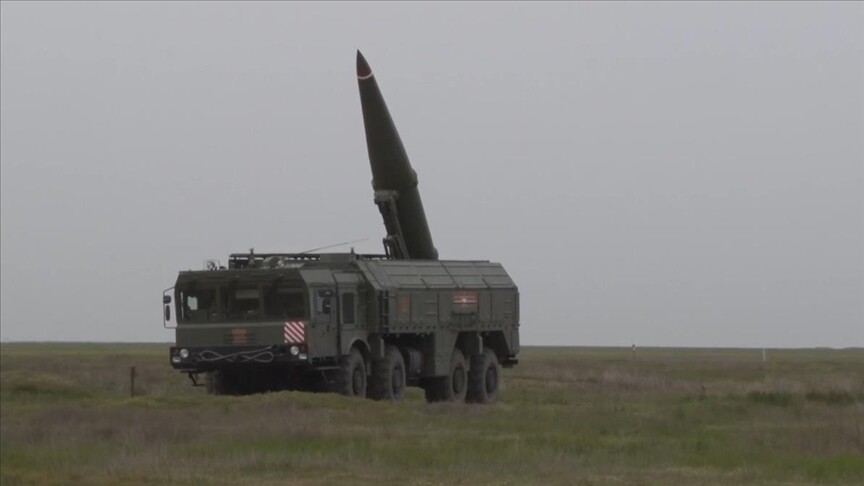
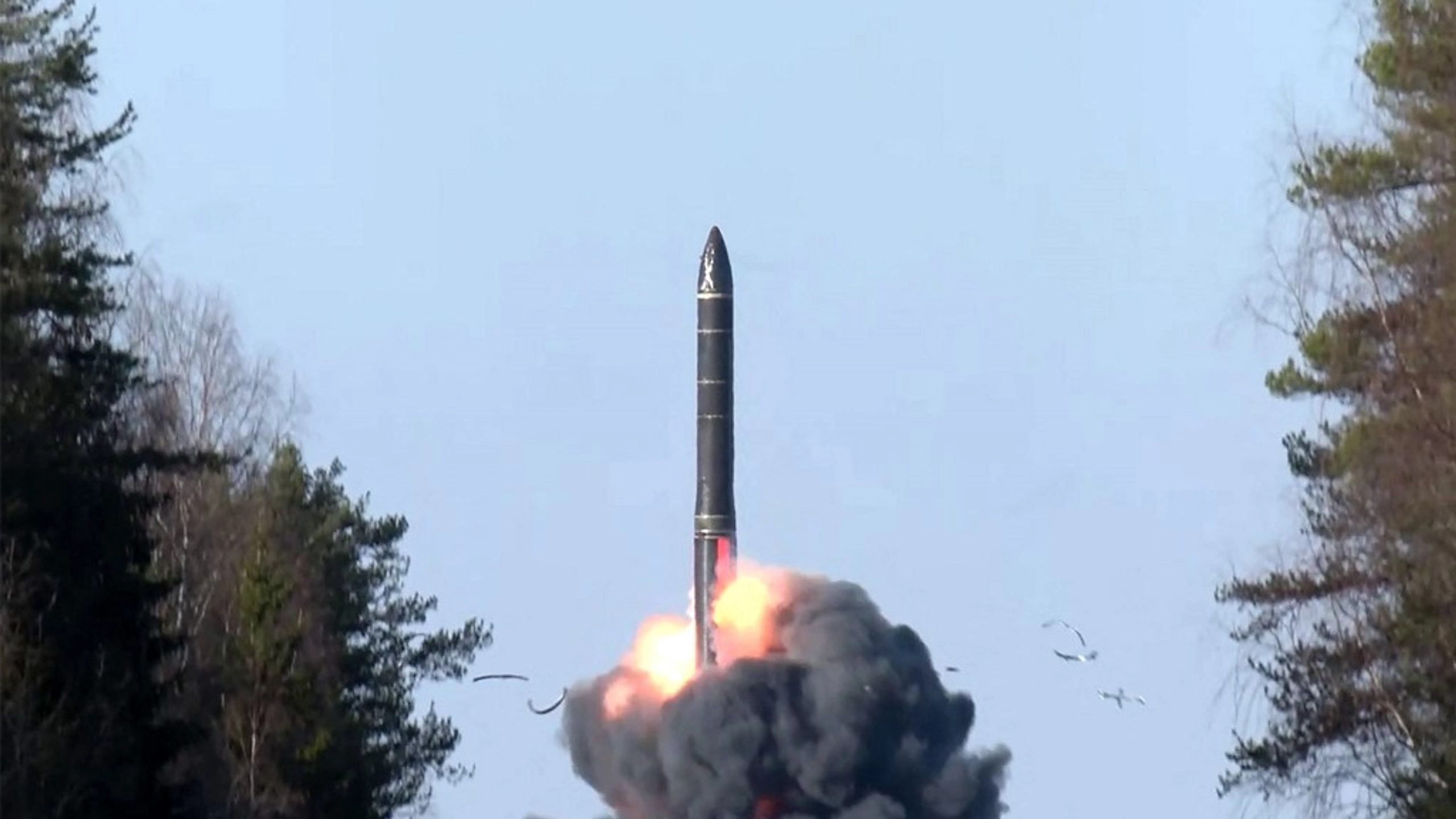
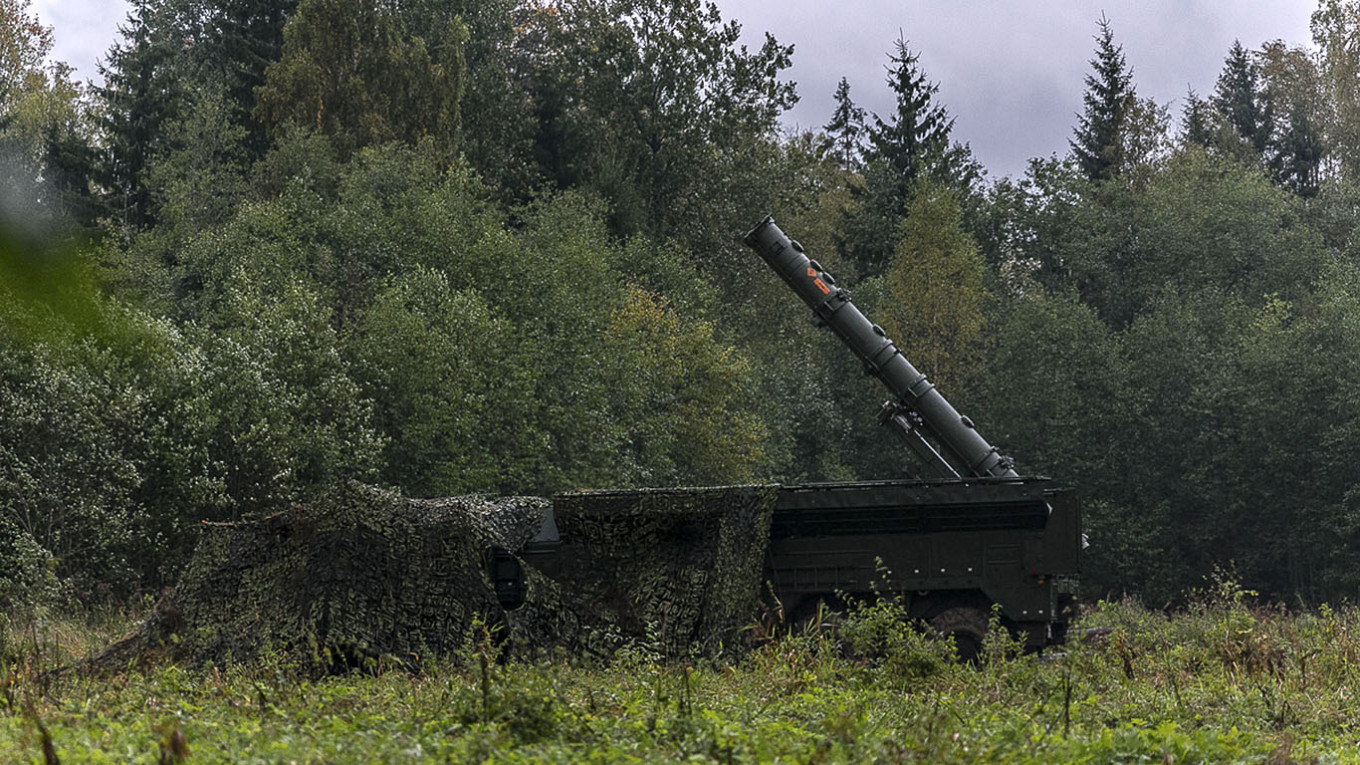
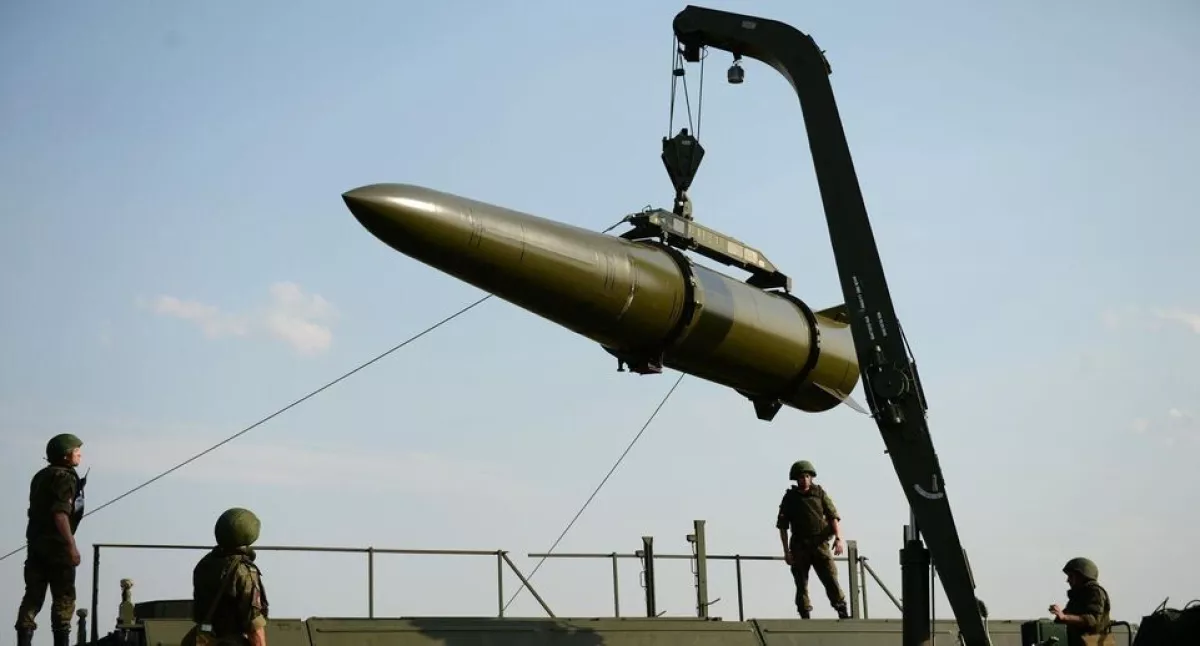
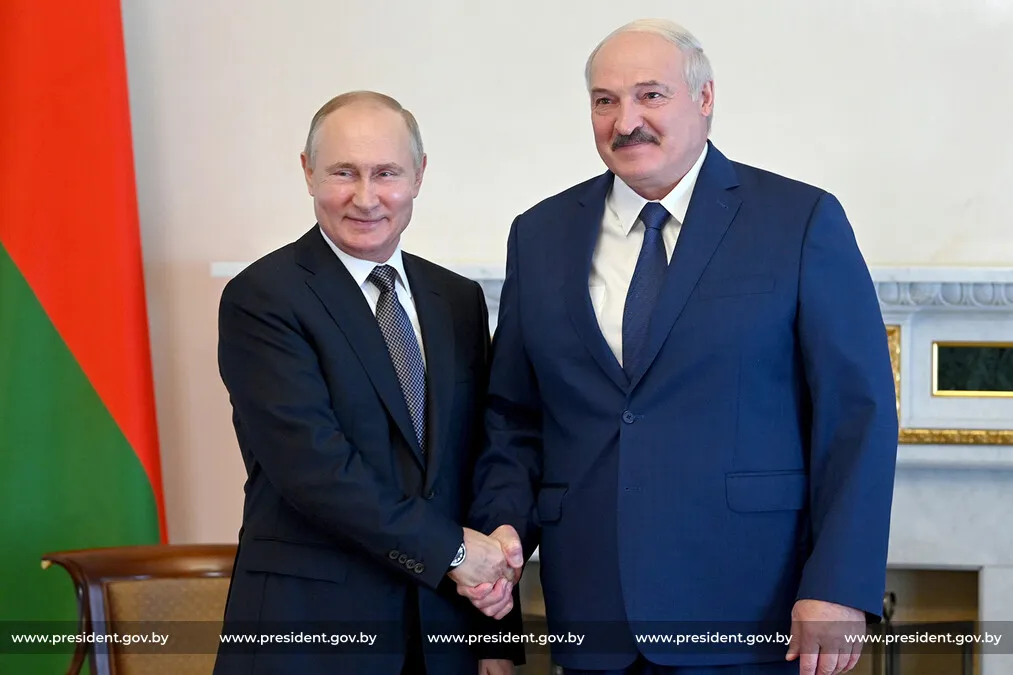
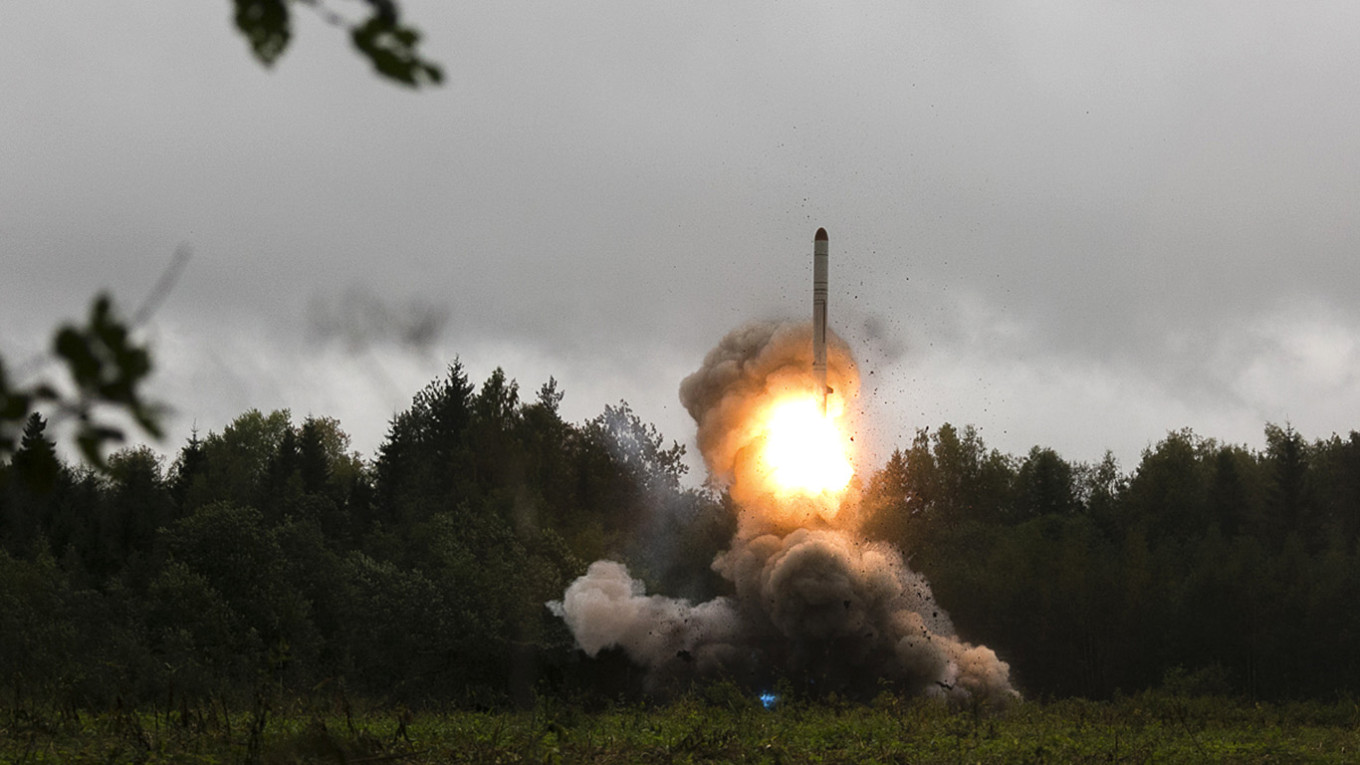
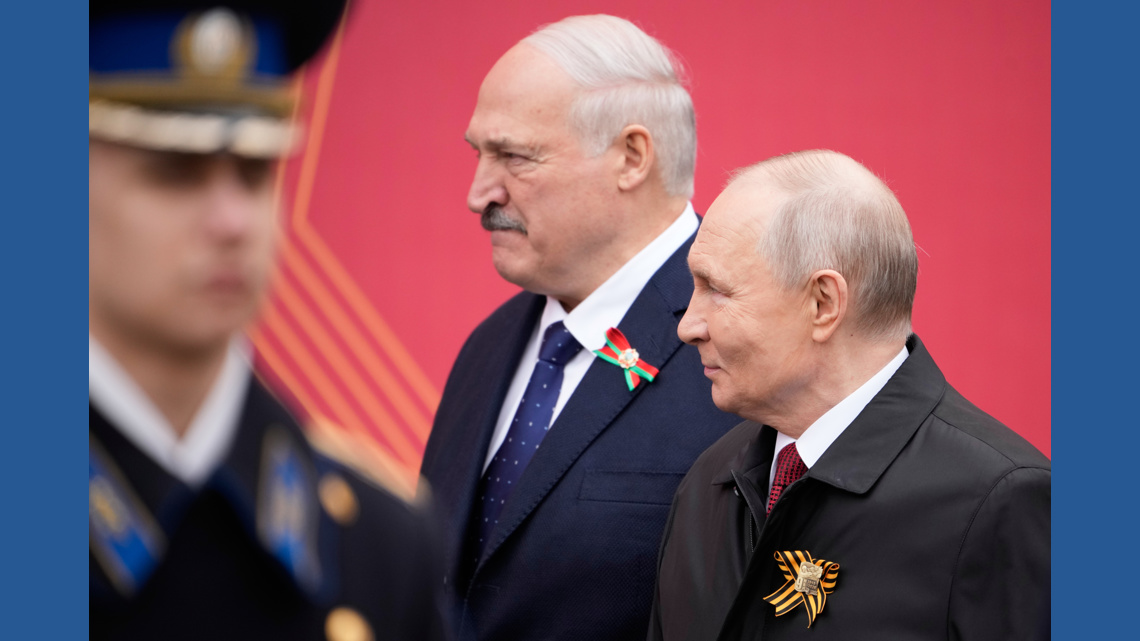
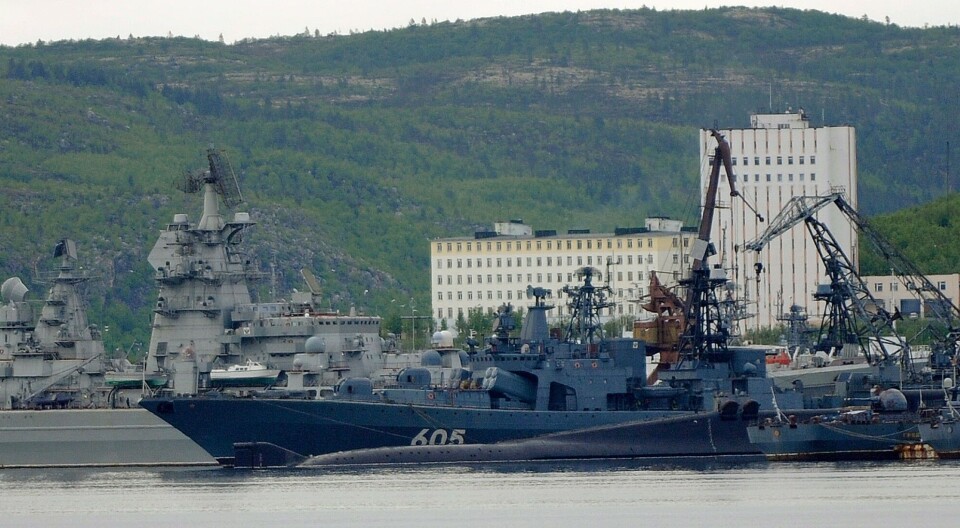
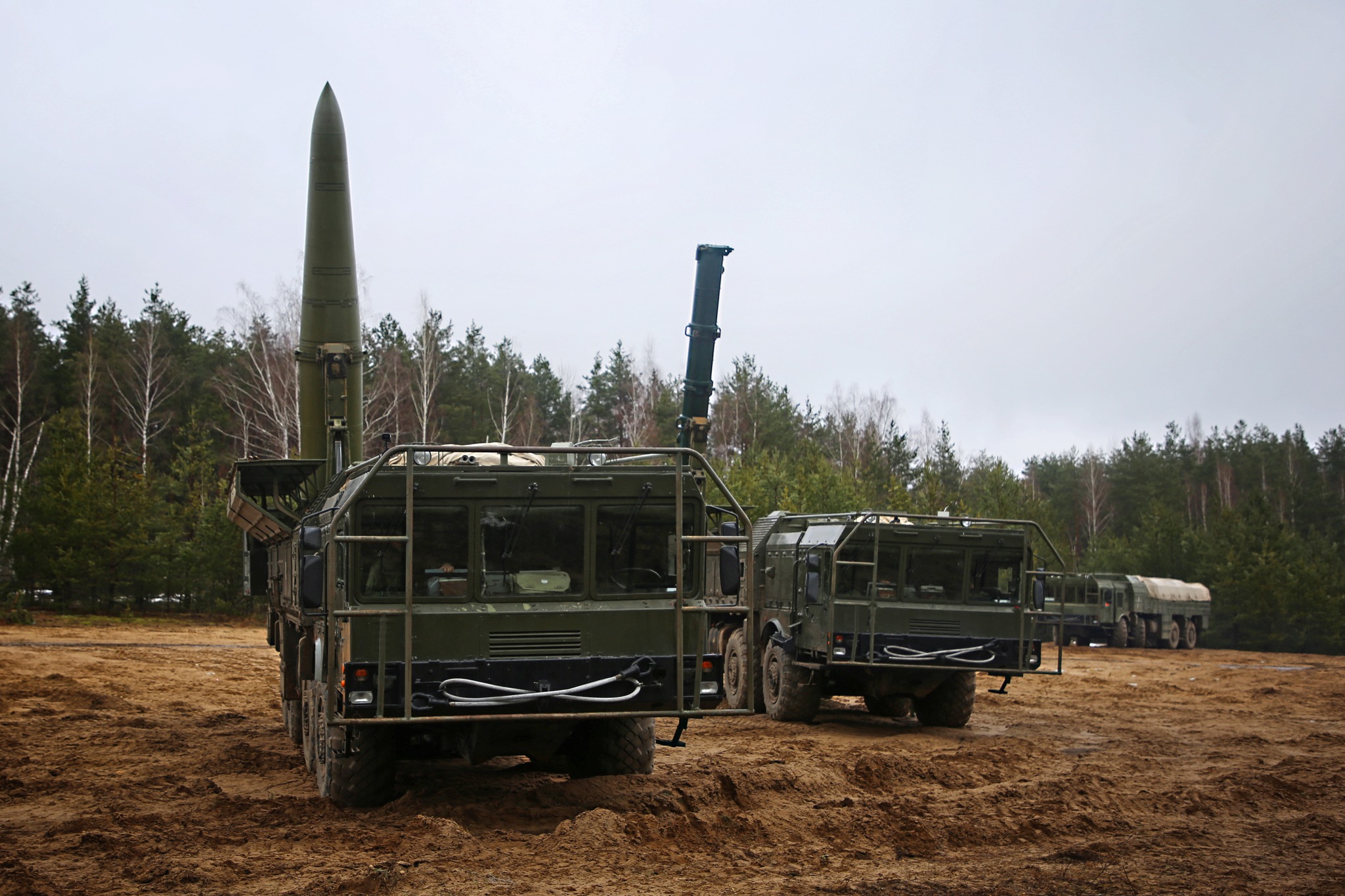
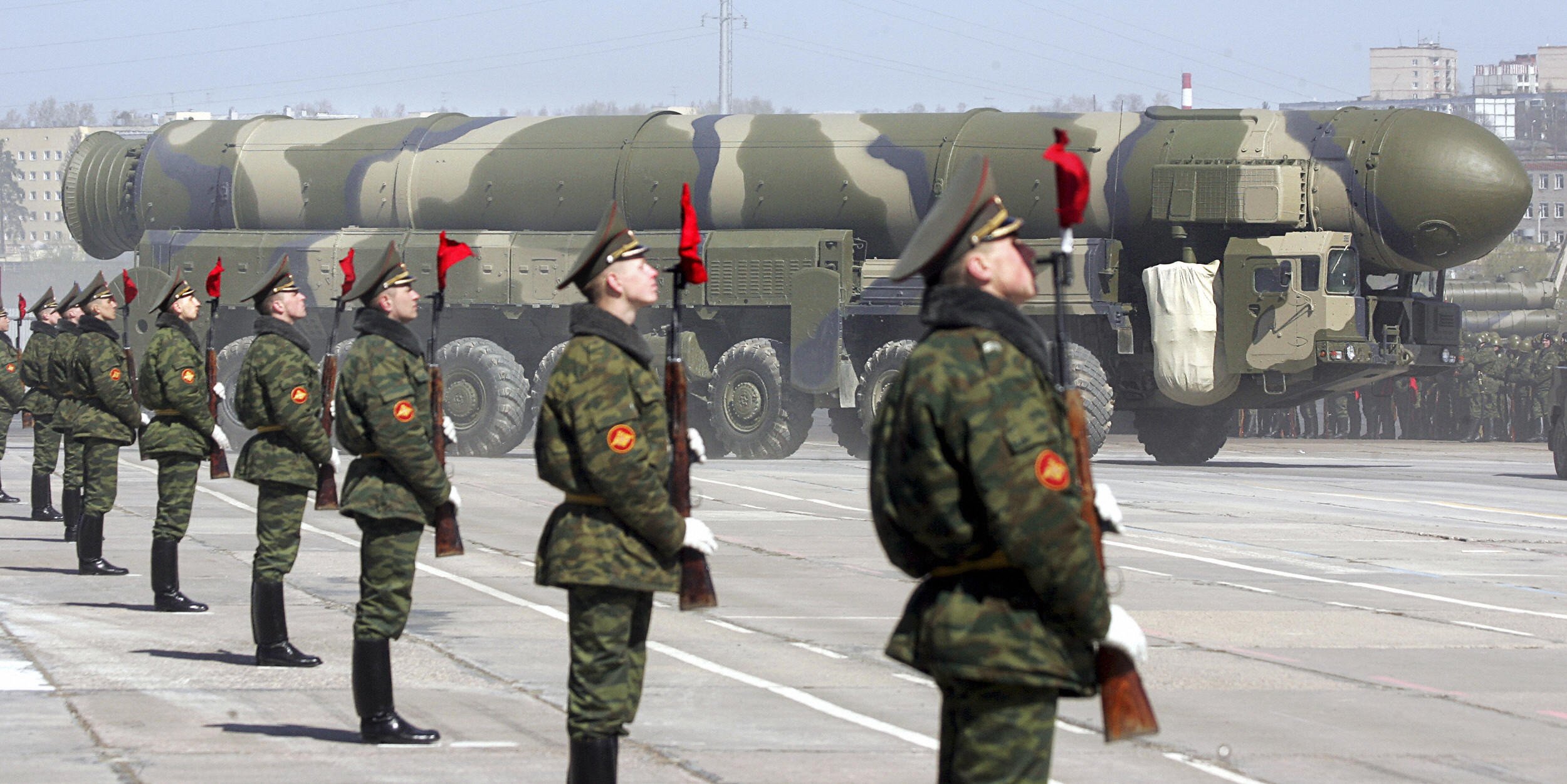
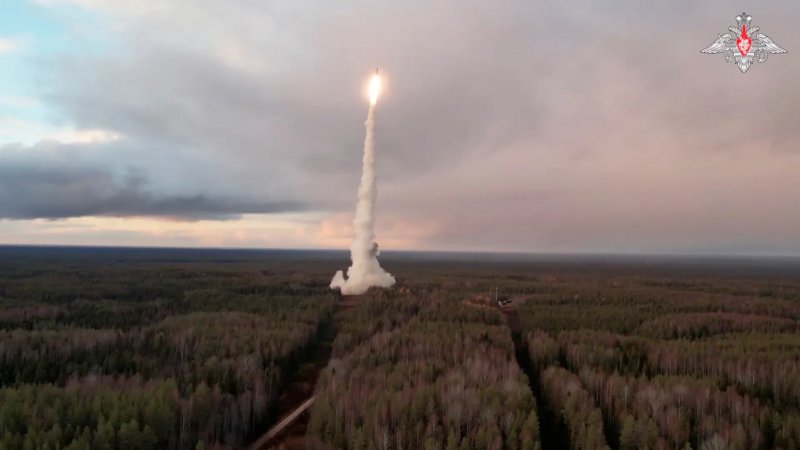
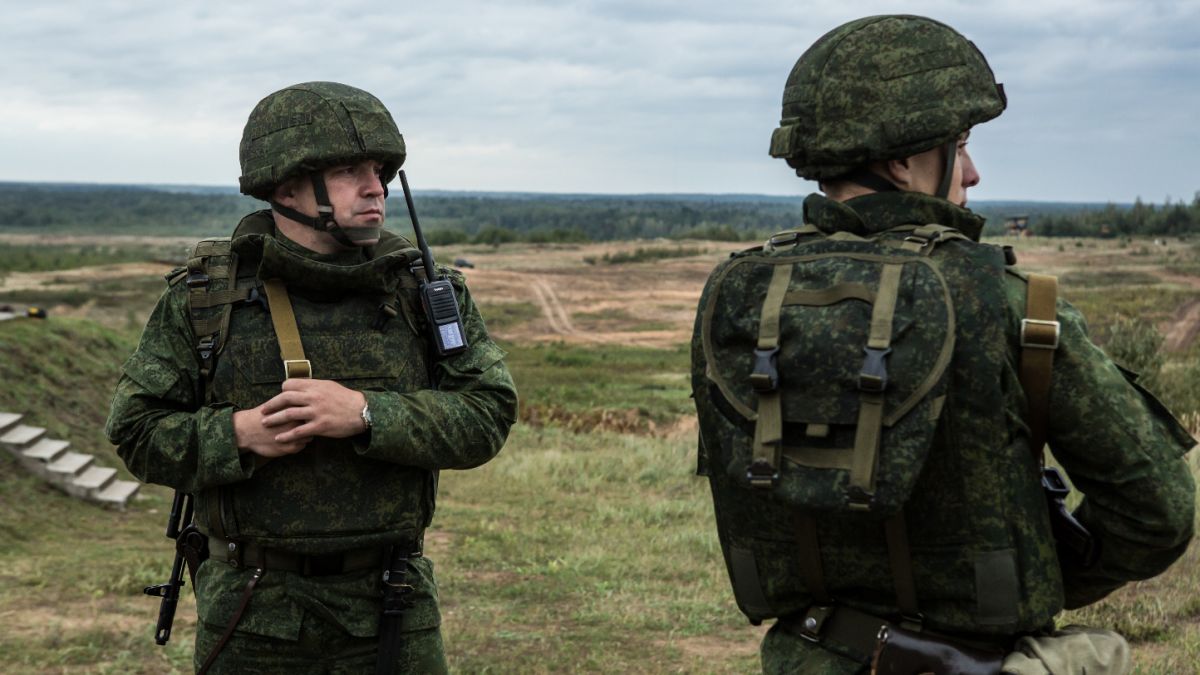
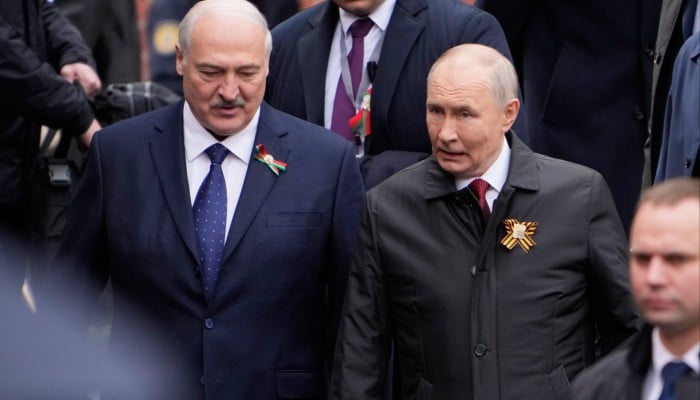
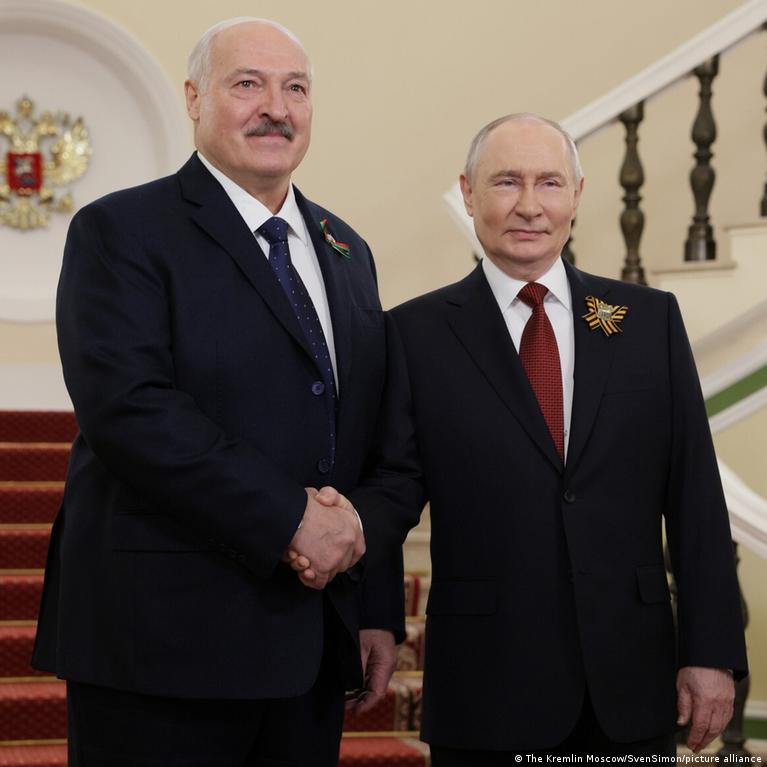
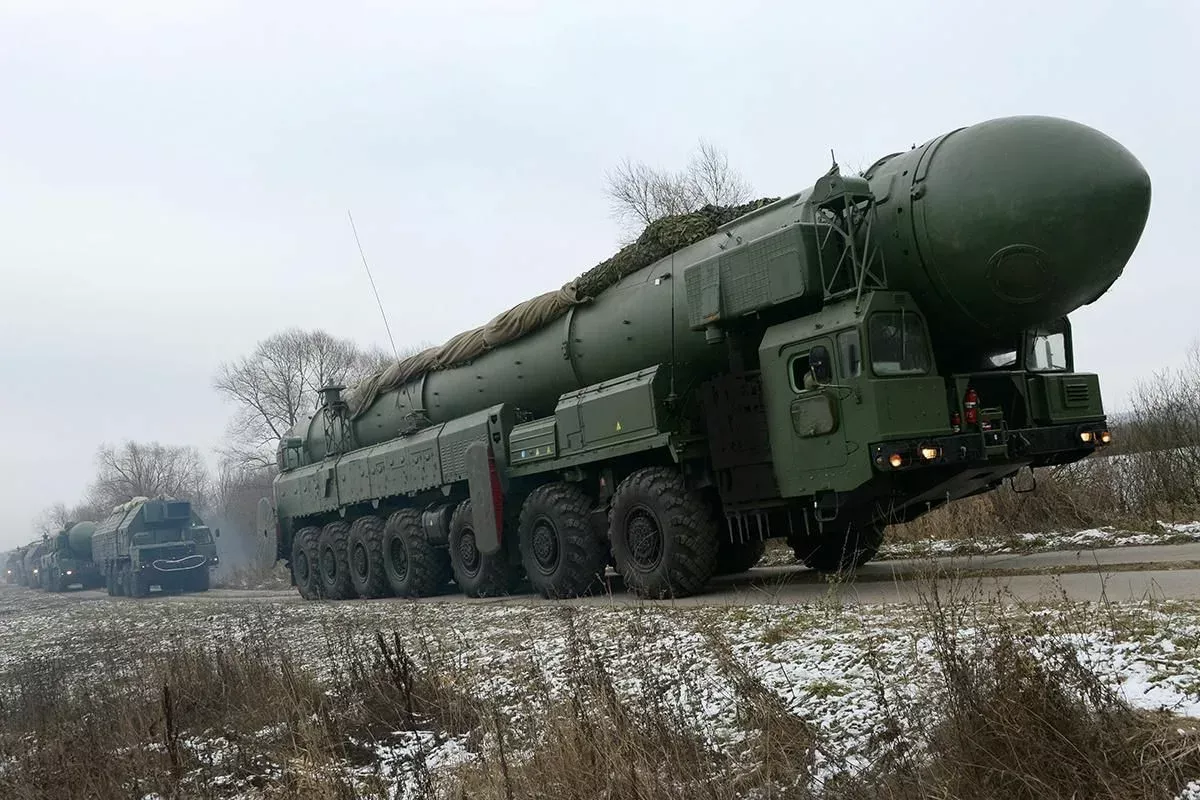
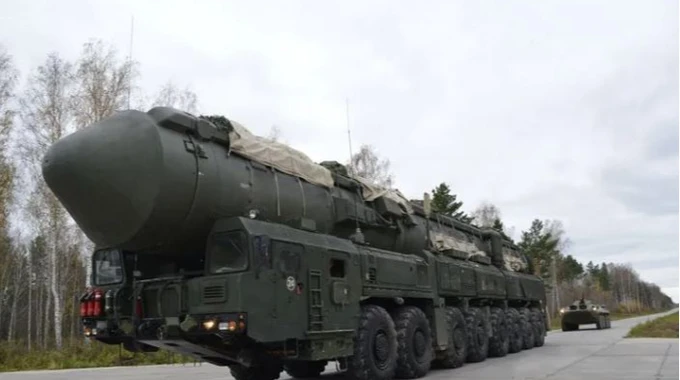
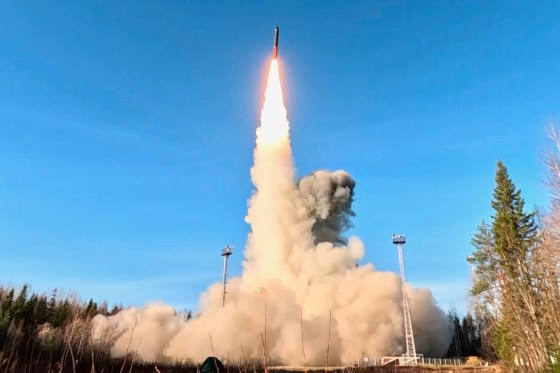
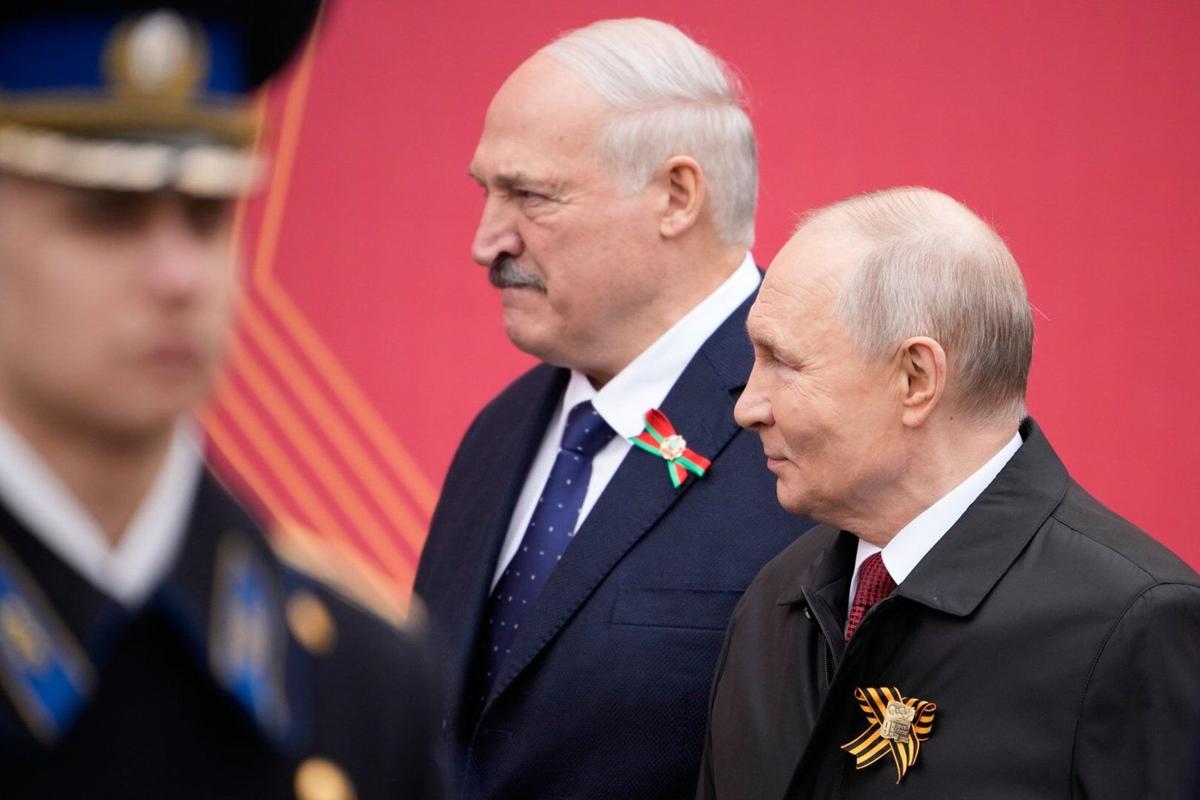
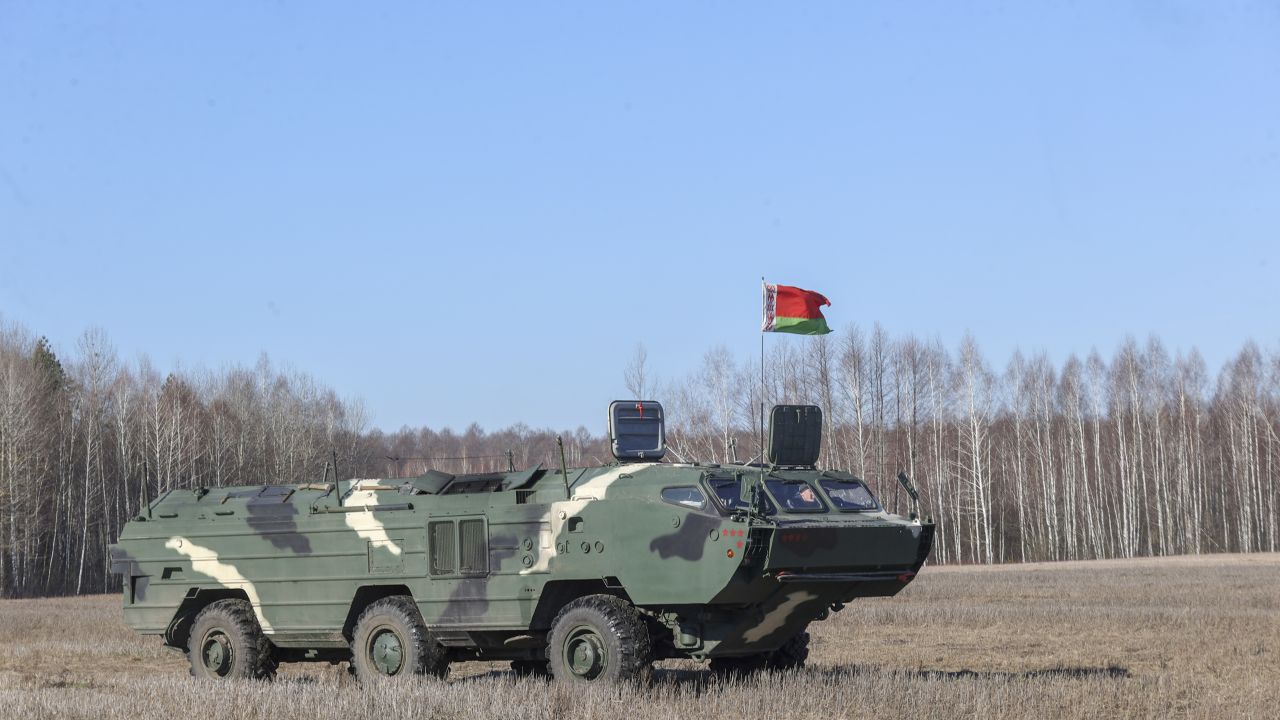
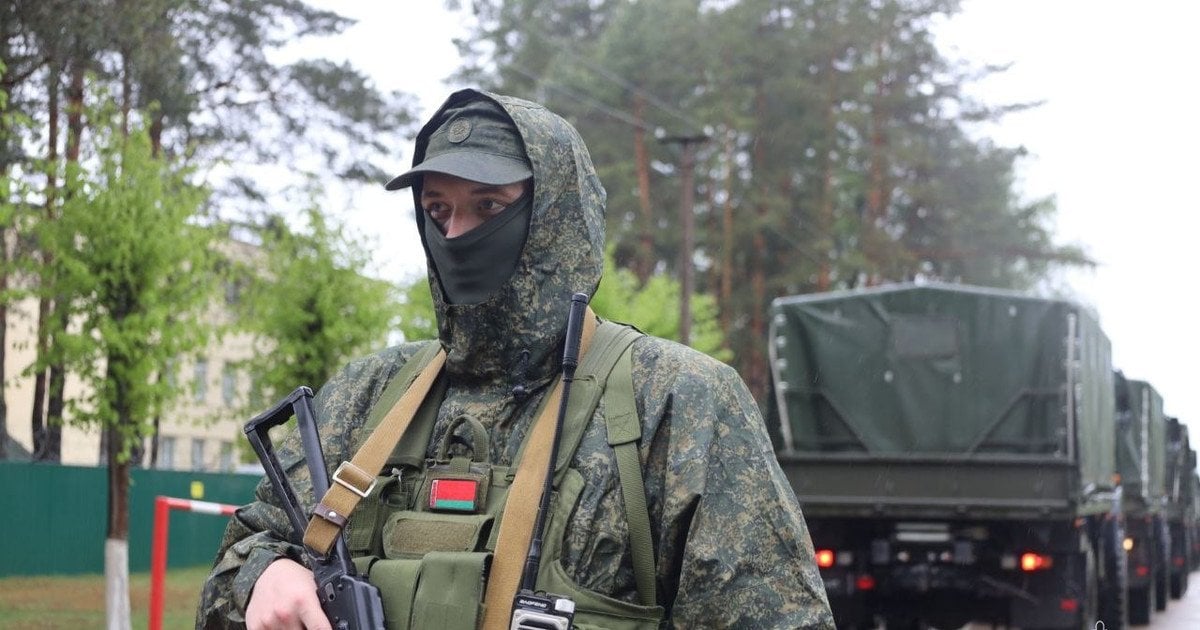
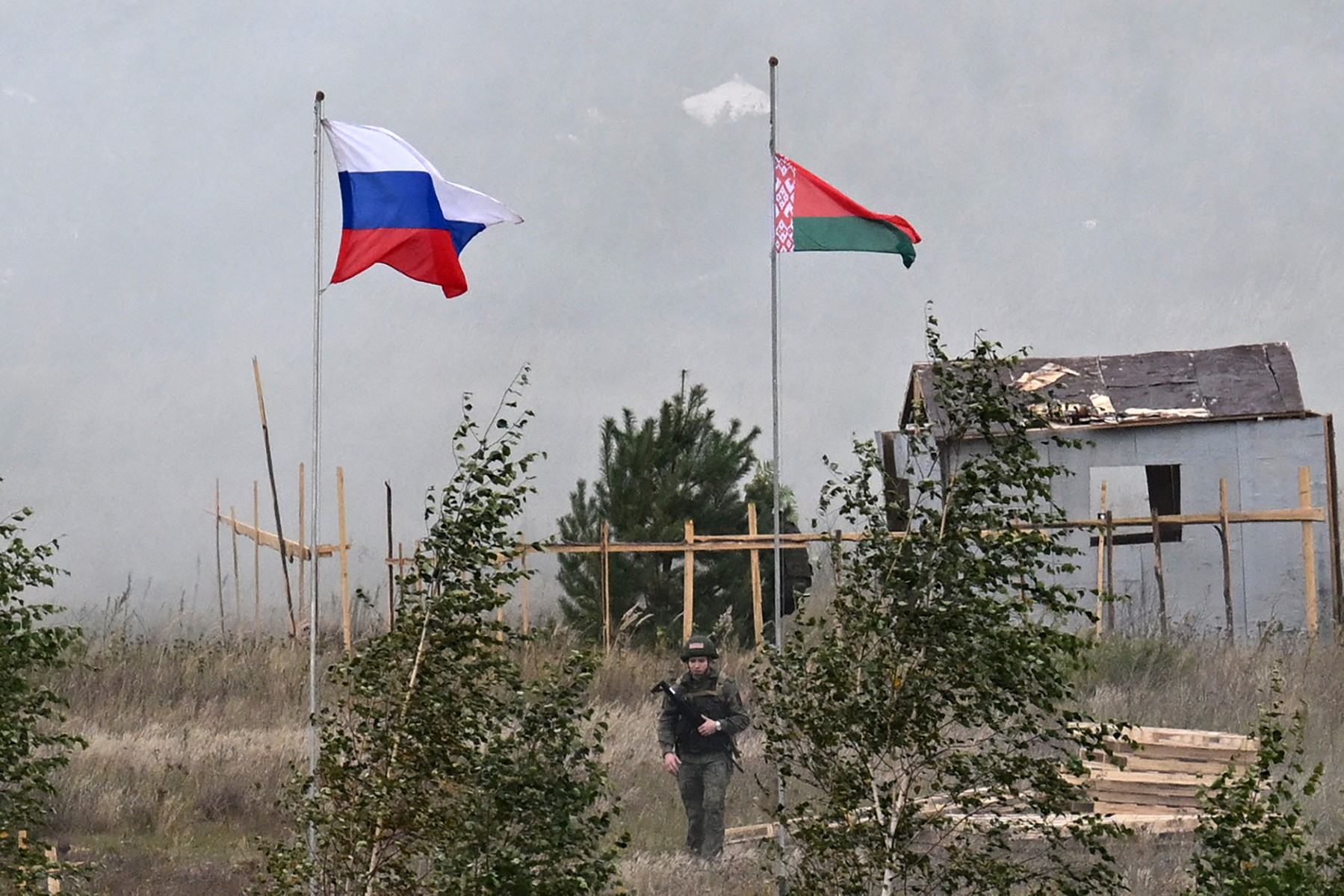
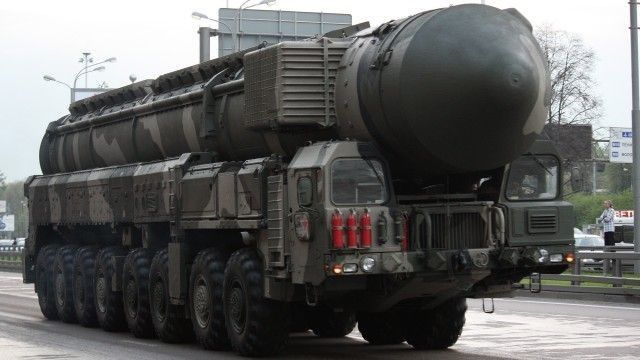
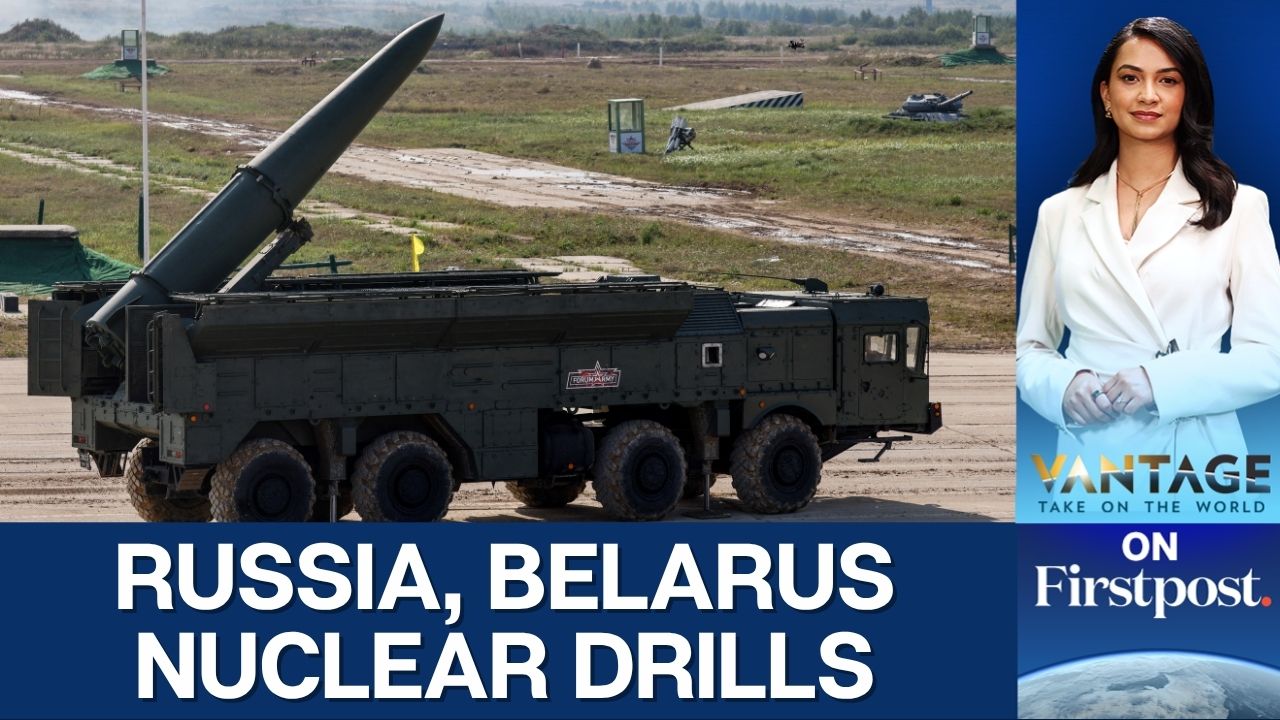
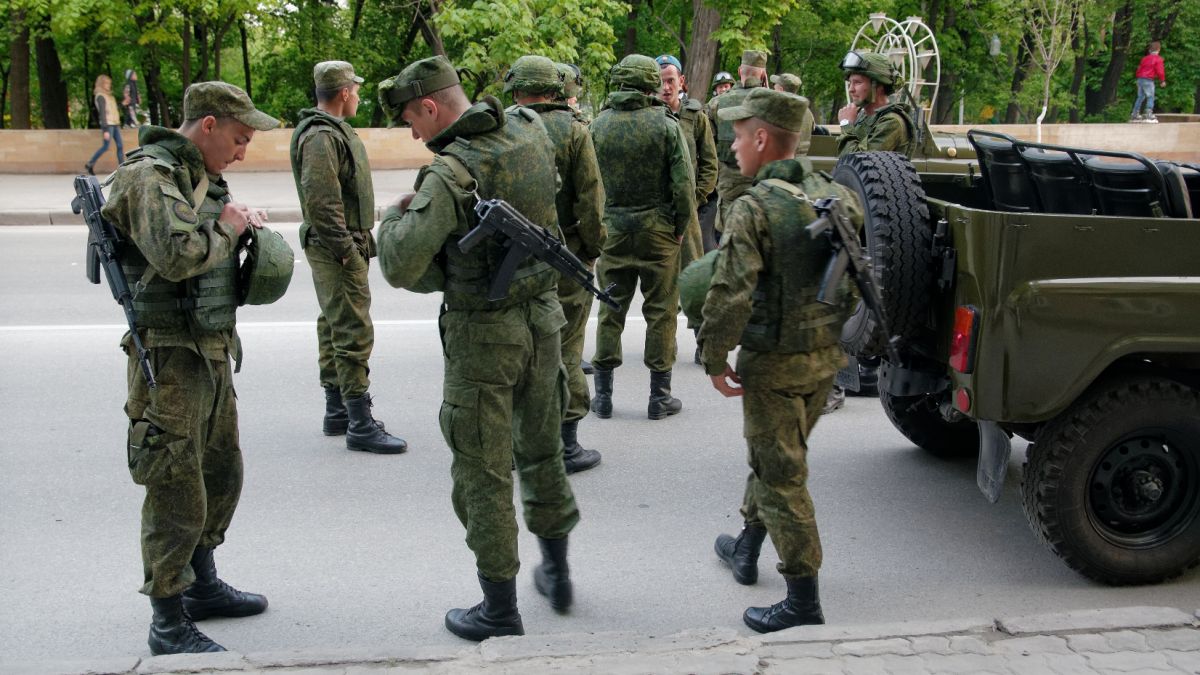
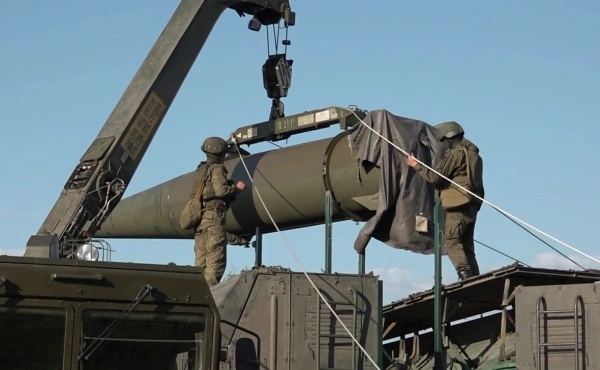
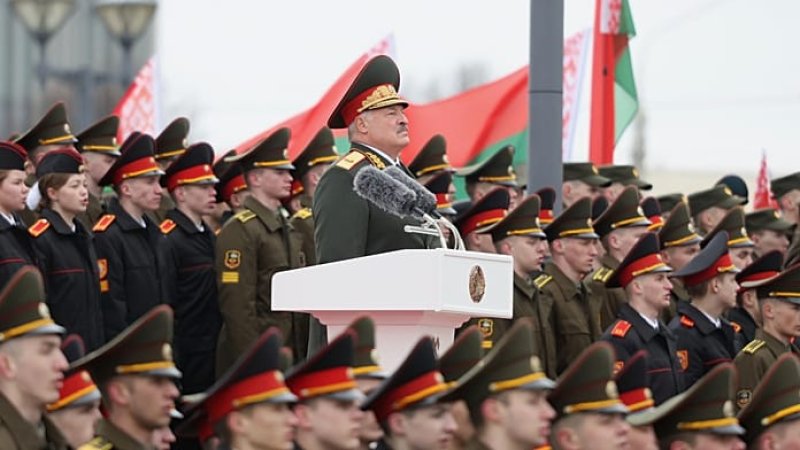
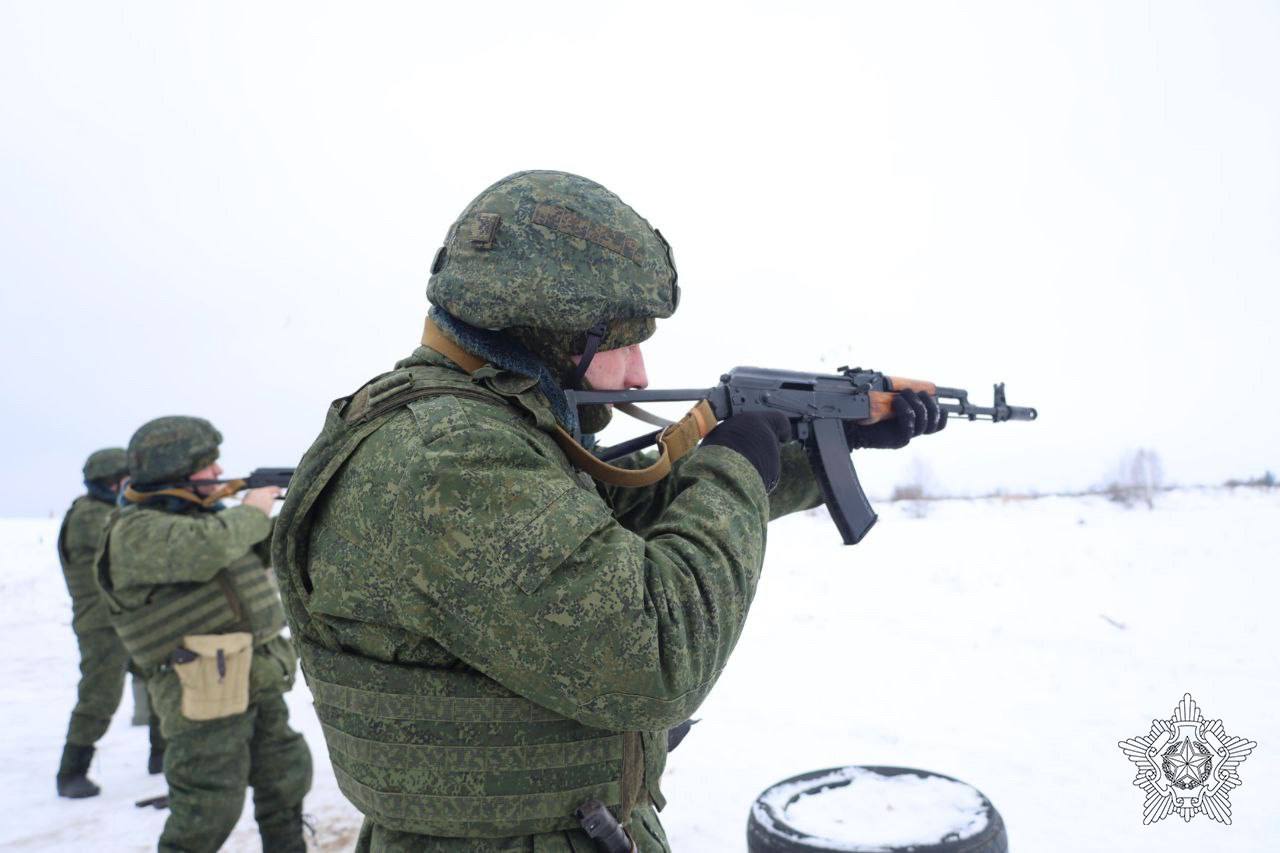
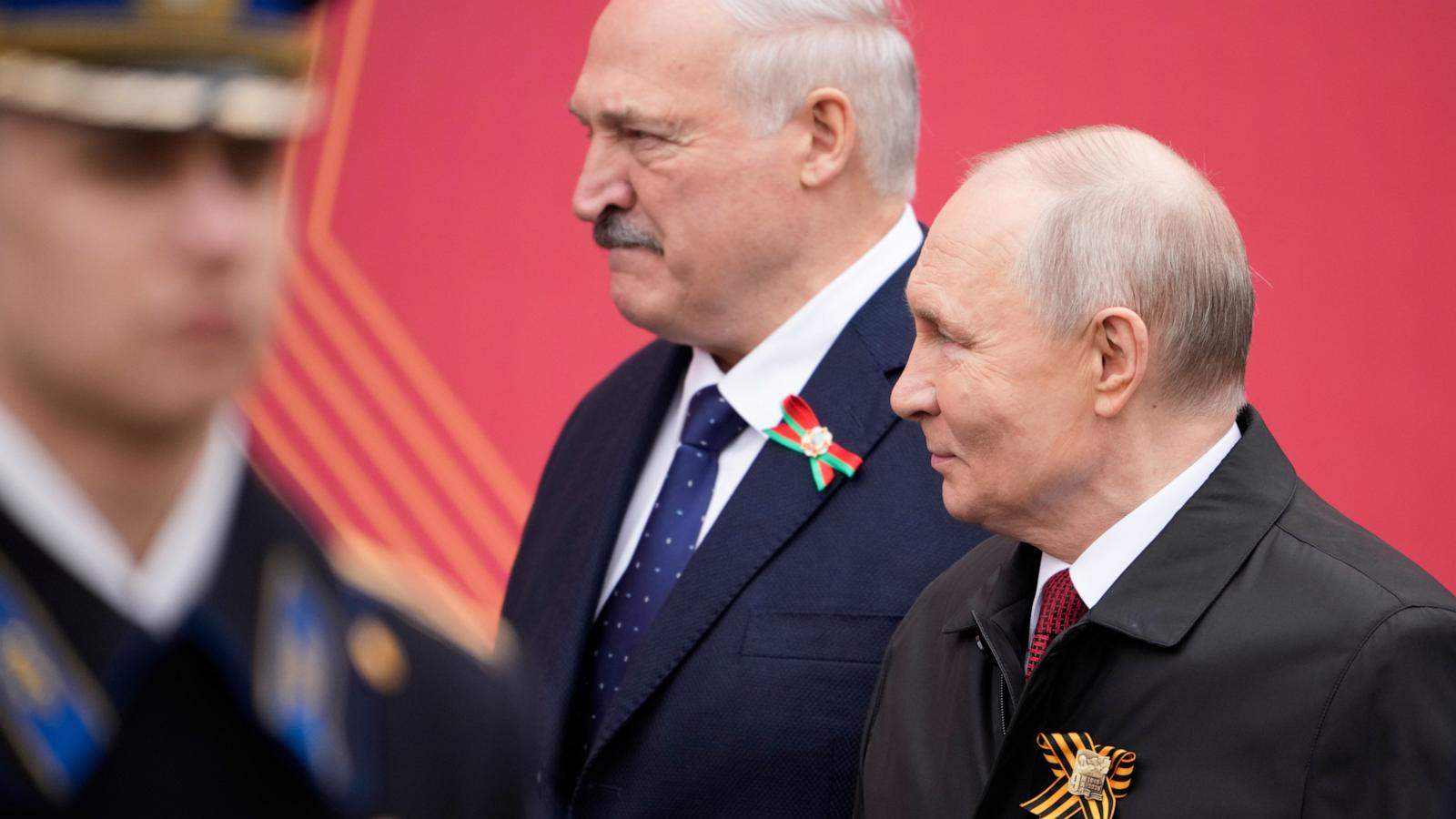
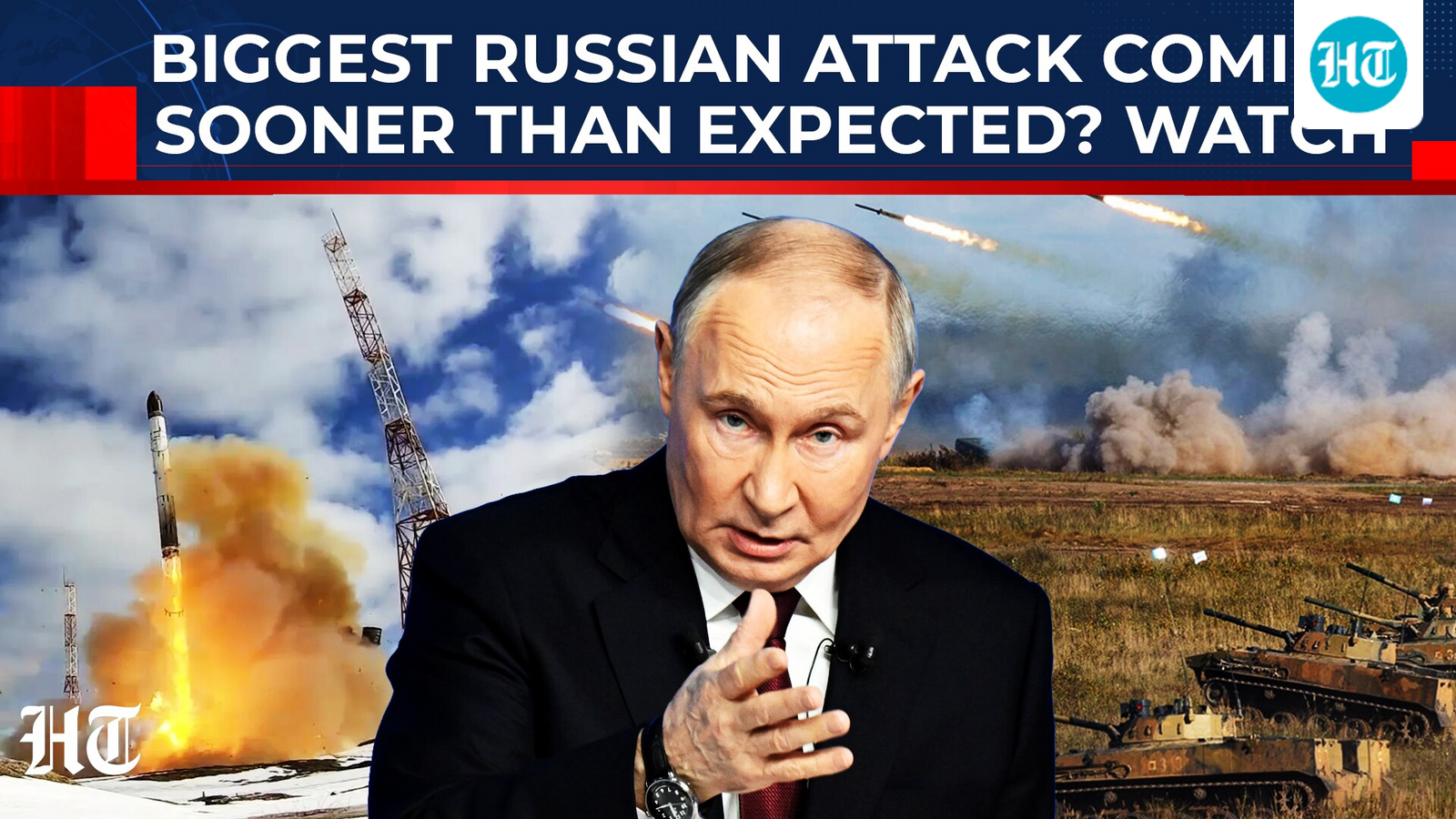
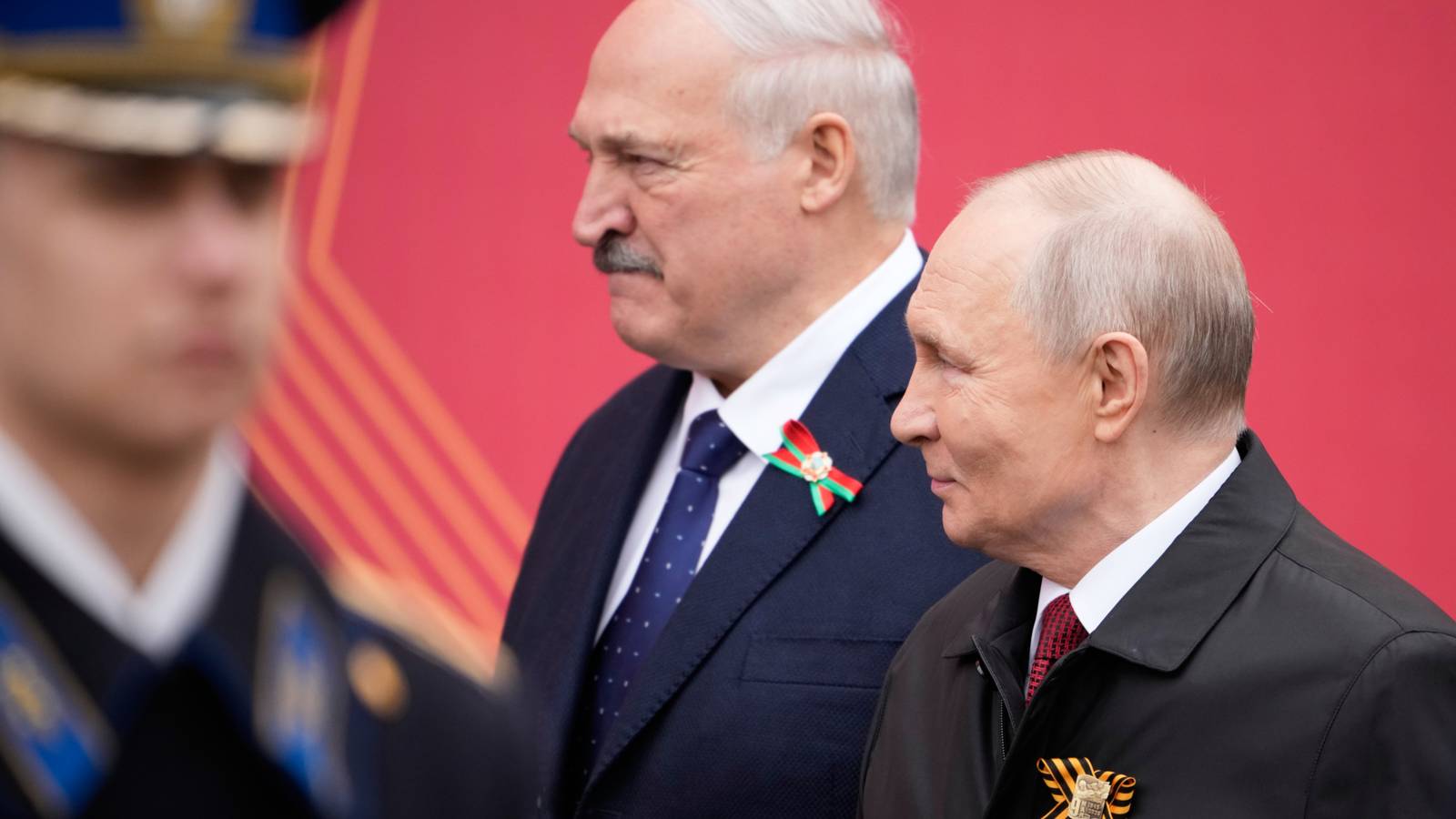
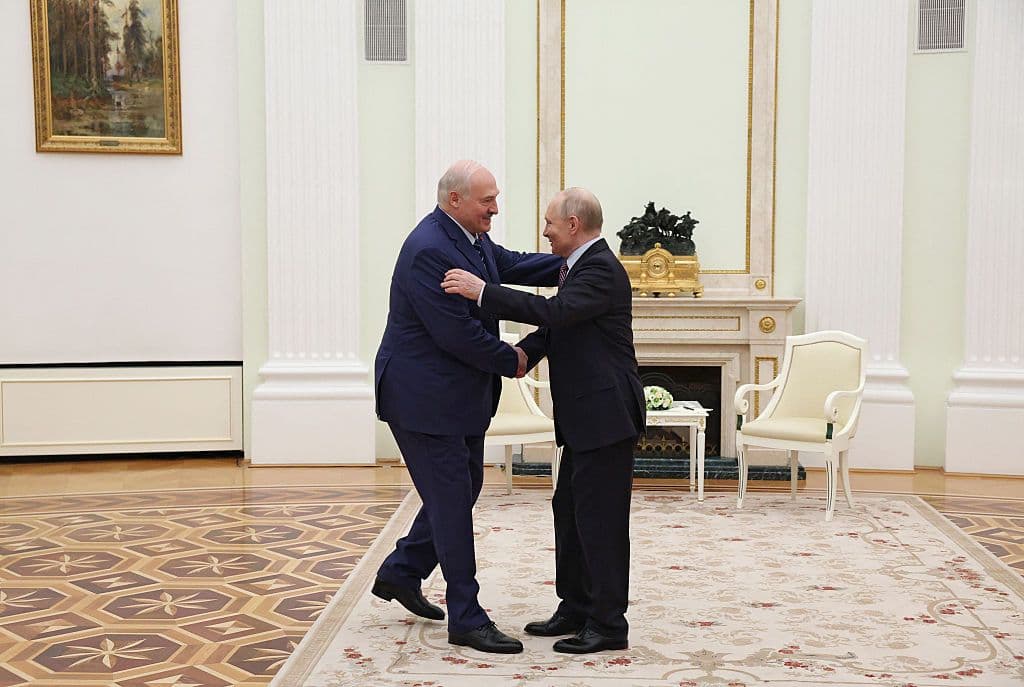
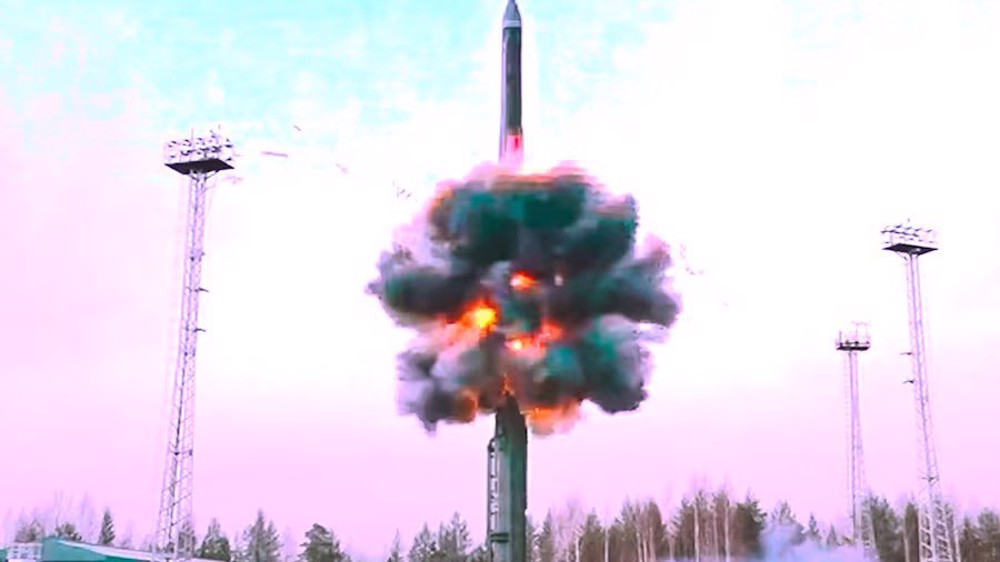
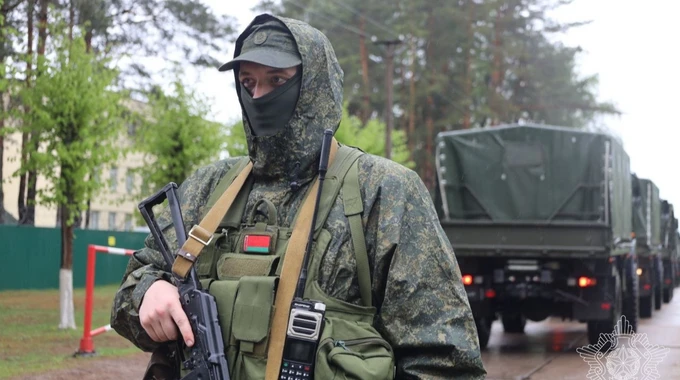
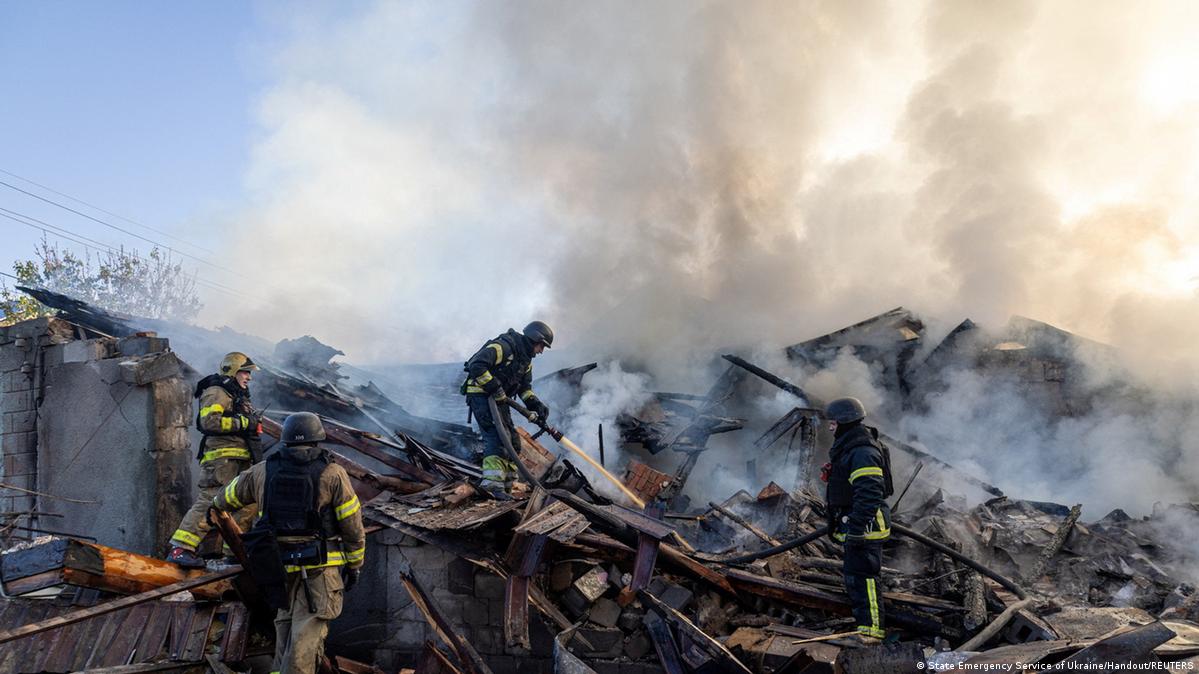
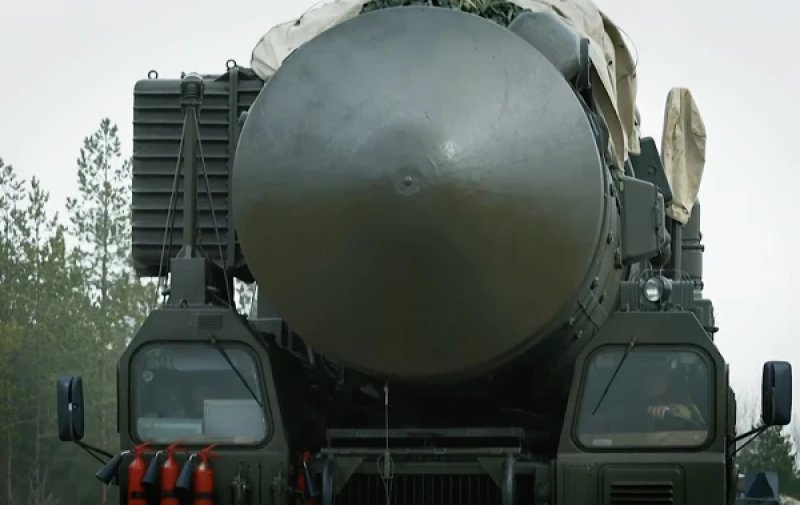
The May 2026 Russia-Belarus nuclear drills represent a critical geopolitical escalation with direct implications for cross-border e-commerce sellers operating in or sourcing from Eastern European markets. Belarus announced joint military exercises on May 18, 2026, involving Russian tactical nuclear weapons stationed following a 2023 agreement, while Russia simultaneously conducted major three-day drills involving 64,000 troops, 200+ missile launchers, 140+ aircraft, and 13 submarines including eight nuclear-armed vessels. This military posturing follows intensified Ukrainian drone attacks on Moscow and occurs amid Ukraine's calls for increased Western sanctions against both Russia and Belarus.
For e-commerce sellers, this geopolitical escalation creates four critical risk vectors: First, sanctions expansion risk threatens market access and payment processing. Belarus's weak economy (heavily dependent on Moscow) combined with Ukraine's sanctions calls could trigger new OFAC restrictions, freezing seller accounts with Russian/Belarusian exposure and blocking payment processing through US-based platforms like Amazon, eBay, and Shopify. Sellers with inventory in Belarus warehouses or active Russian customer bases face potential compliance violations. Second, supply chain disruption affects sourcing from Eastern Europe. The military exercises across "unprepared areas throughout Belarus" signal potential infrastructure vulnerability. Sellers sourcing electronics, machinery, or components from Belarus/Russia face 2-4 week shipping delays, increased insurance costs (15-25% premiums), and potential port congestion as logistics providers reroute shipments away from conflict zones. Third, currency and payment volatility impacts margins. The Russian ruble and Belarusian ruble face depreciation pressure amid escalating tensions, affecting sellers with ruble-denominated costs or revenue. Cross-border payment processors report 8-12% currency fluctuation bands during geopolitical crises. Fourth, market demand collapse in affected regions reduces consumer spending. Eastern European e-commerce markets (Poland, Lithuania, Latvia, Ukraine) typically generate $2-3B in annual cross-border sales; military escalation historically reduces consumer confidence by 20-35% as households prioritize savings over discretionary purchases.
Specific seller segments face differentiated impacts: Small sellers (under $100K annual revenue) with 30%+ inventory in Eastern European warehouses face immediate cash flow pressure from potential sanctions freezes and shipping delays. Mid-market sellers (Amazon FBA sellers with 500+ SKUs) sourcing components from Belarus face 4-6 week production delays as manufacturers prioritize domestic military contracts. Large sellers with diversified sourcing can absorb disruptions but face compliance complexity managing OFAC screening across 50+ supplier relationships. EU-based sellers shipping to Poland, Lithuania, and Latvia (NATO members mentioned as potential targets) face customer confidence erosion and potential logistics network disruptions if conflict escalates beyond military exercises. The timing window is critical: sellers have 30-60 days before potential sanctions announcements to audit exposure, diversify sourcing, and adjust inventory positioning.
Questions 8
How long will logistics delays last if conflict escalates?
Military exercises across Belarus signal potential infrastructure disruption lasting 2-4 weeks minimum. If conflict escalates to active military operations, logistics delays could extend 8-12 weeks as shipping routes reroute around conflict zones. Historical precedent: 2022 Ukraine invasion caused 6-10 week delays for goods transiting through Eastern Europe. Current shipping times from Belarus to Western Europe average 5-7 days; expect this to increase to 14-21 days if routes shift through Poland/Germany. Air freight premiums increase 40-60% during geopolitical crises; sea freight via Baltic ports faces congestion. Sellers should maintain 4-6 weeks of safety stock for fast-moving SKUs and communicate transparently with customers about potential delays. Update your Amazon/eBay shipping estimates to reflect 2-3 week delays if you source from affected regions.
What compliance documentation do I need if sanctions expand?
OFAC requires sellers to maintain detailed records of all transactions, supplier relationships, and customer interactions for 5+ years. If sanctions expand to Belarus or Russian entities, you must prove you didn't knowingly conduct business with sanctioned parties. Document: (1) supplier due diligence (company registration, ownership verification), (2) customer transaction records with IP addresses and payment methods, (3) shipping destinations and customs declarations, (4) communications with suppliers/customers. Use OFAC's SDN (Specially Designated Nationals) list to screen all business relationships monthly. Maintain compliance audit trails in your accounting system; penalties for violations range from $20,000-$250,000+ per transaction. Consider hiring a trade compliance consultant ($2,000-5,000) to audit your operations if you have significant Eastern European exposure.