


Ebola Outbreak Triggers US Travel Bans | Supply Chain Risk for African Sellers
- CDC restricts travel from DRC, Uganda, South Sudan; 500+ cases reported; sellers face 21-day screening delays and logistics disruptions




















Overview
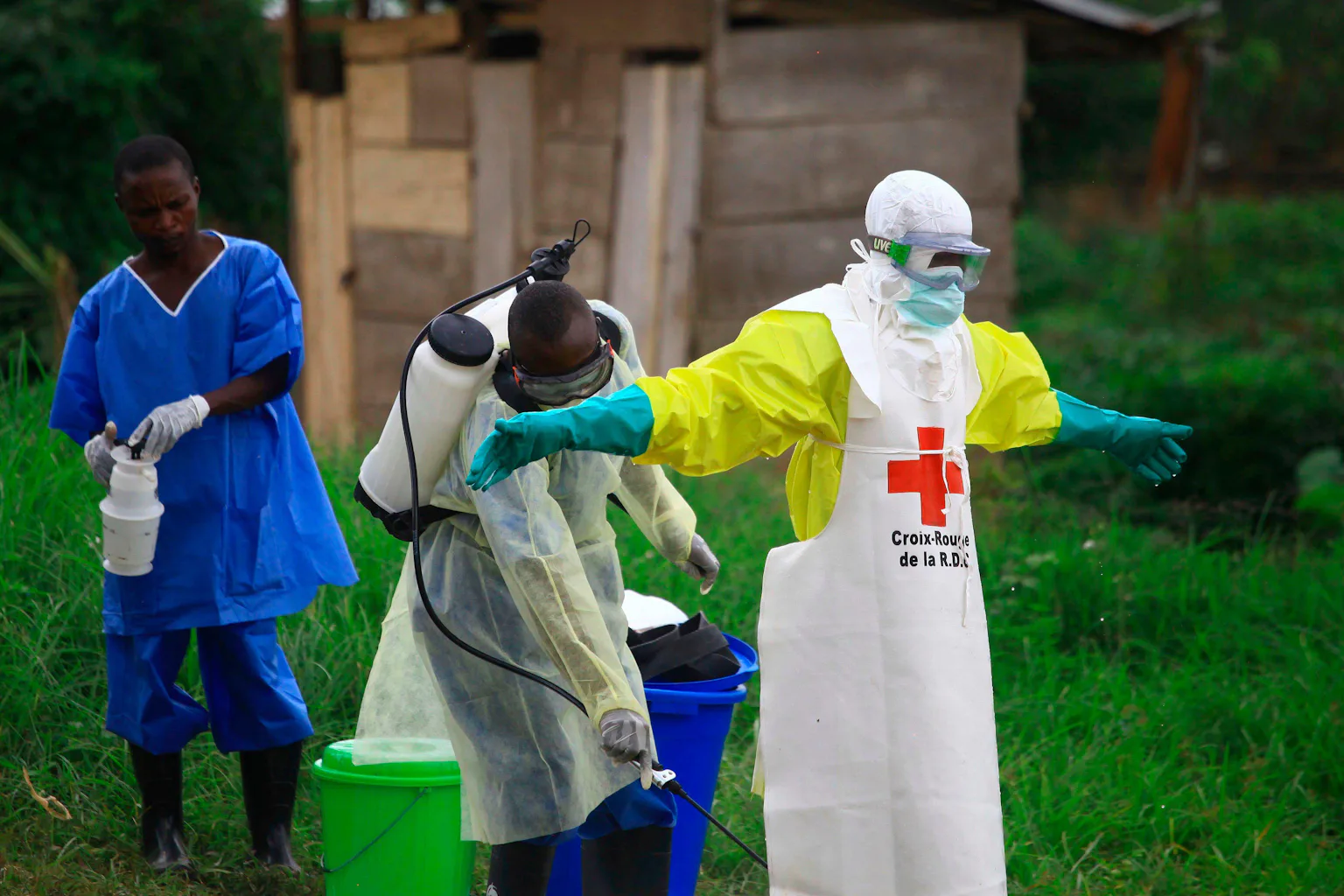
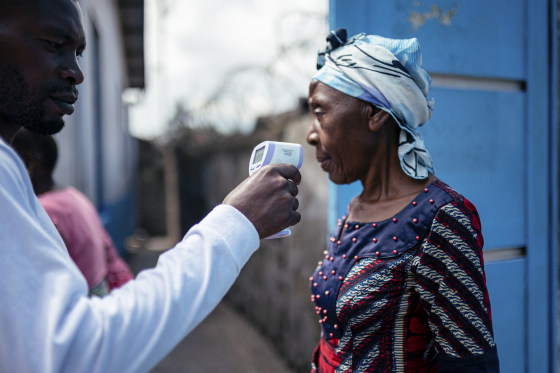
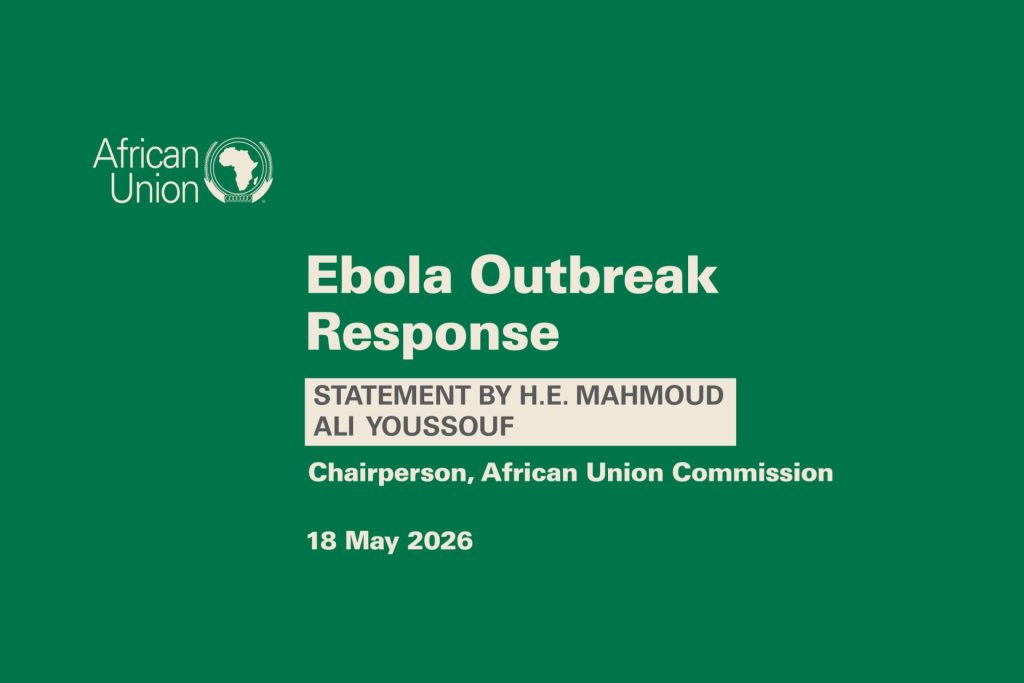
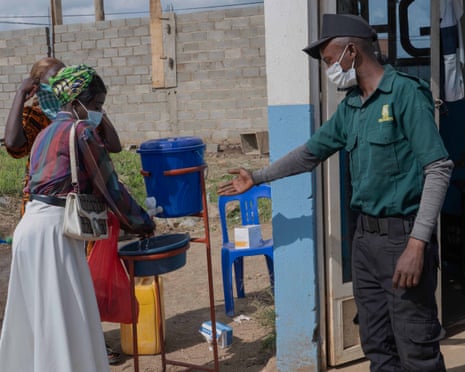
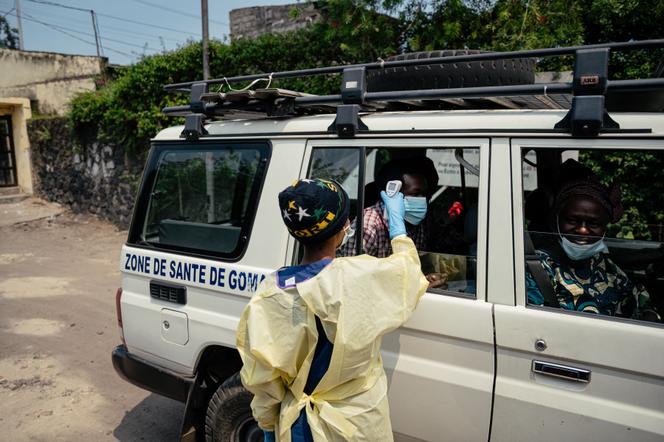
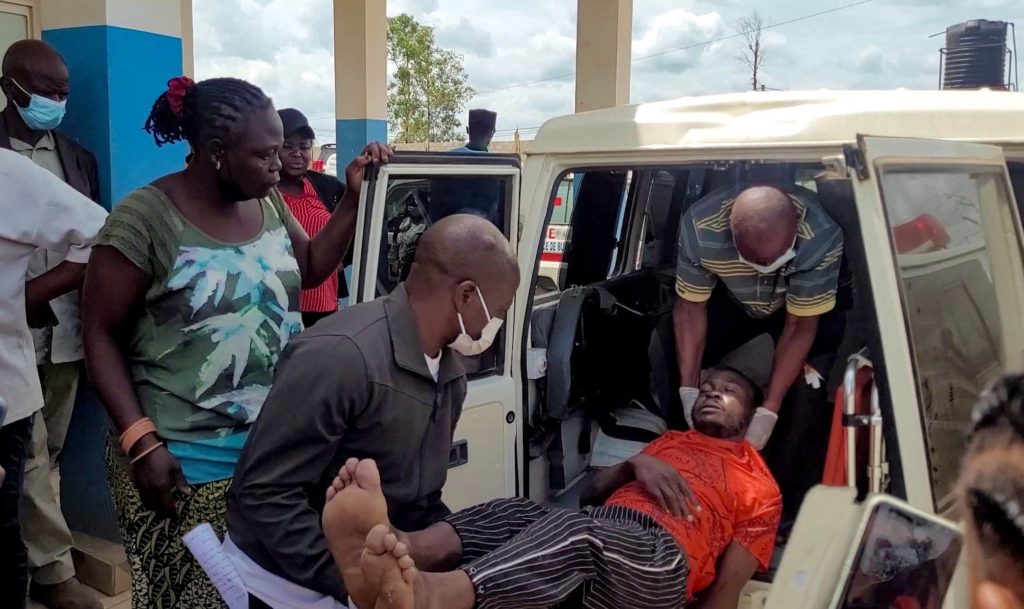
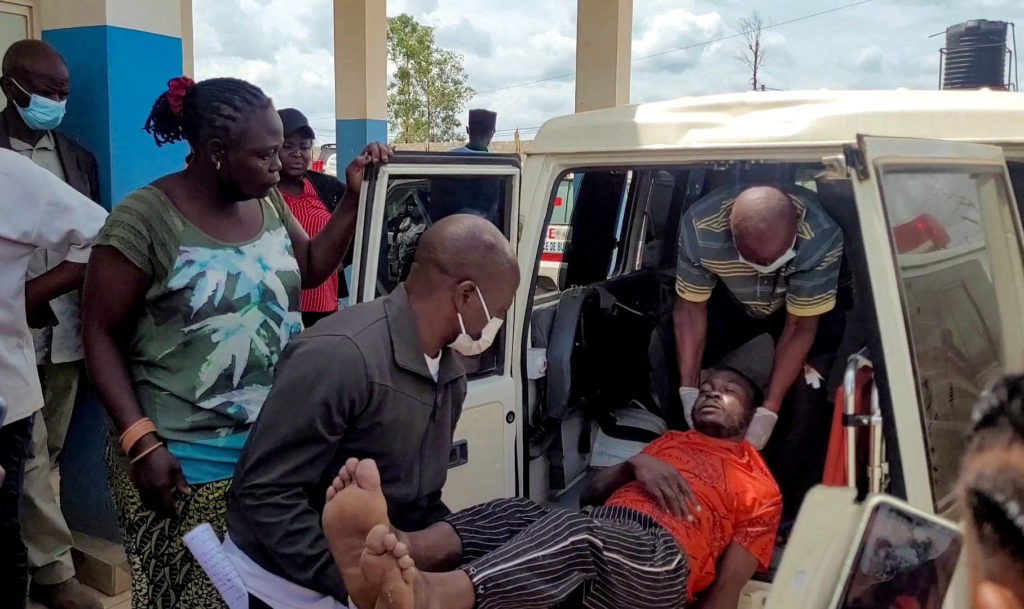
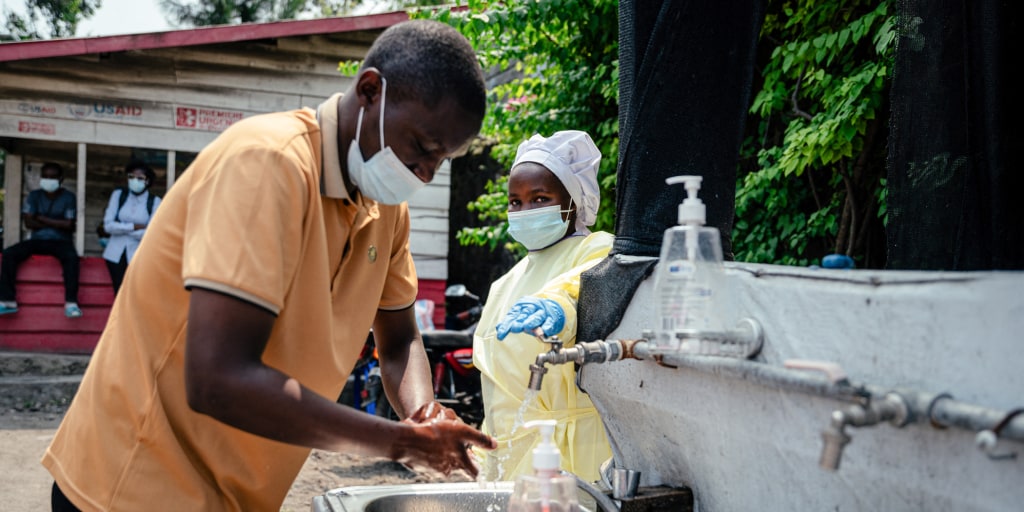
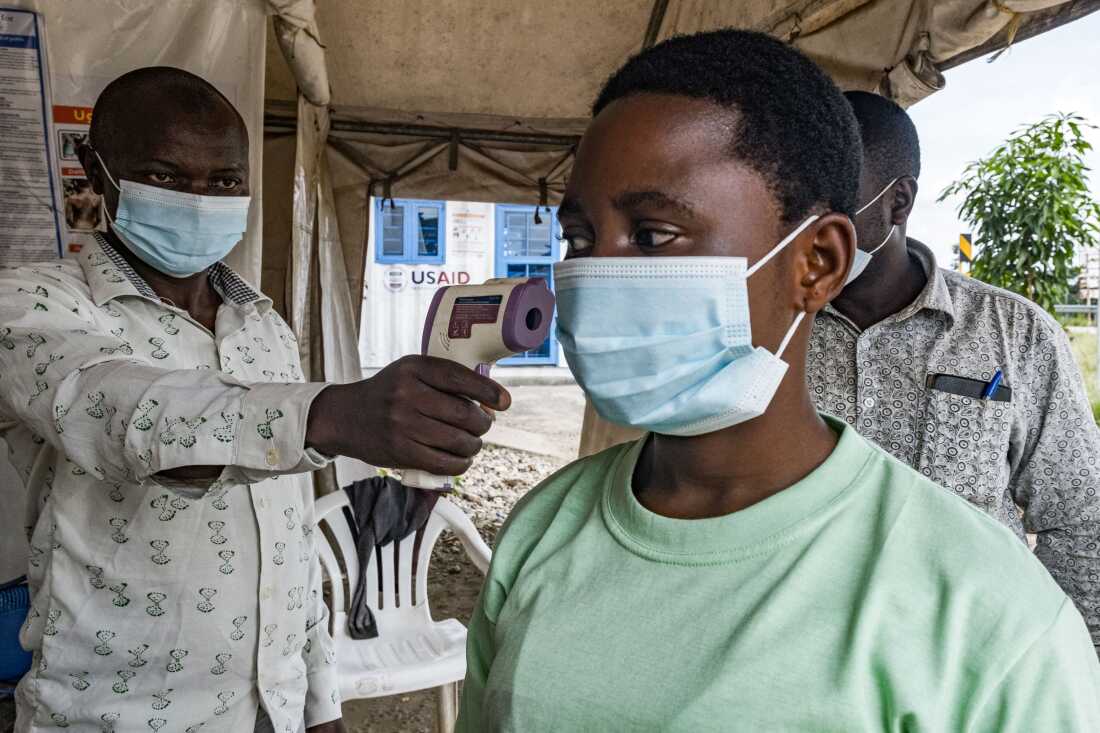
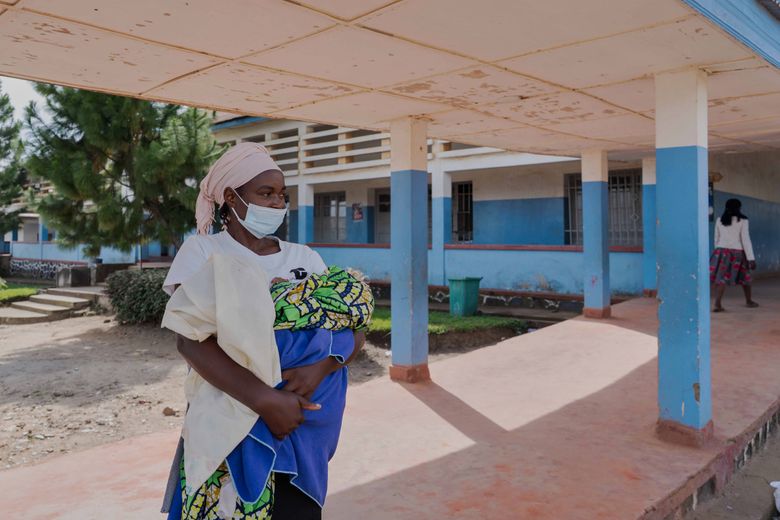
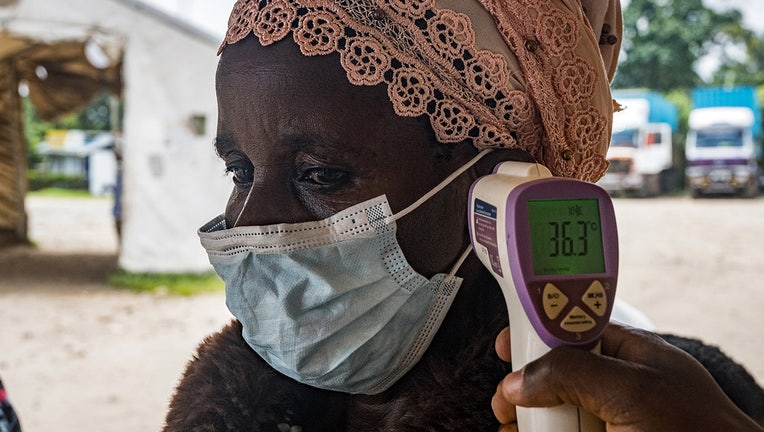
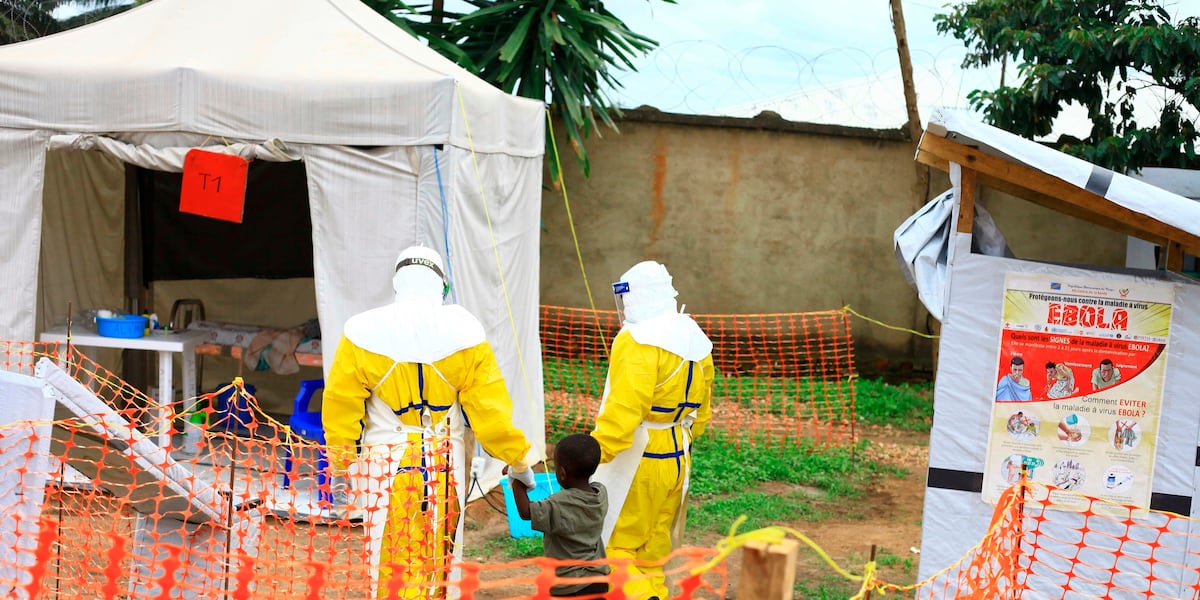
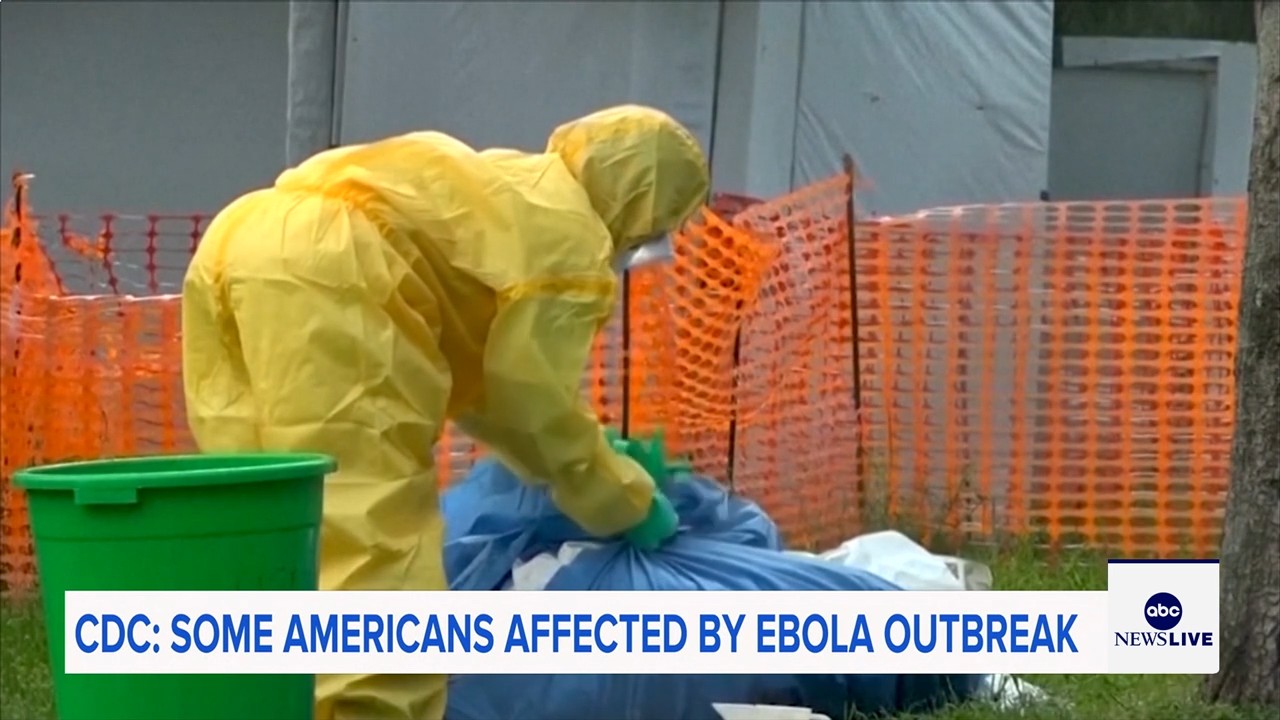
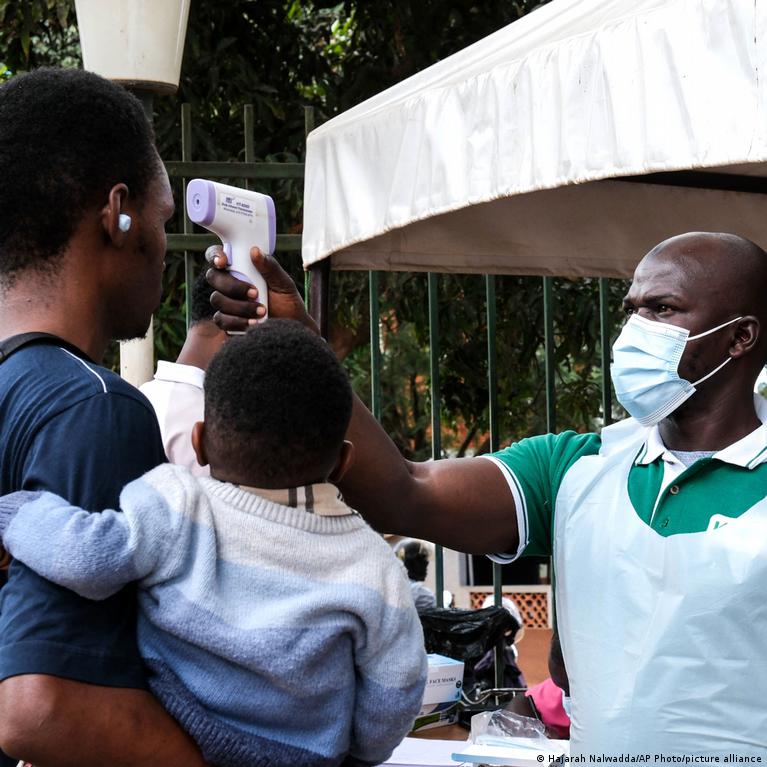
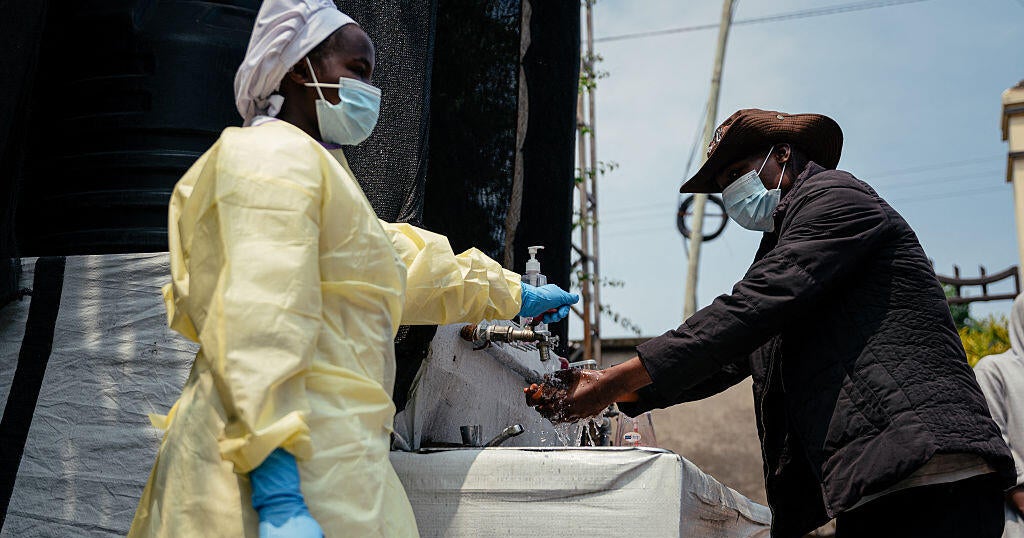
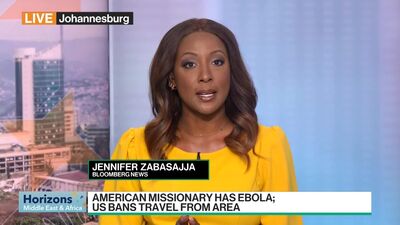
The May 2026 Ebola outbreak in Central Africa, caused by the rare Bundibugyo virus strain, has escalated into a critical supply chain disruption event for cross-border e-commerce sellers. As of May 19, 2026, the World Health Organization declared a public health emergency of international concern with 513+ confirmed cases and 130+ deaths across the Democratic Republic of Congo, Uganda, and South Sudan. The CDC and DHS implemented immediate travel restrictions effective May 18, 2026, requiring enhanced screening for all individuals without U.S. passports who visited these three nations within the preceding 21 days. This creates a 30-day assessment window during which additional restrictions may be imposed.
For e-commerce sellers, the operational impact is substantial and multifaceted. Sellers sourcing products from DRC, Uganda, or South Sudan face immediate supply chain complications: shipment delays due to personnel movement restrictions, quality inspection bottlenecks as staff navigate 21-day screening protocols, and air freight routing complications through affected regions. The 21-day screening window creates operational uncertainty for time-sensitive inventory replenishment, particularly affecting sellers in electronics, minerals, and specialty goods categories where Central Africa represents a sourcing hub. Dr. Craig Spencer, a physician who survived Ebola, warned on CNN (May 18, 2026) that the outbreak is "probably much worse than publicly known," suggesting actual case loads exceed official reporting—a critical signal that healthcare system capacity constraints may worsen logistics disruptions beyond the 30-day assessment period.
Strategic implications extend beyond direct sourcing regions. The outbreak demonstrates how disease events trigger cascading regulatory responses that disrupt international commerce networks. Sellers with 3PL providers or fulfillment partners operating in Central Africa should expect service delays and cost increases (typically 15-25% premium for expedited routing during health crises). The WHO's identification of surveillance system failures—samples required 620-mile transport to Kinshasa or Goma for testing—signals that outbreak detection and containment will remain slow, extending the crisis timeline. The U.S. government's $13 million assistance commitment indicates sustained engagement, but the Africa Centers for Disease Control's criticism of broad travel restrictions suggests policy volatility. Sellers should monitor CDC updates daily and activate contingency sourcing plans immediately, as the 30-day assessment period may extend restrictions or add additional countries to the ban list based on transmission patterns.
Questions 8
How long do health crisis market disruptions typically last for e-commerce sellers?
Outbreak-driven demand spikes typically last 3-6 months from initial public awareness, though Dr. Spencer's warning that actual severity exceeds public reporting suggests this cycle may extend 6-9 months. The 2014-2016 West African Ebola crisis created sustained medical supply demand for 18+ months due to prolonged outbreak duration and recovery periods. Supply chain disruptions (freight delays, customs slowdowns) typically persist 2-4 weeks after outbreak containment. Sellers should plan for: (1) Weeks 1-4: Peak demand for medical supplies, 200-400% sales increases; (2) Weeks 5-12: Sustained elevated demand (150-200% above baseline) as consumer stockpiling continues; (3) Months 4-6: Normalization begins, demand returns to 110-130% of baseline; (4) Months 6+: Full normalization unless outbreak re-emerges. Maintain elevated inventory through month 4, then gradually reduce stock. Monitor CDC weekly updates to adjust timelines.
What monitoring and compliance steps should sellers implement now?
Establish daily CDC monitoring: subscribe to CDC.gov alerts and WHO emergency updates for outbreak progression. Document all supply chain dependencies in Central Africa (suppliers, 3PL partners, personnel) and create a risk register. Implement a 30-day contingency trigger: if restrictions extend beyond June 18, 2026, activate alternative sourcing immediately. Verify that all personnel with recent Central Africa travel are documented and screened before re-engaging in supply chain activities. Review insurance policies for supply chain interruption coverage—many policies exclude health crises, but some cover government-mandated restrictions. Finally, communicate proactively with customers about potential delays: transparency prevents negative reviews and builds trust during supply chain disruptions.