




USMCA Renegotiation 2025 | Tariff Arbitrage Opportunities as US-Canada Tensions Escalate
- Trump administration suspends 85-year defense partnership amid aggressive tariff threats; USMCA renegotiation creates 6-month window for tariff arbitrage and supply chain repositioning before new rates take effect


















Overview
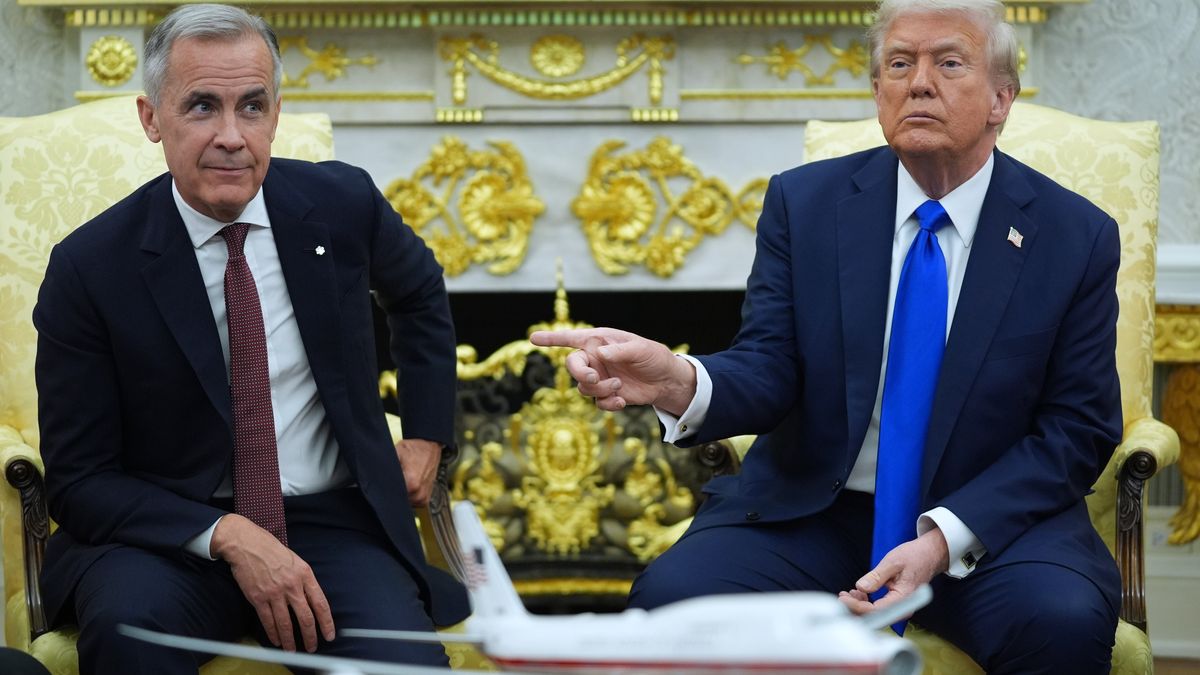
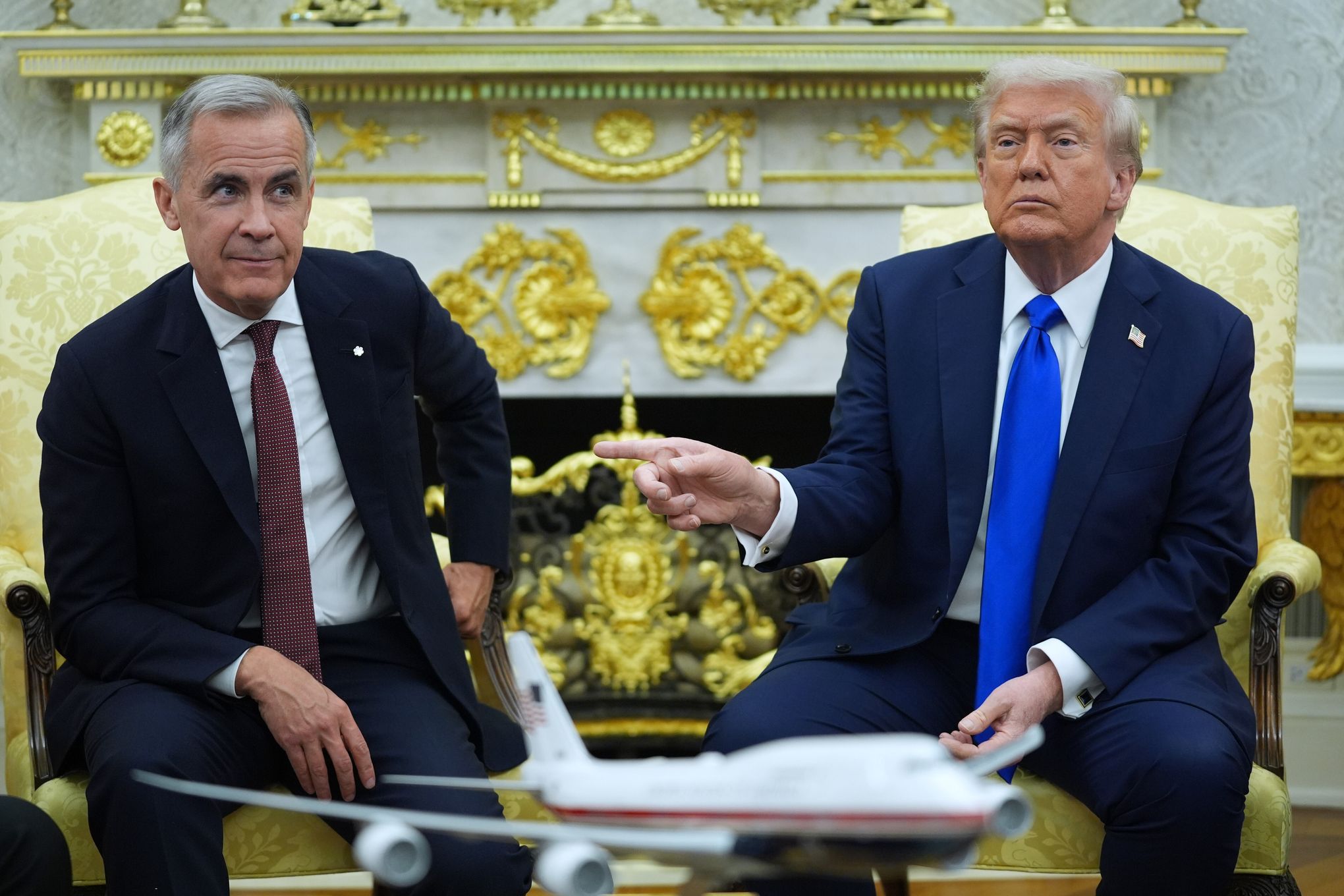
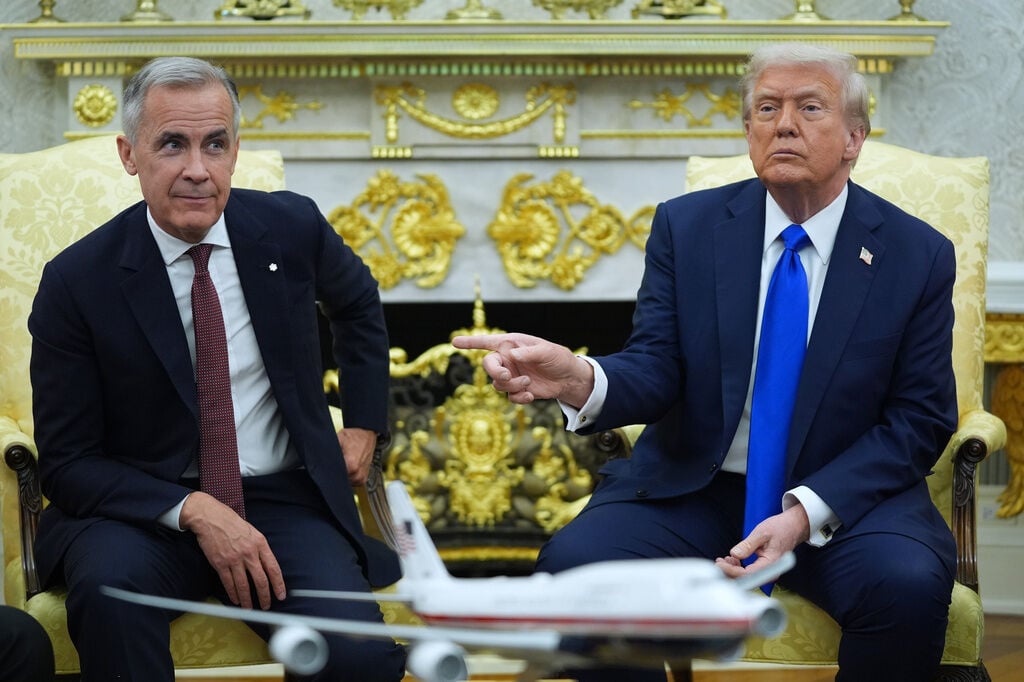
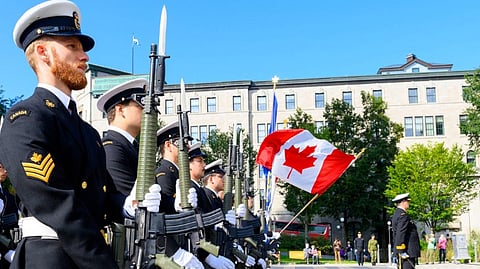
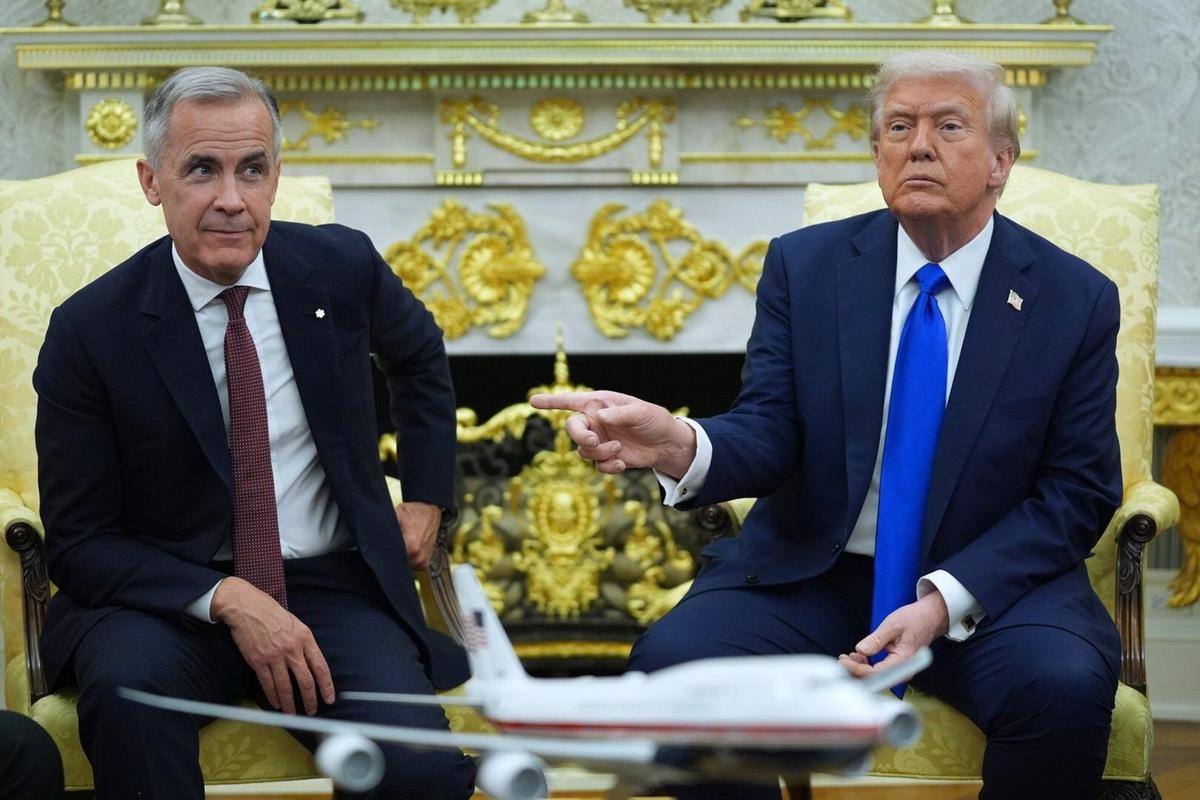
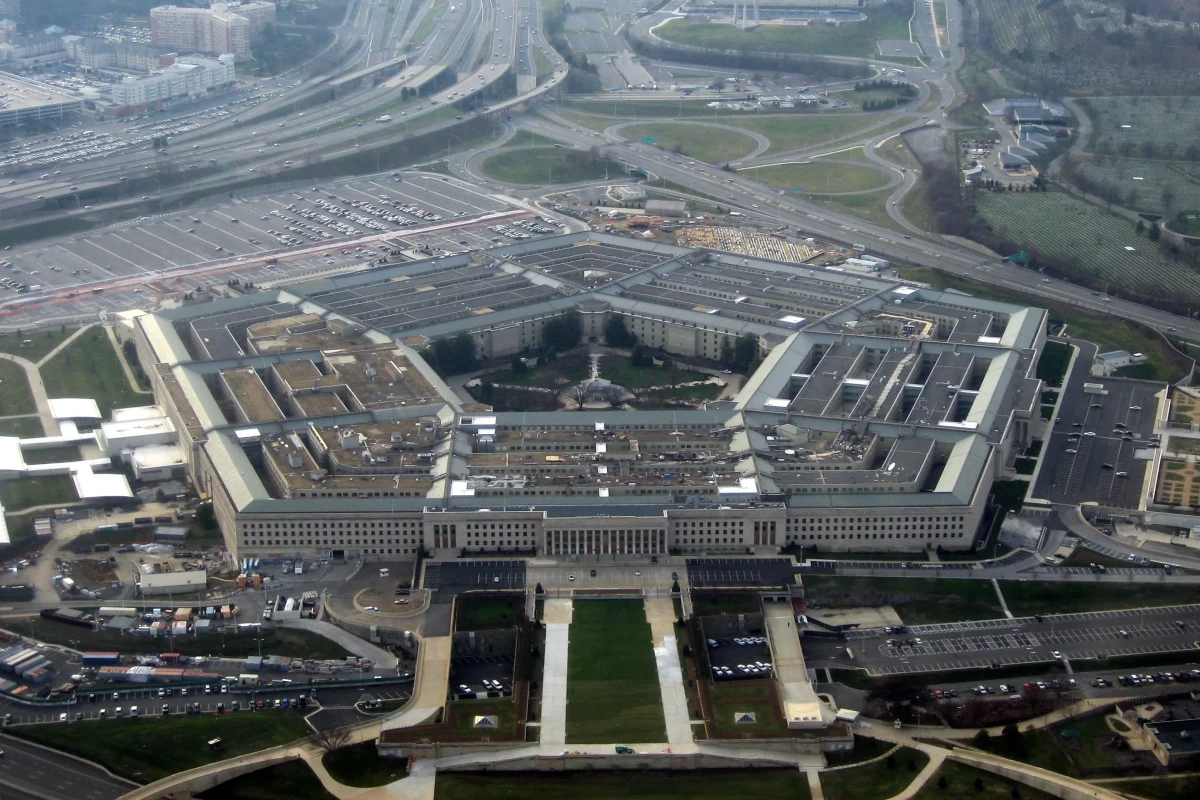
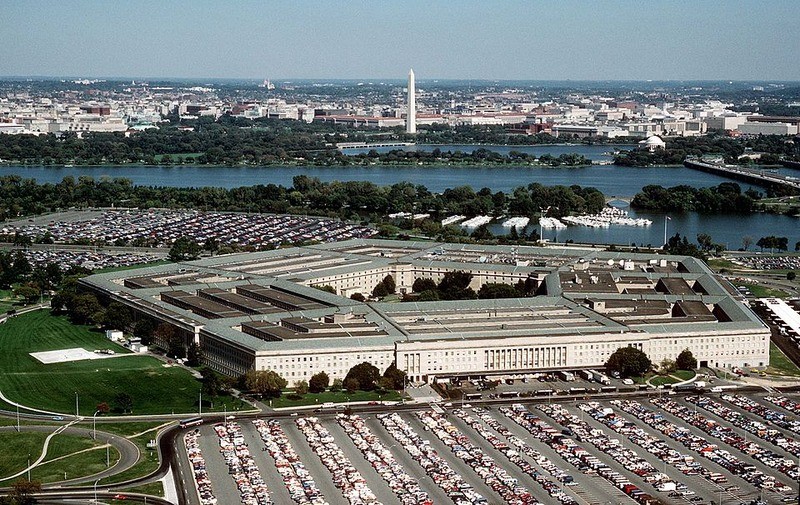
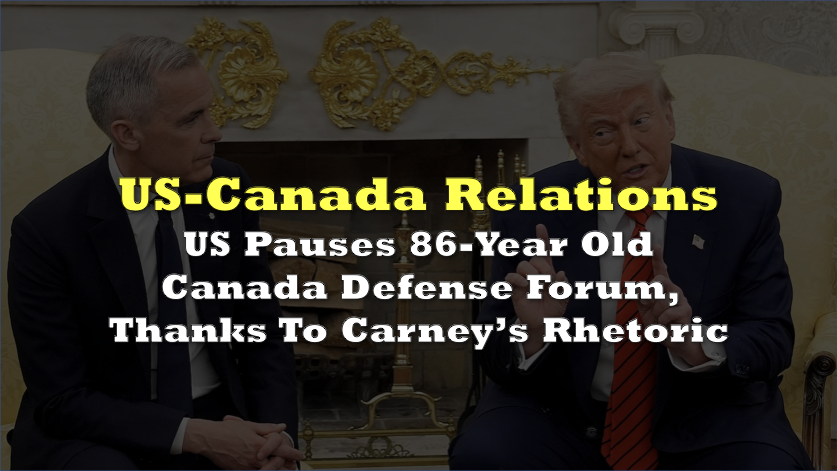
The Trump administration's suspension of the Permanent Joint Board on Defense with Canada—announced in early 2025 and reaffirmed in May 2026—signals escalating geopolitical tensions that directly impact cross-border e-commerce tariff structures and supply chain economics. The core issue: Canada's defense spending gaps have triggered broader trade war rhetoric, with Trump previously threatening aggressive tariffs on Canadian imports and suggesting annexation as an alternative to trade penalties. This creates a critical window for sellers as the U.S., Canada, and Mexico negotiate an updated USMCA trade agreement later in 2025, with outcomes determining tariff rates on thousands of product categories.
Tariff Arbitrage Opportunity: The suspension indicates hardline negotiating posture from the Trump administration, suggesting the new USMCA will likely impose higher tariffs on Canadian imports (particularly in automotive, agriculture, and manufactured goods). Sellers currently sourcing from Canada face 6-12 months to execute tariff arbitrage strategies: (1) Front-load inventory purchases before new rates take effect, locking in current tariff costs; (2) Shift sourcing to Mexico or other USMCA partners with lower tariff exposure; (3) Identify product categories where tariff increases compress margins below 15%, requiring supply chain repositioning. Historical precedent: The 2018-2019 US-China trade war saw tariff rates jump 15-25% on electronics and apparel, with early movers capturing 8-12% margin advantages by pre-buying inventory.
Market Access Shifts: Canada's stated goal of "reducing dependence on U.S. military and economic support" signals potential trade retaliation or alternative market partnerships. Sellers should monitor: (1) Canadian government procurement preferences shifting toward non-US suppliers; (2) Potential Canadian tariffs on US-origin products (retaliatory measures); (3) Arctic security investments ($9.3B defense budget increase) creating demand for specialized equipment, logistics infrastructure, and security-related products. The F-35 fighter jet procurement decision mentioned by experts could influence defense contractor supply chains affecting industrial components and specialized manufacturing.
Competitive Dynamics: Small and medium-sized sellers (SMBs) shipping from US to Canada face disproportionate tariff impact due to lower per-unit volumes and inability to negotiate supplier contracts. Large sellers with established Canadian distribution centers can absorb tariff increases through volume pricing. This creates a 3-6 month window where SMBs can establish Canadian 3PL partnerships or negotiate long-term supply agreements before tariff uncertainty resolves. The USMCA renegotiation timeline (late 2025) creates urgency: sellers must decide on sourcing strategy by Q3 2025 to lock in pricing before Q4 negotiations conclude.
Questions 7
What are the risks of front-loading inventory before tariff rates change?
Front-loading inventory carries three risks: (1) Working capital strain—tying up 20-30% more cash in inventory for 6-12 months; (2) Inventory obsolescence—if product demand shifts or new models emerge, pre-bought inventory becomes unsellable; (3) Tariff rate uncertainty—if negotiations delay or produce lower-than-expected increases, you've over-invested. Mitigate by: front-loading only fast-moving SKUs (BSR under 10K on Amazon), limiting pre-buy to 3-4 months of inventory, and negotiating supplier return agreements for unsold stock. Calculate the tariff savings vs. carrying costs (storage, insurance, opportunity cost) to determine optimal pre-buy volume. For sellers with limited working capital, consider supply chain financing or 3PL partnerships to reduce cash burden.
How will Canada's defense spending increase and Arctic investments create product opportunities?
Canada's $9.3 billion defense budget increase (2025) and Arctic security investments signal demand for specialized equipment, logistics infrastructure, and security-related products. Specific opportunities: (1) Arctic-capable equipment (cold-weather gear, specialized machinery)—demand from Canadian military and civilian Arctic operations; (2) Port infrastructure products—Canada committed to port improvements as part of defense spending; (3) Emergency preparedness supplies—included in the 1.5% infrastructure allocation; (4) Under-ice submarine components and related defense contractor supplies. Sellers should research Canadian government procurement databases (buyandsell.gc.ca) to identify RFQ opportunities. These categories typically offer 25-40% margins and face less tariff exposure than consumer goods, making them attractive alternatives to traditional sourcing.