



Fed Rate Hike Odds Rise to 58% by January 2027 | Cross-Border Seller Financing Crisis
- CME FedWatch shows 49-58% probability of rate increases; inventory financing costs could surge 200-300 basis points by Q4 2026, directly impacting 50K+ cross-border sellers relying on credit lines















Overview
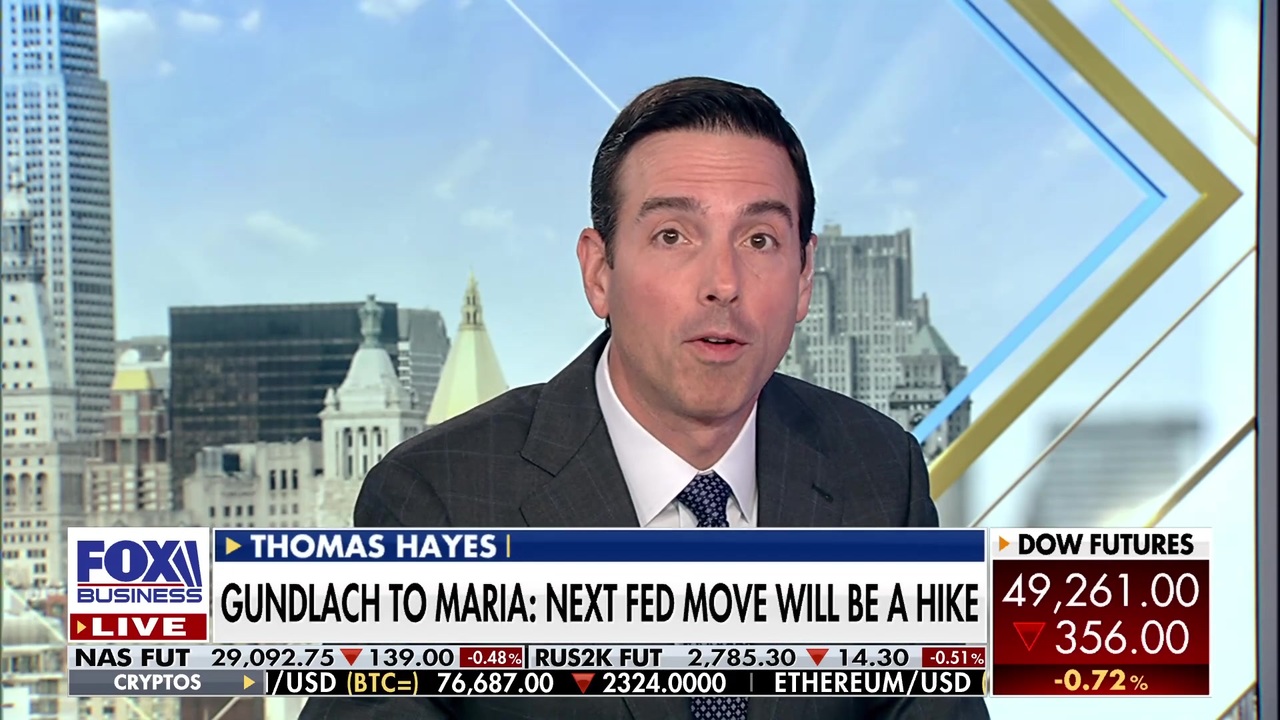
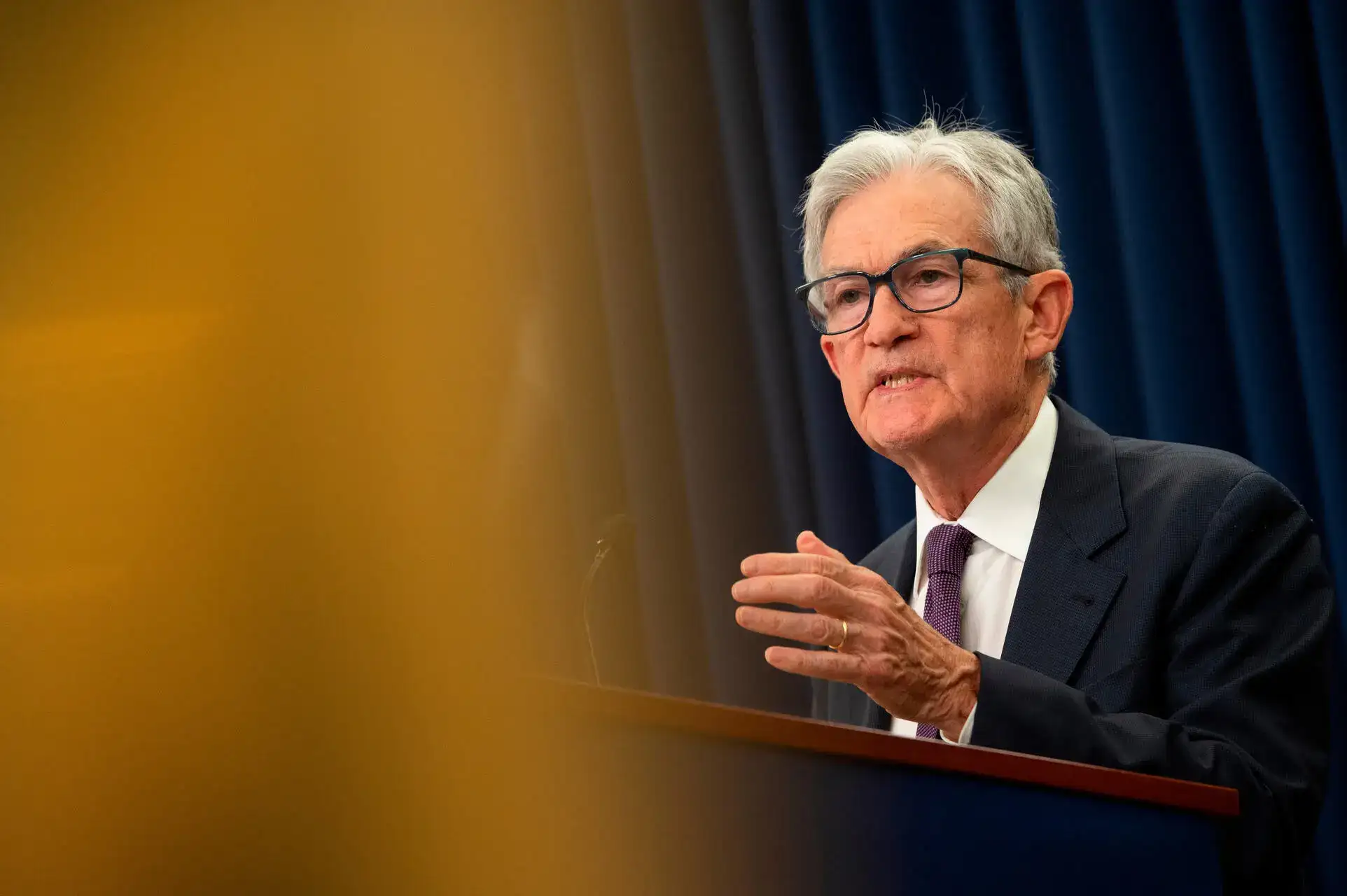
Federal Reserve rate hike expectations have shifted dramatically as of May 18, 2026, with CME Group's FedWatch tool now pricing in 49% probability of a December 2026 rate hike and 58% probability by January 2027—a complete reversal from earlier rate-cut expectations. This reversal stems from persistent inflation across multiple measures: headline CPI jumped 3.8% year-over-year in April (highest since May 2023), core PCE inflation reached 3.2%, and Producer Price Index surged 6% year-over-year—the largest jump since 2022. Energy prices specifically spiked 17.9% annually due to Iran war-related disruptions in the Strait of Hormuz, while federal spending is projected to rise 6% in fiscal 2026 and AI data center investments are approaching $1 trillion annually, creating excess aggregate demand that economist William Luther argues the Fed is misdiagnosing.
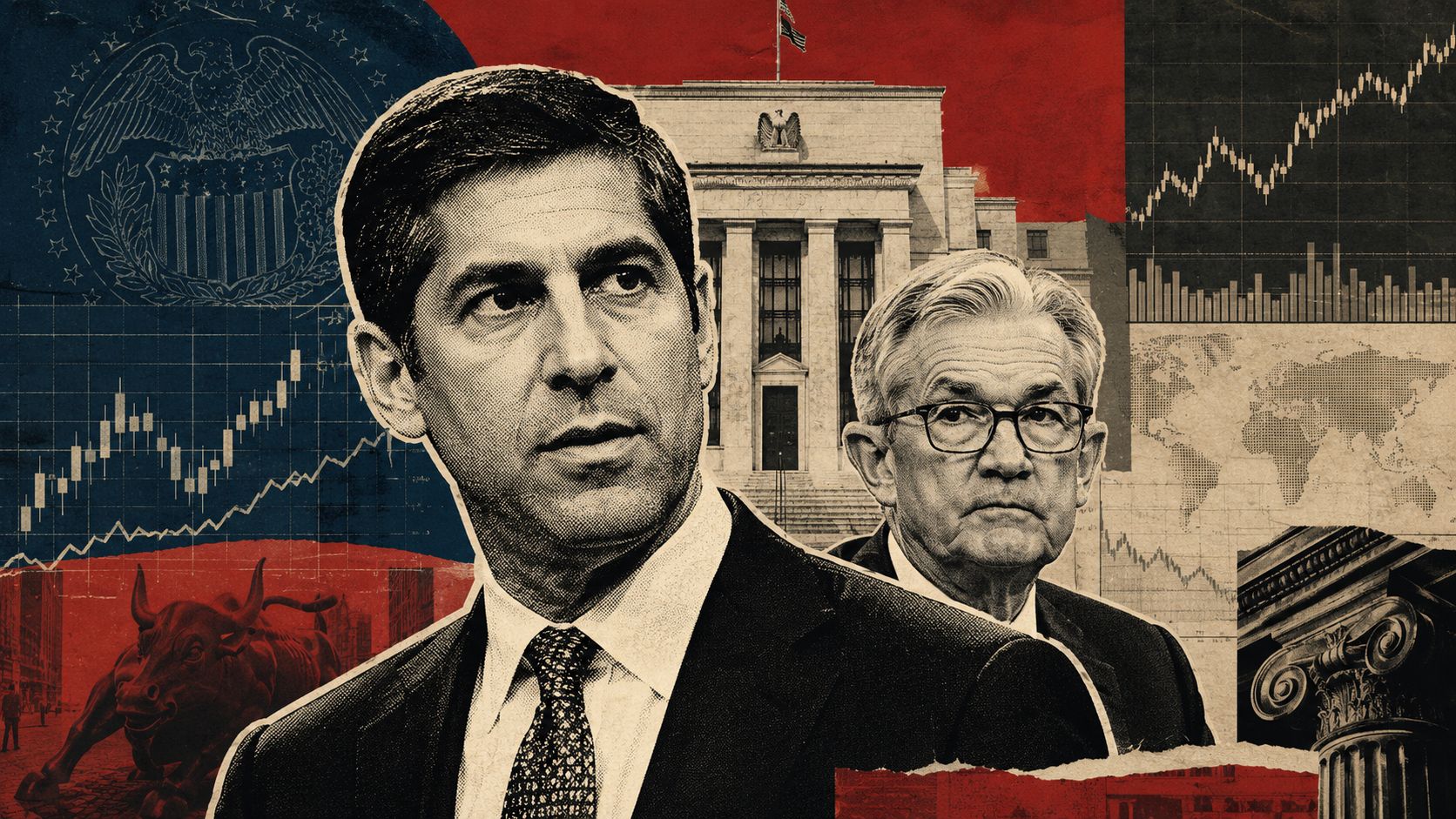
For cross-border e-commerce sellers, this rate trajectory creates an immediate financing crisis. Current Federal Funds Rate sits at 3.50-3.75% (maintained since April 30, 2025), but if rate hikes materialize in December 2026 or January 2027, short-term inventory financing costs will increase 200-300 basis points within 12-18 months. Sellers currently paying 6-8% APR on inventory lines of credit could face 8.5-11% rates by Q1 2027. For a mid-sized seller carrying $500K in inventory financed through working capital loans, this translates to $10K-15K additional annual financing costs. BNP Paribas economists James Egelhof and Guneet Dhingra emphasize that "monetary policy will follow economic data rather than leadership preference," meaning even new Fed Chair Kevin Warsh's stated preference for lower rates cannot override inflation data. The 30-year Treasury yield has already exceeded 5%, while 10-year yields hit 4.5%, signaling bond markets are pricing in sustained higher rates.
The timing creates a critical cash flow window for sellers. With the June 16-17 FOMC meeting under new Chair Warsh approaching, and December 2026 rate hike probability at 49%, sellers have 6-8 months to lock in favorable financing terms before rates rise. Sellers should immediately evaluate: (1) refinancing existing inventory loans at current rates before lender risk premiums increase; (2) shifting from variable-rate to fixed-rate financing structures; (3) accelerating inventory turnover to reduce working capital requirements; and (4) exploring alternative financing like invoice factoring (which may offer better terms than traditional credit lines during rate uncertainty). The strong job market (unemployment at 4.3%, April job growth exceeded expectations) provides some consumer purchasing power cushion, but higher borrowing costs will reduce consumer discretionary spending on imported goods—particularly affecting sellers in electronics, home goods, and apparel categories where credit-dependent consumers drive 35-40% of demand.
Questions 8
Which seller segments are most vulnerable to rate hike impacts?
Sellers most vulnerable include: (1) mid-sized importers ($500K-$5M annual inventory) relying on variable-rate credit lines for working capital; (2) electronics and home goods sellers where credit-dependent consumers drive 35-40% of demand; (3) sellers with high inventory turnover requirements (30-60 days) who need continuous financing; and (4) sellers with existing debt obligations maturing in 2026-2027 facing refinancing at higher rates. Conversely, sellers with strong cash reserves, fixed-rate financing locked in, or low inventory requirements face minimal rate hike impact. Sellers should assess their cash conversion cycle (days to convert inventory to cash) and refinance before December 2026.
What alternative financing options should sellers evaluate during rate uncertainty?
Sellers should evaluate: (1) **Invoice Factoring** - selling outstanding invoices at 2-4% discount to unlock immediate cash without rate exposure; (2) **Fixed-Rate Term Loans** - locking in current 6-8% rates for 12-24 months before rates rise; (3) **Supply Chain Finance Programs** - negotiating extended payment terms (45-60 days) with suppliers to reduce working capital needs; (4) **Inventory Financing with Rate Caps** - securing loans with maximum rate increases capped at 1-1.5%; and (5) **Supplier Financing** - leveraging relationships with manufacturers for direct financing at lower rates than traditional lenders. Each option trades off cost, flexibility, and cash flow timing differently based on seller size and category.