




Meta's $115-135B AI Investment Reshapes E-Commerce Advertising & Commerce Tools for Sellers
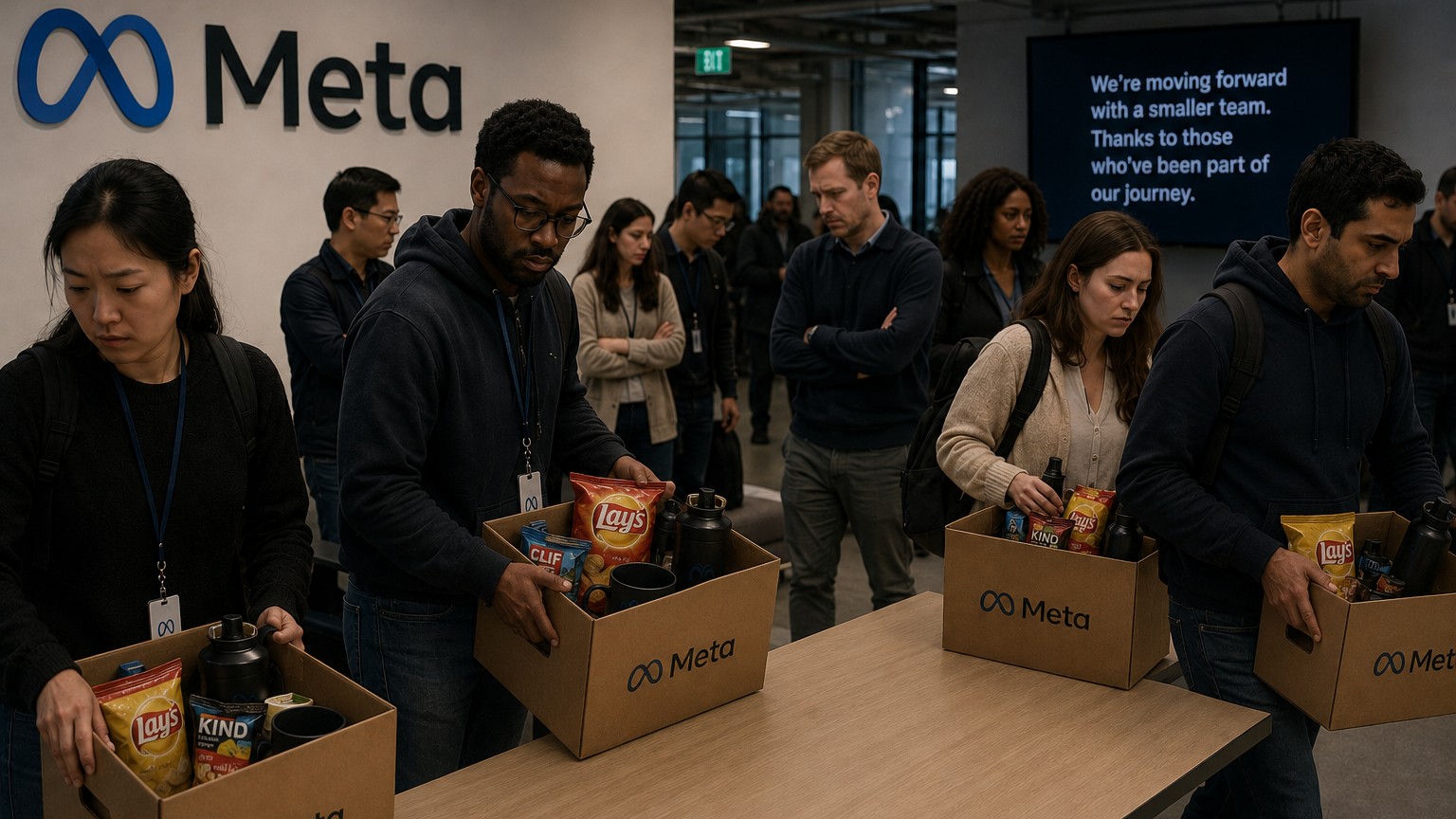
- 7,000 employee reassignment signals major platform upgrades; sellers gain AI-powered ad targeting but face temporary support gaps during May 2026 transition









)




Overview
Meta's massive organizational restructuring on May 18, 2026—reassigning 7,000 employees and planning $115-135 billion in annual AI spending—represents a watershed moment for cross-border e-commerce sellers relying on Facebook, Instagram, and WhatsApp for customer acquisition. The company's pivot toward AI-native tools and streamlined management structures signals accelerated development of intelligent advertising and commerce features that will fundamentally reshape how sellers reach customers and optimize conversions.
For e-commerce sellers, the immediate opportunity lies in AI-powered ad targeting and recommendation algorithms. Meta's four new AI-focused organizations are explicitly building next-generation tools for product discovery, audience segmentation, and dynamic pricing optimization. Sellers can expect dramatic improvements in ad relevance scoring, lookalike audience accuracy, and real-time bid optimization within 6-12 months. Industry benchmarks suggest AI-enhanced ad targeting typically improves conversion rates by 15-25% and reduces customer acquisition costs by 20-30%. Sellers managing $50K-500K monthly ad budgets on Meta platforms could see $10K-150K in annual savings through improved targeting efficiency alone. The company's $115-135B annual AI investment dwarfs competitors—Google's AI infrastructure spending is estimated at $60-80B annually—giving Meta a 12-18 month competitive advantage in commerce AI features.
However, the 8,000 planned layoffs (10% of Meta's 78,000+ workforce) create near-term operational risks for sellers. Platform support services, seller education programs, and feature development timelines will likely experience 4-8 week delays during the transition period (May-August 2026). Sellers should expect slower response times from Meta's seller support team and delayed rollout of new commerce features. This mirrors similar patterns at Cisco (4,000 layoffs), Microsoft, Block, and Coinbase—all implementing AI-focused restructuring that temporarily disrupts customer-facing services. The broader tech industry trend indicates a 6-12 month window where platform stability may be compromised while companies optimize organizational structures.
Strategically, sellers should prepare for three major shifts: First, monitor Meta's AI product announcements closely—new features like AI-powered product recommendations, automated ad creative generation, and predictive inventory management will launch throughout 2026-2027. Second, diversify marketing spend across Amazon Advertising, Google Shopping, and TikTok Shop during the transition period to reduce platform dependency risk. Third, audit current Meta ad campaigns for optimization opportunities—sellers who implement manual improvements now (audience refinement, creative testing, bid strategy optimization) will capture disproportionate gains when AI tools launch, as algorithms will build on existing performance data.
Questions 8
Which Meta platforms will benefit most from the AI investment for sellers?
Facebook, Instagram, and WhatsApp—Meta's three core commerce platforms—will all receive AI enhancements. Facebook and Instagram will see improved product recommendation algorithms, dynamic creative optimization, and audience targeting. WhatsApp Business will integrate AI-powered customer service automation and product discovery features. For sellers, Instagram Shopping and Facebook Marketplace will likely see the most dramatic improvements in product discoverability and conversion optimization. WhatsApp's integration with Meta's commerce ecosystem could unlock new customer acquisition channels, particularly in emerging markets where WhatsApp penetration exceeds 80%.
How should sellers prepare for Meta's new AI-native tools launching in 2026-2027?
Sellers should immediately audit their Meta ad campaigns for optimization opportunities: refine audience targeting, test creative variations, and implement conversion tracking across all touchpoints. Clean, well-organized product catalogs and consistent brand messaging will help AI algorithms learn faster when new tools launch. Sellers should also monitor Meta's official announcements for beta access to new features—early adopters typically see 30-40% better performance than late adopters as algorithms optimize on their data. Consider allocating 10-15% of ad budget to testing new features as they roll out, while maintaining 85-90% on proven campaigns.