





UK Rail Network Transformation Signals Strategic Infrastructure Overhaul
- Major investment reshapes transportation infrastructure for enhanced regional connectivity























Overview
The United Kingdom's railway system is undergoing a profound metamorphosis, representing a strategic recalibration of national transportation infrastructure. At the heart of this transformation lies a £4 billion investment that promises to fundamentally reshape the East Coast Main Line and broader rail network, signaling a critical pivot in mobility and logistics capabilities.
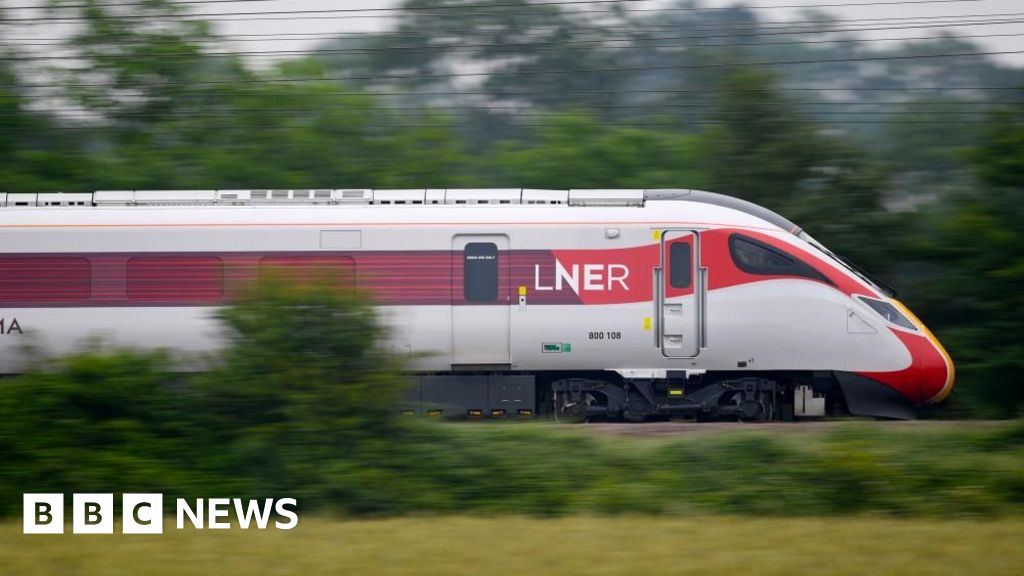
Strategic Infrastructure Optimization emerges as the core narrative. The timetable changes, set to introduce nearly 10,000 additional annual services, represent more than just scheduling adjustments—they're a calculated effort to maximize existing rail capacity. By reducing travel times between major cities like London and Edinburgh by 15 minutes, and implementing six trains per hour from Kings Cross, the UK is essentially engineering a more efficient transportation ecosystem.
The logistics implications are particularly compelling. For cross-border sellers and supply chain professionals, these infrastructure improvements translate into tangible operational advantages. Regional connectivity is being dramatically enhanced, with new routes like the hourly fast service between Leeds and Sheffield creating more robust distribution networks. The northern regions, especially, stand to benefit from these strategic improvements, potentially reducing transportation costs and delivery times.
However, the transformation is not without strategic tension. The railway industry remains cautiously optimistic, remembering the disastrous 2018 timetable changes. Rail minister Peter Hendy's emphasis on delivering investment underscores the high-stakes nature of this infrastructure overhaul. The system is essentially being pushed to its operational limits—what industry experts colorfully describe as "squeaky bum time"—testing the boundaries of existing rail infrastructure.
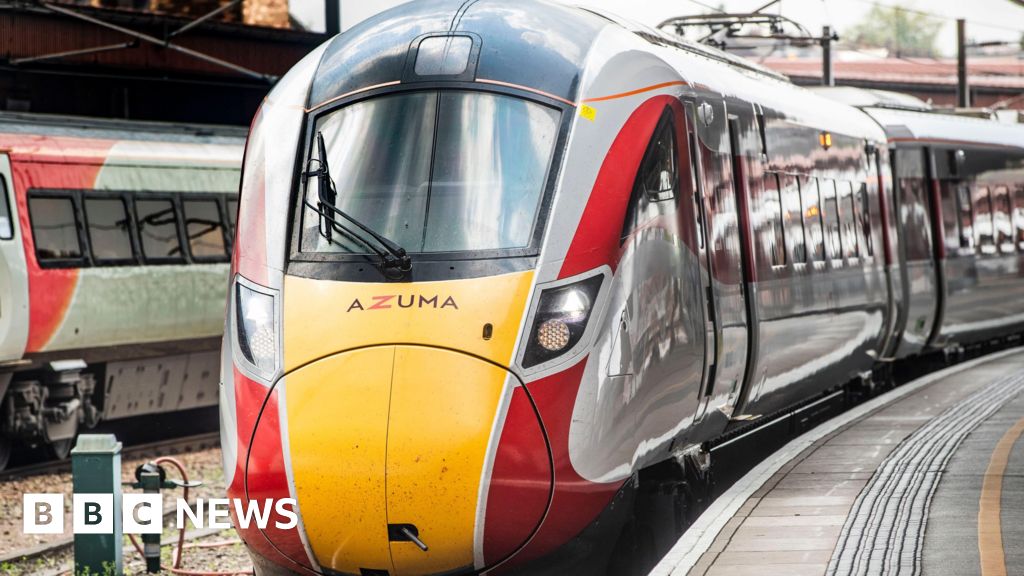
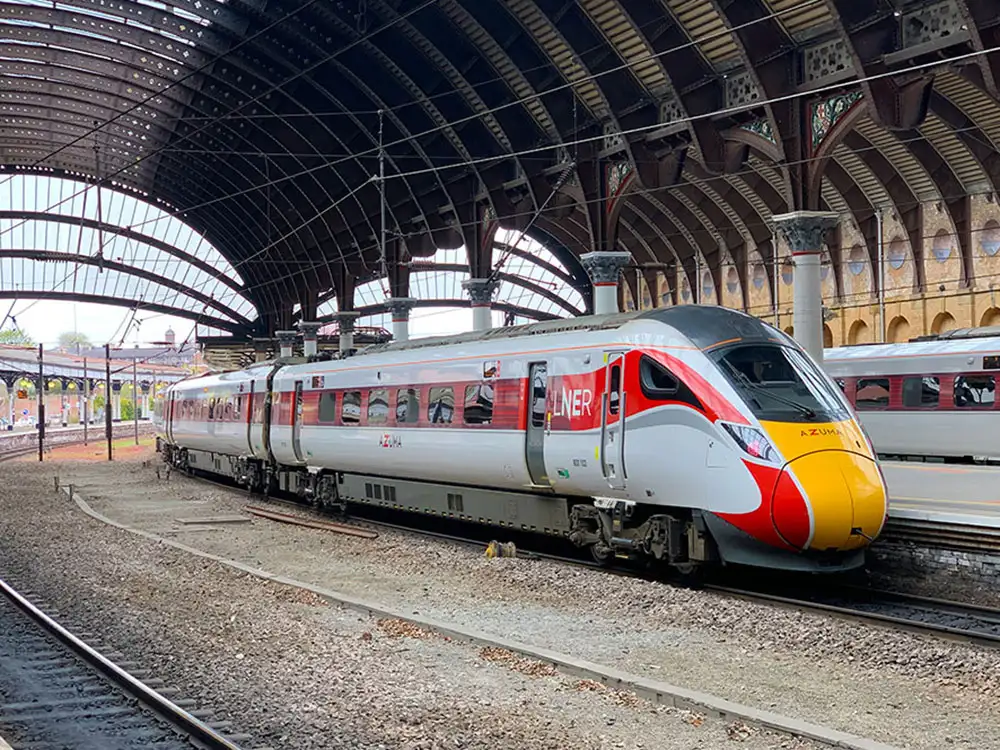
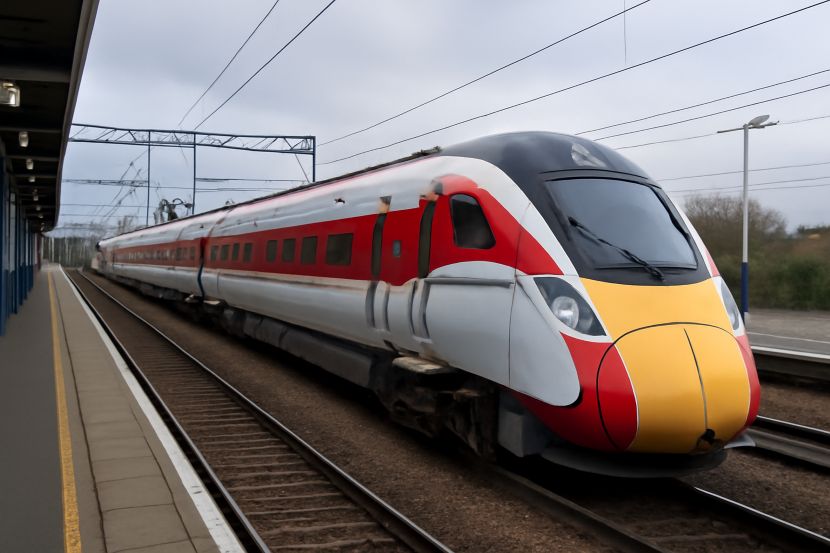
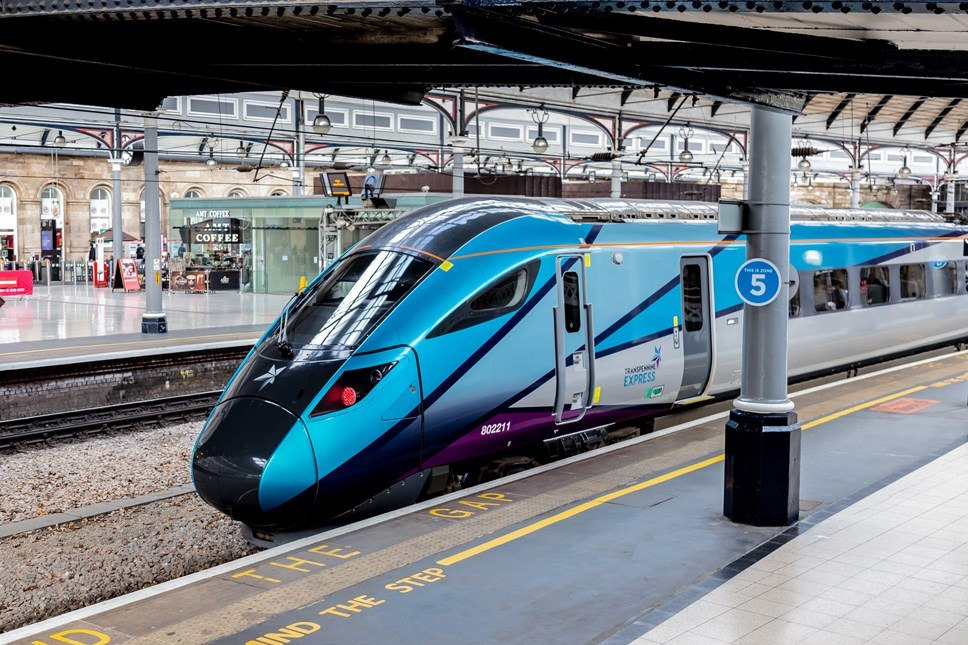
The broader context reveals a coordinated approach between government agencies and transportation operators. By investing in technologies like Hitachi Azuma trains and pursuing a multibillion-pound digitization program, the UK is positioning its rail network as a critical piece of modern economic infrastructure. This isn't just about moving people; it's about creating more efficient, responsive transportation systems that can support evolving economic mobility.
Questions 3
What are the key strategic improvements in the UK rail network?
The network is introducing nearly 10,000 additional annual services, reducing travel times between major cities, increasing train frequencies to six per hour from Kings Cross, and implementing new routes like the Leeds-Sheffield fast service. These changes represent a £4 billion investment aimed at optimizing existing rail infrastructure.
How might these rail improvements impact logistics and supply chain operations?
Enhanced regional connectivity, particularly in northern UK regions, creates more efficient distribution networks. Reduced travel times and increased service frequencies can lower transportation costs, improve delivery predictability, and provide more flexible routing options for cross-border sellers and logistics providers.