


Tariff Tactics Unraveled: Trump's Trade Strategy Crumbles Under Exemption Pressures
- Massive carveouts expose the fragility of emergency trade policy implementation
Overview
The Trump administration's emergency tariff strategy is rapidly disintegrating, revealing the complex realities of international trade policy. With approximately half of U.S. imports now exempt from original tariff plans, the approach demonstrates remarkable strategic flexibility—or fundamental inconsistency—in addressing global economic challenges.
Tariff Exemption Dynamics are reshaping the original aggressive trade posture. In just two months, the White House carved out massive exceptions: nearly $280 billion in critical minerals and industrial materials in September, followed by an additional $252 billion in agricultural imports by November. These exemptions span a strategic network of allies, including the European Union, United Kingdom, Japan, Malaysia, Cambodia, and Brazil, indicating a nuanced diplomatic recalibration.
The underlying logic exposes a critical tension in trade policy implementation. Ed Gresser's critique highlights the administration's contradictory narrative—simultaneously claiming tariffs offload taxes onto foreign producers while strategically removing them to manage consumer prices. This reveals a pragmatic adaptation rather than a consistent ideological approach. The $12 billion farmer relief package further underscores the economic pressures driving these policy modifications.
Fundamentally, these tariff modifications illuminate the intricate negotiations underlying international commerce. The extensive carveouts suggest significant compromises in the original tariff framework, demonstrating that broad trade policies are far more complex than simplistic political rhetoric suggests. The Trump administration's approach reveals a dynamic trade strategy that prioritizes economic flexibility over rigid ideological positions.
The emerging pattern signals a profound shift: trade policy is becoming increasingly granular, sector-specific, and responsive to immediate economic pressures. For businesses and policymakers, the key takeaway is clear—adaptability trumps dogmatic implementation in the complex global trade landscape.
Questions 3
Why are so many imports being exempted from Trump's original tariff plan?
The exemptions reflect complex economic pressures and diplomatic considerations. With nearly $532 billion in goods now excluded, the administration is balancing national security goals, consumer price management, and maintaining strategic international relationships. The carveouts suggest a pragmatic approach that prioritizes economic flexibility over rigid trade barriers.
How do these tariff modifications impact different economic sectors?
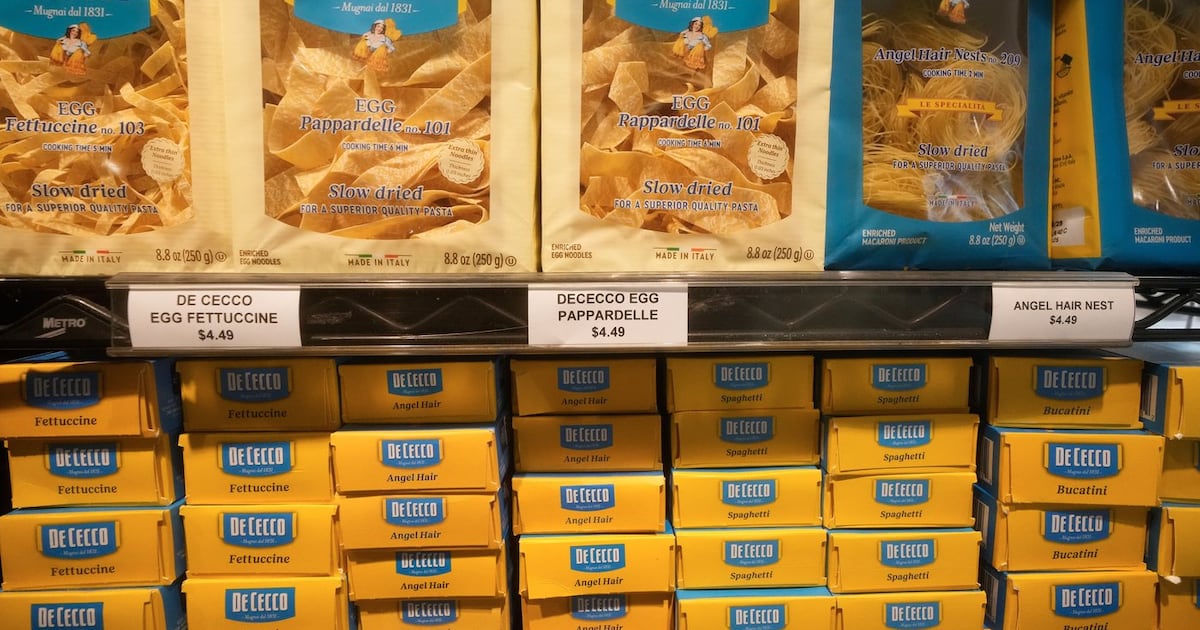
Different sectors are experiencing varied impacts. Agricultural imports like beef and coffee saw significant exemptions, providing relief to farmers and food importers. Critical minerals and industrial materials also received substantial carveouts, indicating a strategic approach to maintaining supply chain resilience while managing trade tensions.