

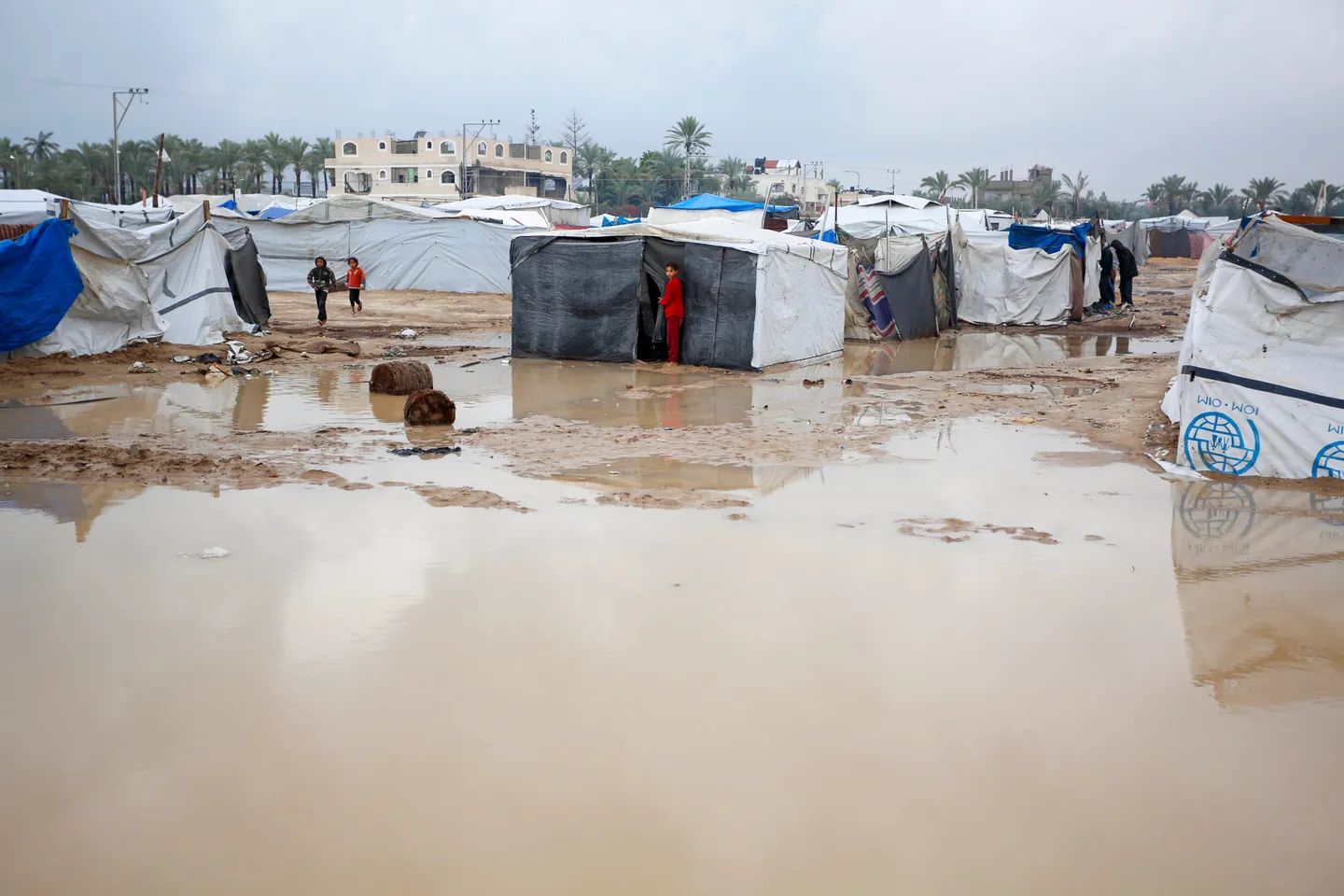
Winter of Desperation: Gaza's Humanitarian Catastrophe Unfolds
- Unprecedented Survival Crisis Exposes Systemic Humanitarian Failure for 1.4 Million Displaced Palestinians


Overview
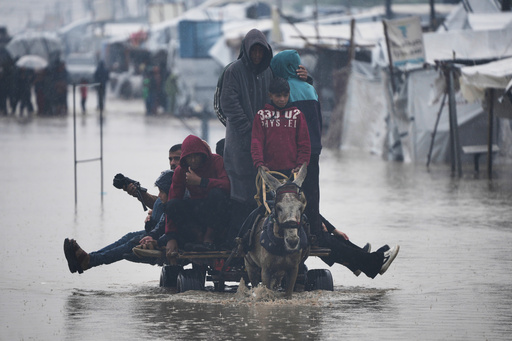
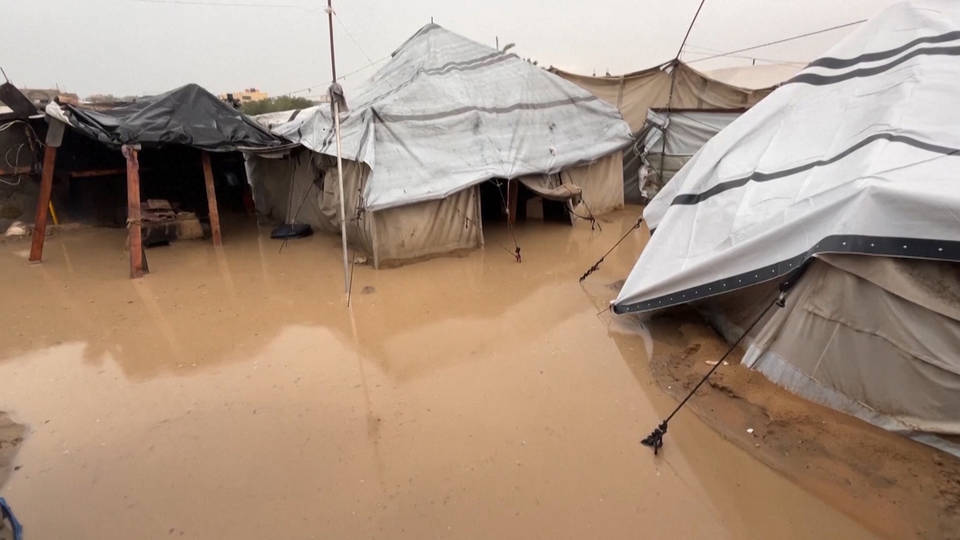
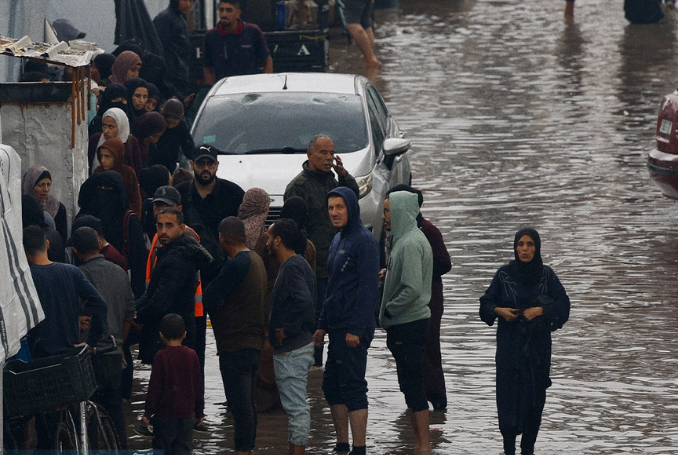
The humanitarian crisis in Gaza has reached a critical inflection point, revealing a stark landscape of human vulnerability and institutional breakdown. With approximately 27,000 tents destroyed by winter storms, 1.4 million displaced Palestinians are confronting a life-or-death scenario that transcends typical emergency response frameworks.
Systemic Collapse of Basic Survival Infrastructure is the most alarming development. Families are compressed into 4x4 meter tents, facing temperatures that threaten immediate mortality. The UN's response—merely 300 tents distributed in November and 230,000 food parcels—represents a catastrophically inadequate intervention against the scale of human suffering. The economic dimension is equally devastating, with tent and land rental costs reaching up to $1,000, effectively trapping vulnerable populations in an impossible economic stranglehold.
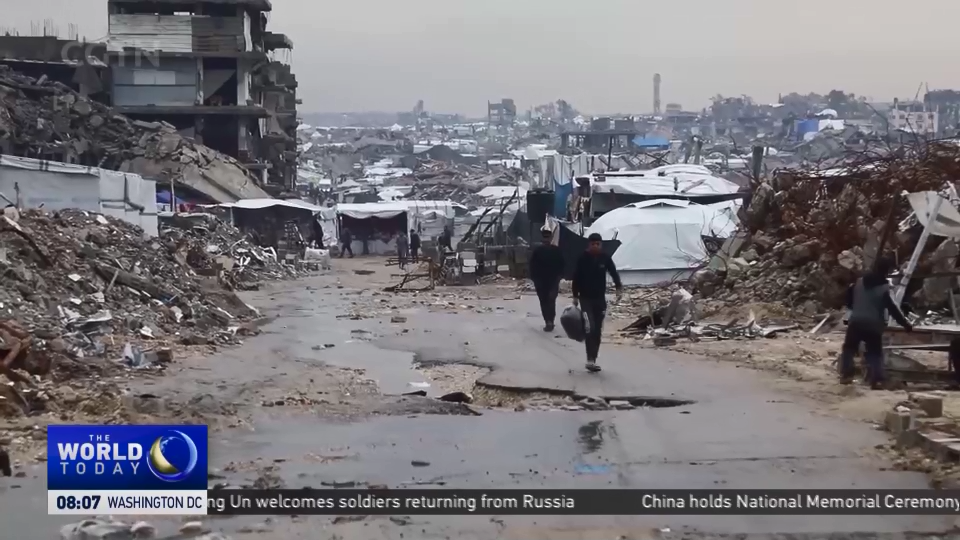
Mortality is No Longer a Potential Outcome, But a Current Reality. Reported deaths from hypothermia, particularly among infants and children, signal a humanitarian emergency that has already crossed critical thresholds. The ceasefire has not translated into meaningful reconstruction or relief, leaving an entire population suspended in a liminal state of extreme precarity. The most vulnerable—children, elderly, and chronically ill individuals—are experiencing a compounding risk environment where each passing winter storm represents a potential death sentence.
The crisis exposes a profound failure of international humanitarian mechanisms. Despite global awareness, the response remains fragmented and insufficient. The structural vulnerability of displaced populations has been laid bare, revealing systemic gaps in emergency response, refugee protection, and humanitarian intervention strategies.
Urgent, comprehensive international action is not just recommended—it is imperative. The window for preventative intervention is rapidly closing, with each passing day increasing the potential for large-scale human loss. Immediate, coordinated efforts must focus on shelter reconstruction, winter protection, medical support, and economic relief to prevent what could become one of the most significant humanitarian catastrophes of the decade.
Questions 3
How inadequate is the current humanitarian response?
The UN's response is critically insufficient: only 300 tents distributed in November for 1.4 million displaced people, and 230,000 food parcels that cannot meet basic nutritional needs. This represents less than 0.02% tent coverage and minimal food support, leaving most vulnerable populations without meaningful assistance.
What makes the current Gaza humanitarian situation uniquely critical?
The crisis is unprecedented due to the combination of massive displacement (1.4 million people), complete infrastructure collapse, winter storm destruction of 27,000 tents, and minimal international intervention. Families are facing extreme economic barriers, with tent rentals costing up to $1,000, while experiencing life-threatening exposure to cold and flooding.