


The Death of Hong Kong's Press Freedom: Jimmy Lai's Conviction Signals Systemic Crackdown
- Landmark trial exposes Beijing's strategy to eliminate political dissent and media independence


























Overview
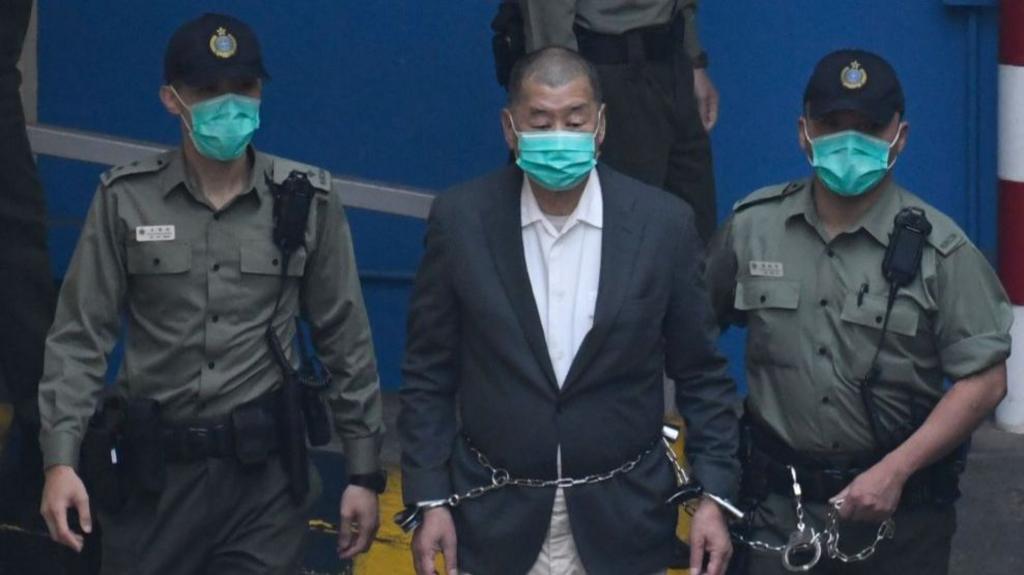
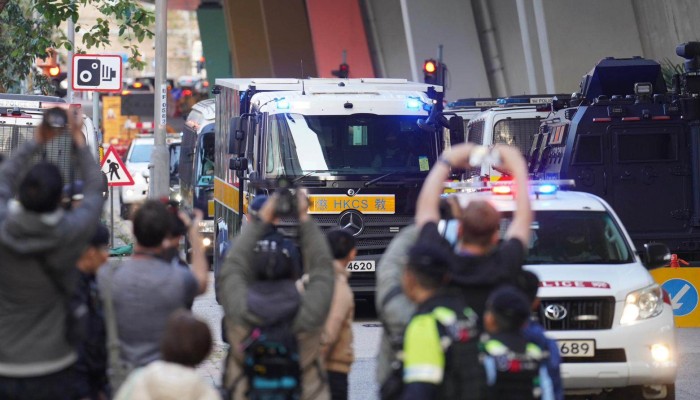
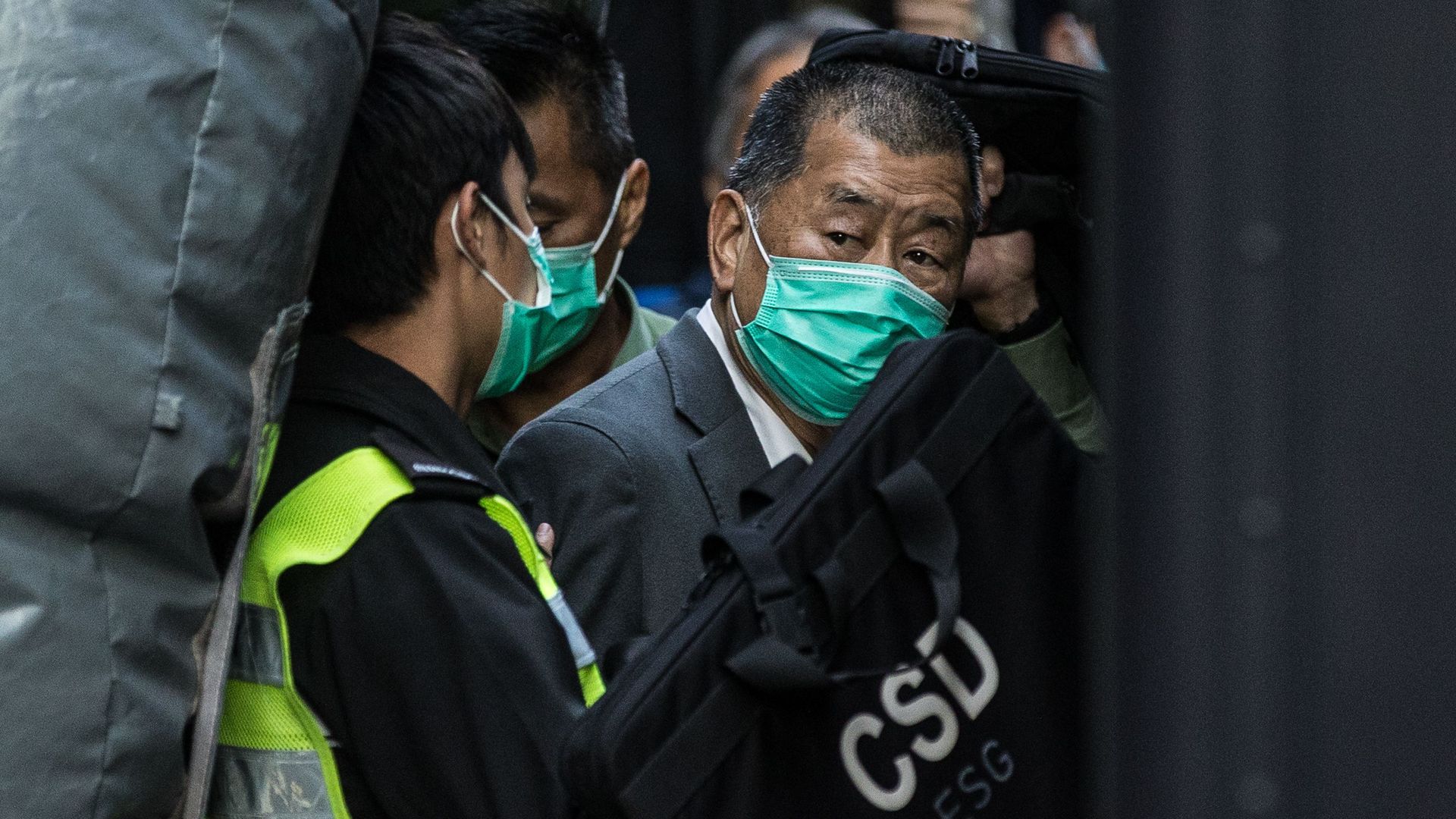
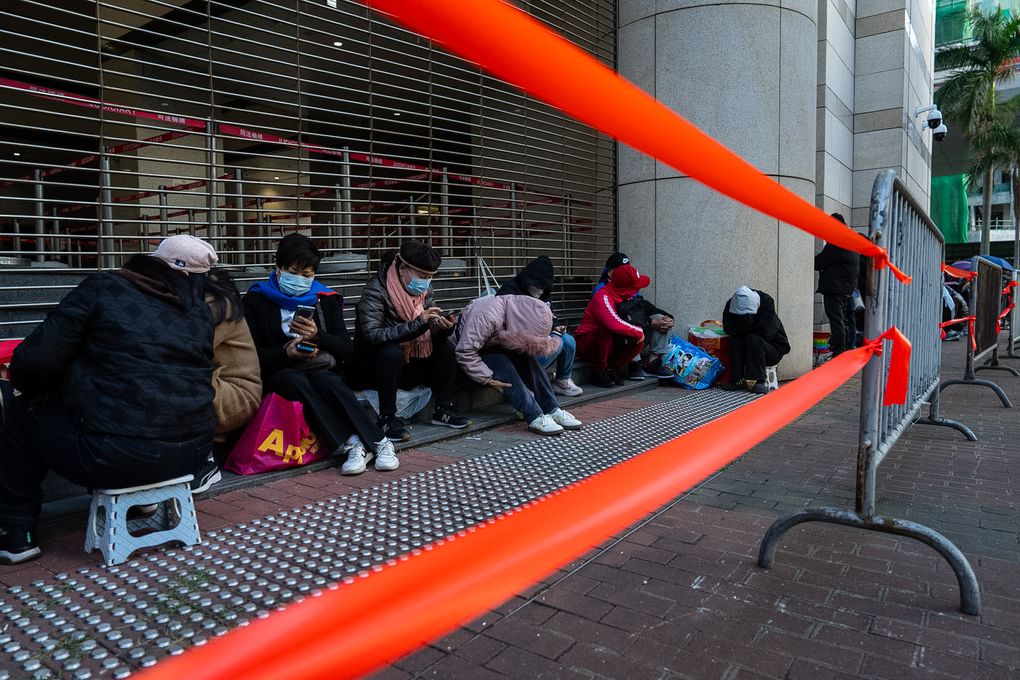
Jimmy Lai's conviction represents a pivotal moment in Hong Kong's accelerating political transformation, marking the systematic dismantling of press freedom and democratic institutions under Beijing's increasingly authoritarian governance model. The landmark national security trial goes far beyond a single media mogul's fate—it is a calculated surgical strike against independent journalism and political opposition.
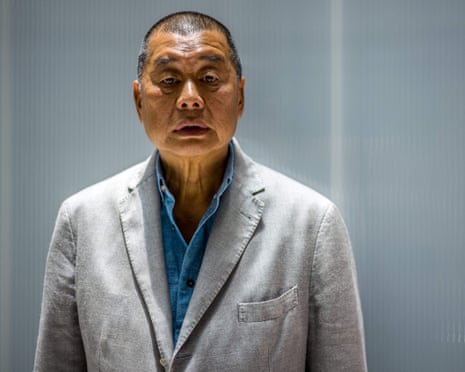
The verdict reveals a multi-layered strategy of political control. By convicting Lai on charges of sedition and collusion with foreign forces, the Hong Kong court has effectively criminalized critical reporting and international engagement. His 78-year-old profile symbolizes the broader suppression: a prominent businessman and pro-democracy activist systematically neutralized through legal mechanisms.
Key strategic indicators are alarming. The 850-page court judgment explicitly accused Lai of seeking to undermine the Chinese Communist Party, demonstrating a judicial system now weaponized as a political instrument. The conviction sends an unambiguous message: any form of political criticism or international advocacy will be aggressively prosecuted. Lai's Apple Daily newspaper, once a vibrant platform for independent journalism, has been shuttered—representing the broader assault on media pluralism.
International reactions underscore the significance. Organizations like Amnesty International and Reporters Without Borders have characterized this as a "death knell for press freedom", highlighting the global implications. The trial's timing, following the 2019 pro-democracy protests and the implementation of the national security law, reveals a systematic approach to eliminating political alternatives.
For international businesses and media organizations, this represents a critical inflection point. The diminishing civil liberties and increasingly restrictive regulatory environment signal profound risks for operating in Hong Kong. The message is clear: political compliance is now a non-negotiable prerequisite for survival.
Ultimately, Lai's conviction is not just about one man, but about the fundamental transformation of Hong Kong's political landscape—a calculated dismantling of democratic institutions under the guise of national security.
Questions 3
What does this trial reveal about the current state of Hong Kong's political system?
The trial exposes a fundamental transformation of Hong Kong's governance, with democratic institutions being systematically dismantled. The 'patriots-only' election rules, reduced legislative representation, and aggressive prosecution of political activists demonstrate a deliberate strategy to eliminate political pluralism and enforce strict alignment with Beijing's political model.
How might this verdict impact international businesses operating in Hong Kong?
The conviction creates a high-risk environment for international businesses, particularly those in media, technology, and sectors sensitive to political discourse. Companies must now navigate an increasingly restrictive regulatory landscape where political compliance is paramount, and any perceived challenge to official narratives could result in severe legal consequences.