



Billion-Dollar Lottery Dreams Reimagined: How Powerball and Mega Millions Transformed Gambling Economics
- Strategic Prize Engineering Reveals New Psychological Playbook for Mass Market Gambling









Overview
The lottery industry has undergone a remarkable metamorphosis, transforming from a modest gambling activity to a headline-generating economic phenomenon. Since 2016, billion-dollar jackpots have emerged 12 times, representing a strategic reimagining of how games of chance capture public imagination and financial engagement.
Mathematical engineering lies at the heart of this transformation. Lottery organizations have systematically redesigned winning probabilities, making grand prizes exponentially more difficult to achieve. Powerball's odds of winning have shifted from 1 in 175.2 million to an astounding 1 in 292.2 million, a deliberate mechanism to concentrate prize money and generate massive headline-grabbing jackpots.
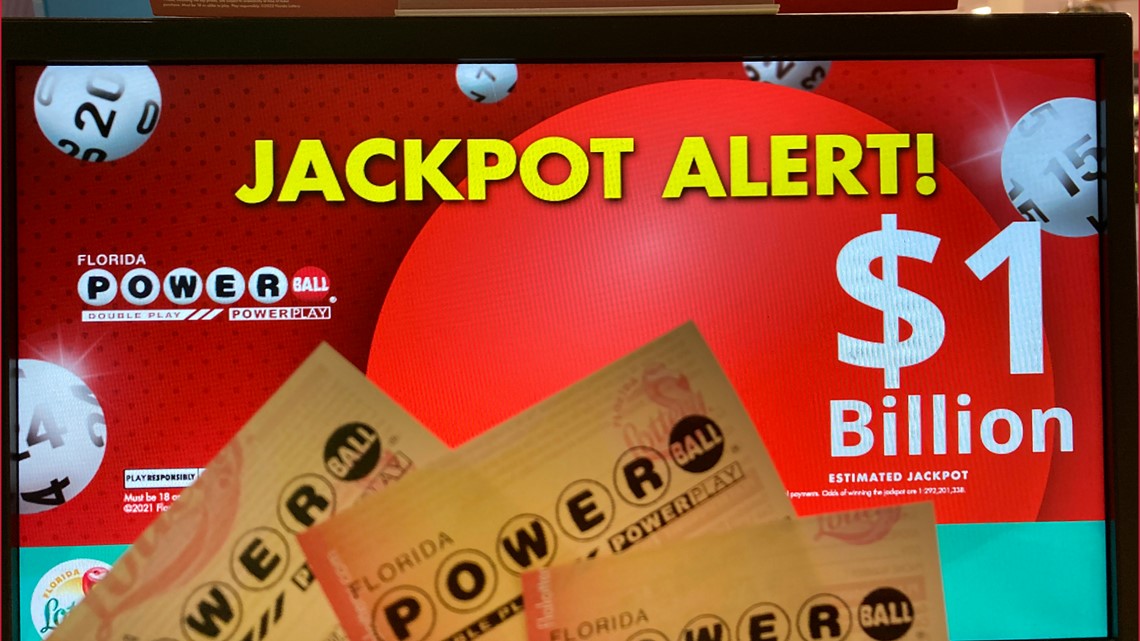
The financial architecture behind these prizes reveals a sophisticated psychological strategy. While the advertised annuitized jackpot stands at $1 billion, the immediate lump sum option—which most winners select—represents just $461.3 million. This gap is not an accident but a calculated design that amplifies perceived value and excitement. Economics professor Victor Matheson astutely notes that lottery organizations understand participants are not motivated by small prizes, but by the tantalizing possibility of becoming instant billionaires.
Critically, this evolution has been enabled by nationwide game expansion. Mega Millions and Powerball are now available across nearly all states, Washington D.C., and the U.S. Virgin Islands, creating a vast, interconnected market that can rapidly accumulate massive prize pools. By increasing ticket prices (Powerball from $1 to $2, Mega Millions to $5) and mathematically adjusting game mechanics, these organizations have transformed lottery participation from a local pastime to a national spectacle.
The implications extend beyond mere gambling: this represents a masterclass in creating artificial scarcity and psychological anticipation. By making wins increasingly rare and prizes increasingly large, lottery organizations have effectively turned their games into mass-market entertainment products that sell hope as much as they sell potential winnings.
Questions 3
What's the difference between annuitized and lump sum jackpot amounts?
The annuitized jackpot (currently $1 billion) promises 30 yearly payments that increase over time. The lump sum option (currently $461.3 million) is significantly smaller but provides immediate access to funds. Most winners opt for the immediate lump sum payment.
Why do people continue buying lottery tickets despite extremely low odds of winning?
As economics professor Victor Matheson notes, people are not motivated by small prizes but by the psychological allure of potentially becoming billionaires. The massive, headline-grabbing jackpots sell hope and entertainment more than realistic winning expectations.