




NFL Divisional Drama: How Strategic Positioning Reveals Deeper Competitive Dynamics
- A High-Stakes Matchup Exposing Organizational Resilience and Strategic Rebuilding























Overview
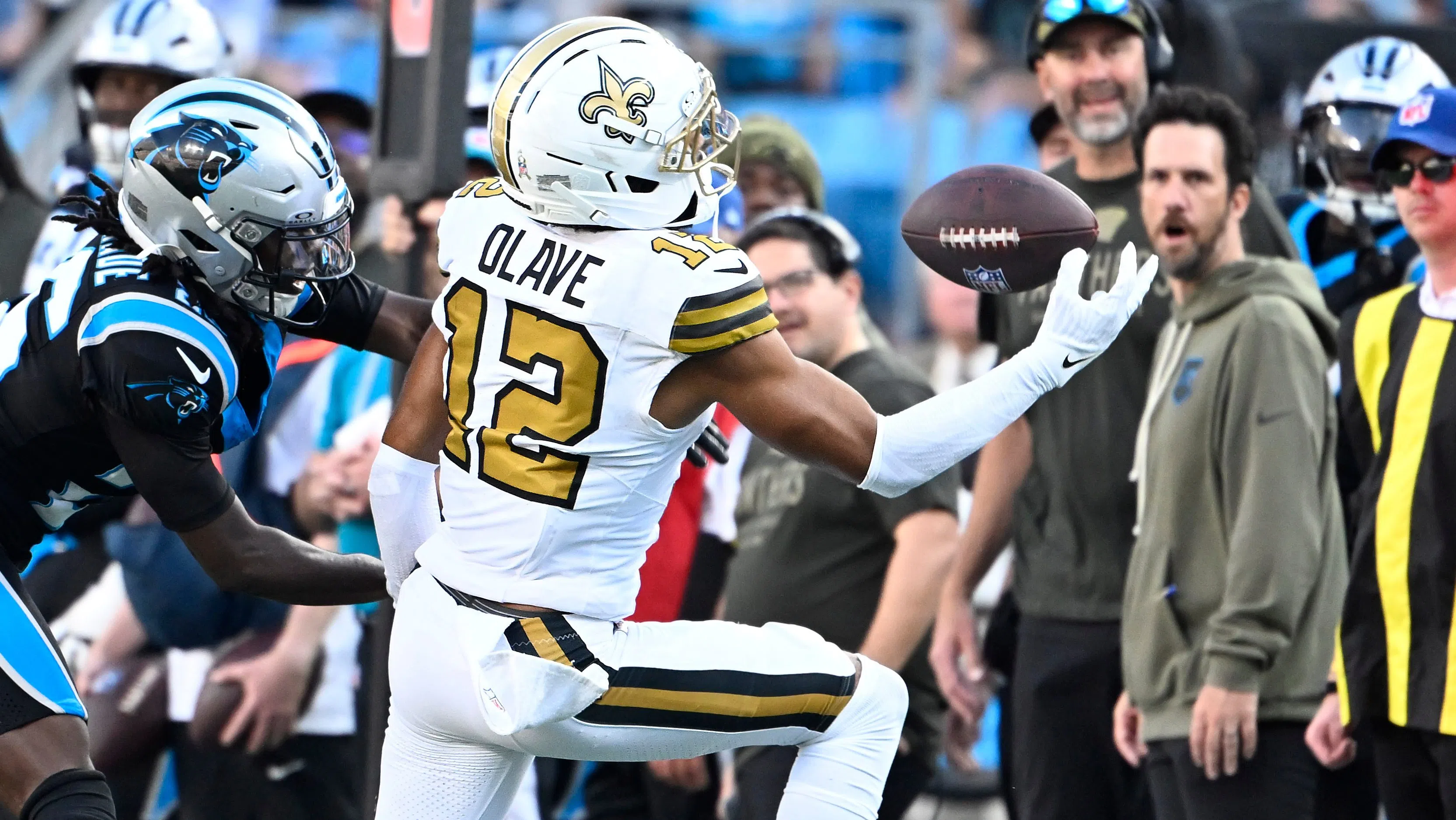
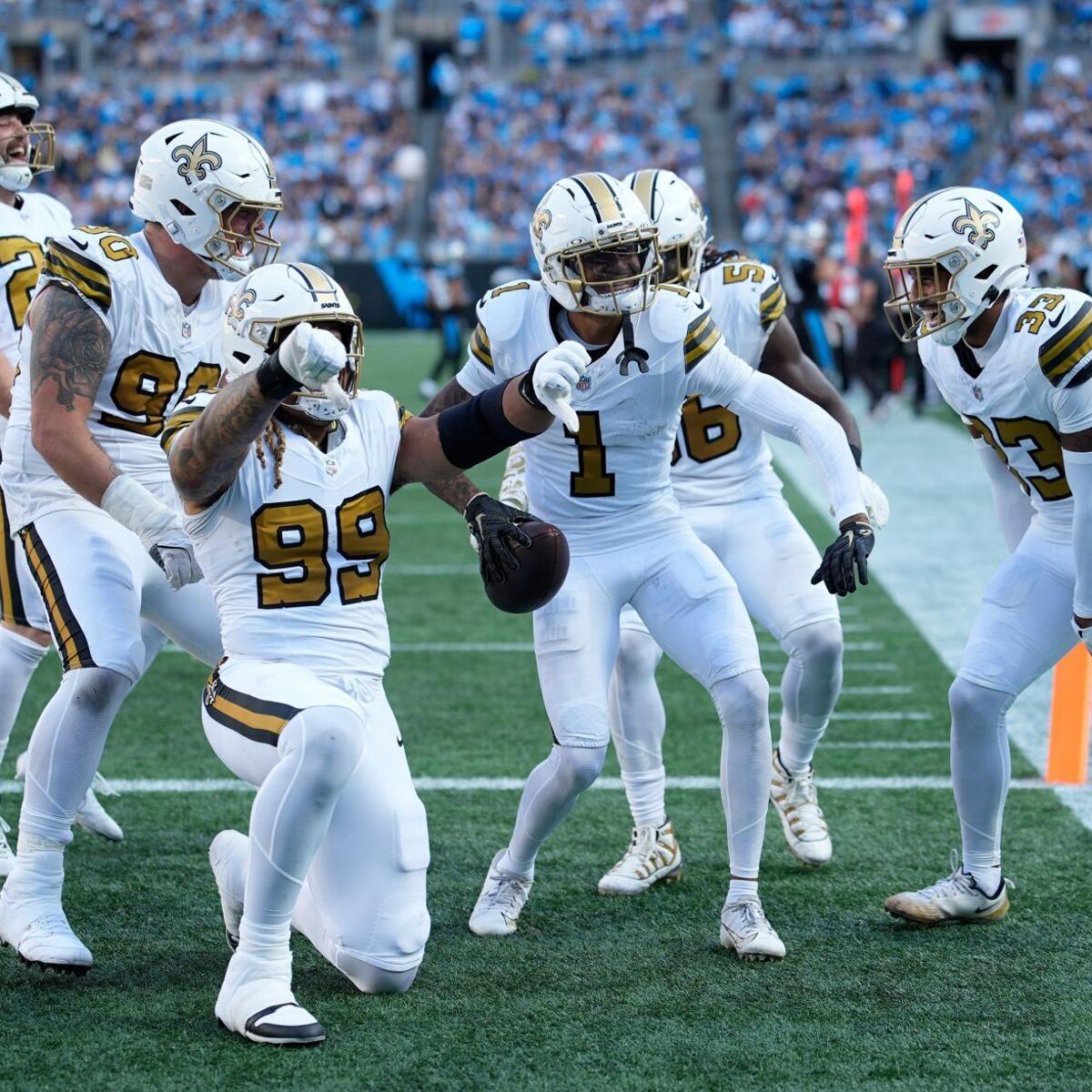
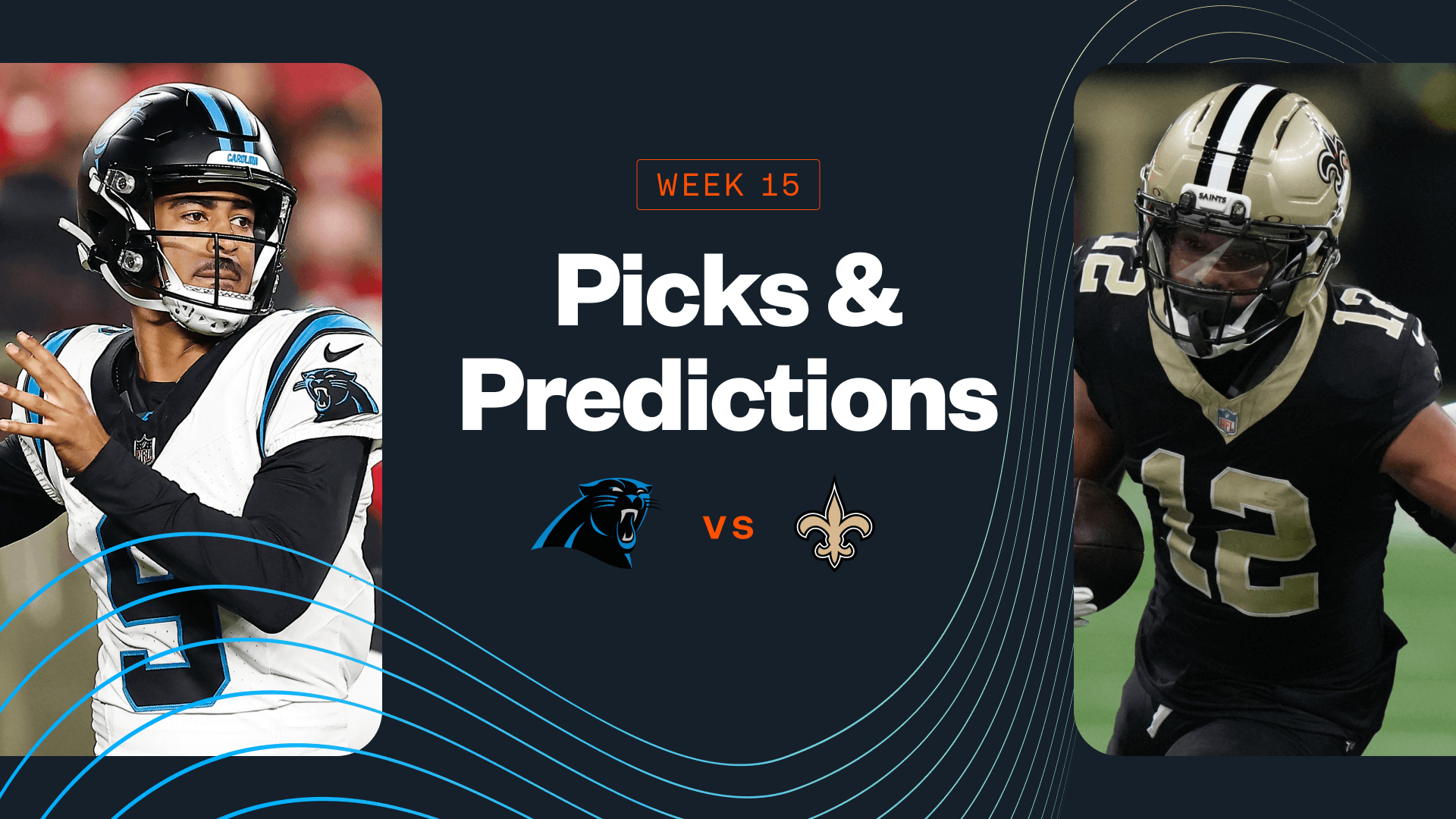
In the complex landscape of professional sports, the upcoming Saints vs Panthers game transcends a mere athletic contest, revealing profound insights into organizational strategy, resilience, and competitive adaptation. The NFC South divisional battle represents a microcosm of strategic maneuvering where performance is measured not just in points, but in long-term organizational vision.
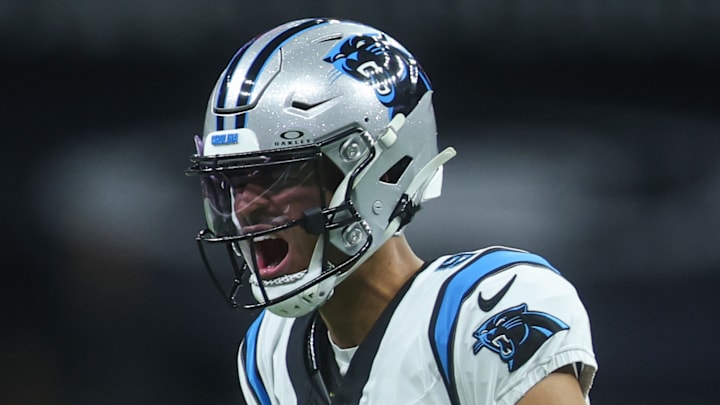
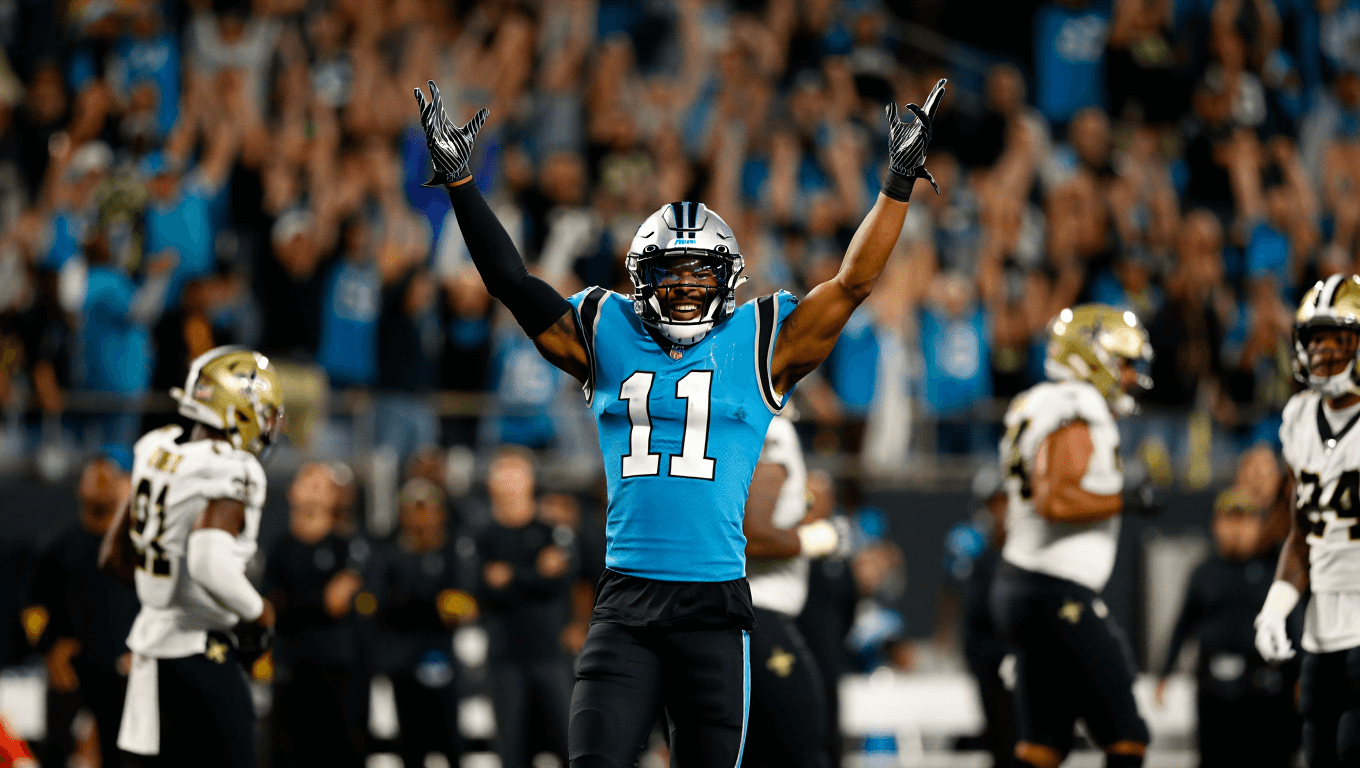
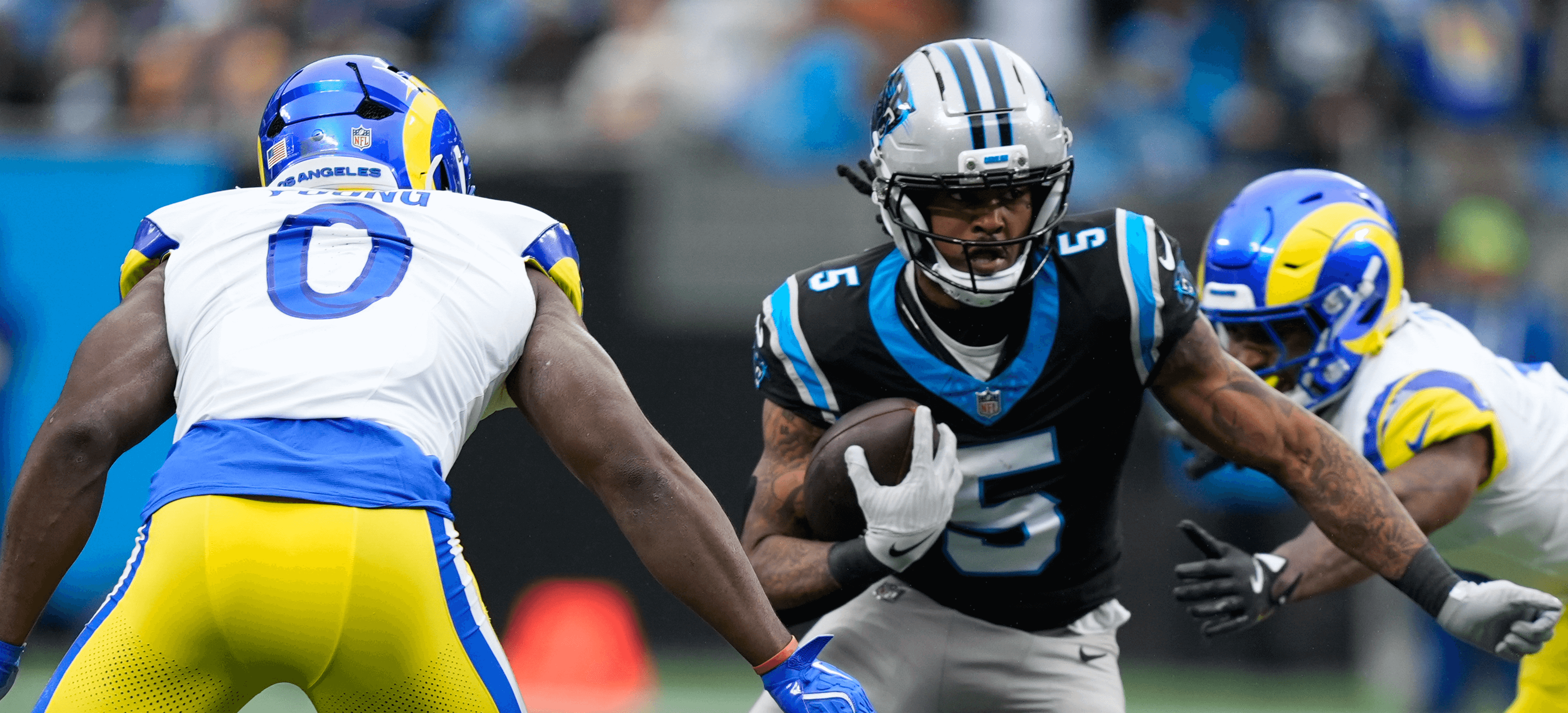
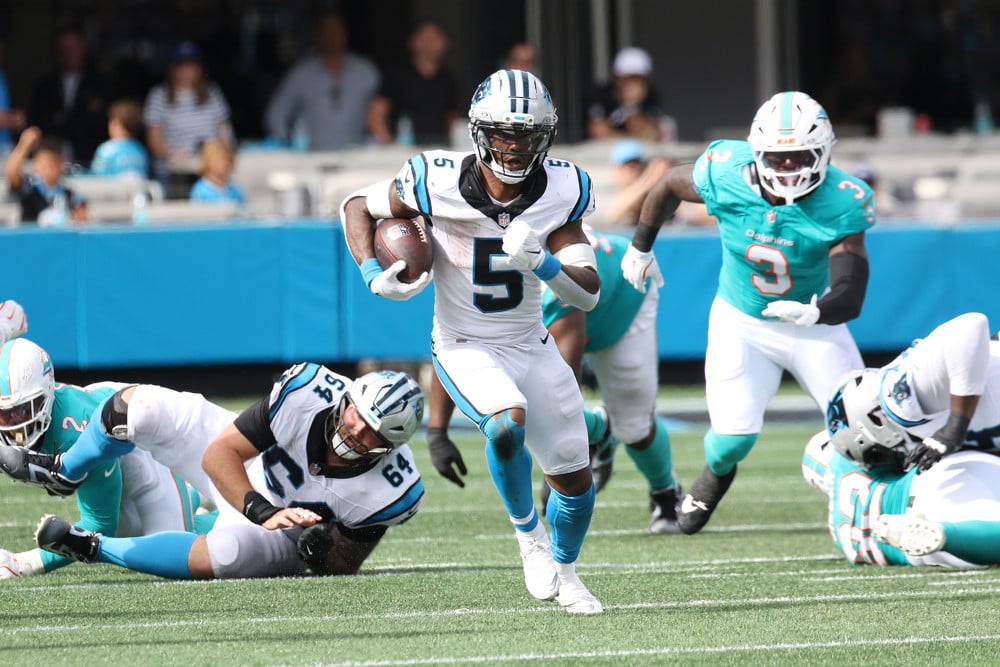
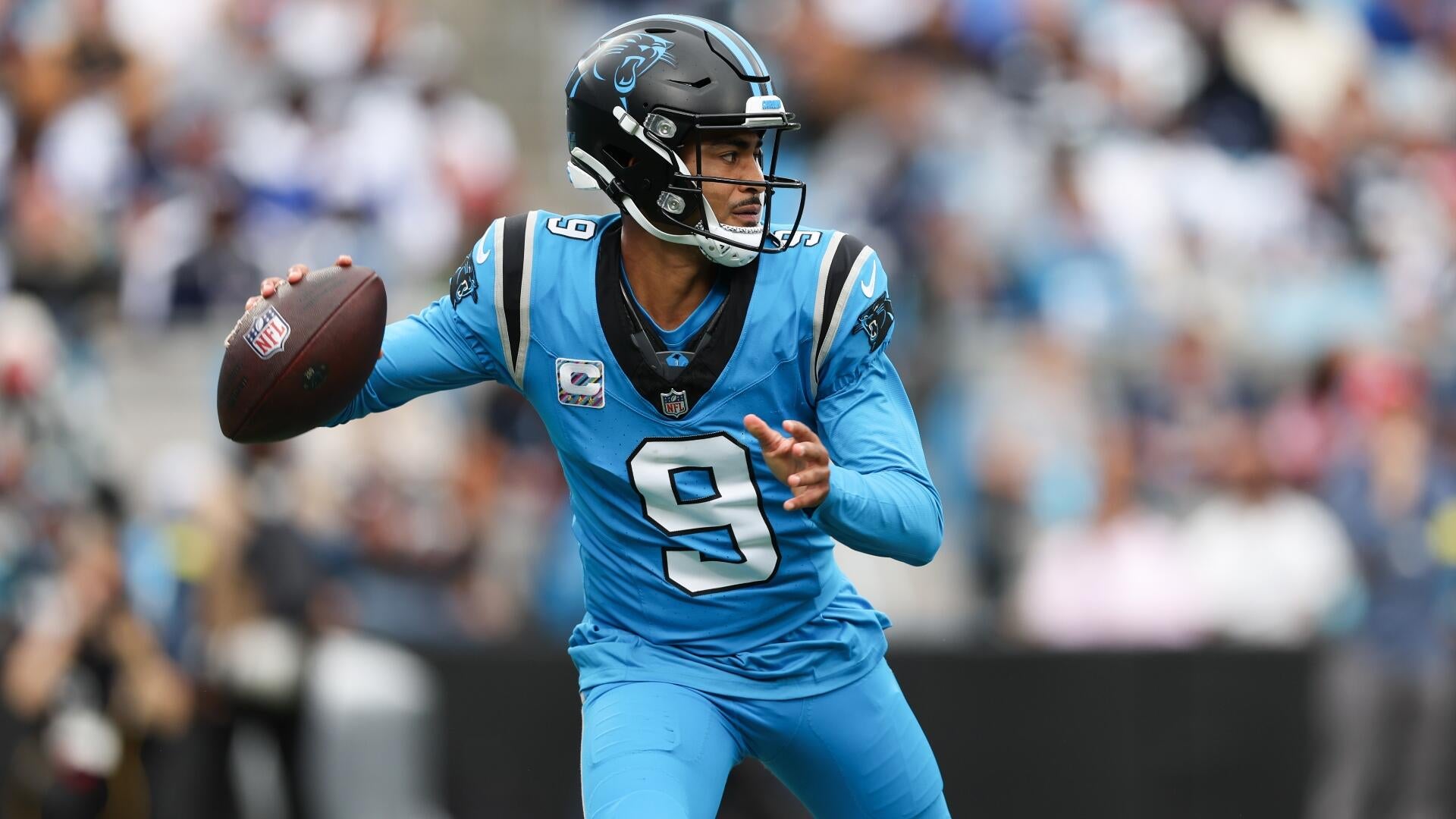
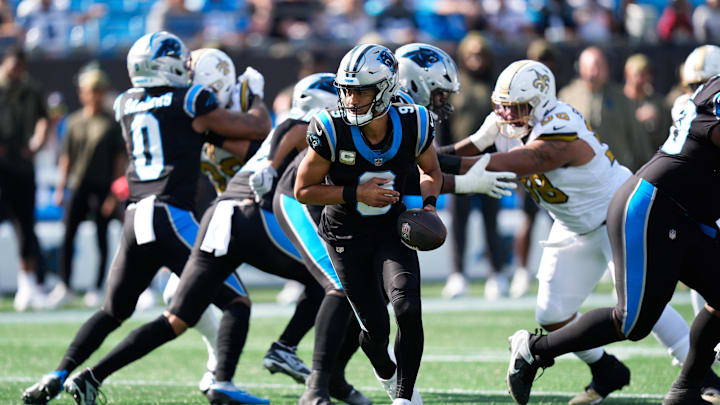
The Panthers' Strategic Calculus emerges as particularly intriguing. With a current 7-6 record, they're positioned at a critical juncture where each game dramatically impacts their playoff prospects. Coach Dave Canales's emphasis on maintaining a balanced offensive approach—integrating quarterback Bryce Young's passing capabilities with a robust running game featuring Chuba Hubbard and Rico Dowdle—signals a nuanced approach to competitive positioning.
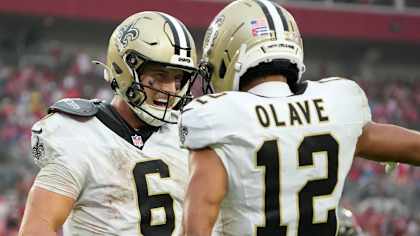
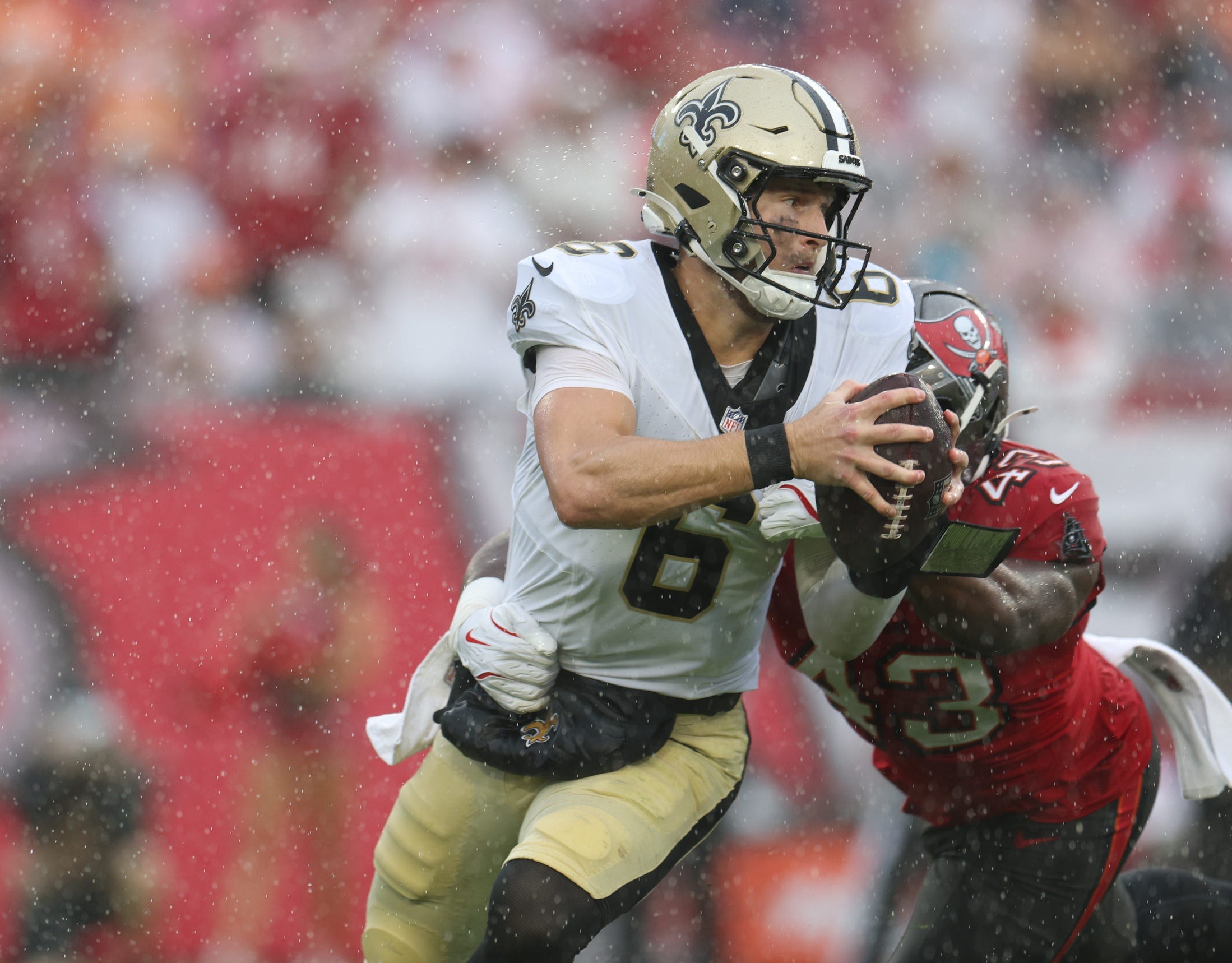
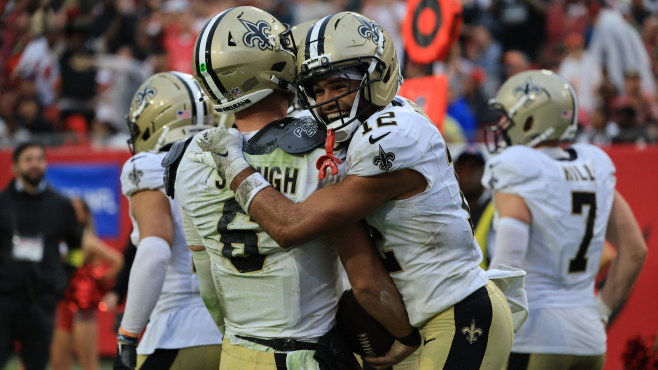
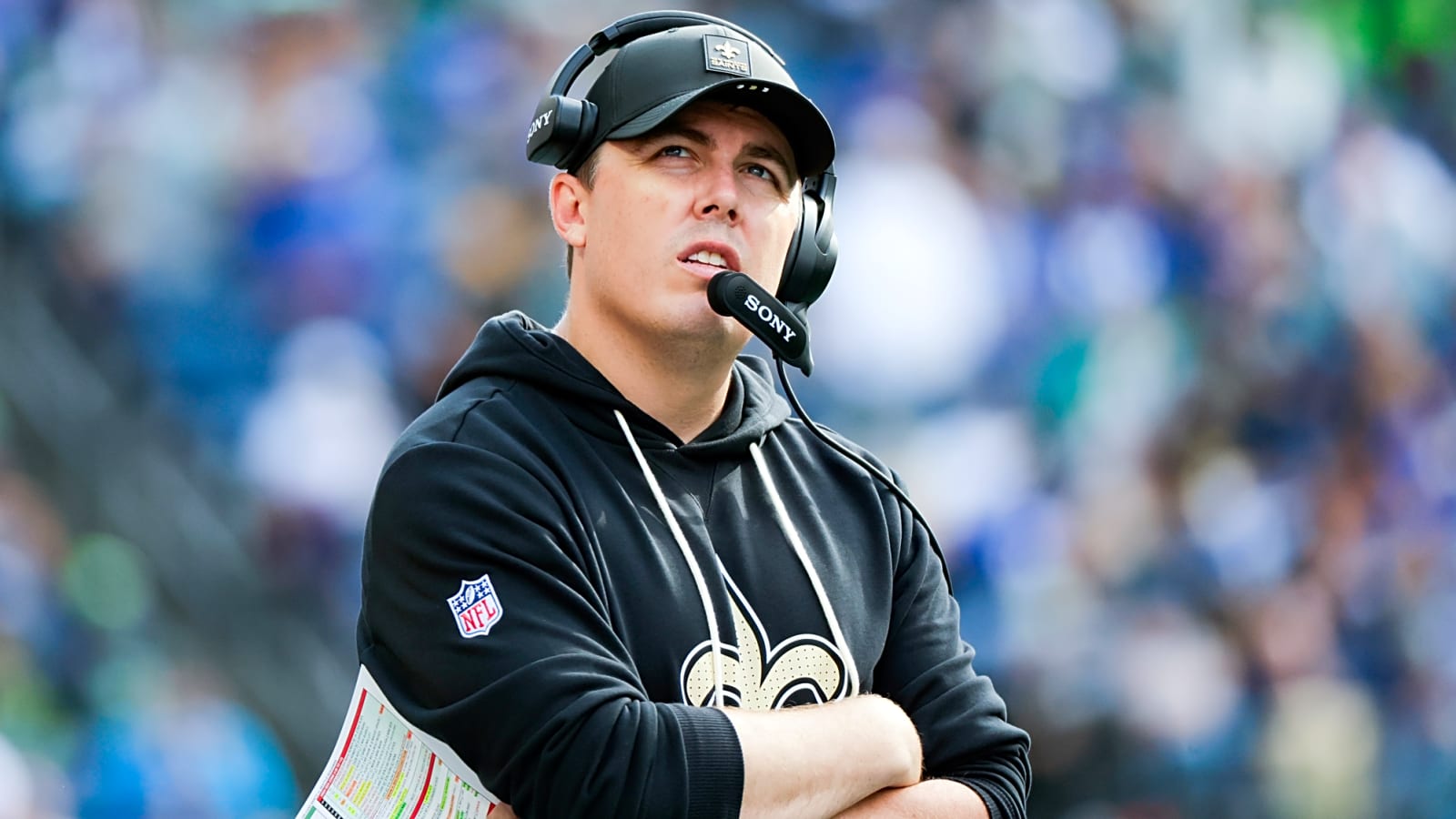
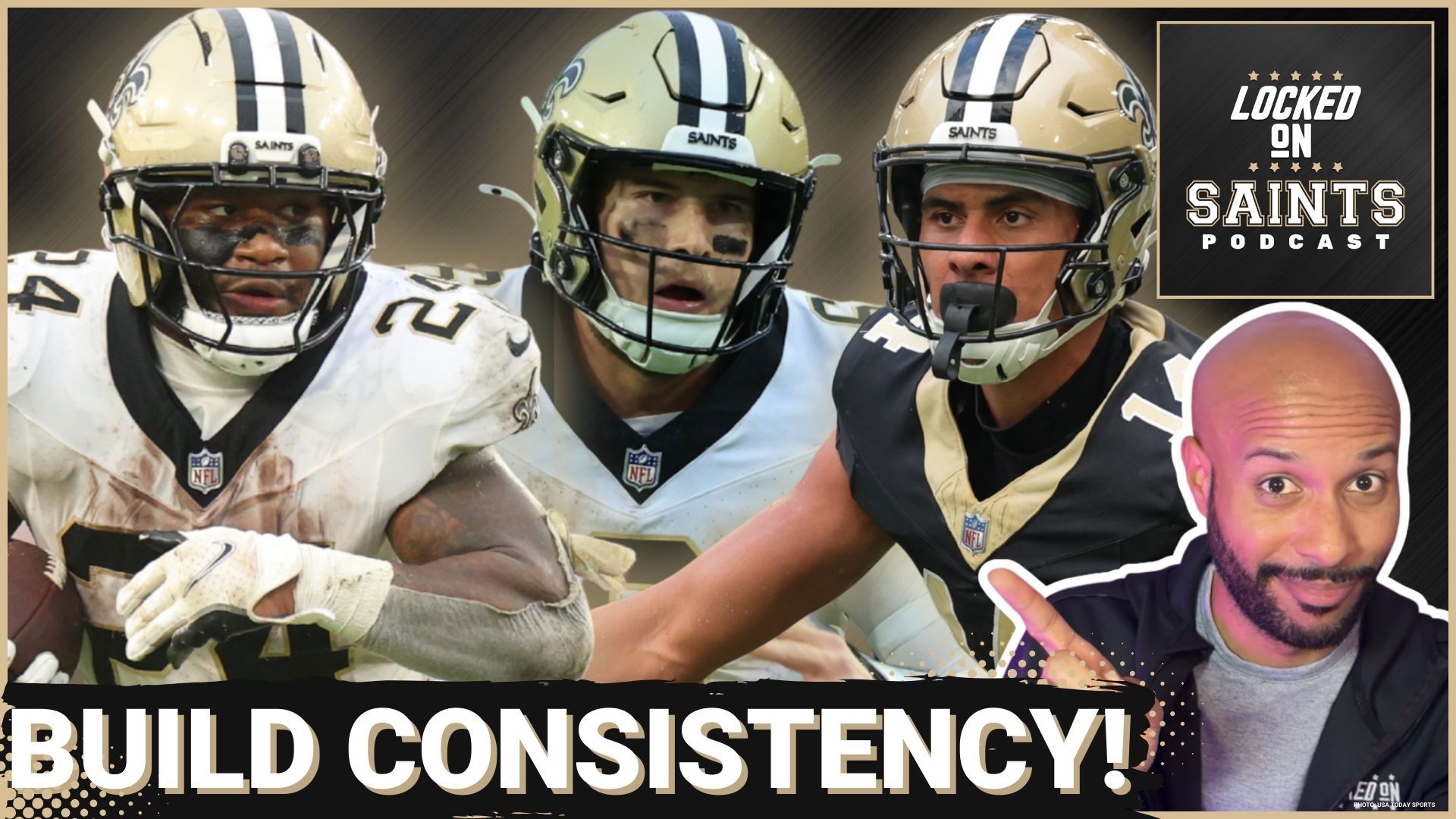
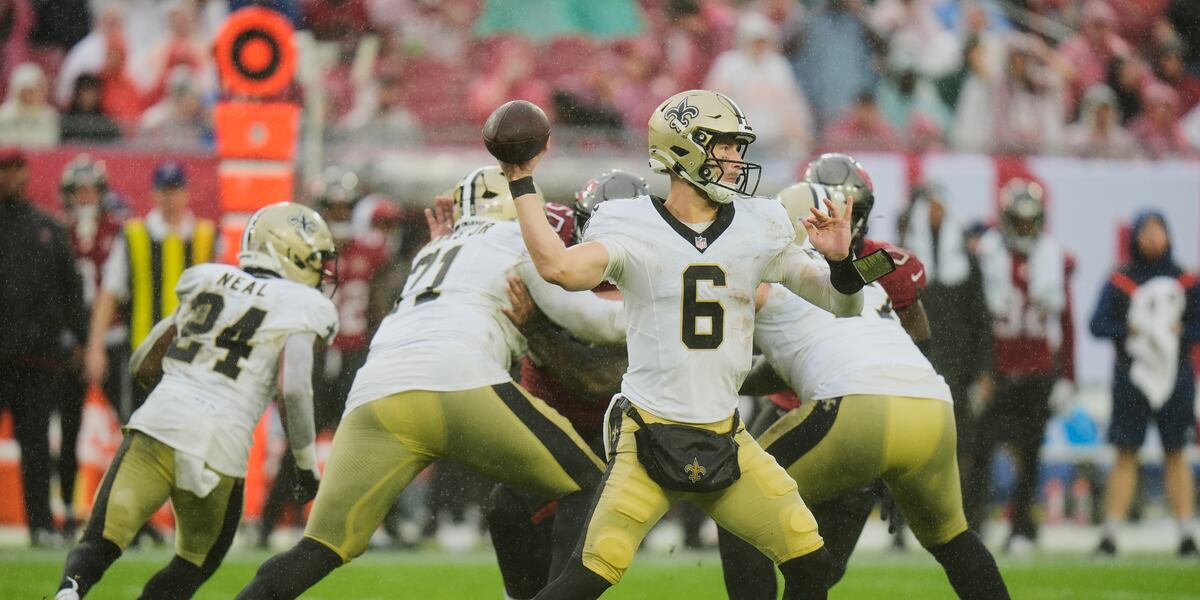
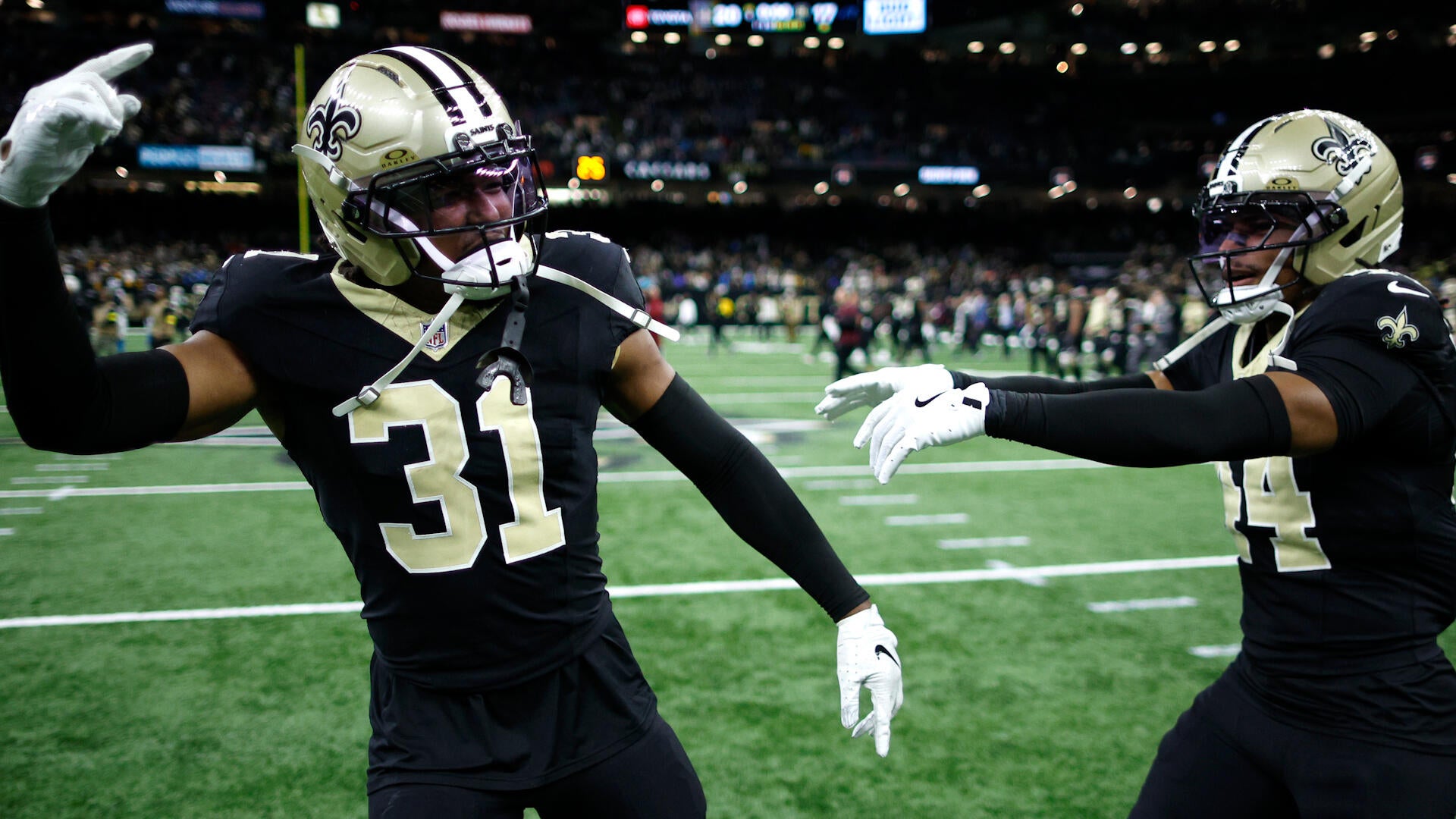
Conversely, the Saints' Rebuilding Narrative presents an equally compelling storyline. Despite being eliminated from playoff contention, they're leveraging this season as a strategic reset under new coach Kellen Moore. Their defensive improvements—approaching top-10 rankings and performing at a top-five level in recent months—demonstrate a forward-looking organizational philosophy. Rookie quarterback Tyler Shough's emergence, winning two of his first five starts, further underscores their developmental strategy.
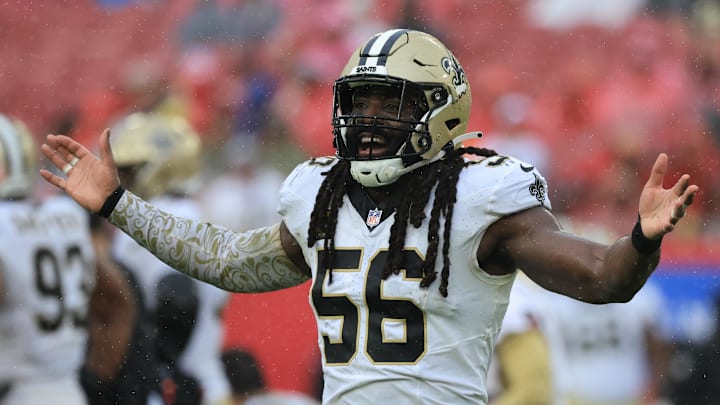
The game's most fascinating dimension lies in its potential to disrupt playoff mathematics. The Saints could potentially reduce the Panthers' playoff chances from 65% to 23% through a single victory, transforming what might seem like a meaningless late-season match into a high-stakes strategic encounter. Cornerback Alontae Taylor's explicit motivation to "ruin it" for other teams highlights the psychological warfare inherent in professional sports competition.
This matchup illuminates a broader truth: in competitive ecosystems, every interaction carries strategic weight. The Saints aren't just playing a game; they're building organizational muscle memory, validating their developmental approach, and setting cultural expectations for future seasons. The Panthers, meanwhile, are stress-testing their emerging identity in a pressure-filled environment.
Ultimately, this game represents more than athletic competition—it's a laboratory of organizational resilience, strategic adaptation, and the intricate dynamics of competitive positioning.
Questions 3
How are the Saints approaching this seemingly inconsequential game?
Despite being eliminated from playoff contention, the Saints view this game as a crucial opportunity for organizational development. They're using the match to validate their rebuilding strategy, test rookie talent like quarterback Tyler Shough, and establish a competitive culture under new coach Kellen Moore.
What strategic significance does this game hold for the Panthers?
The game represents a critical moment for maintaining their 7-6 record and playoff prospects. A victory would solidify their divisional standing, while a loss could dramatically reduce their playoff chances from 65% to 23%.