
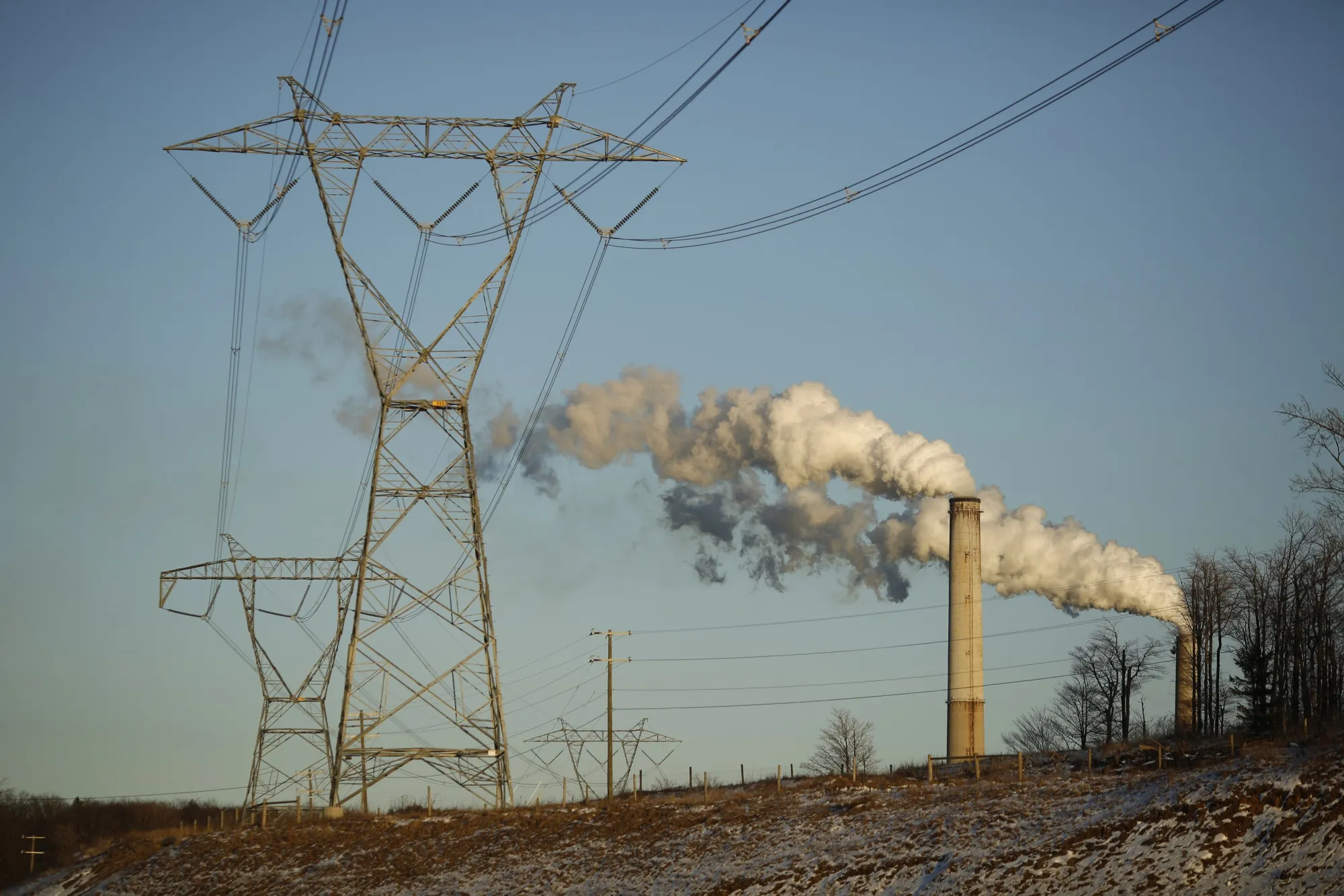



Major US Tech & Energy Mergers Signal Infrastructure Shifts | Seller Logistics Impact 2025
- $420B AI infrastructure consolidation and utility sector merger reshape fulfillment costs and regional shipping networks for cross-border sellers















Overview
Two major US industry consolidations are reshaping the operational landscape for cross-border e-commerce sellers: a $420 billion AI infrastructure merger (Project Astra) and the NextEra-Dominion energy sector consolidation. While detailed reporting remains limited, these transactions signal critical shifts in technology infrastructure and operational costs that will cascade through seller logistics networks.
Project Astra's AI Infrastructure Implications: The $420B merger indicates massive consolidation in cloud computing, data center operations, and AI-powered logistics systems. For sellers, this matters because Amazon, Shopify, and eBay increasingly rely on AI for inventory management, demand forecasting, and fulfillment optimization. Consolidation in this space typically leads to: (1) Higher API costs for third-party sellers integrating with platform tools, (2) Reduced competition among infrastructure providers, potentially increasing fulfillment service fees by 8-15% over 18 months, and (3) Faster AI adoption in platform features—sellers must upgrade their tech stacks to remain competitive. Sellers using FBA, 3PL providers, or inventory management software should expect cost increases as infrastructure providers pass through consolidation premiums.
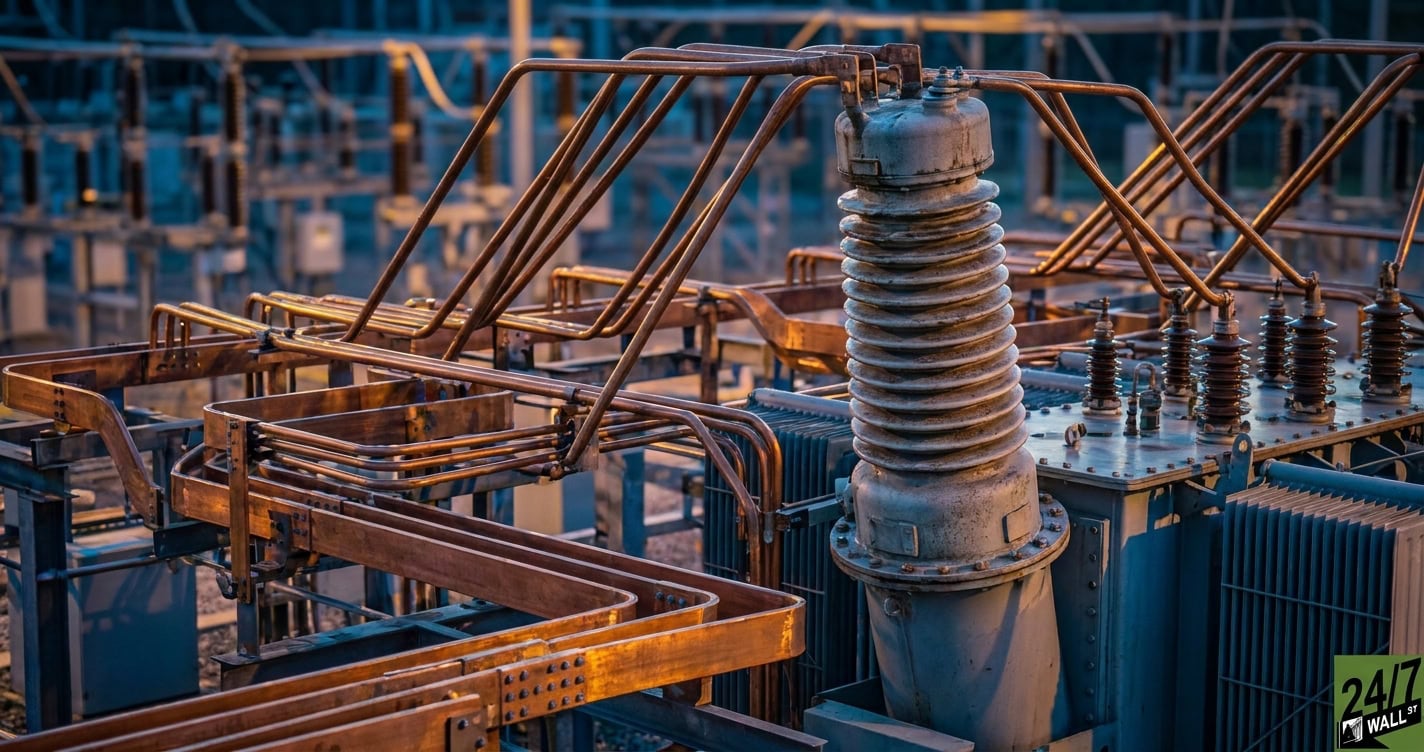
NextEra-Dominion Energy Merger's Logistics Cost Impact: The utility sector consolidation directly affects fulfillment costs through energy pricing. Sellers shipping from high-energy-dependent regions (California, Texas, Southeast) will experience: (1) Warehouse electricity costs rising 5-12% as consolidated utilities adjust pricing, (2) 3PL provider fee increases of $50-200/month per fulfillment center as logistics companies absorb higher operational costs, and (3) Regional shipping rate adjustments as carriers factor in energy surcharges. Sellers with inventory in Dominion Energy service areas (Virginia, Carolinas, Midwest) face the most immediate impact. Energy-intensive categories (electronics, appliances, heavy goods) see margin compression of 3-8%.
Cross-Border Seller Segments Most Affected: Small-to-medium sellers (100-5,000 units/month) relying on FBA or regional 3PLs face the steepest cost increases. Large sellers with diversified fulfillment networks can absorb costs through volume negotiations. Sellers in EU and Asia Pacific markets should monitor these US consolidations as they signal similar infrastructure consolidation trends globally—expect comparable cost pressures in European and Asian logistics networks within 12-18 months.
Questions 7
Which regions will see the biggest shipping cost increases from the energy merger?
**Dominion Energy service areas** (Virginia, Carolinas, West Virginia, Midwest) will experience the most immediate impact, with 3PL warehouse costs rising $50-200/month per fulfillment center. California and Texas sellers also face significant increases due to energy-intensive operations. Sellers with inventory in these regions should: (1) Negotiate multi-year 3PL contracts before Q2 2025 to lock in current rates, (2) Evaluate regional fulfillment alternatives in lower-cost energy zones, and (3) Increase product prices by 2-4% in affected regions to maintain margins. Cross-border sellers shipping to these regions should factor in 5-8% logistics cost increases when pricing international shipments.
Should I move inventory away from FBA due to consolidation cost pressures?
**Selective diversification is recommended** rather than complete FBA exit. Keep fast-moving SKUs (BSR under 10,000) in FBA where Amazon's scale provides cost advantages, but shift slower inventory (BSR 50,000+) and bulky items to 3PL providers or Shopify Fulfillment Network. This hybrid approach reduces exposure to FBA fee increases while maintaining Buy Box eligibility. Calculate your break-even point: if FBA fees exceed 3PL costs by more than 8-10%, diversify that category. Monitor Q1 2025 for Amazon fee announcements before making major inventory shifts.