


Home Depot's $41.8B Q1 Results Signal Retail Expansion Opportunity for Cross-Border Sellers
- 2,361 stores + 1,280 SRS locations create 15 new store openings; $700B professional market consolidation drives B2B supplier opportunities


























Overview
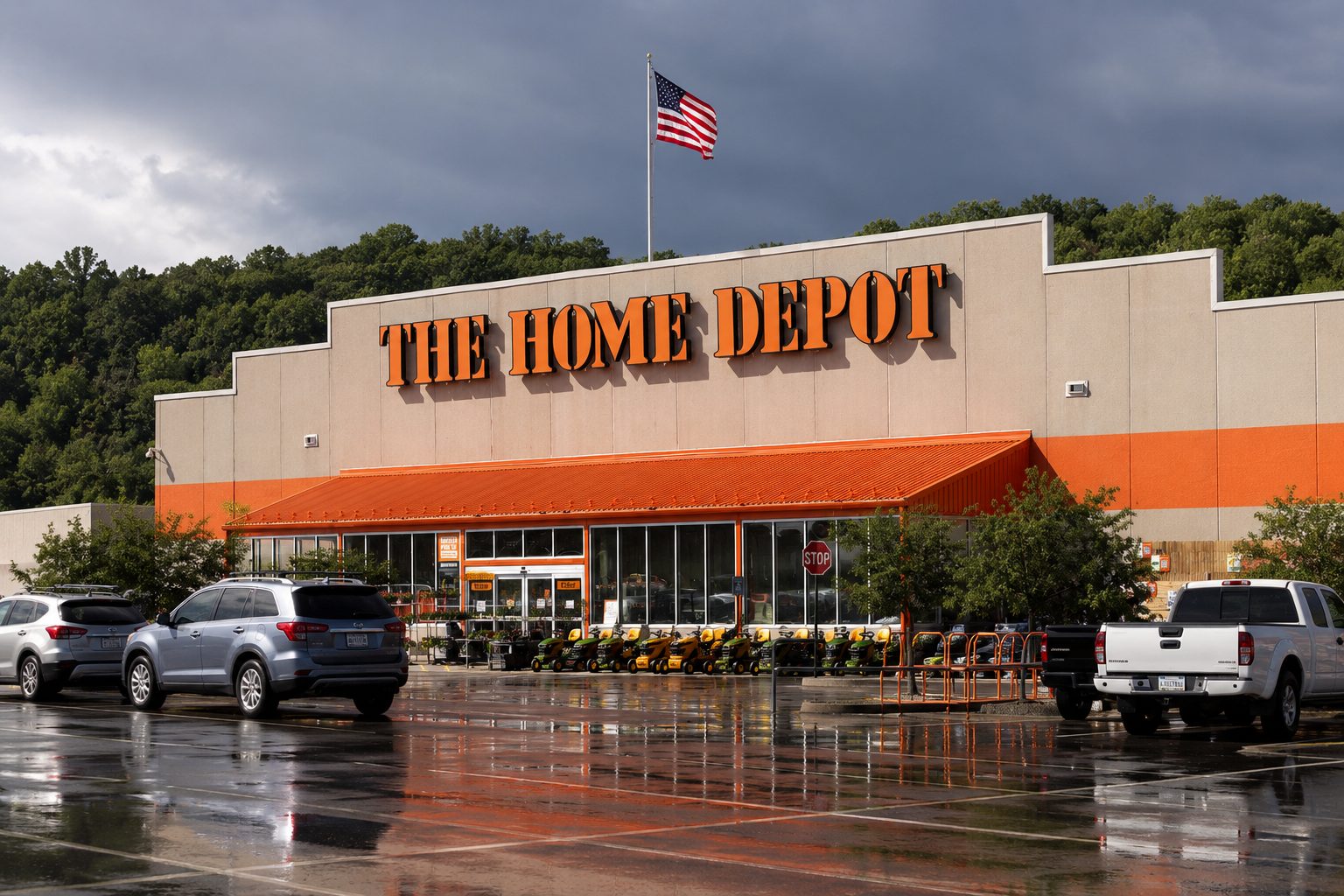
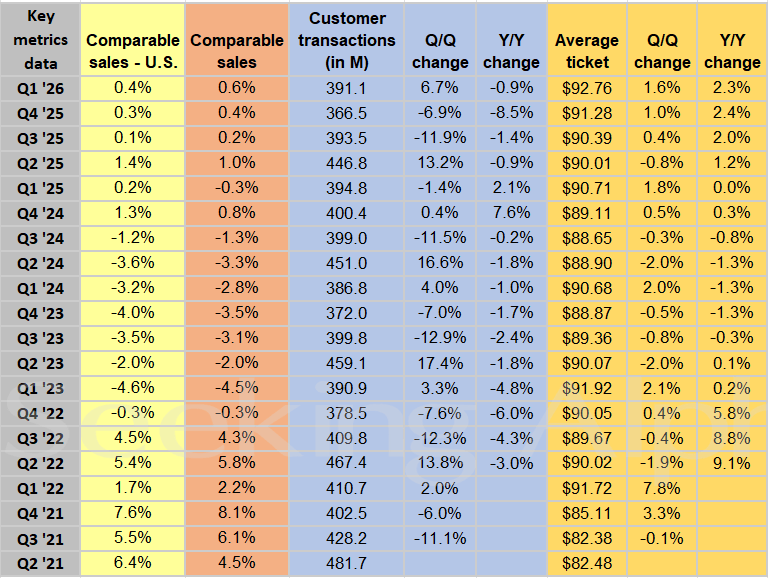
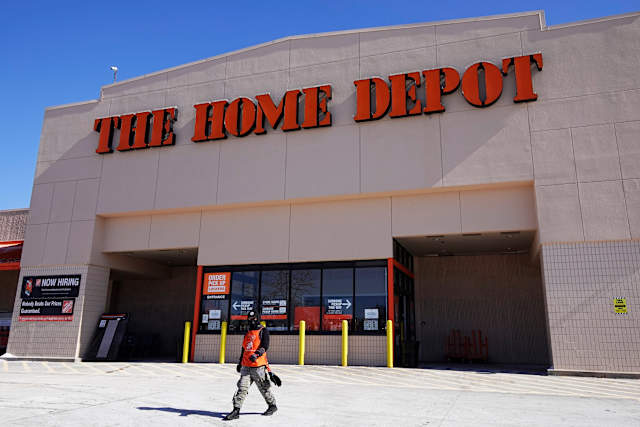
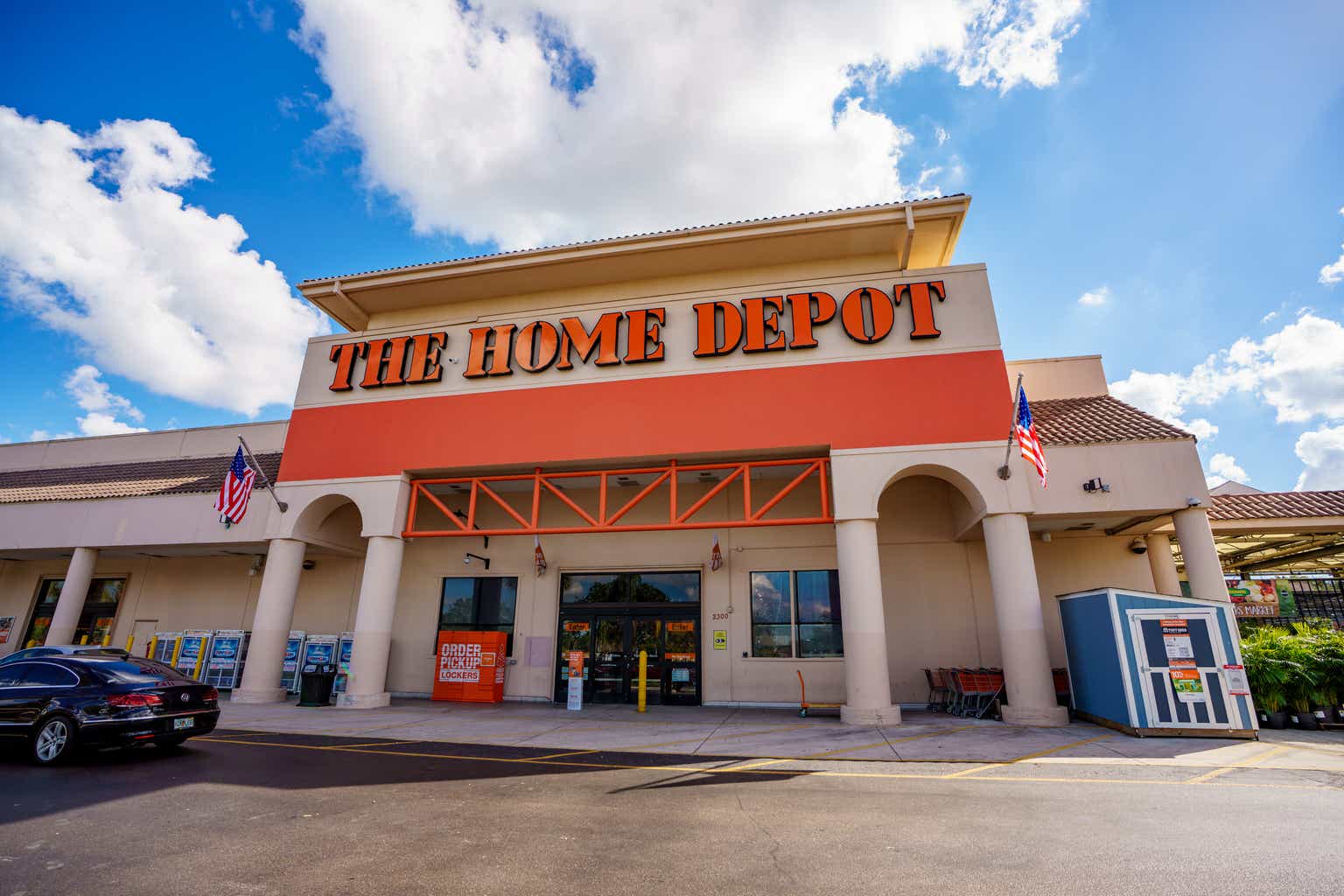
Home Depot's Q1 FY2026 results reveal a critical inflection point for cross-border e-commerce sellers: the world's largest home improvement retailer is simultaneously expanding physical retail footprint while aggressively consolidating the professional B2B market through strategic acquisitions. The company reported $41.8B in total sales (4.8% YoY growth) with plans to open 15 new stores during FY2026, signaling sustained confidence in brick-and-mortar operations despite modest comparable sales growth of 0.6%. More significantly, Home Depot's $18.25B acquisition of SRS Distribution in 2024, combined with GMS and Mingledorffs acquisitions, positions the retailer to capture greater share of the $700B professional market—currently representing 50% of Home Depot's revenue with a $100B total addressable market opportunity.
For cross-border sellers, this creates a dual-channel opportunity: First, the 15 new store openings across North America (2,361 existing locations) represent immediate O2O (Online-to-Offline) partnership opportunities. Sellers of home improvement products, tools, hardware, and DIY supplies can leverage Home Depot's retail expansion through vendor partnerships, pop-up showrooms in new locations, and omnichannel fulfillment arrangements. Second, Home Depot's professional segment expansion signals aggressive B2B consolidation—the company is building "pro capabilities" to serve contractors, builders, and commercial customers. This creates supply chain opportunities for sellers to position products as professional-grade alternatives or complementary offerings.
The macroeconomic context is critical: Despite consumer resilience among homeowners (Finance Chief Richard McPhail noted core shoppers remain "relatively protected financially"), comparable transaction volume declined 1.3% for the fourth consecutive quarter, and shoppers continue deferring larger renovation projects. This indicates a shift toward smaller, incremental purchases—exactly the product categories where cross-border sellers excel (tools, hardware, accessories, smart home devices, seasonal items). The 33% gross margin (slightly below 33.2% expectations) suggests Home Depot is managing margin pressure through volume and operational efficiency, creating space for third-party sellers to compete on specialty products and niche categories.
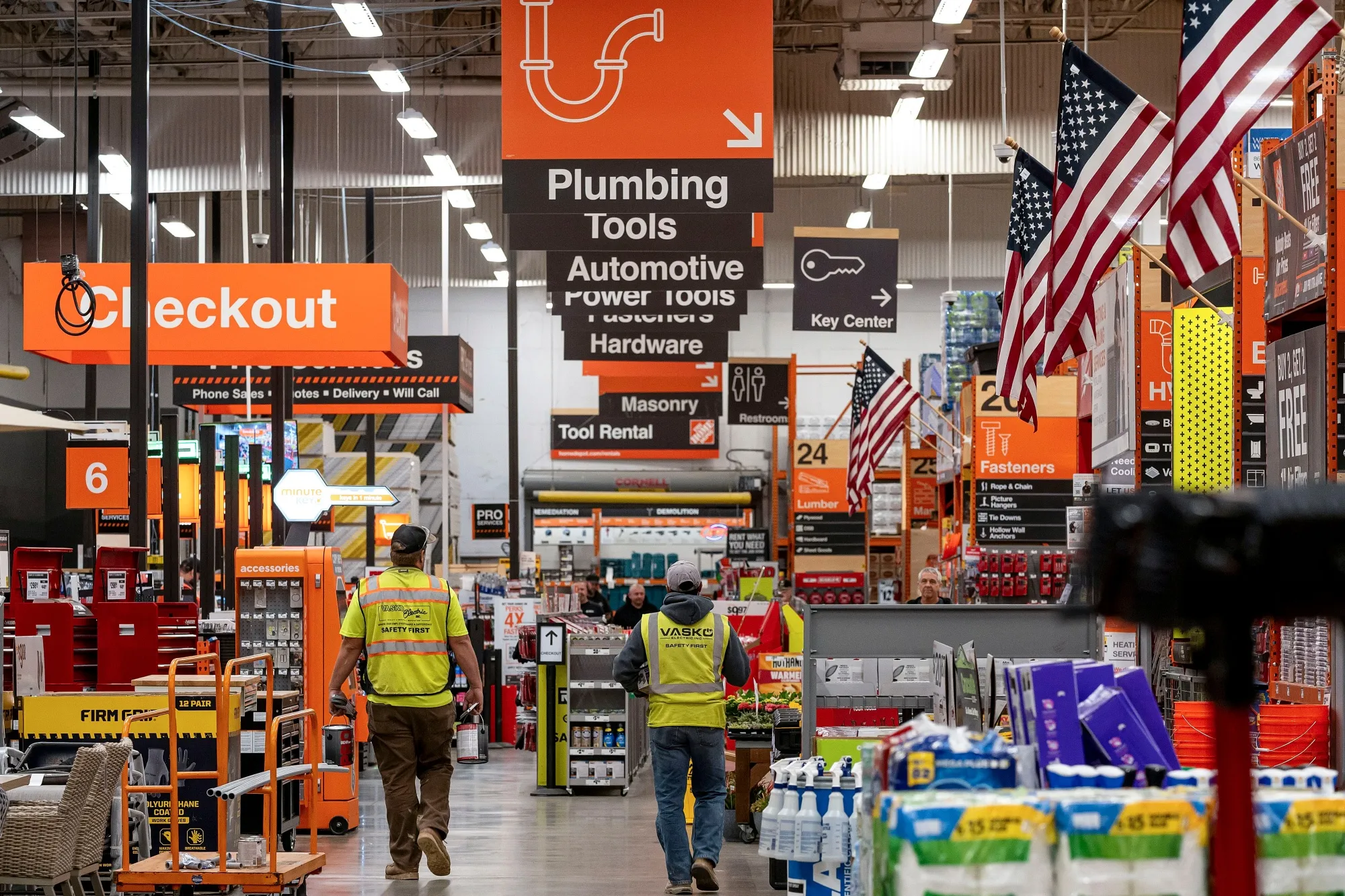
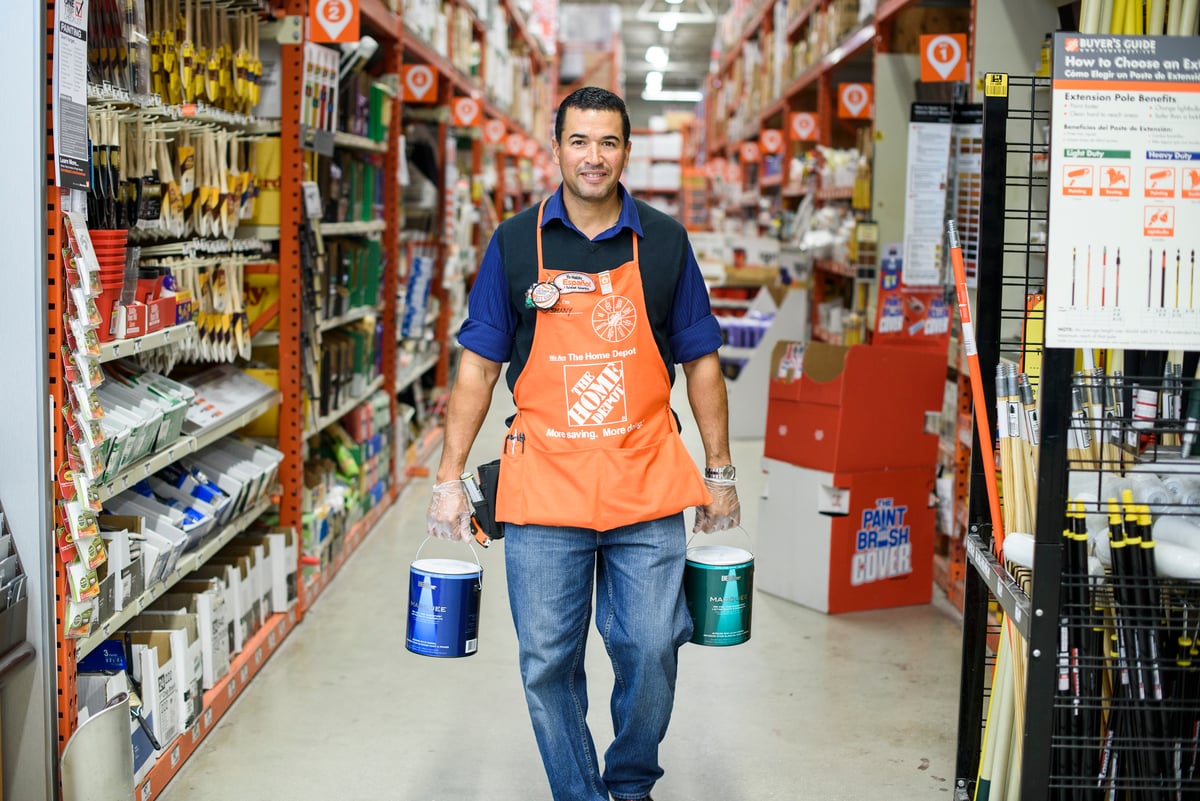
Retail partnership implications are substantial: Home Depot operates 1,280+ SRS locations (professional supply stores) and plans capital expenditures at 2.5% of total sales (~$1B annually). This infrastructure investment signals the company is building omnichannel capabilities to serve both DIY homeowners and professional customers. Cross-border sellers can capitalize by: (1) establishing vendor relationships with Home Depot's procurement teams for new store launches, (2) positioning products for the professional segment through SRS distribution channels, (3) creating pop-up experiences in high-traffic new store locations, and (4) developing exclusive product lines for Home Depot's omnichannel platform.
Questions 8
How can cross-border sellers leverage Home Depot's 15 new store openings in 2026?
Home Depot's expansion of 15 new stores across North America creates immediate O2O partnership opportunities for cross-border sellers. Sellers can approach Home Depot's vendor procurement teams with products aligned to new store locations, establish pop-up showrooms in high-traffic areas, and negotiate omnichannel fulfillment arrangements. The company's 2,361 existing stores plus 1,280 SRS professional locations provide multiple entry points. Historically, major retailers allocate 15-25% of new store inventory to third-party vendors, representing potential placement for 2,000-5,000 SKUs across new locations. Sellers should contact Home Depot's vendor relations department 6-9 months before store openings to secure shelf space and promotional support.
How does Home Depot's 33% gross margin impact supplier pricing strategies?
Home Depot's gross margin of 33% (slightly below 33.2% expectations) indicates the retailer is managing margin pressure through volume and operational efficiency. This creates space for cross-border sellers to compete on specialty products and niche categories where Home Depot may not have scale advantages. Sellers should focus on products with 40-50% wholesale margins that allow Home Depot to maintain 33% retail margins while offering competitive pricing. The company's guidance for 33.1% gross margin in FY2026 suggests stable pricing environment, making it a favorable time to negotiate vendor terms and establish long-term supply agreements.