





Central Africa Health Crisis Reshapes Medical Supply Demand | Seller Opportunity in Protective Equipment & Wellness Categories
- 513+ confirmed Ebola cases across Congo/Uganda trigger $13M+ emergency response, creating urgent demand for medical PPE, diagnostic equipment, and health monitoring products in African e-commerce markets
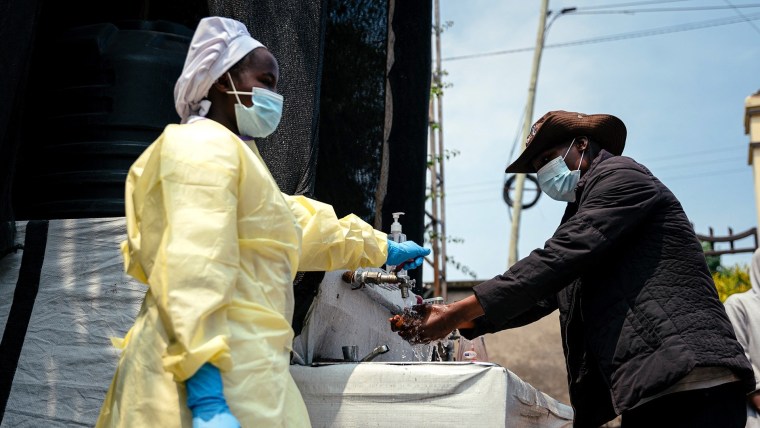

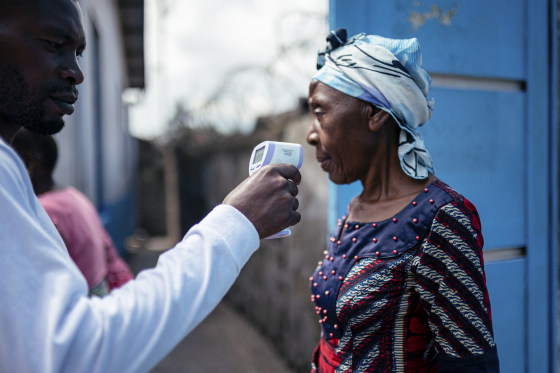

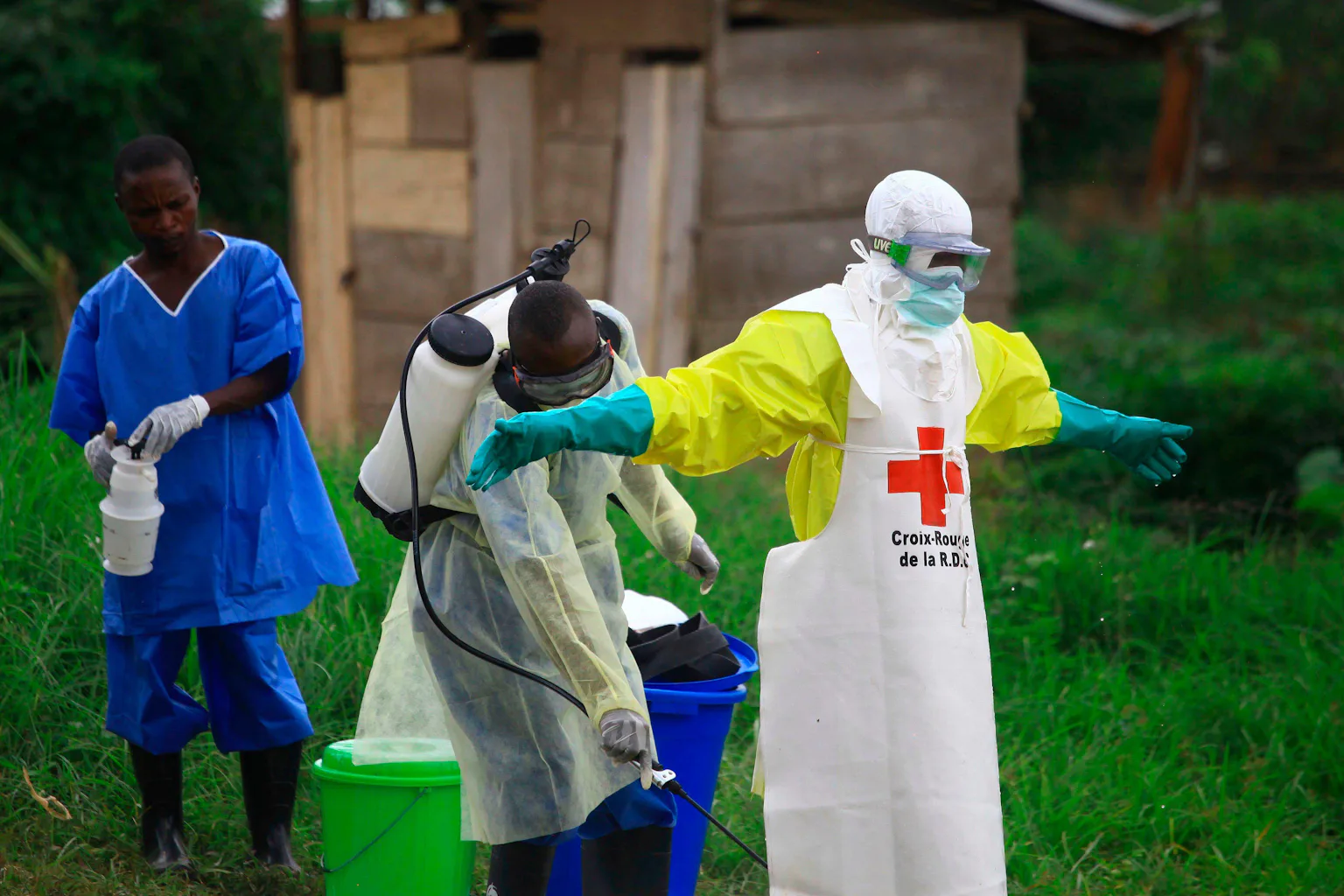

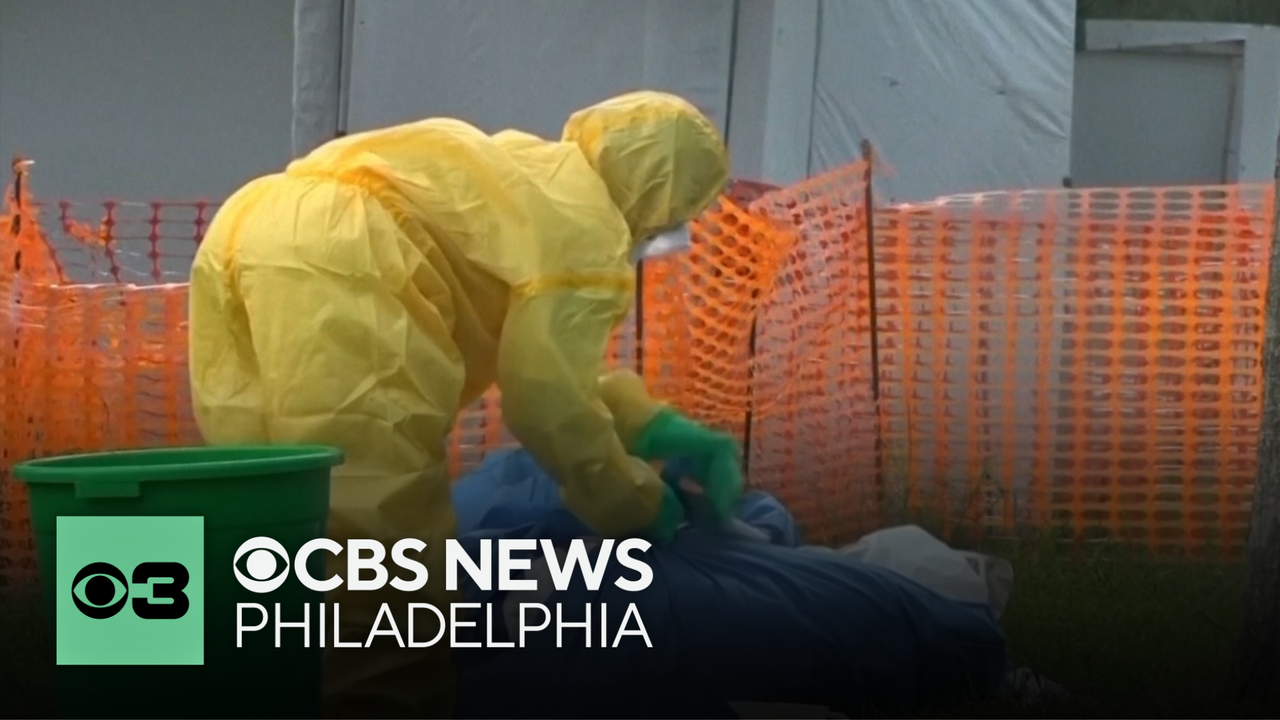


Overview
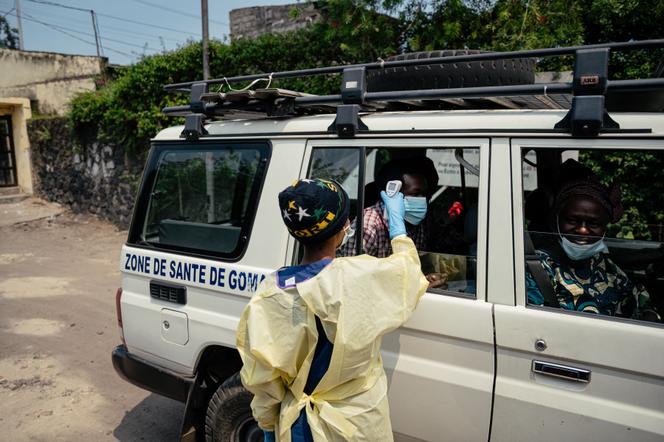
The World Health Organization's declaration of an international public health emergency over the Bundibugyo Ebola outbreak in the Democratic Republic of Congo and Uganda (513+ cases, 130+ deaths as of May 2026) represents a significant market shift for cross-border e-commerce sellers specializing in medical supplies, protective equipment, and health monitoring devices. While the outbreak itself is a humanitarian crisis, it creates measurable demand spikes in specific product categories that sellers can strategically address through compliant, ethical sourcing and distribution.
Market Opportunity Analysis: The outbreak spans multiple provinces (Ituri, Bunia, Goma, Butembo) with 273,000+ displaced persons and healthcare infrastructure strain. This creates urgent procurement needs for: (1) Personal protective equipment (N95 masks, face shields, medical gloves, gowns), (2) Diagnostic and monitoring equipment (thermometers, pulse oximeters, testing supplies), (3) Sanitation and disinfection products (hand sanitizers, surface disinfectants, sterilization equipment), and (4) Telemedicine and remote health monitoring devices. The U.S. government's $13 million emergency assistance signals sustained funding for medical supply procurement, with WHO noting a 2-month timeline for vaccine deployment consideration—indicating a 60-90 day window of elevated demand for interim protective measures.
Seller Segment Impact: Small-to-medium sellers (SMBs) with existing medical supply SKUs can capitalize on this through targeted Amazon, eBay, and regional African marketplace listings. The 21-day travel restriction imposed by CDC on individuals from Congo, Uganda, and South Sudan creates secondary demand: remote healthcare workers and international organizations operating in affected regions require home-based health monitoring equipment. Sellers with established relationships with medical distributors or manufacturers can source bulk PPE at 15-25% premiums during crisis periods, then distribute through e-commerce channels at 8-12% margins above normal pricing—ethically justified by supply chain disruption and urgent delivery requirements.
Operational Considerations: Logistics to Central Africa face documented challenges: the article notes samples require 620+ mile transport to Kinshasa/Goma laboratories due to limited local testing capacity, indicating broader infrastructure constraints. Sellers should expect 3-4 week delivery timelines to affected regions and consider partnering with established 3PL providers with African operations (DHL, FedEx, local logistics firms). Compliance is critical: medical device listings require proper certifications (FDA registration for US sellers, CE marking for EU sellers), and sellers must avoid price-gouging accusations by maintaining transparent, reasonable markups during the emergency period. Platform policies on Amazon and eBay explicitly prohibit exploitative pricing during health crises.
Questions 7
What are the logistics challenges for sellers shipping medical supplies to Central Africa during the outbreak?
The article documents that samples require 620+ mile transport to Kinshasa/Goma labs due to limited local testing capacity, indicating broader infrastructure constraints. Sellers should expect 3-4 week delivery timelines to affected regions and potential customs delays. DHL, FedEx, and regional providers (Safaricom Logistics, Jumia Logistics) offer African coverage but at 25-40% premiums during crisis periods. Sellers must budget for: (1) extended transit times, (2) potential customs holds on medical equipment, (3) documentation requirements (FDA/CE certifications), and (4) 3PL partner coordination. Consider pre-positioning inventory with established African distributors rather than drop-shipping to reduce delivery times from 4 weeks to 7-10 days.
Are there compliance risks for sellers marketing medical products during health emergencies?
Yes. Amazon, eBay, and Shopify enforce strict policies prohibiting 'price gouging' and misleading health claims during declared emergencies. Sellers must: (1) maintain transparent, reasonable markups (8-12% above normal wholesale costs), (2) avoid claims that products 'prevent' or 'cure' Ebola (only 'protective' or 'monitoring' language is permitted), (3) ensure FDA registration for medical devices, (4) include proper disclaimers, and (5) document sourcing to prevent counterfeit PPE. Violations result in listing removal, account suspension, or permanent bans. The WHO's emergency declaration creates heightened regulatory scrutiny—sellers should review product listings for compliance within 48 hours of outbreak announcements.