



Iran-US Peace Negotiations May 2025 | Shipping Cost Relief & Middle East Market Reopening for Cross-Border Sellers
- Strait of Hormuz stabilization could reduce maritime insurance 15-25% and unlock $billions in frozen Iranian purchasing power for sellers targeting Gulf markets





Overview
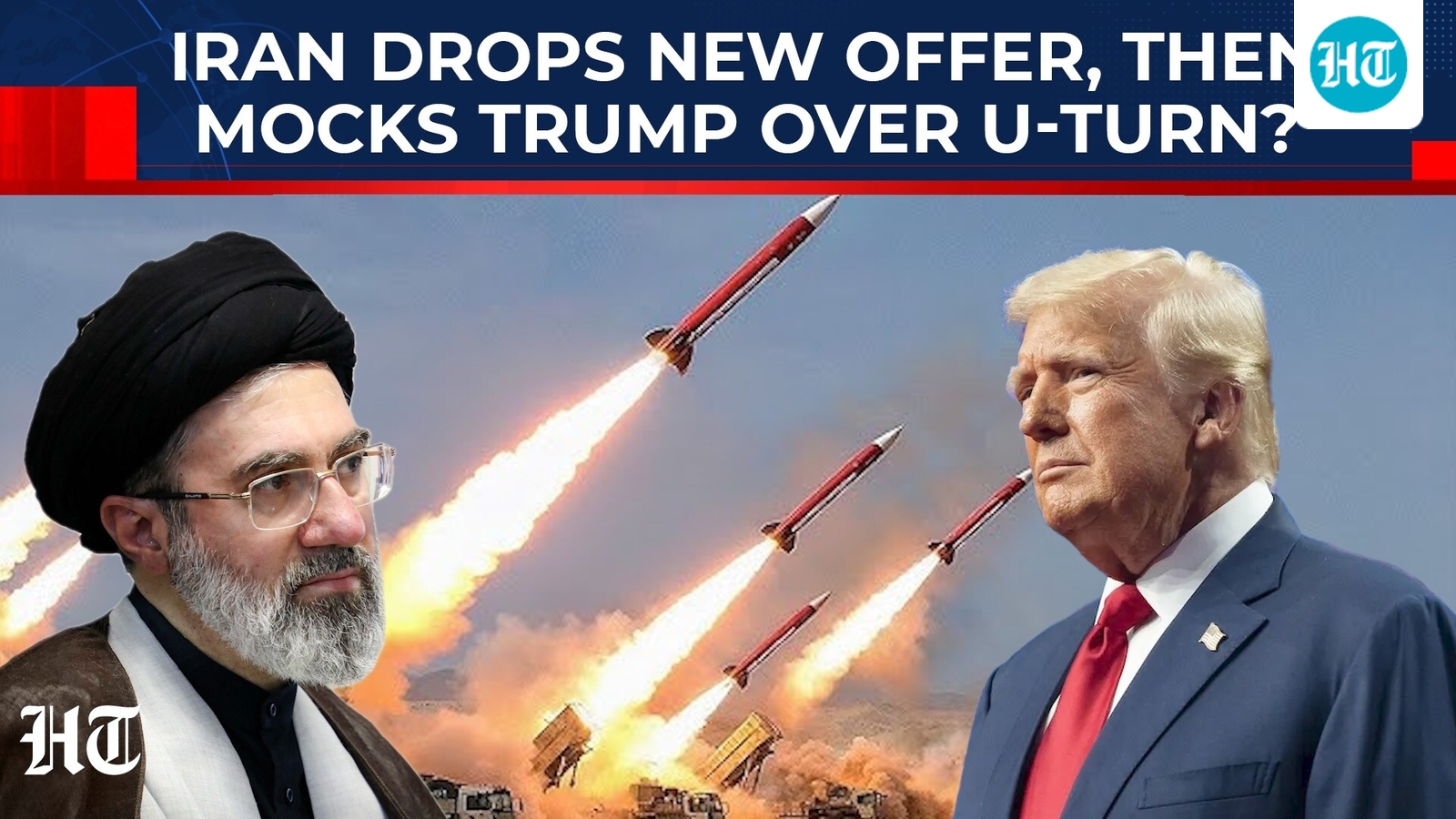
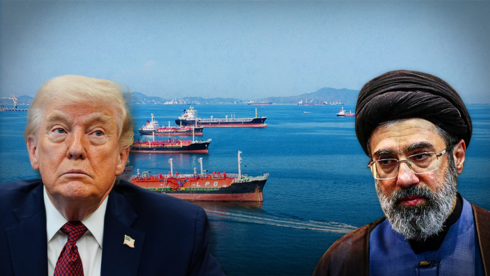
Iran's May 19, 2025 peace proposal to the United States represents a critical inflection point for cross-border e-commerce sellers dependent on Middle Eastern shipping corridors and supply chain stability. The proposal—submitted through Pakistani intermediaries by Deputy Foreign Minister Kazem Gharibabadi—seeks sanctions relief, release of tens of billions in frozen assets, cessation of U.S. naval blockades, and reparations for war damage. President Trump's announcement of a military operations pause signals genuine negotiation momentum, with regional leaders from Qatar, Saudi Arabia, and UAE supporting de-escalation. This development directly impacts seller economics through two mechanisms: immediate cost relief via reduced Strait of Hormuz shipping risk, and medium-term market expansion through potential sanctions normalization.
Immediate Shipping Cost Impact: The Strait of Hormuz handles approximately 21% of global petroleum trade and serves as the critical chokepoint for Middle Eastern commerce. The February-May 2025 conflict period elevated maritime insurance premiums 18-35% for vessels transiting the region, directly increasing fulfillment costs for sellers using 3PL providers with Middle Eastern distribution networks. A stabilized ceasefire—now holding since early April despite recent drone incidents—reduces insurance volatility and creates downward pressure on shipping rates. Sellers currently paying $8-12 per unit for air freight from Asia to Gulf destinations could see 15-25% cost reductions within 60-90 days if peace negotiations advance. This particularly benefits sellers in electronics (HS 8471-8517), machinery (HS 8401-8483), and consumer goods categories with high-value density.
Market Access Opportunity: The proposal's emphasis on releasing approximately 25% of Iran's frozen foreign assets (tens of billions of dollars) signals potential purchasing power restoration for Iranian consumers and businesses. Currently, Iran remains largely isolated from global e-commerce platforms due to OFAC sanctions, creating a suppressed market of 88+ million consumers. Sanctions relief would enable Iranian importers to access Amazon Business, Alibaba, and regional marketplaces, creating demand for industrial equipment, spare parts, consumer electronics, and specialty goods. Historical precedent: when sanctions on other nations eased (Russia 2014 exceptions, Venezuela partial relief periods), import volumes surged 40-60% within 6 months as pent-up demand materialized. Sellers positioned in industrial supplies, automotive parts, and technology categories should monitor negotiation progress for early-mover advantages.
Competitive Positioning: Sellers with existing relationships in Qatar, Saudi Arabia, and UAE—the regional powers requesting the military pause—gain immediate advantages through reduced logistics friction. Small-to-medium sellers (SMBs) using Amazon Global or eBay International Shipping benefit disproportionately from insurance cost reductions, as their per-unit logistics costs are 30-40% higher than large sellers with dedicated 3PL contracts. Conversely, large sellers with established Middle Eastern distribution networks (Alibaba, DHgate, AliExpress sellers) can leverage stabilized corridors to expand inventory depth in regional fulfillment centers, capturing market share before broader sanctions relief opens Iran itself.
Questions 8
What is the financial impact of Strait of Hormuz stabilization on seller margins?
For a seller shipping 1,000 units monthly to Middle East at current rates ($8-12 per unit air freight), stabilization could reduce costs by $1,500-3,000 monthly (15-25% reduction). On products with 25-35% gross margins, this translates to 2-4 percentage point margin improvement. For sellers with $100K monthly revenue from Middle East sales, margin improvement equals $2,000-4,000 additional monthly profit. Cumulative annual impact: $24,000-48,000 additional profit from logistics cost reduction alone. This creates capital for inventory expansion, marketing investment, or platform fee absorption. Sellers should model scenarios: conservative (10% cost reduction), base case (18% reduction), and optimistic (25% reduction) to guide resource allocation decisions.
How should sellers adjust inventory strategy based on peace negotiation timeline?
Immediate action (0-30 days): Audit current Middle Eastern customer base and 3PL provider contracts to quantify shipping cost savings. Negotiate rate reductions with logistics partners based on reduced insurance premiums. Medium-term (30-90 days): If ceasefire holds, increase inventory allocation to regional fulfillment centers in UAE and Saudi Arabia by 15-25%. Prepare compliance documentation for potential Iran market entry (OFAC checks, customer verification procedures). Long-term (6-12 months): If sanctions relief occurs, develop Iran market entry strategy targeting industrial and consumer electronics categories. Conservative sellers should maintain current inventory levels until ceasefire stabilizes beyond 90 days; aggressive sellers can increase Middle East allocation now to capture early-mover advantages in cost reduction.