


Russia-China Energy Alliance Reshapes Logistics Costs | Sellers Face 8-15% Shipping Increases
- Bilateral trade exceeds $230B; Power of Siberia 2 pipeline finalizes pricing; visa-free regime opens 80K+ student business networks; energy costs impact cross-border fulfillment



















Overview
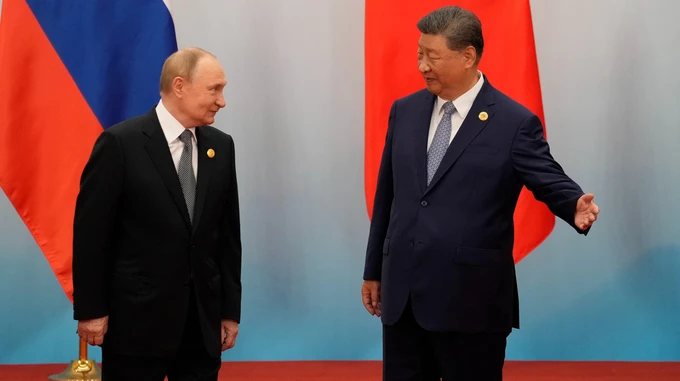
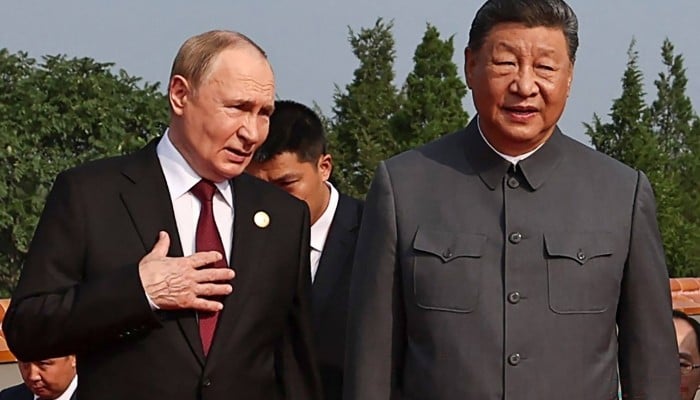
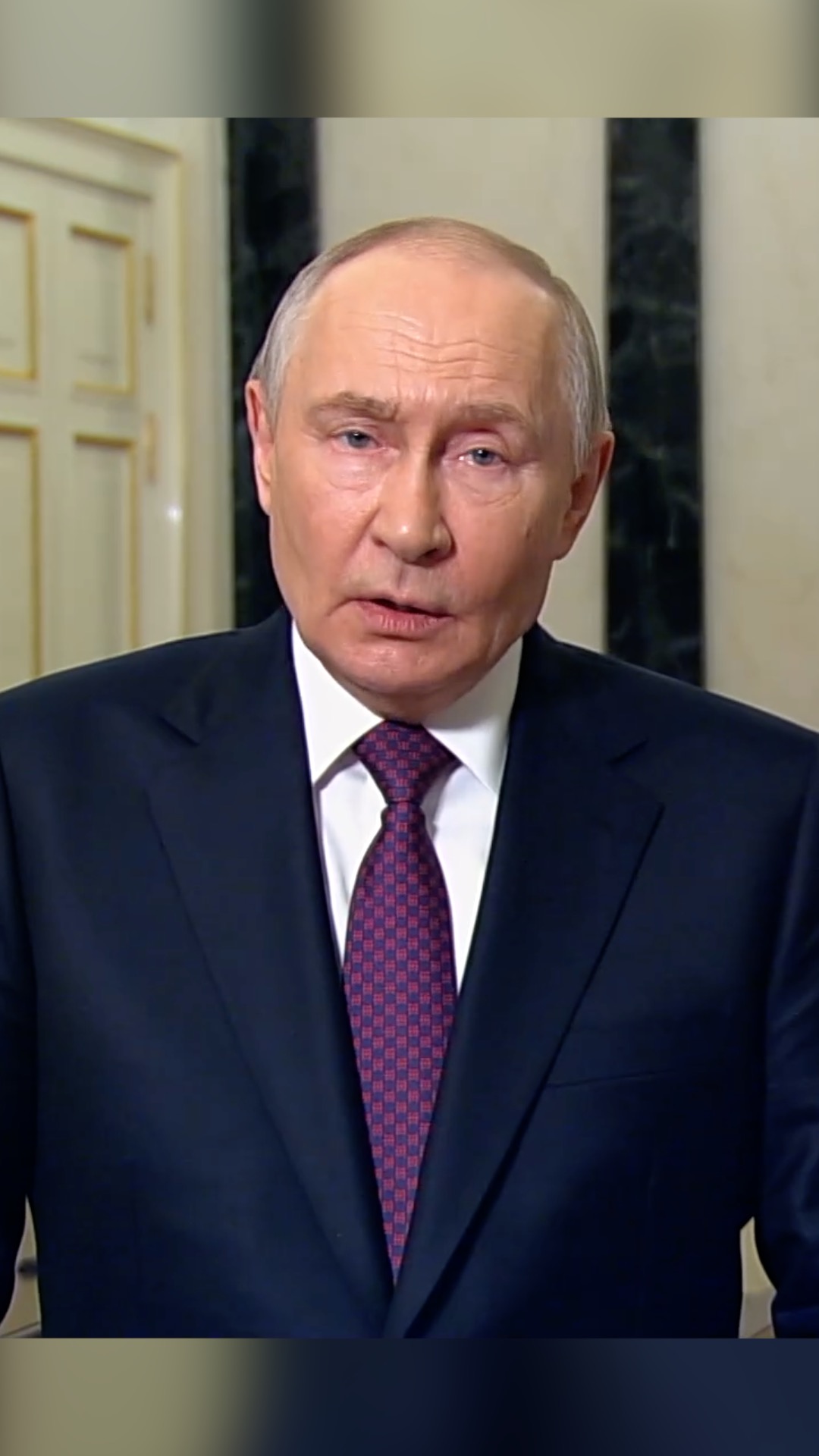
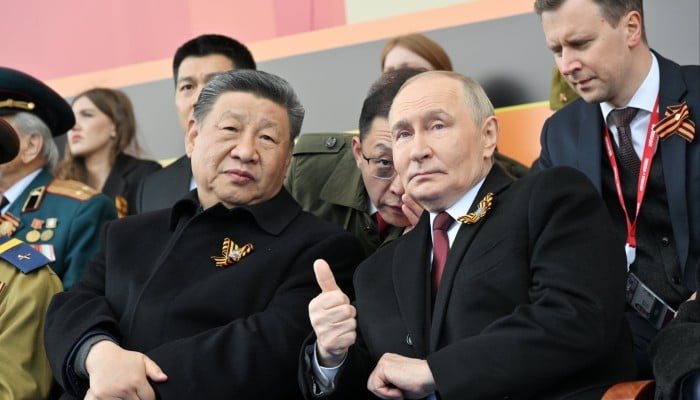
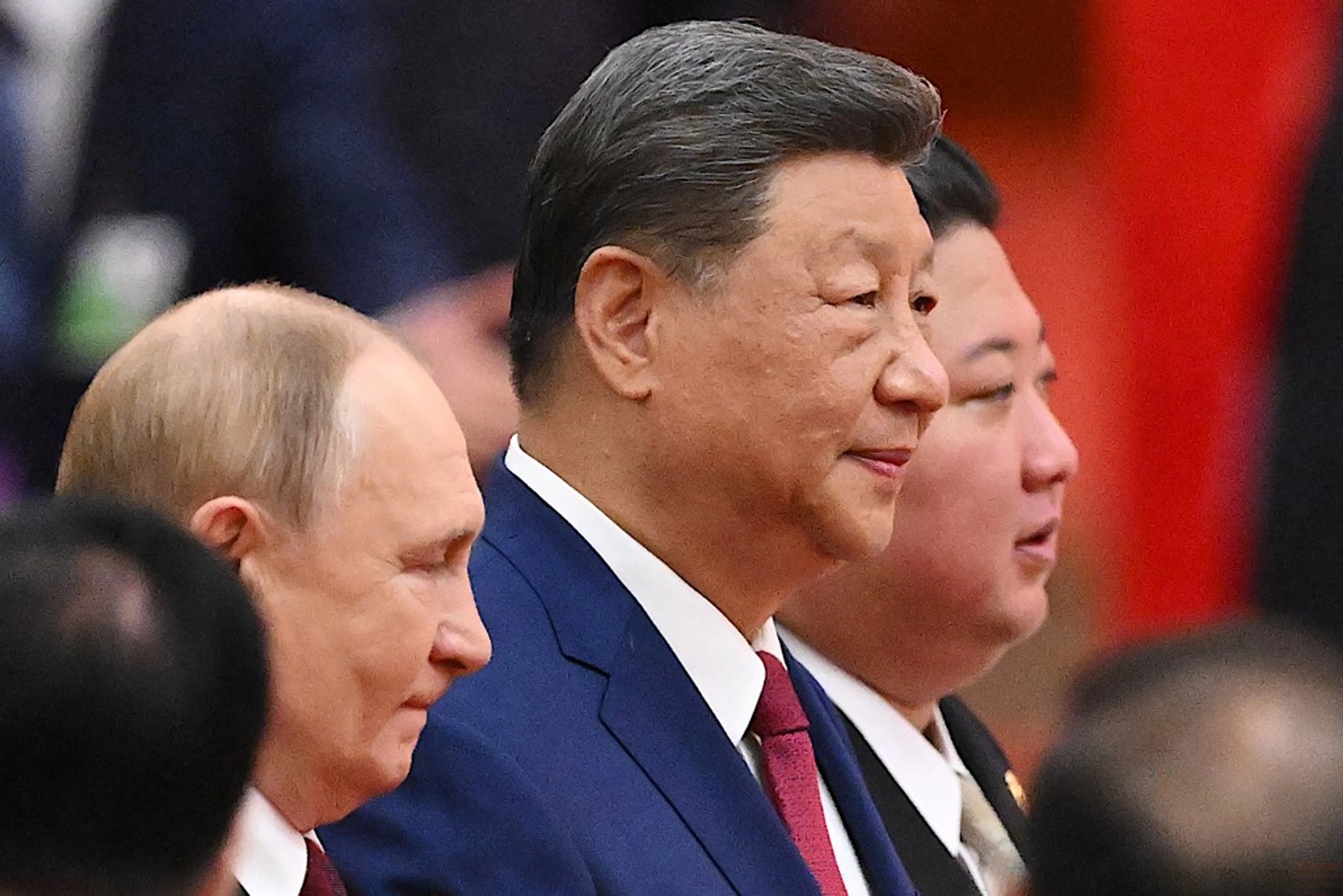
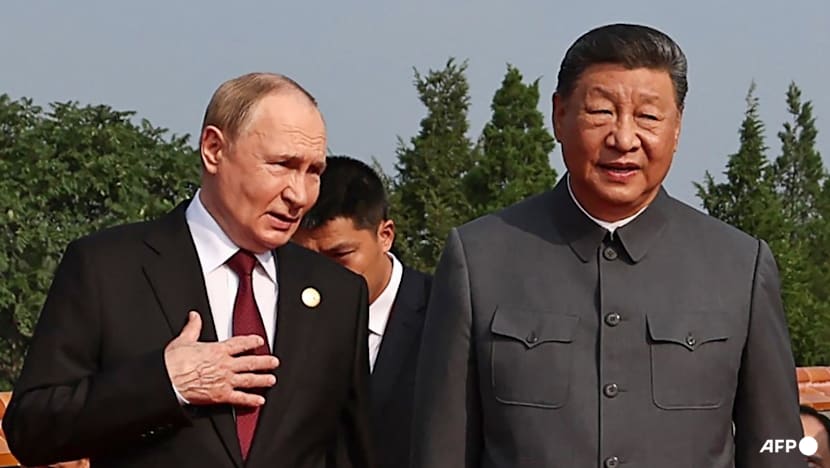
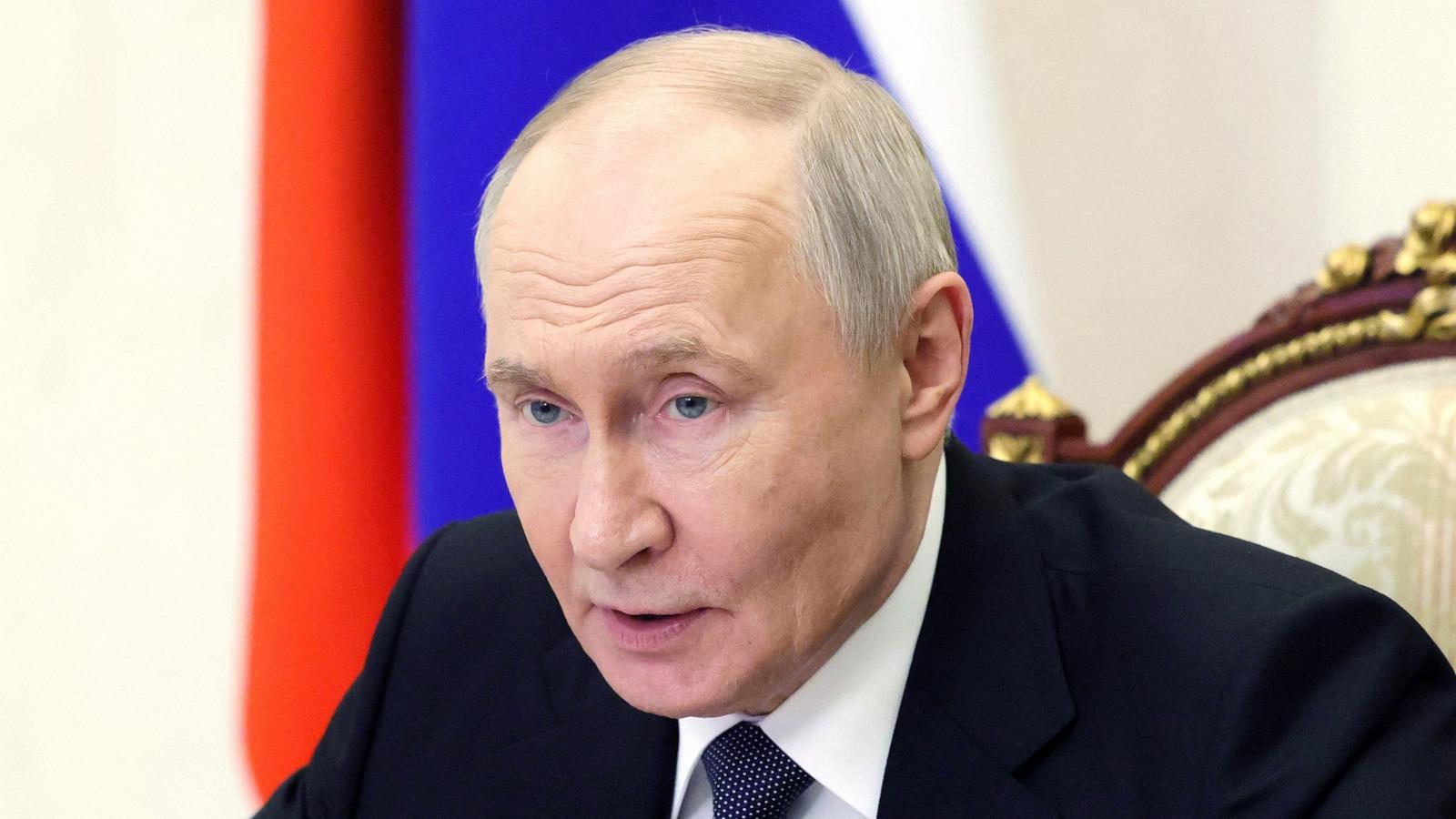
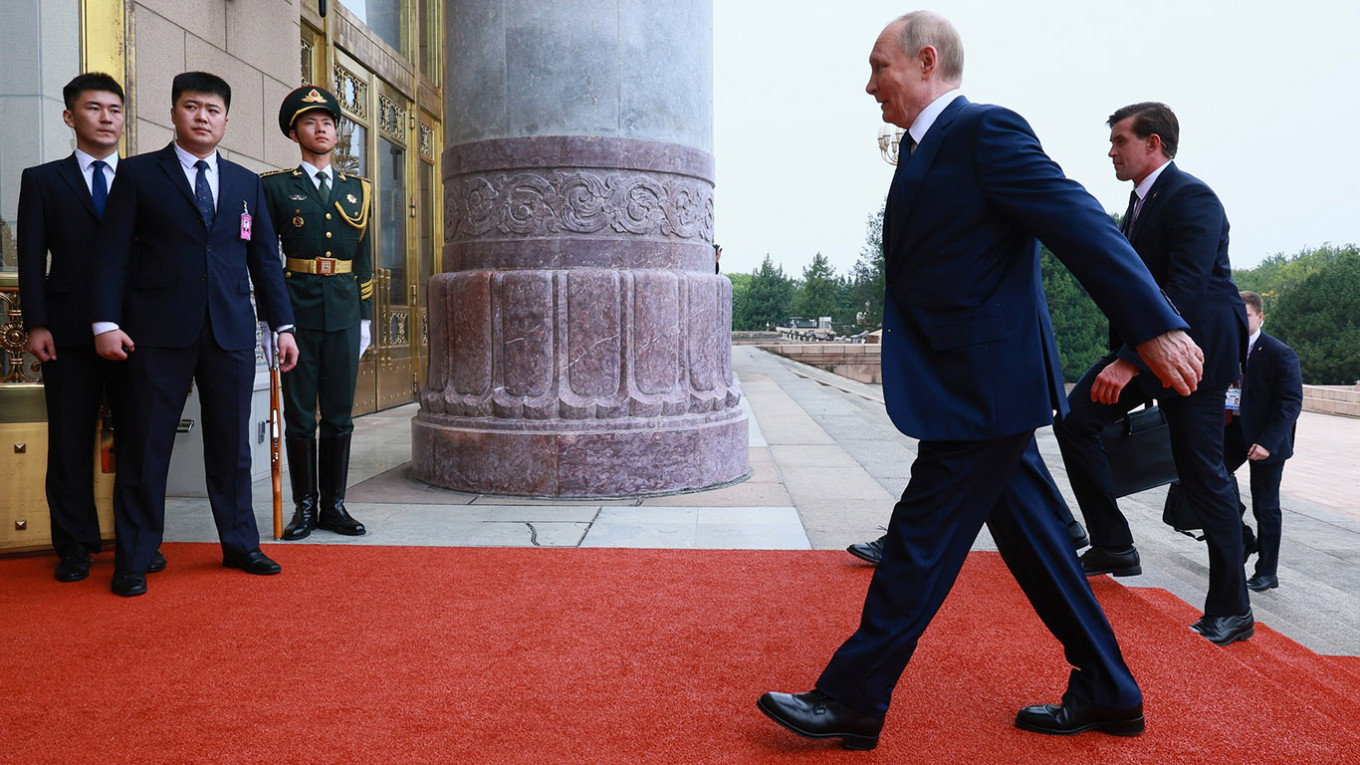
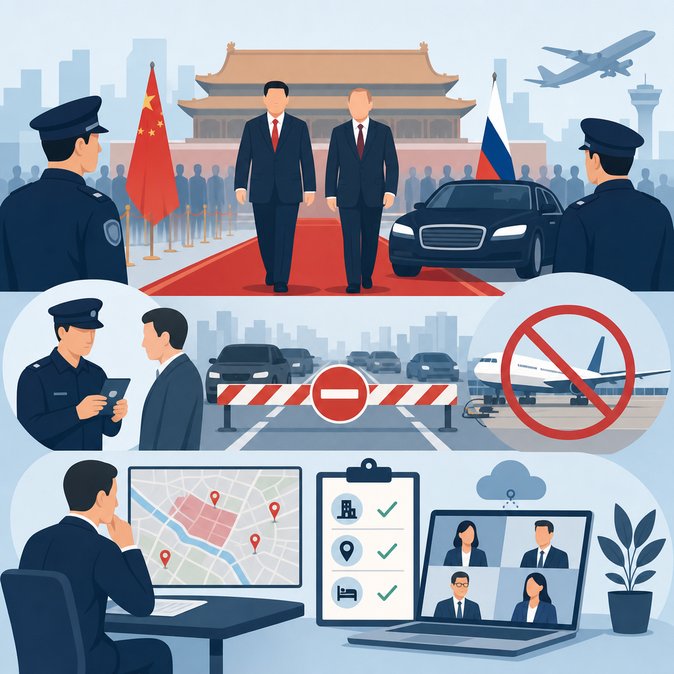
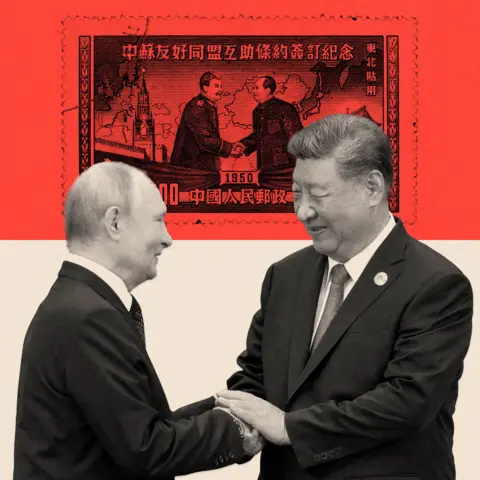
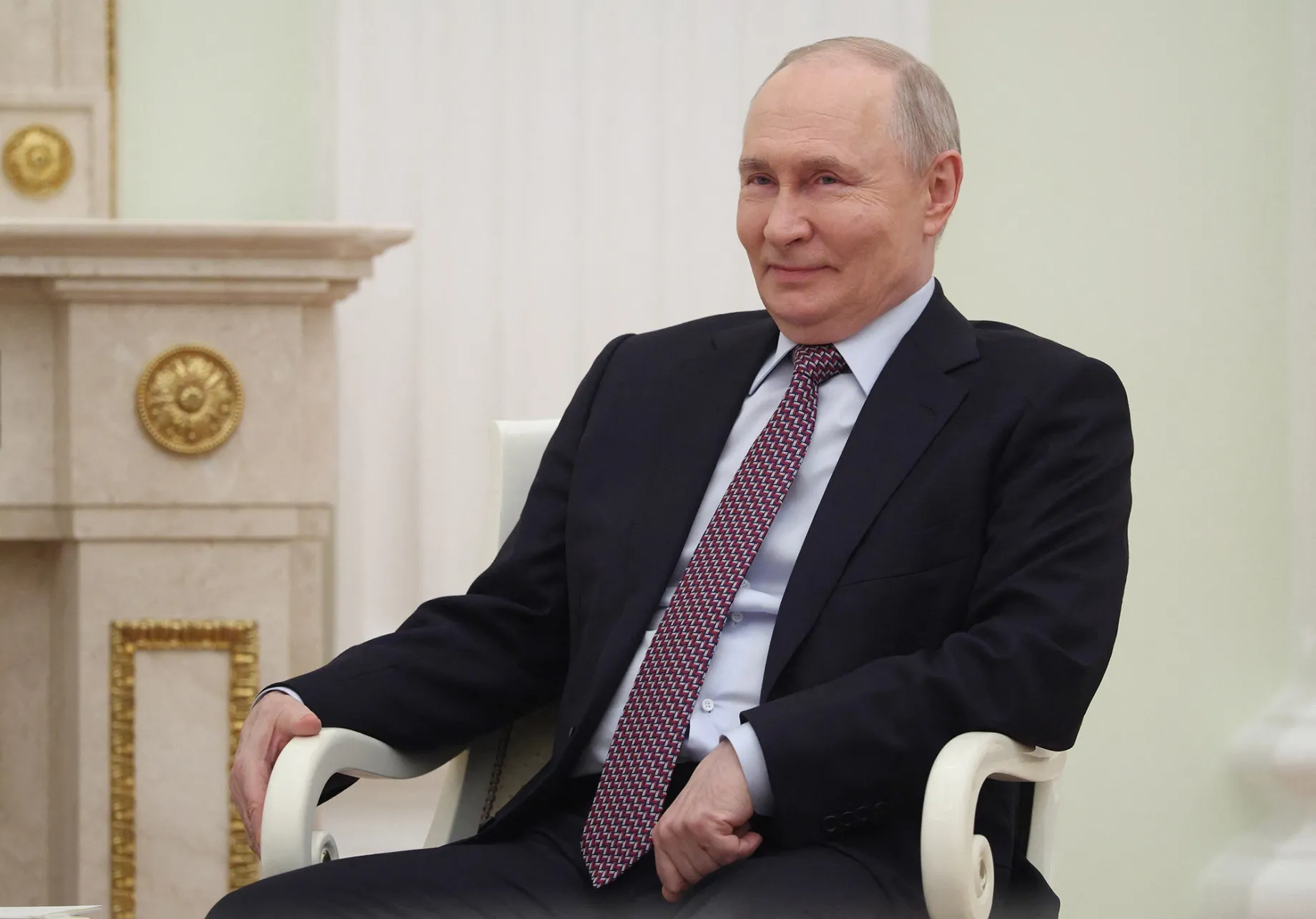
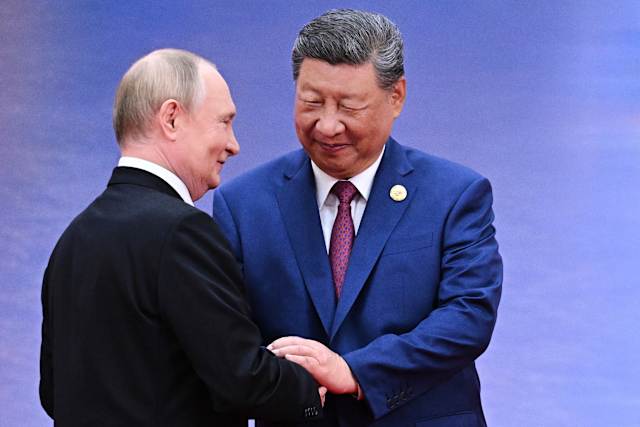
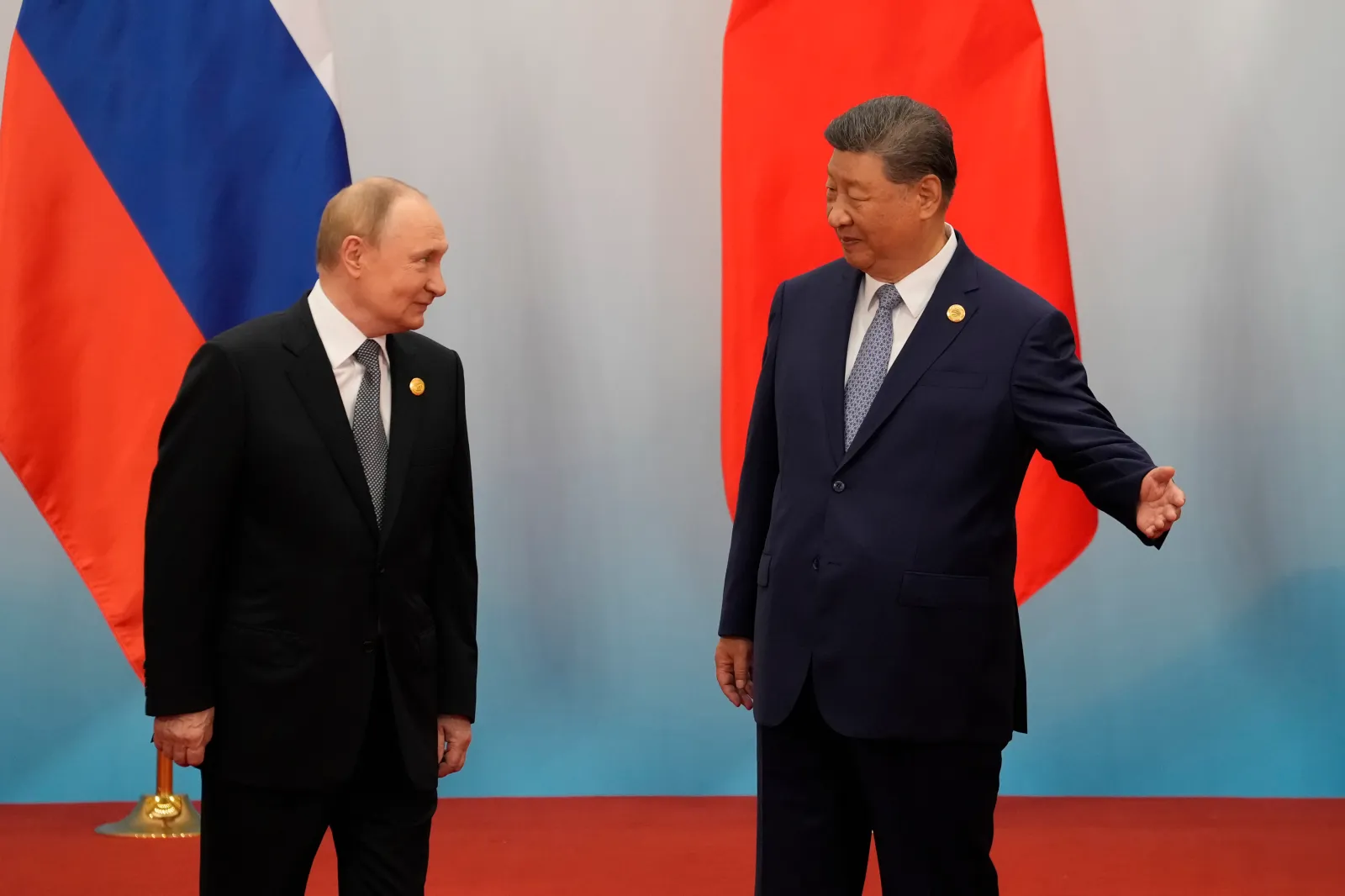
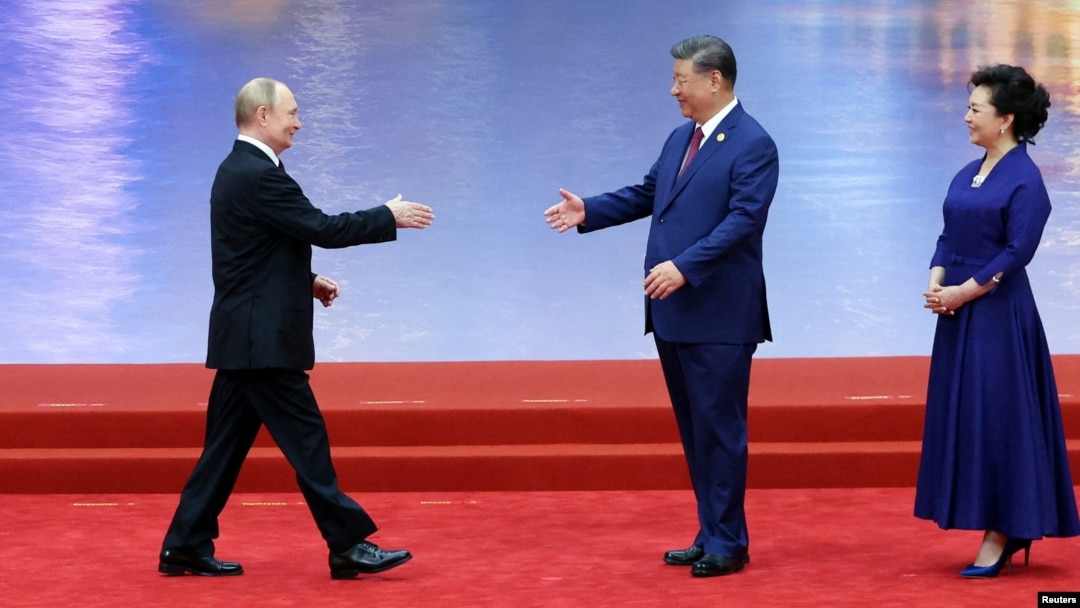
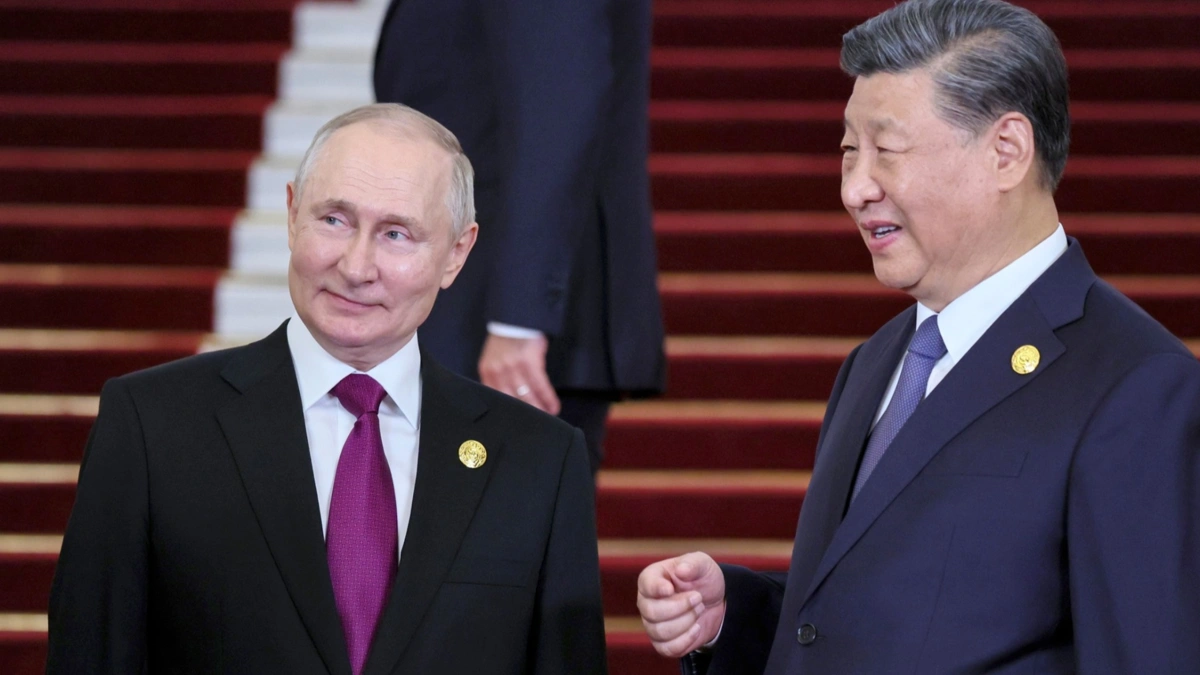
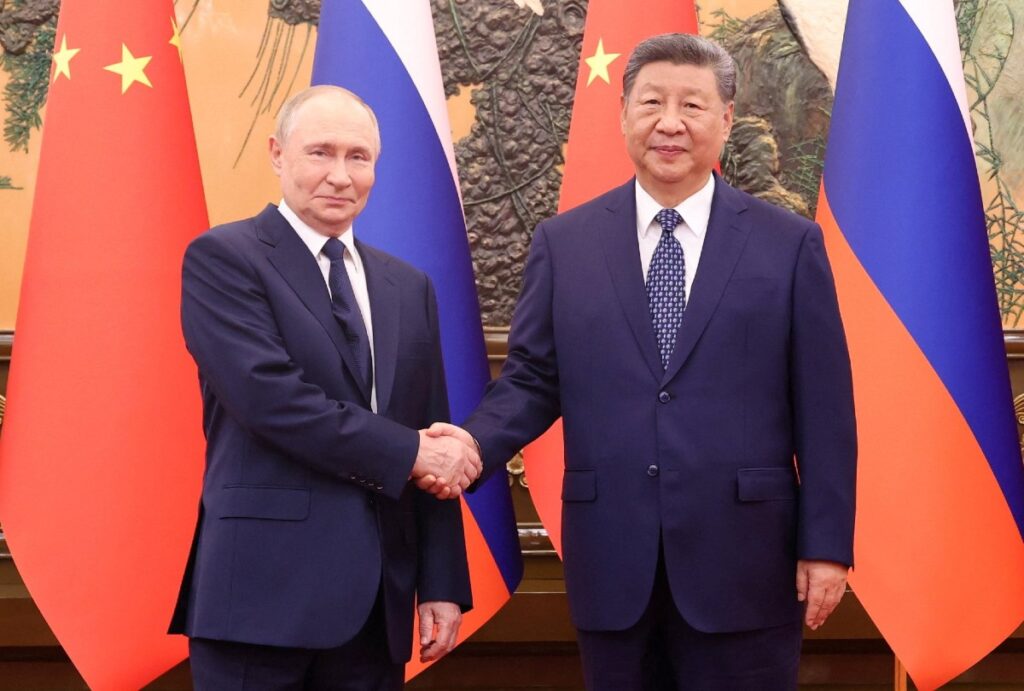
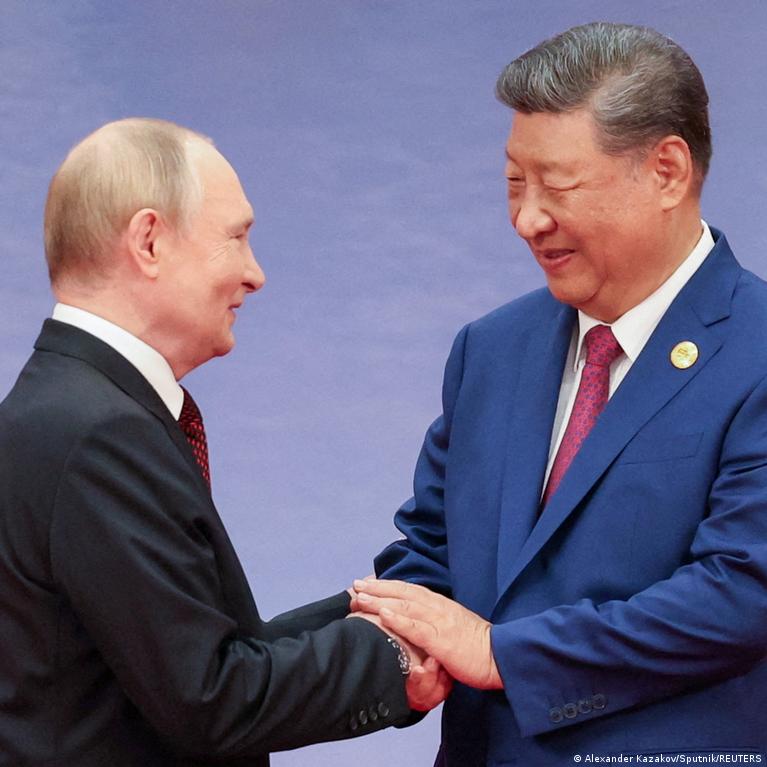
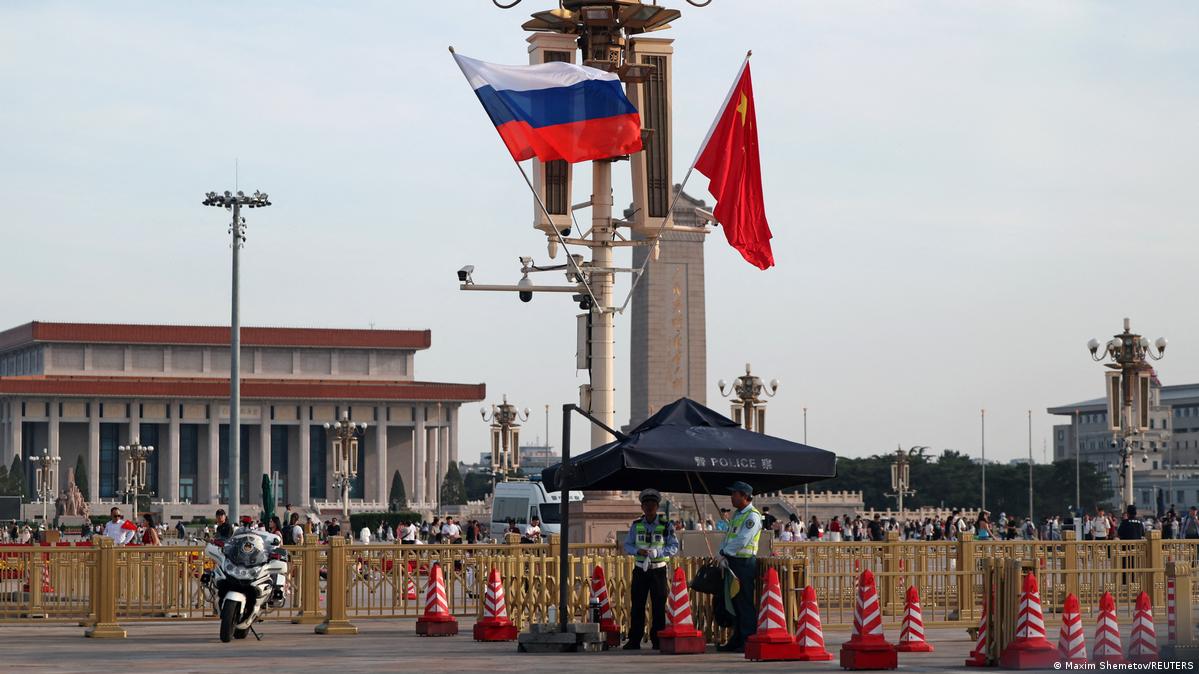
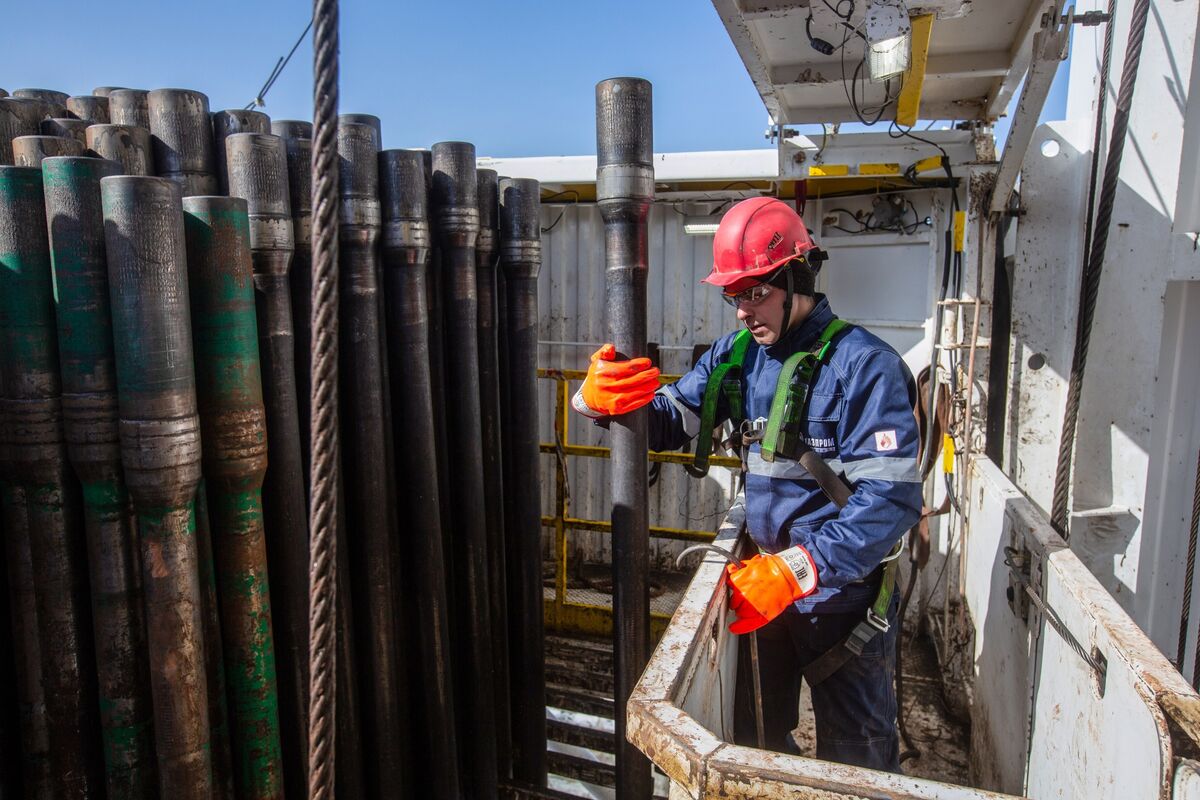
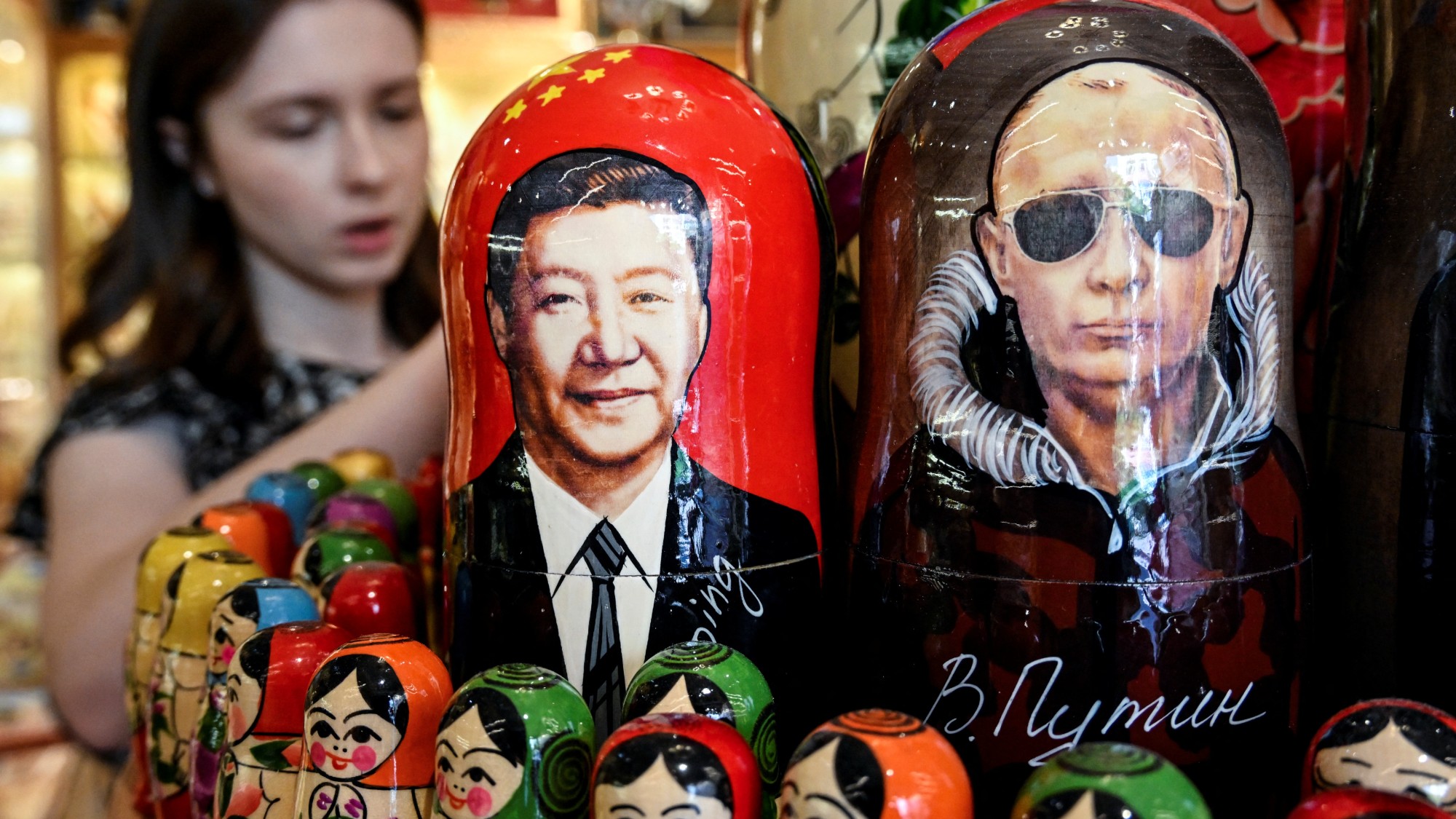
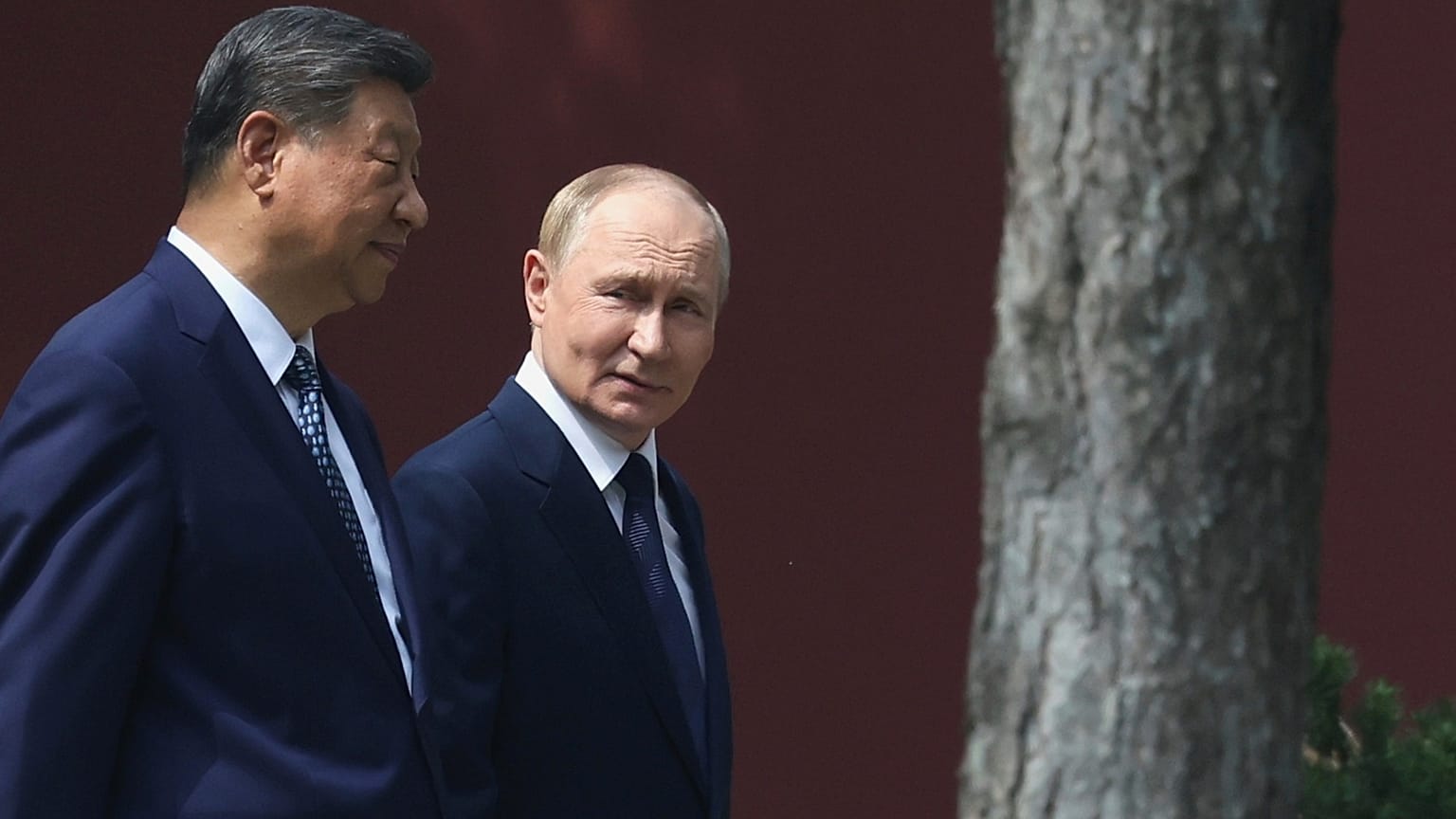
The Putin-Xi summit (May 19-20, 2026) represents a critical inflection point for cross-border e-commerce sellers operating in Asia-Pacific and Eurasian markets. Russia-China bilateral trade exceeded $230 billion in 2025 despite Western sanctions, with approximately 40 bilateral agreements expected to formalize energy cooperation, trade corridors, and business facilitation mechanisms. The centerpiece—Power of Siberia 2 gas pipeline—will lock in long-term Russian energy supplies to China, fundamentally reshaping logistics costs for sellers shipping through Asian hubs.
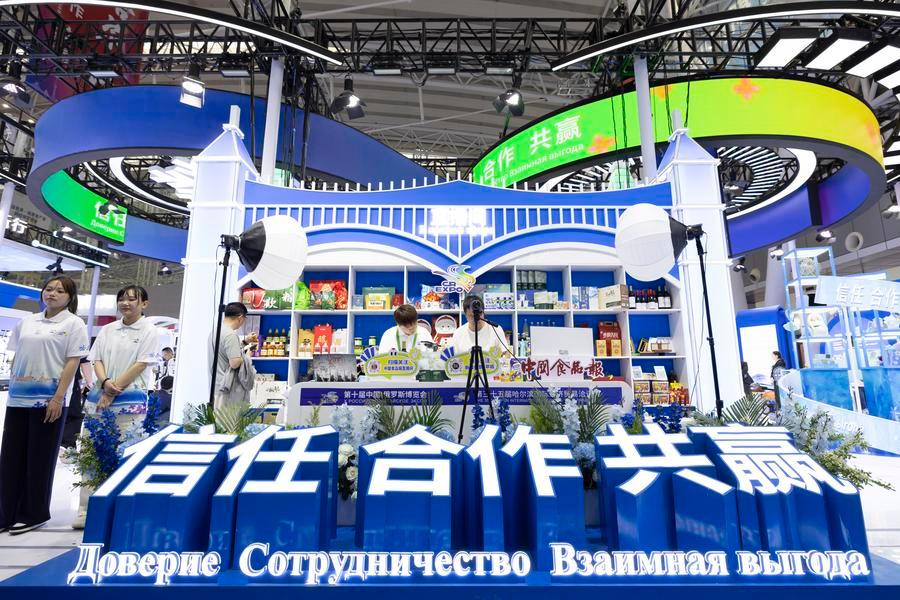
For e-commerce sellers, the immediate impact manifests in three critical areas: (1) Energy Cost Pass-Through: The finalized pipeline pricing (currently under negotiation) will determine shipping costs for 2026-2030. Industry analysis suggests energy-intensive logistics (air freight, refrigerated containers, expedited shipping) could increase 8-15% if Russia secures premium pricing. Sellers relying on Shanghai, Shenzhen, and Guangzhou fulfillment centers should expect 3PL rate increases of $0.12-0.28 per unit for standard parcels. (2) Supply Chain Sourcing Opportunities: The reciprocal visa-free regime and 80,000+ students in bilateral educational programs signal accelerated business travel and commercial partnerships. Russian sellers can now more easily source from Chinese manufacturers without visa delays, while Chinese suppliers gain direct access to Russian market entry. This creates arbitrage opportunities in categories like electronics components, machinery parts, and consumer goods where tariff harmonization discussions are underway. (3) Market Access Expansion: The "multipolar world" declaration suggests reduced US-led trade restrictions. Sellers currently blocked from Russian markets due to sanctions compliance complexity may find new pathways through Chinese intermediaries and yuan-settled transactions, particularly in non-sanctioned categories (consumer electronics, apparel, home goods).
Competitive dynamics shift decisively toward sellers with Asia-Pacific infrastructure. Chinese-based sellers gain first-mover advantage in Russian market entry through simplified logistics. US and EU sellers face margin compression unless they diversify sourcing away from energy-intensive routes. The visa-free regime specifically benefits small-to-medium sellers (SMEs) who previously couldn't justify visa costs for supplier visits—expect 15-25% increase in direct China-Russia trade partnerships by Q4 2026. Timing is critical: Pricing negotiations for Power of Siberia 2 conclude within 6-12 months, after which energy costs stabilize. Sellers should lock in 3PL contracts before Q3 2026 to avoid rate increases tied to finalized pipeline pricing.
Questions 7
What product categories benefit most from the Russia-China visa-free regime?
The reciprocal visa-free regime and 80,000+ students in bilateral programs accelerate sourcing in electronics components, machinery parts, consumer goods, and apparel. Chinese suppliers can now visit Russian buyers without visa delays, reducing transaction costs by 15-25% for SMEs. Sellers in these categories should establish direct relationships with Russian distributors and Chinese manufacturers before Q4 2026, when visa-free benefits fully materialize. Educational exchanges also signal demand for tutoring services, online courses, and educational products—a secondary opportunity for digital sellers.
Can I now sell directly to Russian customers without sanctions compliance issues?
The summit's emphasis on 'multipolar world' and yuan-settled transactions suggests reduced US-led restrictions, but **sanctions compliance remains mandatory**. Non-sanctioned categories (consumer electronics, apparel, home goods, toys) can potentially access Russian markets through Chinese intermediaries and yuan-based payment systems. However, dual-use goods (semiconductors, machinery, technology) remain restricted. Consult OFAC and EU sanctions lists before entering Russian market. The visa-free regime facilitates business travel for compliance verification, not sanctions exemption.