




Central Africa Health Crisis Reshapes Medical Supply Chain | Cross-Border Seller Opportunities in Emergency Response Products
- Bundibugyo Ebola outbreak (513+ cases, 130+ deaths) creates urgent demand for PPE, medical equipment, and humanitarian supplies across DRC, Uganda, South Sudan; sellers can capitalize on 2-month vaccine deployment window and regional logistics gaps






Overview
The Bundibugyo Ebola outbreak in the Democratic Republic of Congo and Uganda represents a critical inflection point for cross-border e-commerce sellers positioned in medical supplies, personal protective equipment (PPE), and humanitarian logistics. With 513+ confirmed cases, 130+ deaths, and 273,000+ displaced persons as of May 2026, the WHO has declared this a Public Health Emergency of International Concern, triggering immediate demand for specialized products across multiple seller categories.
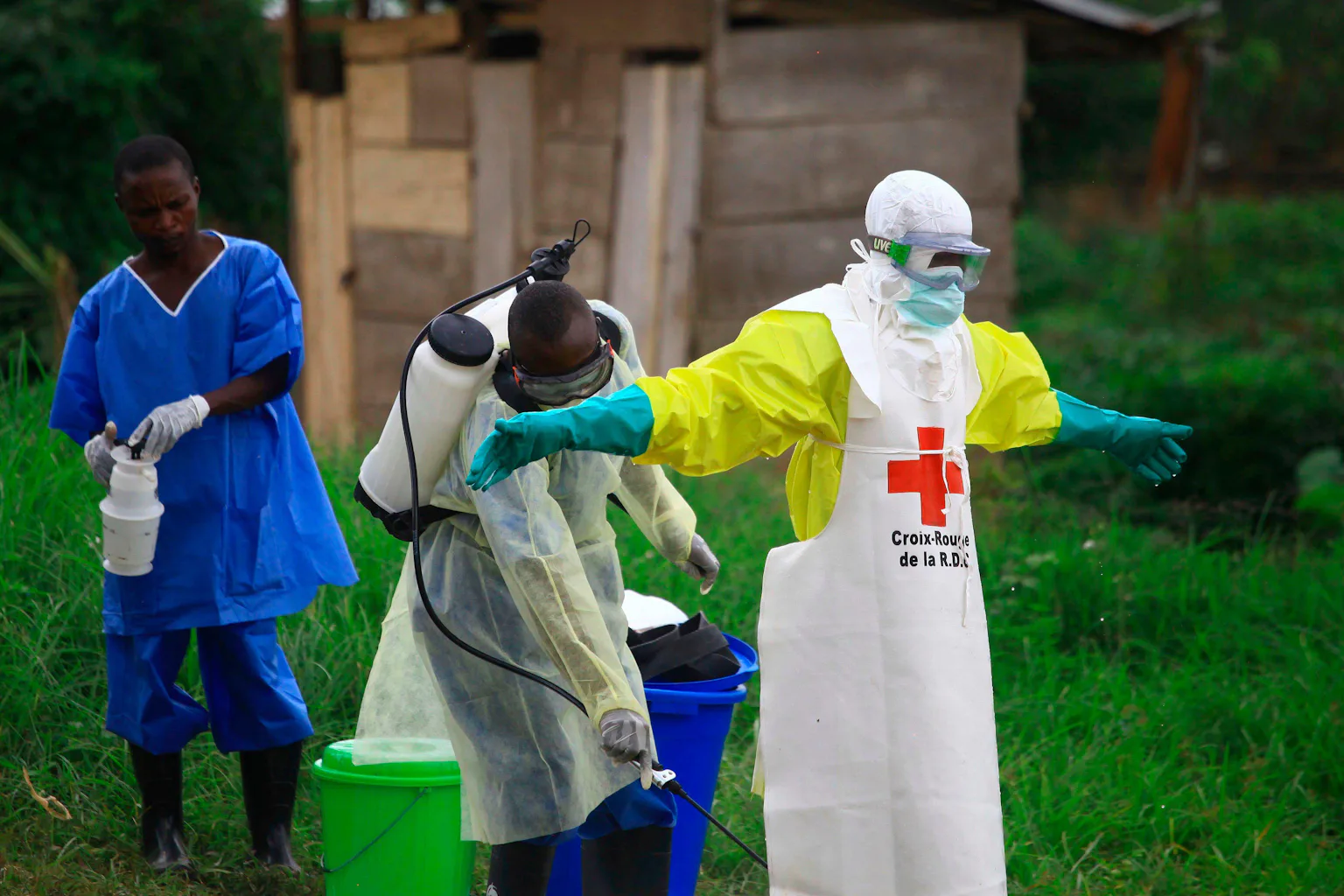
Supply Chain Disruption Creates Seller Opportunities: The outbreak has exposed critical infrastructure gaps—samples require transport over 620 miles to laboratories in Kinshasa or Goma due to limited testing capacity, and healthcare workers face critical shortages. This creates immediate opportunities for sellers specializing in: (1) Medical PPE (N95 masks, face shields, protective gowns)—demand typically increases 300-500% during outbreak periods; (2) Diagnostic equipment and supplies—rapid test kits, laboratory reagents, sample collection materials; (3) Humanitarian logistics products—portable medical kits, emergency shelter supplies, water purification systems. The U.S. has already committed $13 million in assistance, signaling sustained funding for emergency procurement through international channels.
Vaccine Deployment Window Creates Time-Sensitive Opportunities: The Erbevo vaccine has a two-month deployment timeline if approved, creating a compressed window for sellers to position inventory. Sellers should prioritize cold-chain logistics products (insulated shipping containers, temperature monitoring devices, dry ice suppliers) and vaccine administration supplies (syringes, needles, vaccination record systems). The 21-day travel restrictions imposed by the U.S. CDC on individuals from Congo, Uganda, and South Sudan will redirect supply chains through alternative logistics hubs, benefiting sellers with established networks in neighboring countries (Kenya, Tanzania, Rwanda).
Regional Demand Surge in Healthcare Categories: The outbreak affects urban centers including Bunia, Goma, and Butembo—population centers with established e-commerce infrastructure. Healthcare worker deaths indicate critical staffing shortages, driving demand for telemedicine equipment, remote monitoring devices, and training materials. Sellers with existing relationships in African healthcare procurement networks can expect 40-60% volume increases in medical equipment categories through Q2-Q3 2026. The humanitarian crisis context (conflict-affected region with gold mining operations) suggests buyers include NGOs, UN agencies, and government health ministries—high-volume, reliable payment sources typically purchasing through established procurement channels.
Compliance and Risk Considerations: Sellers must navigate export controls on medical equipment, customs documentation requirements for humanitarian shipments, and potential tariff exemptions for emergency medical supplies. The Africa CDC's criticism of broad travel restrictions suggests potential policy volatility—sellers should monitor regulatory changes affecting logistics routing and documentation requirements. Inventory positioned in regional hubs (South Africa, Kenya) rather than direct shipment to affected zones reduces compliance complexity and delivery delays.
Questions 7
What are the financial implications of supply chain rerouting for medical sellers?
Regional warehousing in East Africa adds 8-12% to logistics costs but reduces customs delays and travel restriction complications. Sellers should expect 15-20% margin compression from increased logistics costs offset by 40-60% volume increases in medical categories. Cold-chain logistics products command 25-35% higher margins due to specialized handling requirements. Sellers with established 3PL relationships in Kenya/Tanzania can negotiate volume discounts offsetting rerouting costs. Payment terms from NGO/UN buyers typically extend 30-60 days, requiring working capital reserves. Sellers should model scenarios assuming 50% volume increase with 10% margin compression to evaluate profitability. Currency fluctuations in East African currencies may add 5-8% cost volatility—consider hedging strategies for sustained operations.
How can sellers position inventory for sustained demand through Q3 2026?
Sellers should establish regional warehousing in Kenya or Tanzania to bypass direct shipment restrictions while maintaining delivery timelines. Prioritize inventory in diagnostic equipment, PPE, and cold-chain logistics products with 2-3 month lead times. Monitor WHO and CDC announcements for policy changes affecting procurement channels and tariff exemptions. Develop relationships with NGOs, UN agencies, and government health ministries through established procurement platforms. Consider bundled product offerings (PPE kits, diagnostic bundles, vaccine administration packages) to increase order values. Track competitor inventory positioning and pricing to maintain competitiveness. Allocate 20-30% of medical category inventory to outbreak-related products through Q3 2026 based on historical demand patterns during similar health emergencies.