

AI Industry Consolidation & Competitive Dynamics Shape E-Commerce Platform Strategy
- OpenAI's $852B valuation and aggressive monetization (50/50 consumer-business revenue split) signals accelerated AI integration into e-commerce platforms; Musk's litigation losses demonstrate wealth-insulated decision-making affecting competitive landscape for seller tools and marketplace automation






















Overview
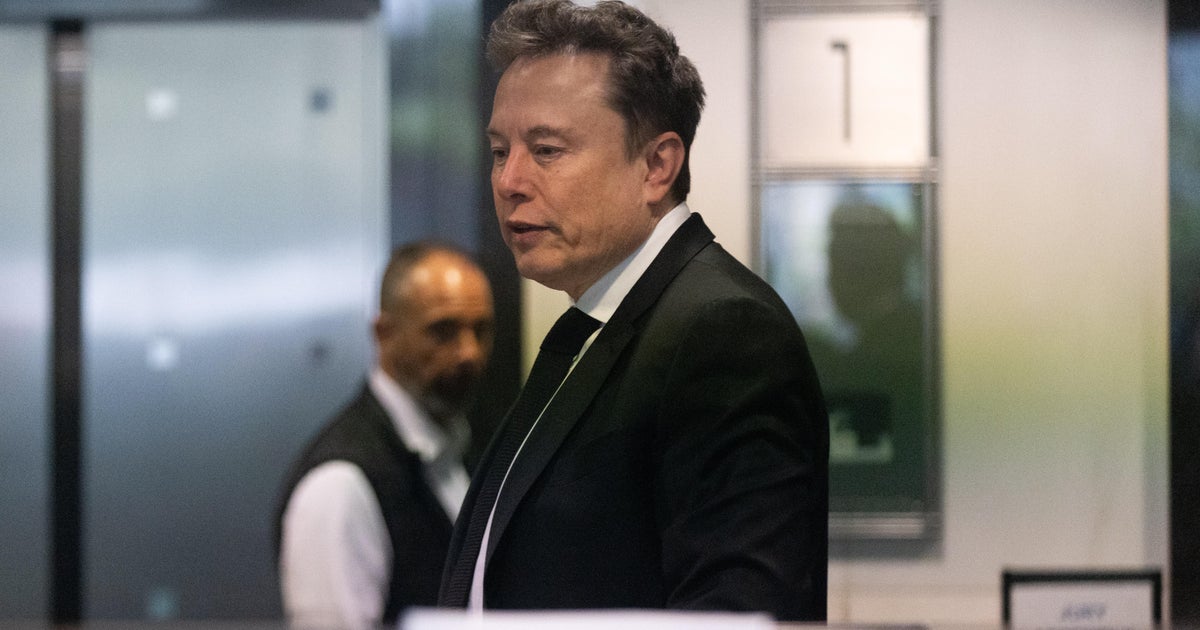
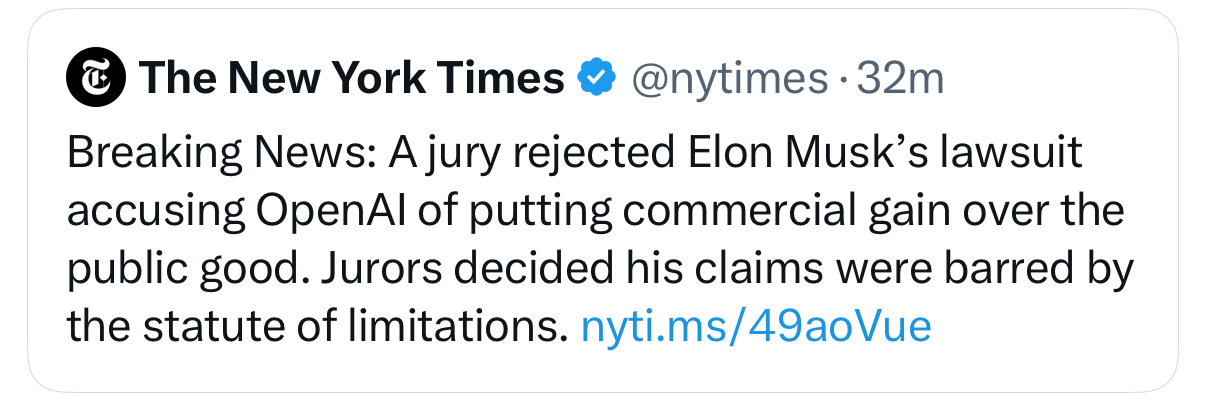
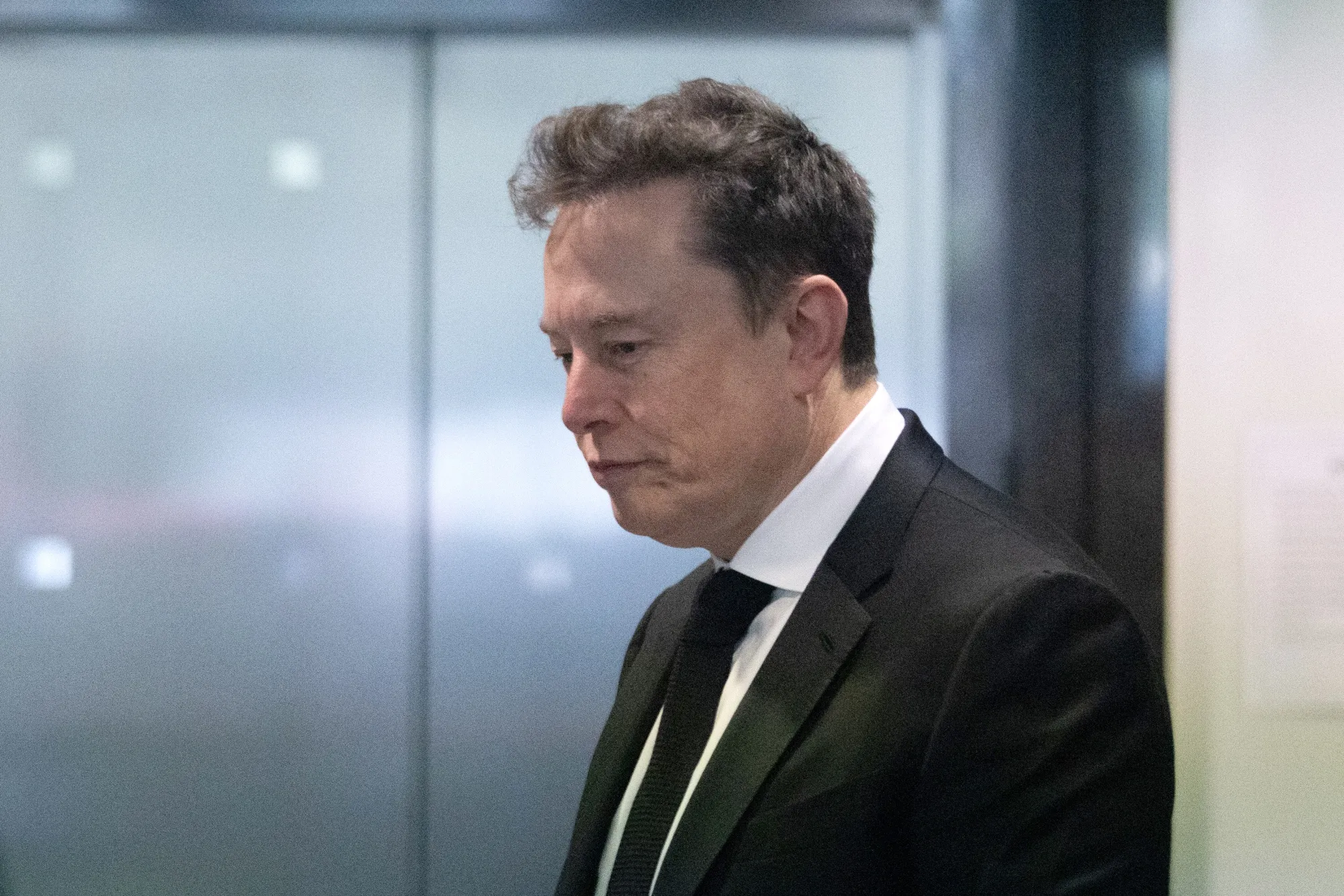
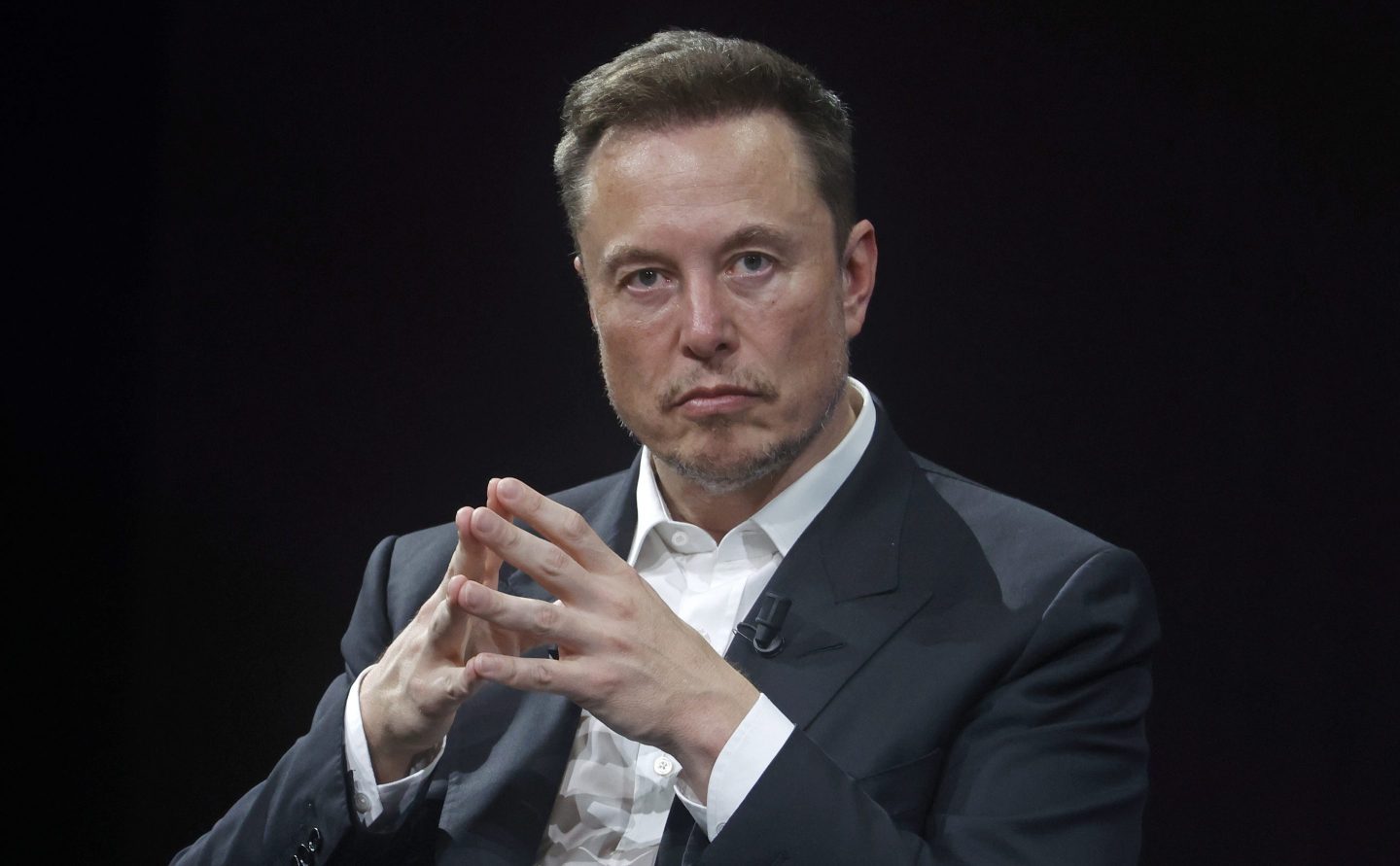
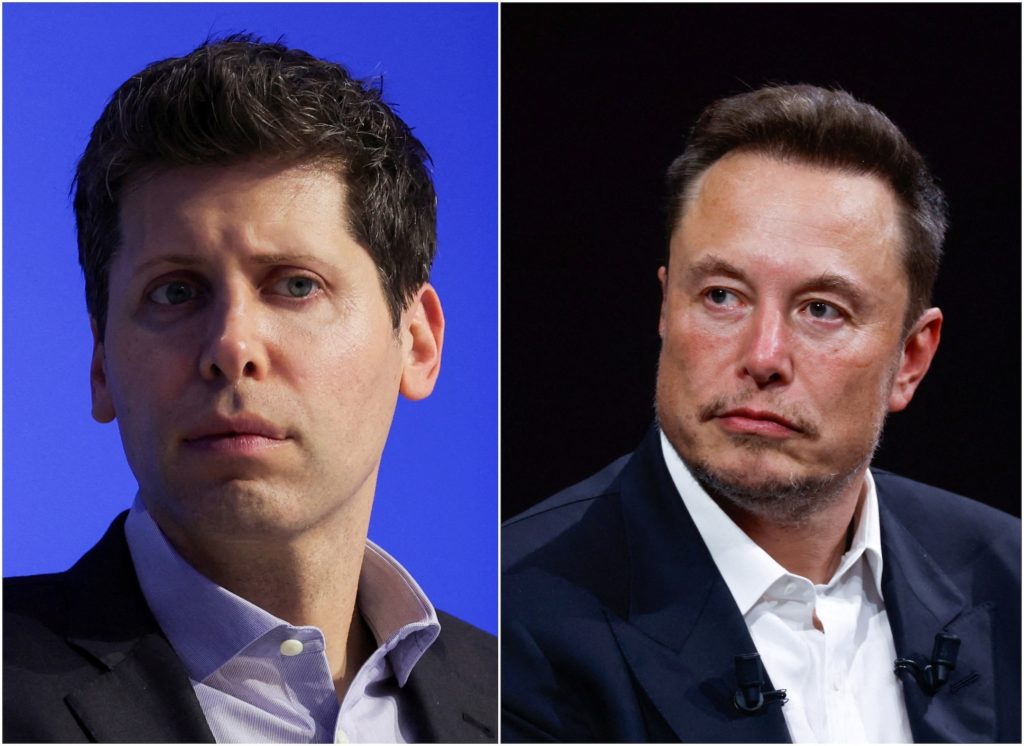
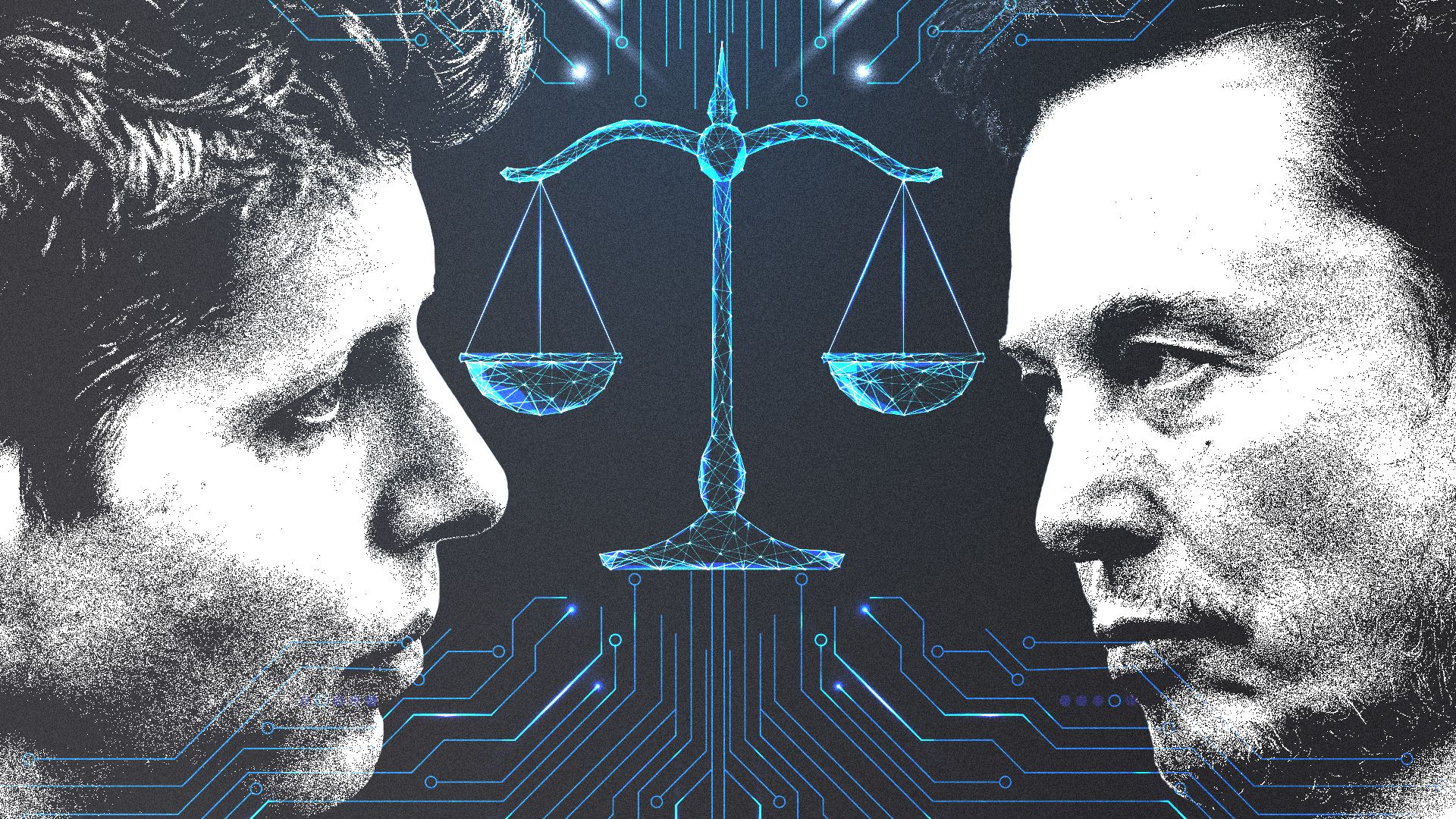
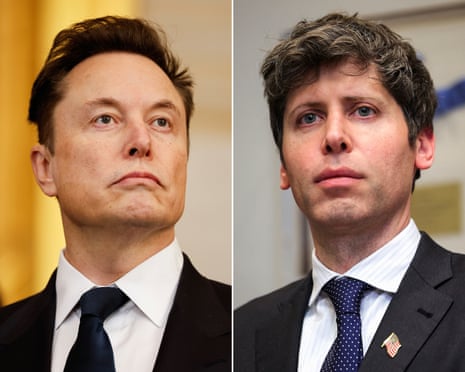
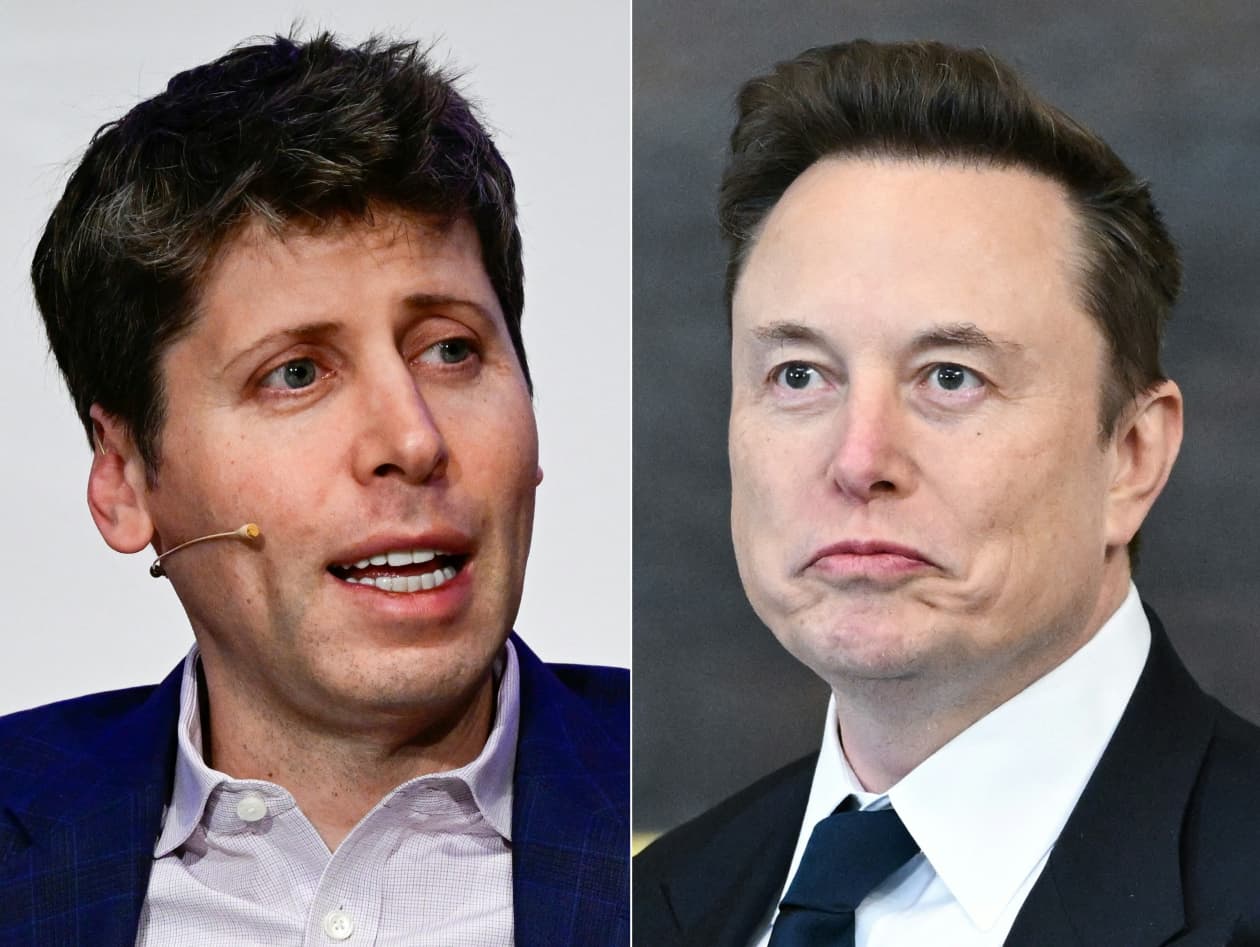
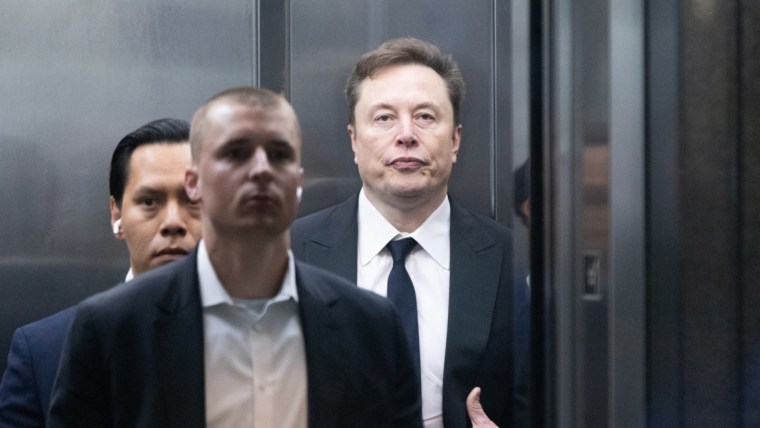
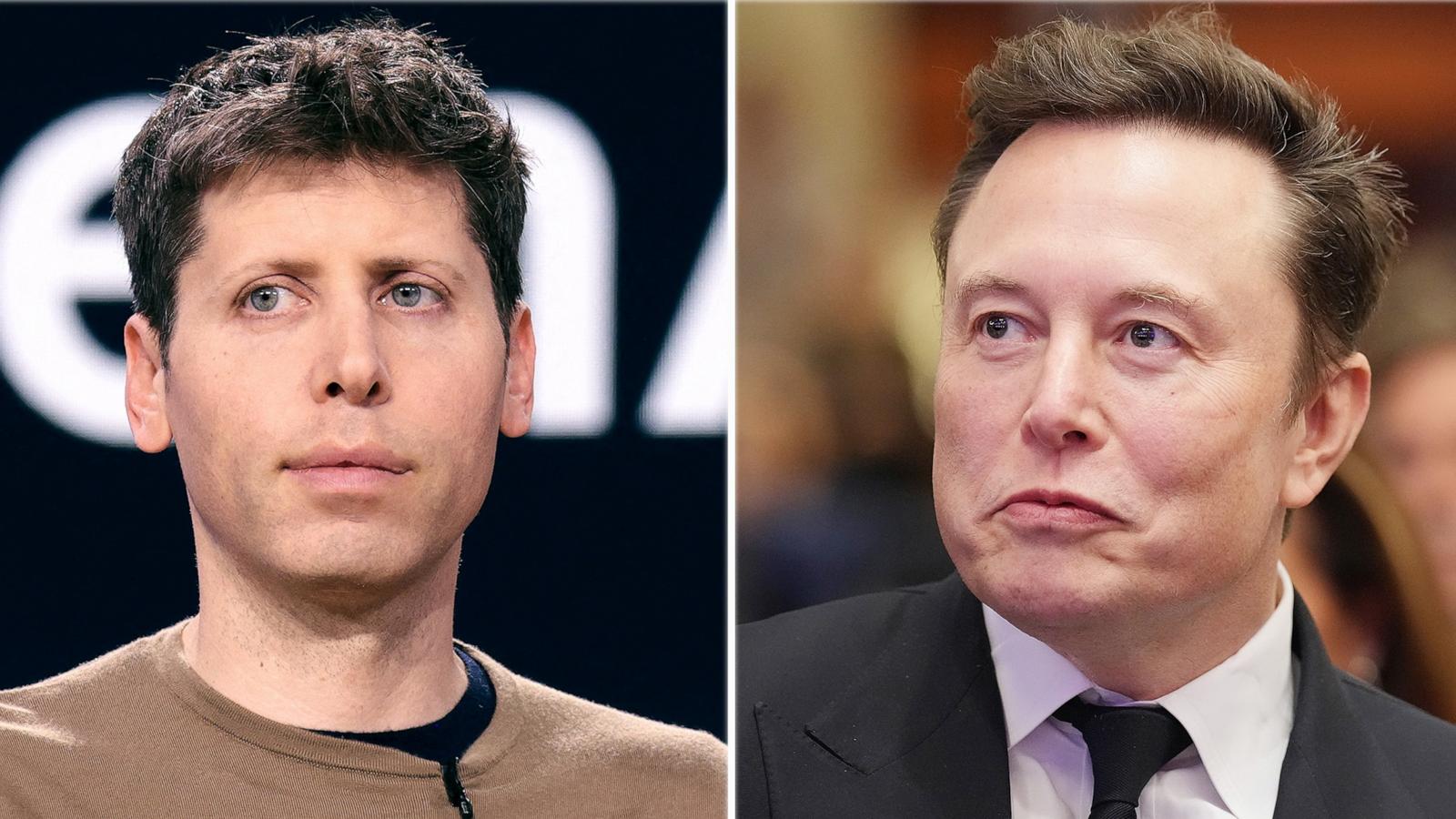
The May 18, 2026 federal court dismissal of Elon Musk's lawsuit against OpenAI and Sam Altman represents a pivotal moment in AI industry consolidation with direct implications for e-commerce sellers and marketplace platforms. A jury in Oakland, California ruled that Musk exceeded the three-year statute of limitations on his $180 billion breach-of-charitable-trust claim, preventing substantive examination of allegations that OpenAI abandoned its nonprofit mission. The verdict, delivered after less than two hours of deliberation, cleared the path for OpenAI's anticipated trillion-dollar IPO while simultaneously exposing the competitive rivalries and profit-driven motives underlying AI development.
Platform Consolidation Impact on E-Commerce: OpenAI's recent hiring of Chief Revenue Officer Denise Dresser from Slack signals aggressive monetization targeting 50% revenue from consumers and 50% from businesses. This strategy directly affects e-commerce sellers through accelerated AI tool integration into Amazon, Shopify, and emerging platforms. Google's concurrent acceleration of AI integration across its services (Gmail, Search, Workspace) creates competitive pressure for Amazon and other marketplaces to rapidly deploy AI-powered seller tools—inventory optimization, demand forecasting, and listing automation. The trial revealed that OpenAI raised $12.2 billion at an $850 billion valuation in March 2026, with both OpenAI and SpaceX planning major IPOs alongside Anthropic (founded by seven former OpenAI executives). This capital concentration among three competing AI firms will likely drive feature parity wars, with sellers benefiting from accelerated tool development but facing vendor lock-in risks.
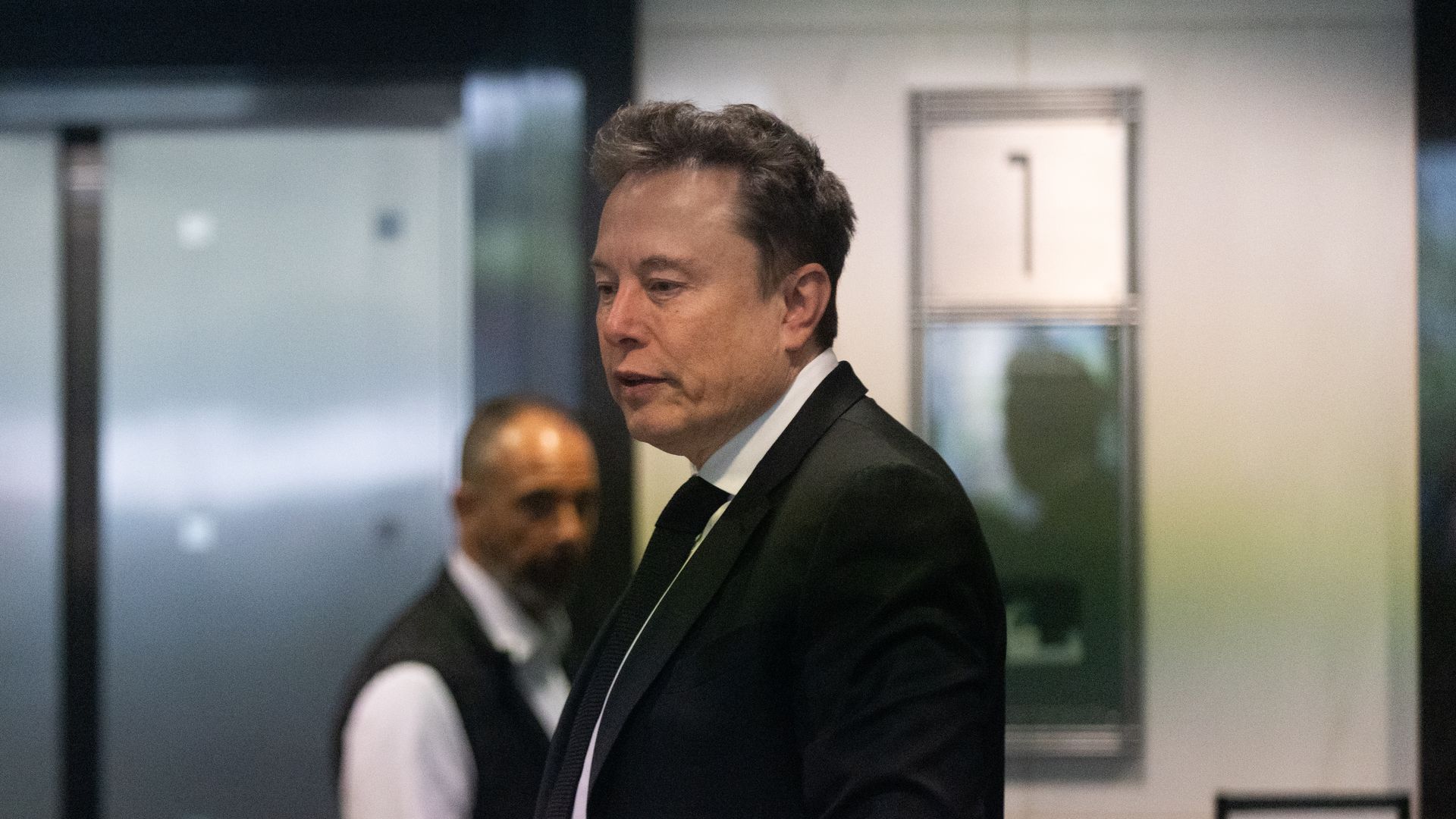
Litigation Pattern and Wealth-Insulated Decision-Making: Musk's broader legal setbacks—including March 2025 losses on Twitter acquisition claims and advertiser lawsuits, plus late-2024 settlements with former Twitter executives—demonstrate that even billionaire-scale wealth ($1.5 million SEC fines are financially insignificant to Musk) doesn't prevent aggressive litigation. Columbia Law School professor Dorothy Lund notes Musk's "unprecedented wealth positioning him as a potential first trillionaire through SpaceX holdings" makes legal consequences financially insignificant. This pattern indicates that tech executives leading AI and e-commerce platforms will continue pursuing aggressive competitive strategies without meaningful legal deterrents. For sellers, this means platform policies and competitive dynamics will be shaped by executive personalities rather than regulatory constraints. Musk's public attacks on Judge Yvonne Gonzalez Rogers and vow to appeal to the 9th Circuit demonstrate his willingness to pursue multi-year litigation despite procedural setbacks—a pattern that could extend to platform disputes affecting seller communities.
Reputational Damage and Public Trust Erosion: Despite OpenAI's legal victory, the trial exposed significant reputational damage through testimony questioning Sam Altman's truthfulness and revelations about his 2023 board removal and reinstatement. The trial revealed internal conflicts and profit-driven motivations contradicting public commitments to AI safety and inclusivity. Sarah Kreps, director of Cornell University's Tech Policy Institute, emphasized that "AI's future depends on a small group of powerful figures whose personal rivalries shape industry direction." This concentration of power in billionaire-led companies raises governance concerns particularly relevant to sellers dependent on platform algorithms and policies. The verdict's conclusion on technical grounds rather than substantive merit left fundamental questions about AI benefit distribution unresolved, creating regulatory uncertainty that could affect e-commerce platforms' AI tool pricing and access policies in coming years.
Questions 7
How does OpenAI's aggressive monetization strategy affect e-commerce sellers?
OpenAI's hiring of Chief Revenue Officer Denise Dresser signals a 50/50 consumer-business revenue split, meaning sellers will increasingly encounter AI-powered tools integrated into Amazon, Shopify, and other platforms. The trial revealed OpenAI raised $12.2 billion at an $850 billion valuation, positioning it to rapidly deploy seller-facing features like inventory optimization and demand forecasting. Sellers should expect accelerated AI tool adoption across platforms but should evaluate vendor lock-in risks—relying on proprietary AI from a single provider could limit flexibility if competitive dynamics shift. Monitor OpenAI's IPO timeline (expected 2026-2027) as it may trigger pricing changes for API access and integrated seller tools.
What does the trial reveal about platform governance and seller protections?
The trial exposed how a small group of powerful tech figures—Sam Altman, Elon Musk, Dario Amodei—shape AI development through personal rivalries rather than formal governance structures. Sarah Kreps from Cornell's Tech Policy Institute emphasized this concentration of power raises concerns about accountability. For sellers, this indicates platform policies affecting algorithms, fee structures, and tool access will be driven by executive decisions rather than transparent governance. The trial's conclusion on technical grounds rather than substantive merit left fundamental questions about benefit distribution unresolved, creating regulatory uncertainty. Sellers should diversify across platforms and avoid over-dependence on any single marketplace's AI tools until clearer governance frameworks emerge.