


NFL Broadcast Strategies Reveal Global Media Transformation Signals
- International streaming platforms reshape sports content distribution for global audiences












































Overview
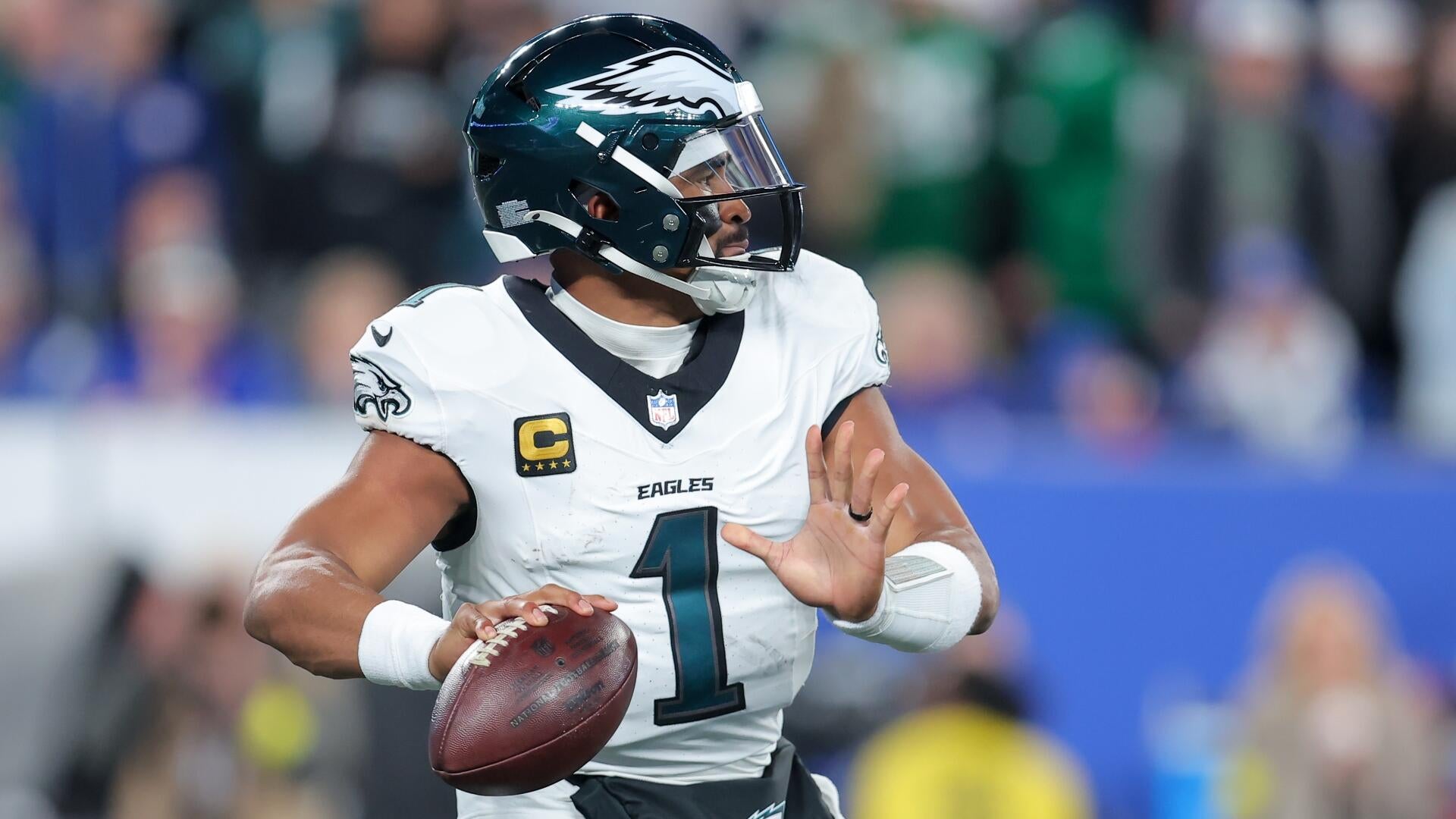
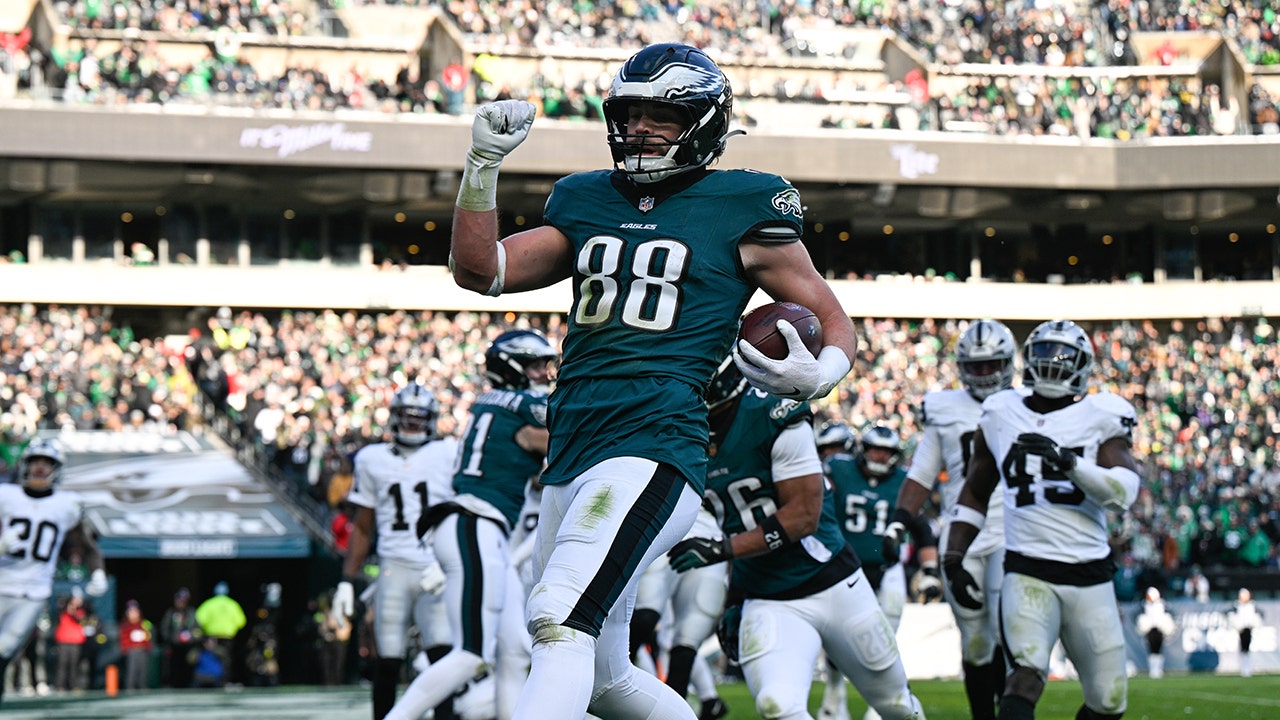
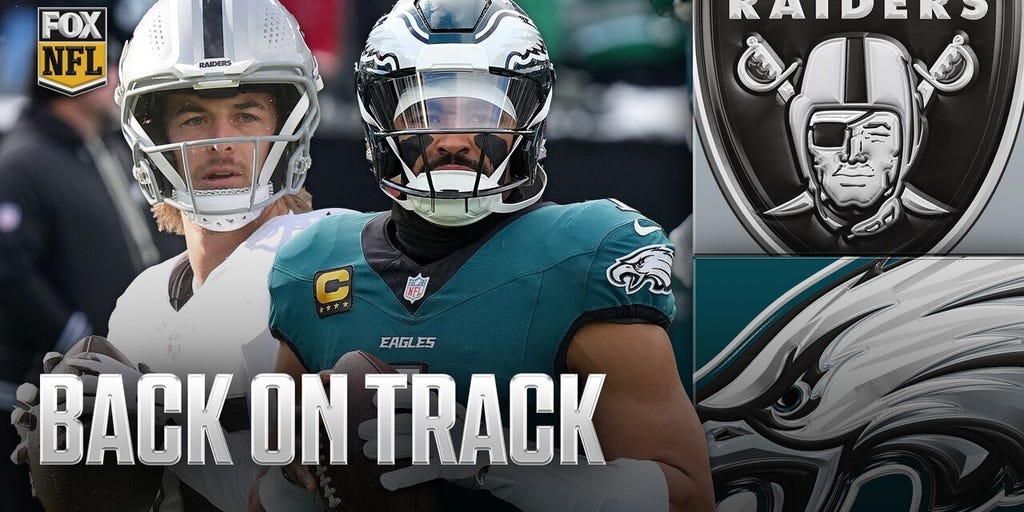
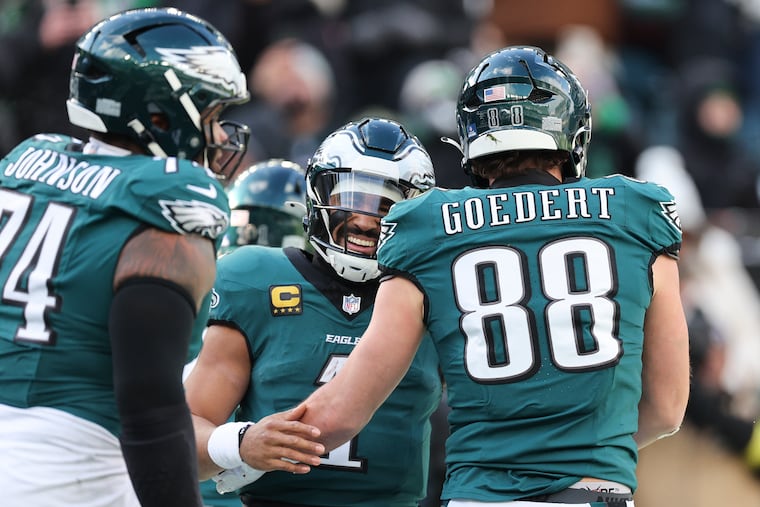
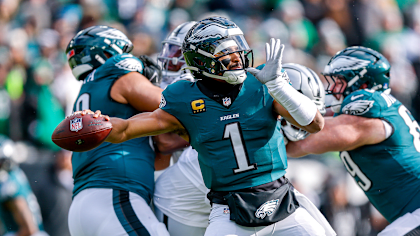
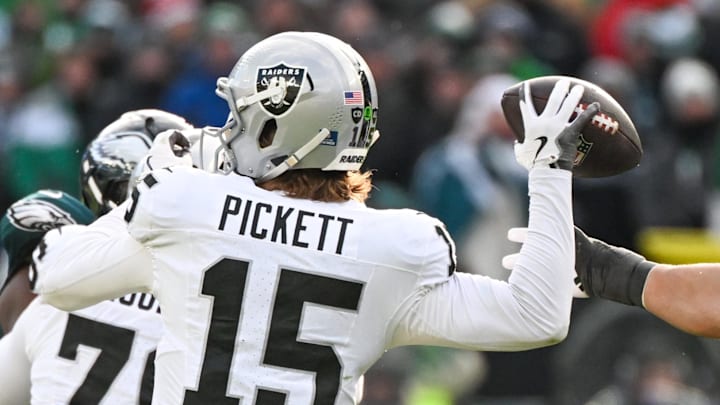
In an era of rapidly evolving media consumption, the Raiders vs. Eagles broadcast reveals profound shifts in how sports content reaches global audiences. While seemingly a routine NFL game, the comprehensive viewing instructions demonstrate a sophisticated international media distribution strategy that transcends traditional broadcasting models.
Multiplatform Engagement Dynamics emerge through the meticulously planned broadcast ecosystem. The game will be televised on FOX with a professional commentary team, simultaneously offering local radio coverage in English and Spanish, and providing international streaming options across Mexico, Australia, and New Zealand. This multilingual, multi-channel approach signals a strategic pivot from geographic-limited broadcasting to a globally integrated media experience.
The NFL Game Pass International platform stands out as a critical infrastructure for modern sports content delivery. By offering specific local kickoff times and diverse viewing options, the league demonstrates an understanding of fragmented global media consumption patterns. Social media channel integration further amplifies this strategy, allowing fans worldwide to engage beyond live game moments through highlight channels and real-time interactions.
Critically, this broadcast model represents more than sports entertainment—it's a blueprint for global digital content distribution. The ability to simultaneously serve diverse linguistic markets through unified technological platforms suggests a profound transformation in how media brands conceptualize audience reach. For digital content creators and marketers, this represents a compelling case study in adaptive, technology-driven global communication strategies.
The strategic implications are clear: successful global content must be simultaneously localized and universally accessible, leveraging technology to transcend traditional media boundaries. The NFL's approach demonstrates that modern media is no longer about broadcasting, but about creating interconnected, personalized viewing experiences that respect local preferences while maintaining a global narrative.
Questions 3
How does the NFL's broadcast strategy differ from traditional sports media?
Unlike traditional broadcasting, the NFL now offers a comprehensive, multilingual, multi-platform approach. By providing international streaming through NFL Game Pass, localized language options, and social media integration, they've transformed sports content from a geographic broadcast to a globally personalized experience.
What implications does this have for digital content creators?
Content creators must now design strategies that are simultaneously universal and locally nuanced. The key is creating flexible content architectures that can be easily adapted across linguistic, cultural, and technological boundaries, prioritizing audience engagement over traditional broadcast models.