


Wembanyama's Spectacular Comeback Sparks Spurs' NBA Cup Championship Momentum
- Emerging NBA talent reshapes playoff dynamics with game-changing performance



Overview
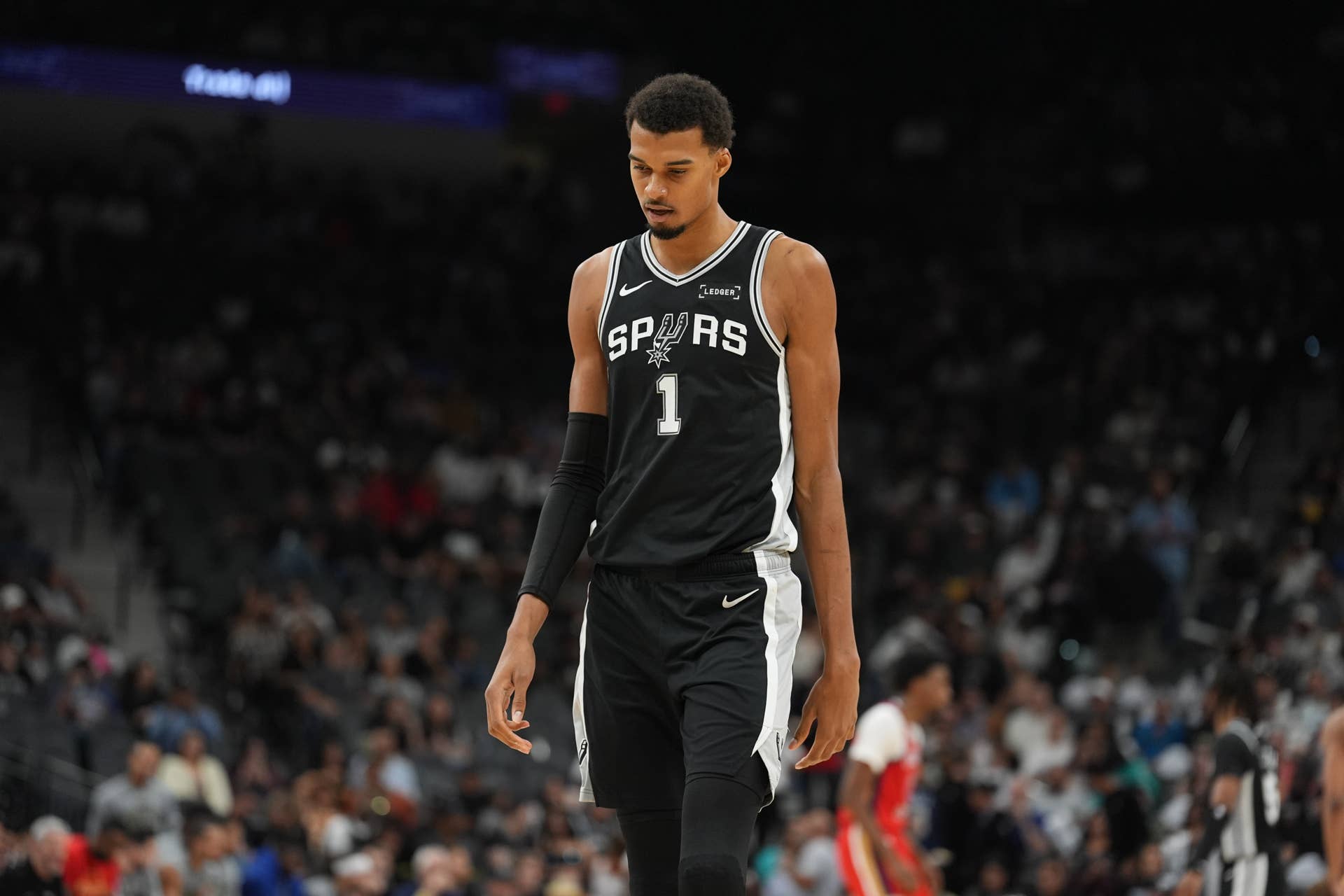
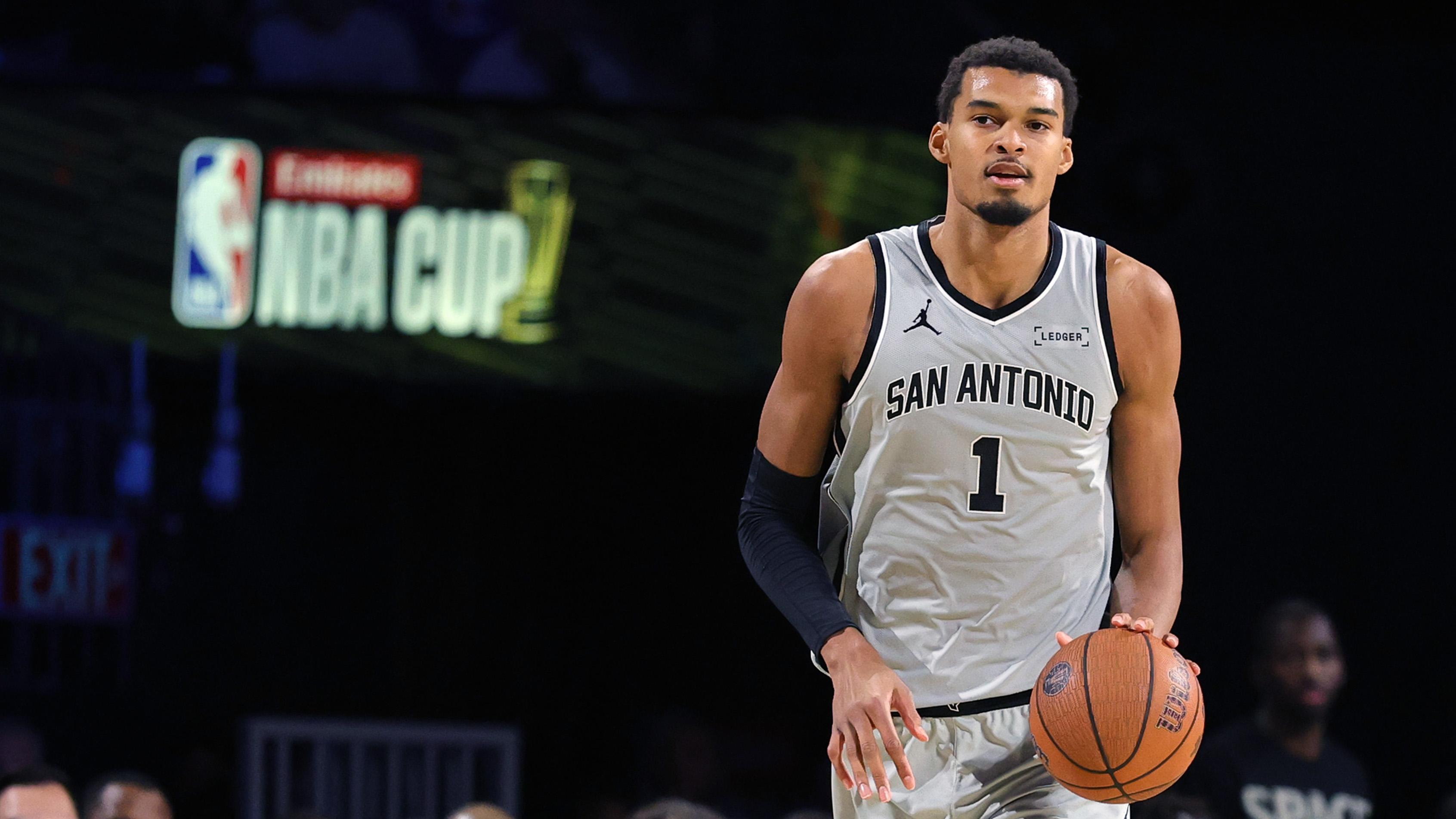
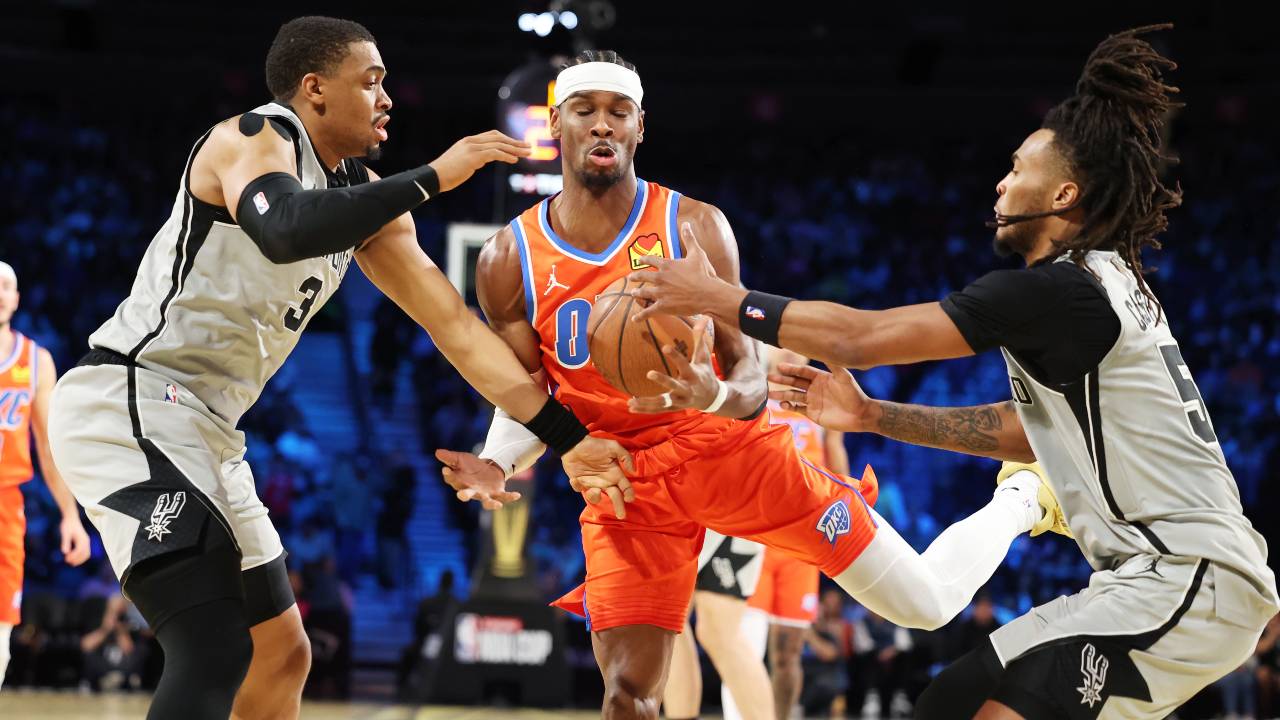
The Emirates NBA Cup Semifinals have unveiled a transformative narrative of resilience and strategic brilliance, centered around Victor Wembanyama's remarkable return to the San Antonio Spurs. After a month-long absence, Wembanyama delivered a performance that transcends mere statistical achievement, representing a pivotal moment in the team's competitive resurgence.
Strategic Performance Breakthrough: In just 21 electrifying minutes, Wembanyama dismantled the Oklahoma City Thunder's 16-game winning streak, scoring 22 points and grabbing 9 rebounds. His fourth-quarter surge of 15 points was particularly decisive, demonstrating not just individual skill but a profound ability to shift momentum at critical junctures. This isn't merely a comeback; it's a statement of competitive transformation.
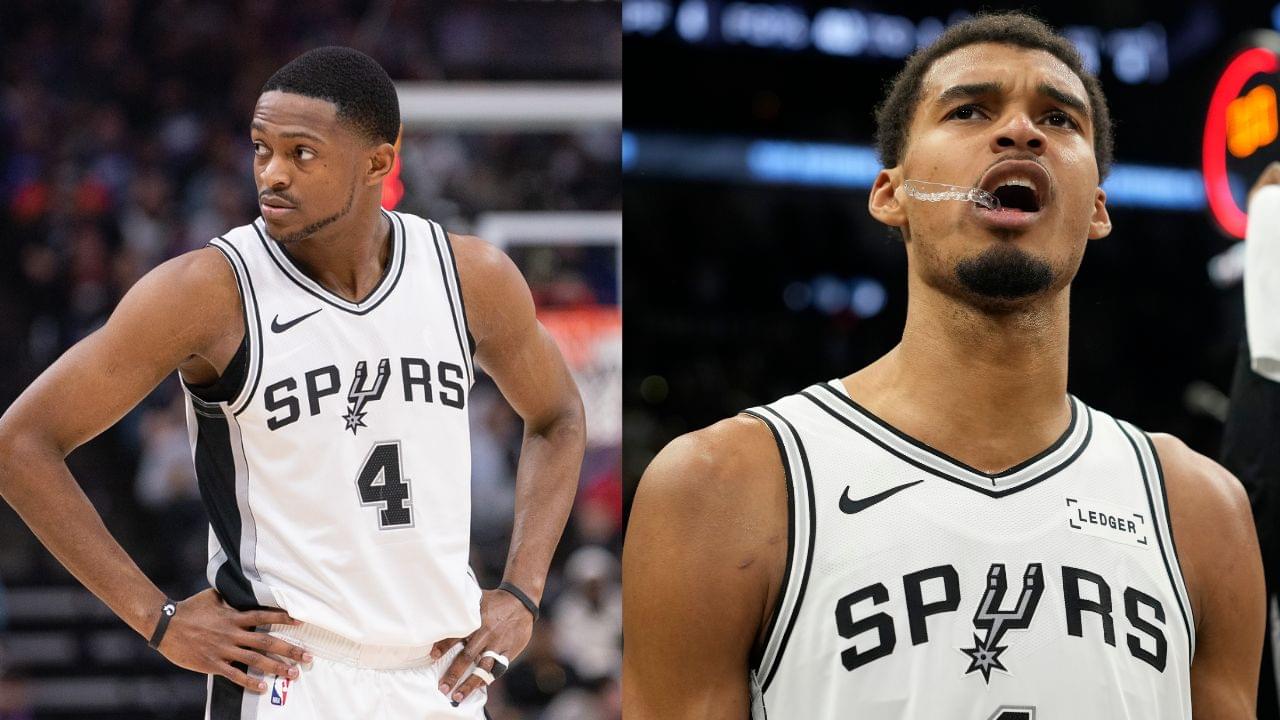
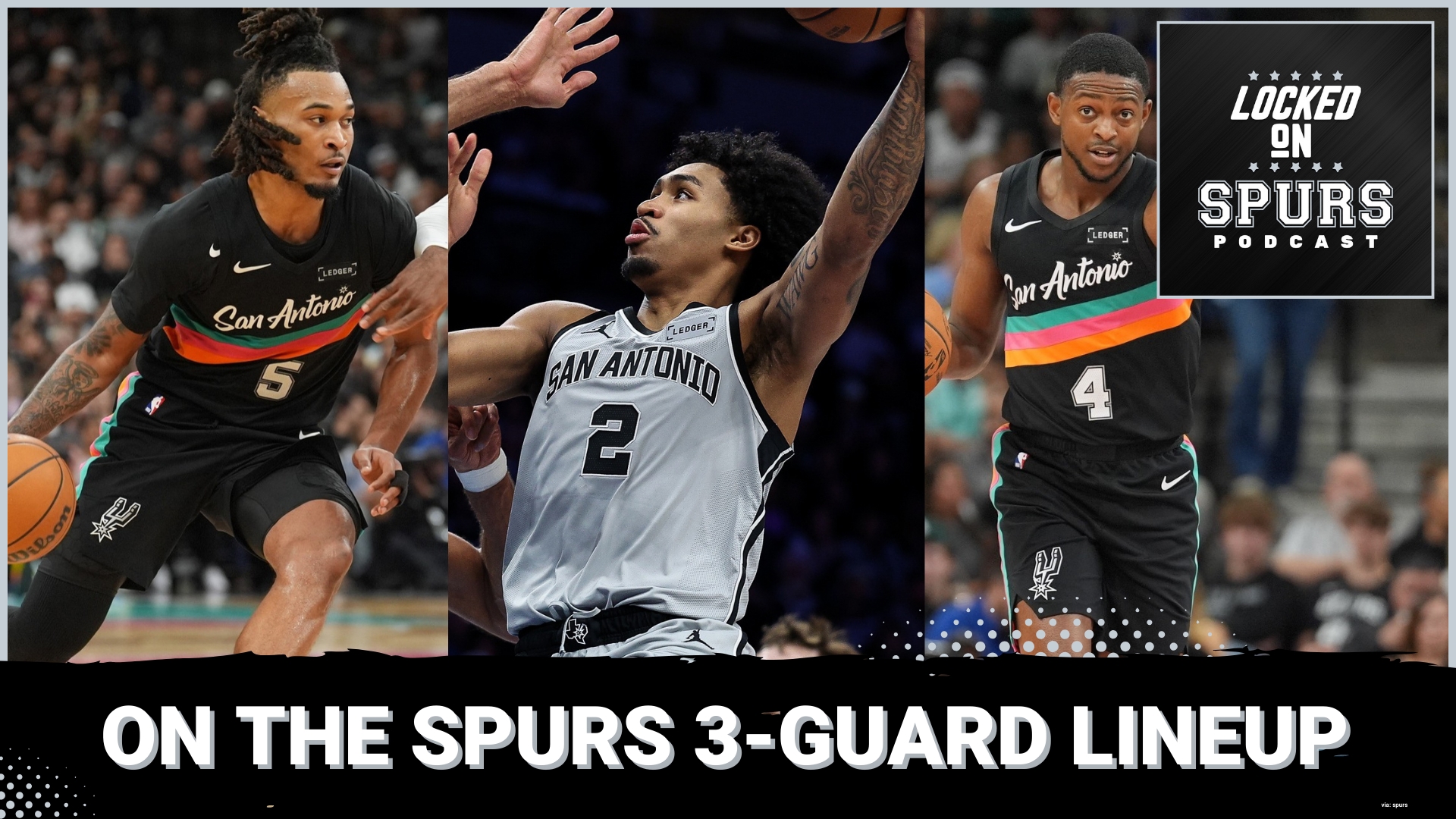
The Spurs' collective performance amplifies Wembanyama's impact. With DeAaron Fox, Devin Vassell, Stephon Castle, and Dylan Harper combining for 75 points, the team has showcased a depth of talent that goes beyond individual heroics. Fox's recent 10-3 stretch, averaging 24.9 points and 6.3 assists, and Vassell's consistent 17.6 points per game, underscore a strategic evolution in team dynamics.
Their upcoming championship game against the New York Knicks—featuring Jalen Brunson's season-high 40-point performance—represents more than a tournament finale. It symbolizes a broader narrative of emerging NBA talent redefining competitive landscapes. Stephon Castle's bold declaration that the team feels "unbeatable" reflects a psychological breakthrough, transforming individual potential into collective confidence.
This moment captures the NBA's ongoing transformation: young, dynamic talents like Wembanyama are not just players, but catalysts who can fundamentally reshape team trajectories and competitive expectations. The Spurs' journey represents a microcosm of strategic reinvention in professional basketball.
Questions 3
What does the upcoming NBA Cup Championship game represent?
The championship game against the Knicks symbolizes more than a tournament finale—it represents the emergence of young, dynamic talents like Wembanyama who are reshaping competitive expectations in professional basketball.
What makes the Spurs' current performance noteworthy?
The Spurs have defeated four top Western Conference teams with a combined 48 All-NBA selections, demonstrating their ability to compete at the highest level. Their backcourt's collective performance, combining for 75 points, highlights their strategic depth and teamwork.