




Latin America's Political Earthquake: Chile's Far-Right Resurgence Signals Deeper Regional Transformation
- Emerging conservative wave reshapes political landscape with security and immigration as key drivers

































Overview
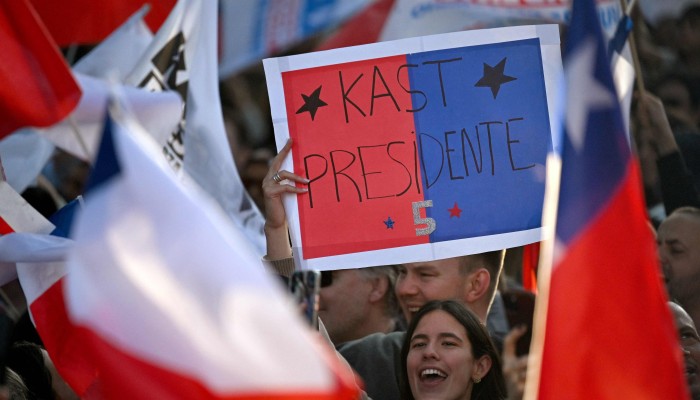
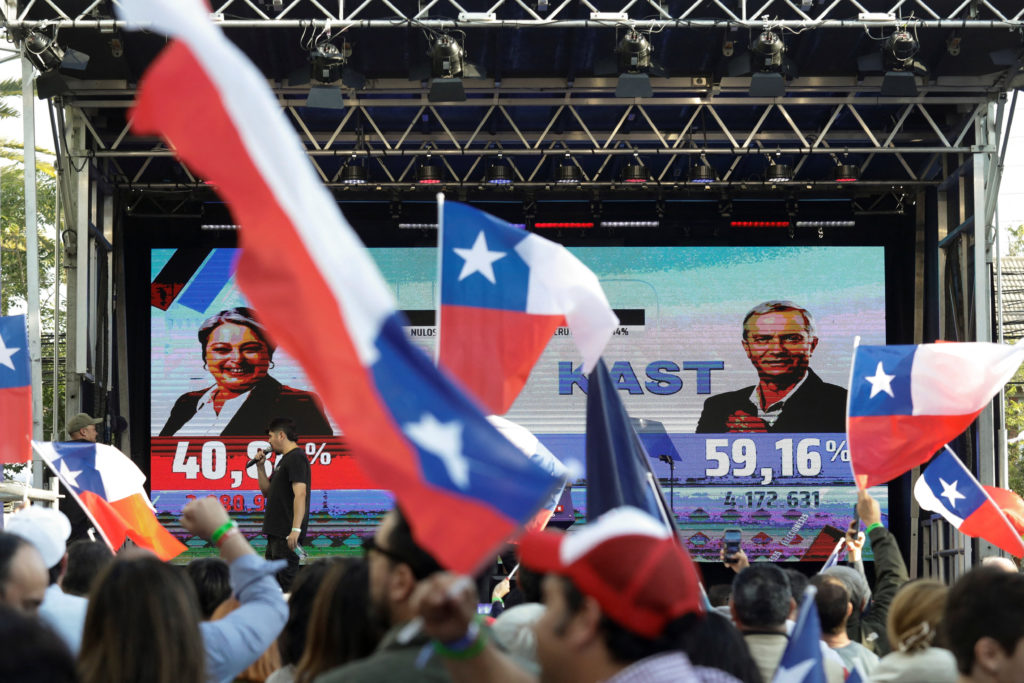
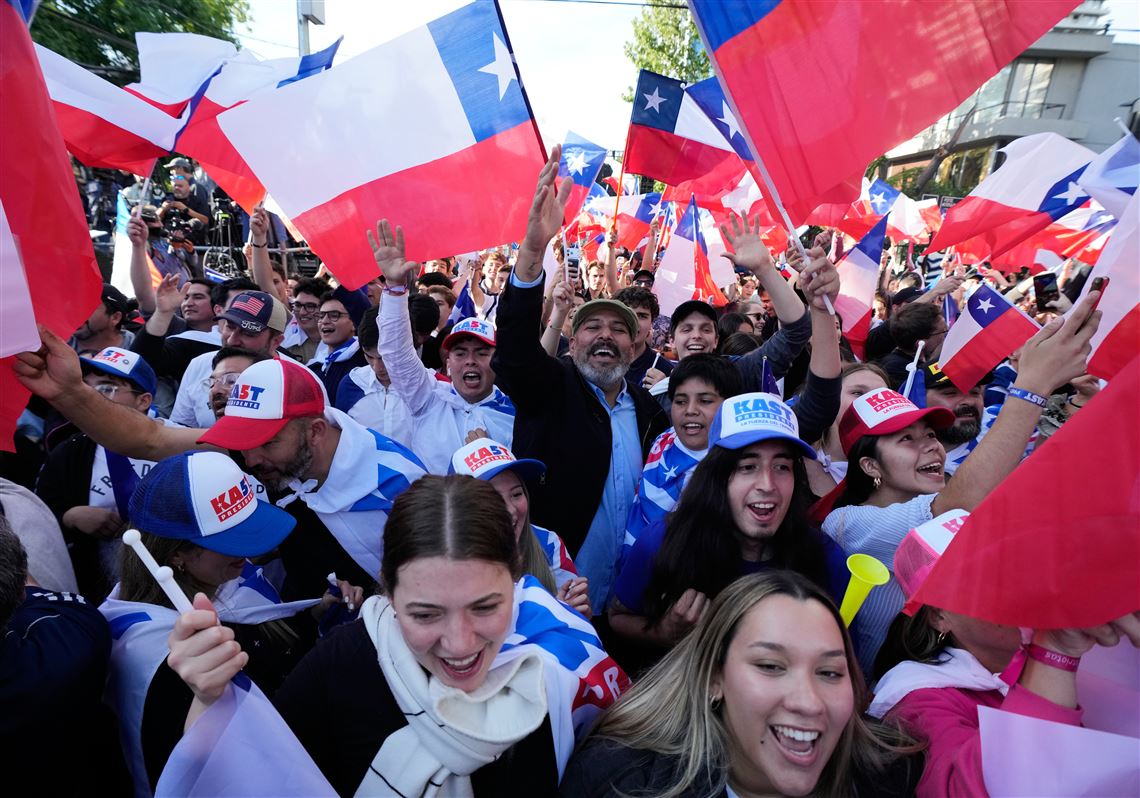
Chile's presidential election marks a pivotal moment in Latin American political dynamics, revealing profound shifts in voter sentiment and regional governance. Jose Antonio Kast's decisive victory with nearly 58% of the vote represents more than a simple electoral outcome—it signals a fundamental recalibration of political expectations in a country historically defined by its transition from military dictatorship.
The conservative resurgence reflects deep-seated societal anxieties, particularly around crime, economic instability, and immigration. Kast's campaign strategically leveraged these concerns, proposing aggressive security measures like mass deportations and stricter sentencing. This approach resonates with a electorate increasingly frustrated by perceived institutional ineffectiveness and rising social tensions.
Geopolitically, Kast's election is part of a broader Latin American conservative trend, challenging the region's previous leftist momentum. Despite his controversial background—including family connections to Nazi ideology and sympathetic comments about former dictator Augusto Pinochet—Kast has carefully moderated his image. This nuanced positioning reveals a sophisticated political strategy: maintaining core conservative principles while appearing palatable to a broader electoral base.
The structural limitations of Chile's political system add complexity to this transformation. Kast will govern with a divided National Congress, which will likely constrain his most hardline proposals. This institutional friction suggests an evolutionary rather than revolutionary political shift, where radical rhetoric meets pragmatic governance.
Critically, this election illuminates a deeper psychological transformation in Latin American electorates. Voters are increasingly prioritizing security, economic stability, and cultural preservation over traditional ideological narratives. The movement transcends simple left-right dichotomies, representing a more nuanced response to complex socioeconomic challenges.
For regional observers and policymakers, Kast's victory is a clear signal: traditional political paradigms are rapidly dissolving. The emerging political landscape demands more adaptive, security-focused approaches that directly address citizen concerns about safety, economic opportunity, and social cohesion.
Questions 3
How significant is Kast's victory in the broader Latin American context?
Kast's election represents part of a broader conservative resurgence in Latin America, challenging previous leftist political trends. It signals a shift towards security-focused, culturally conservative governance that prioritizes citizen safety and economic stability over traditional ideological narratives.
What drove Jose Antonio Kast's electoral success in Chile?
Kast capitalized on growing voter frustration with crime, economic challenges, and immigration concerns. His strategic campaign focused on security measures and presenting a moderated conservative image, which resonated with an electorate seeking decisive leadership and stability.