




Geopolitical Fault Lines Emerge as Ukraine Peace Talks Reveal Transatlantic Diplomatic Tensions
- Shifting Power Dynamics Expose Fragile International Consensus on Ukraine's Sovereignty













Overview
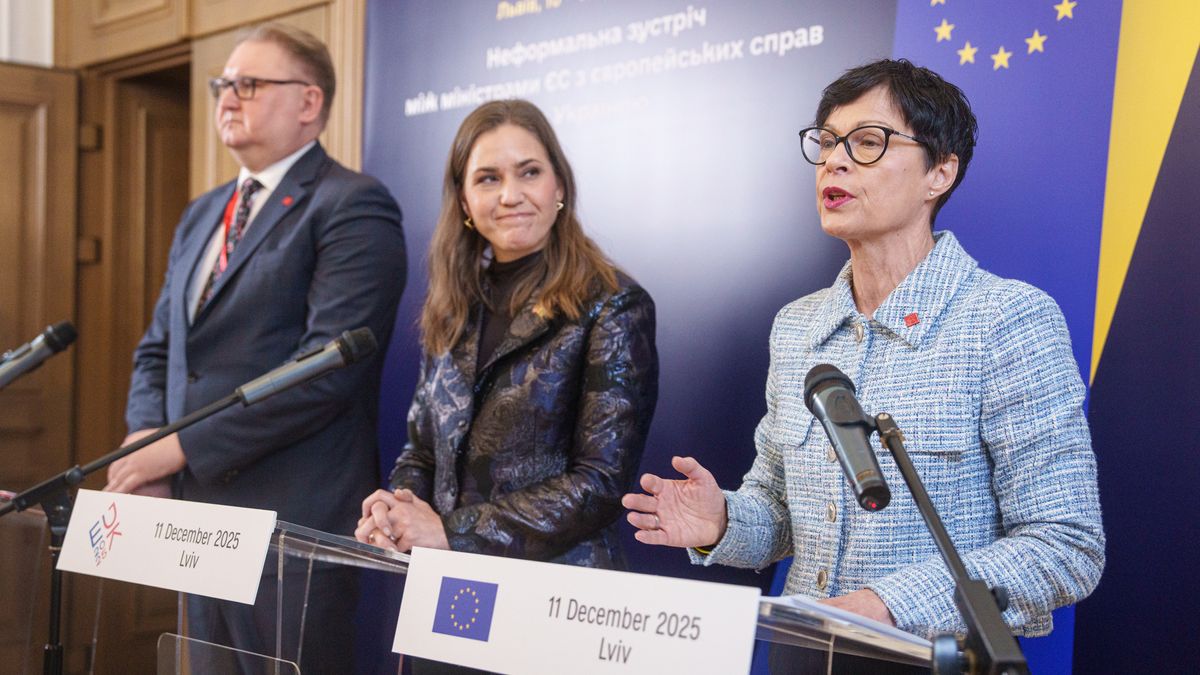
The ongoing Ukraine-Russia conflict has unveiled a complex geopolitical landscape where diplomatic negotiations are becoming increasingly fragmented and strategically nuanced. At the heart of these developments lies a critical inflection point in international relations, characterized by diverging perspectives between the United States and European allies regarding Ukraine's future.
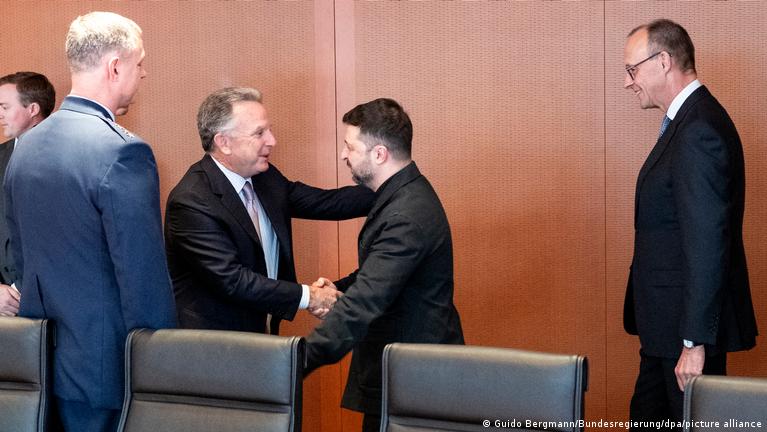
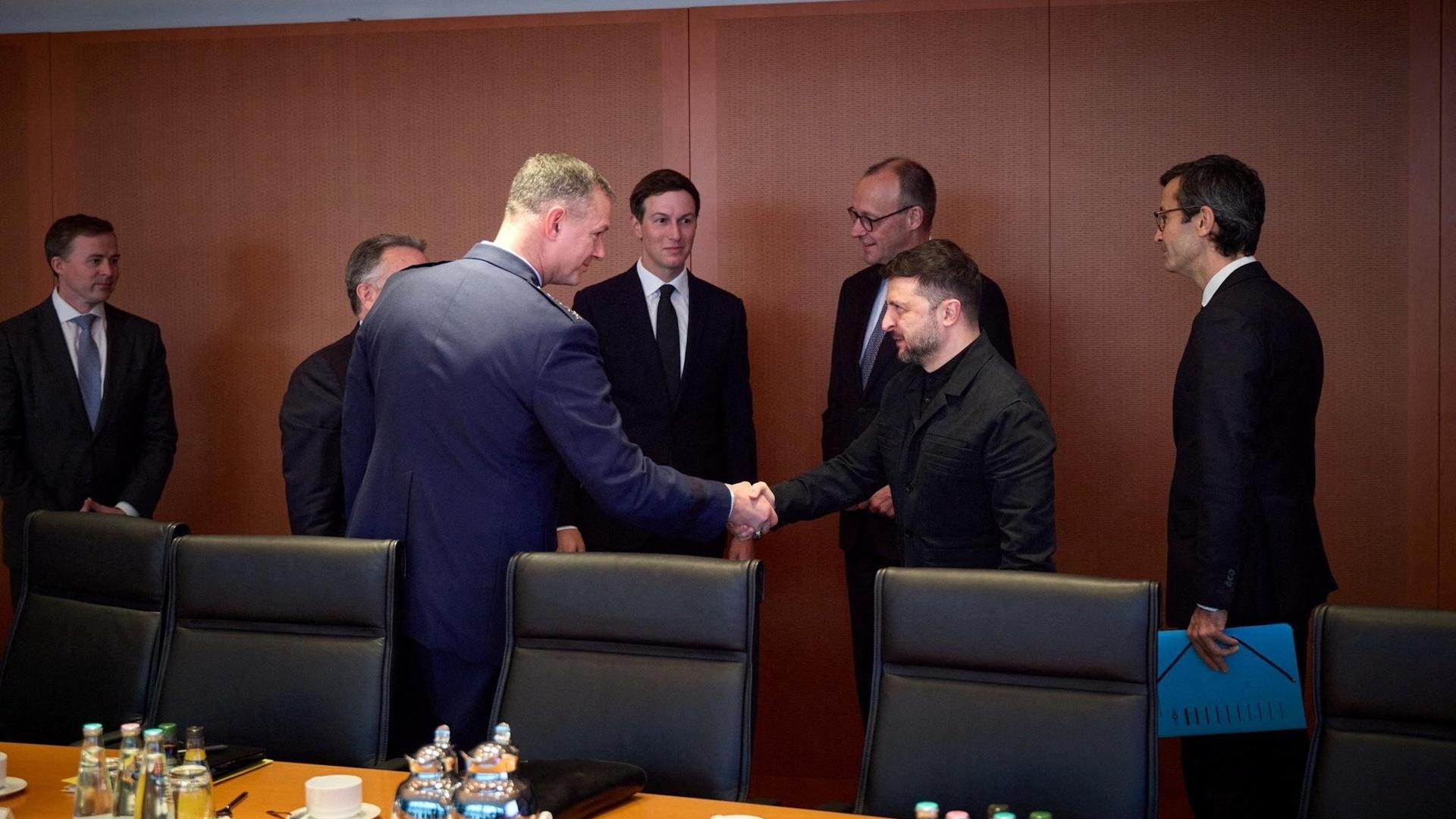
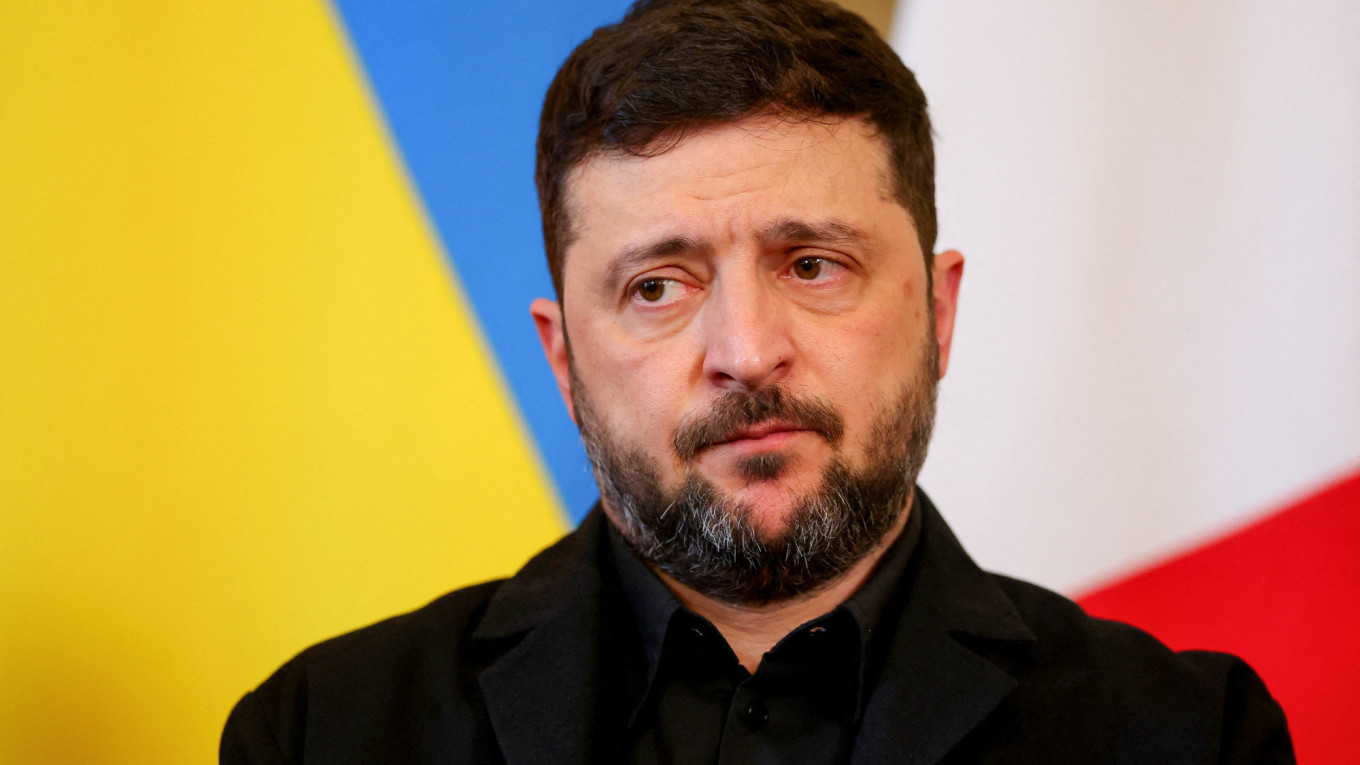
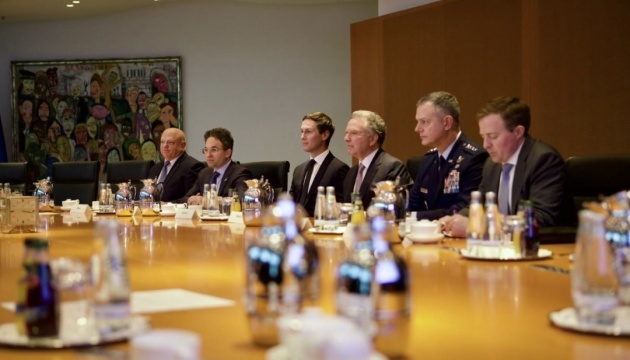
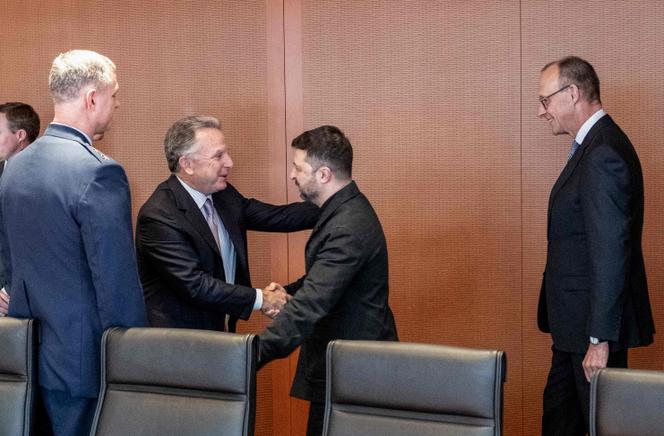
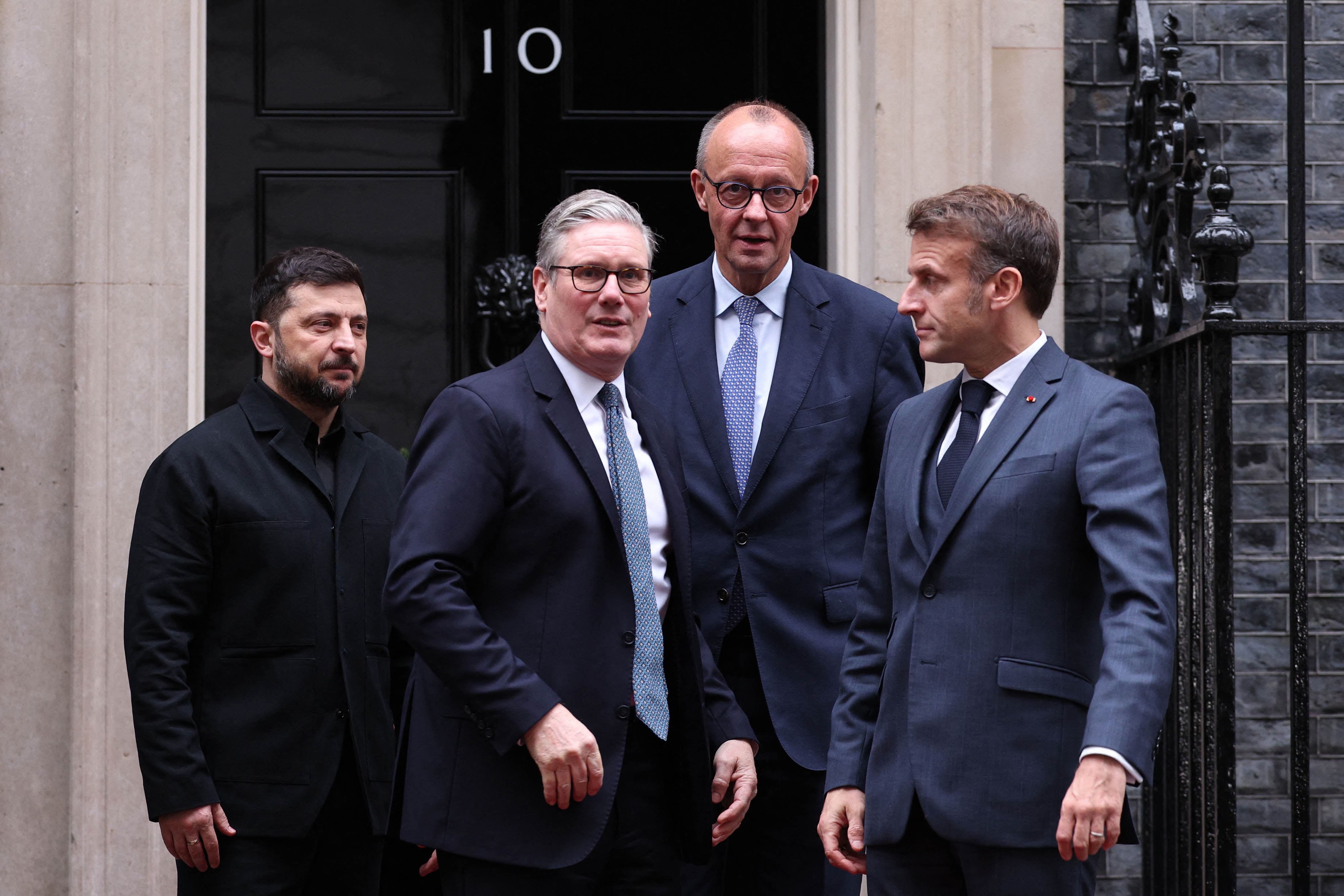
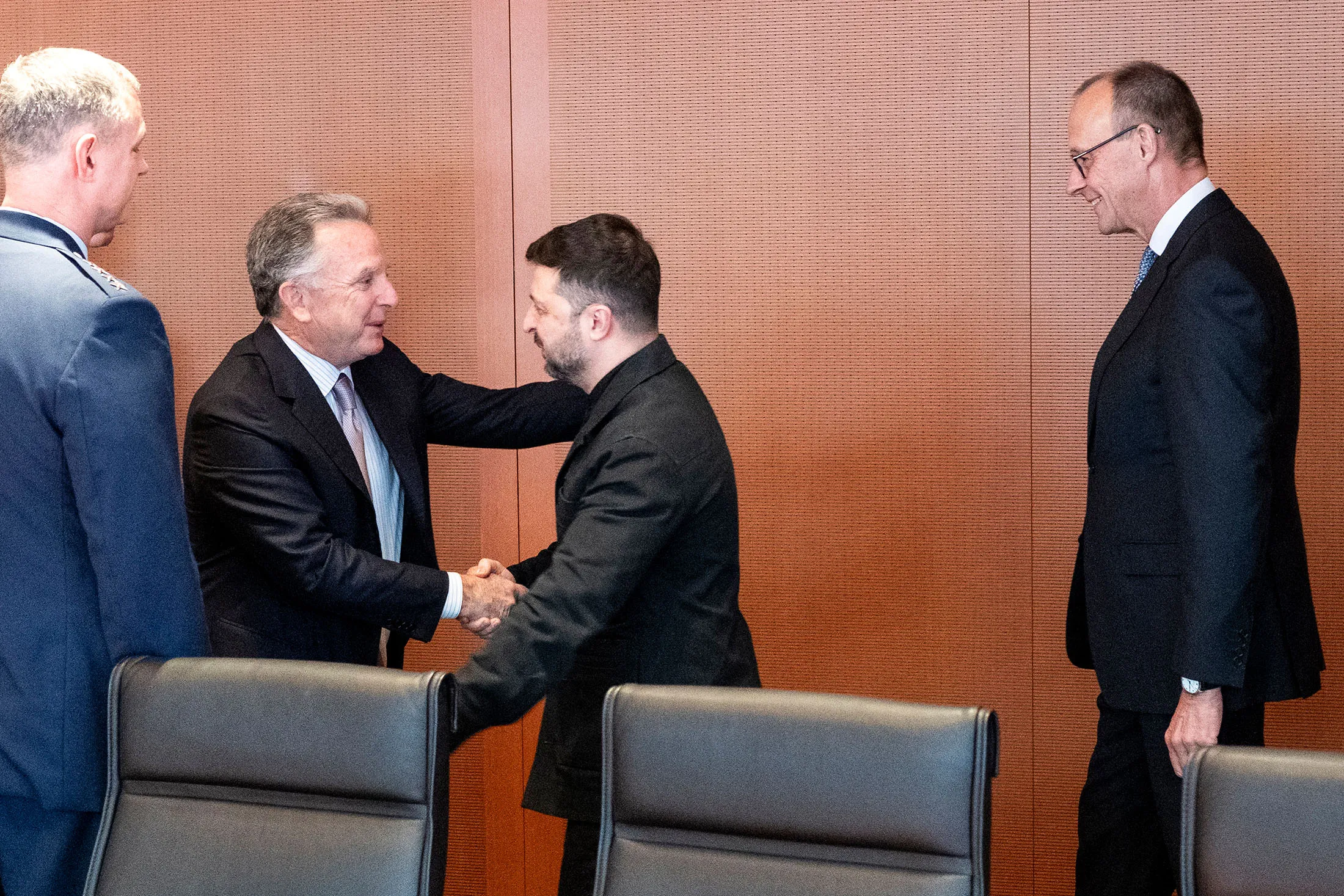
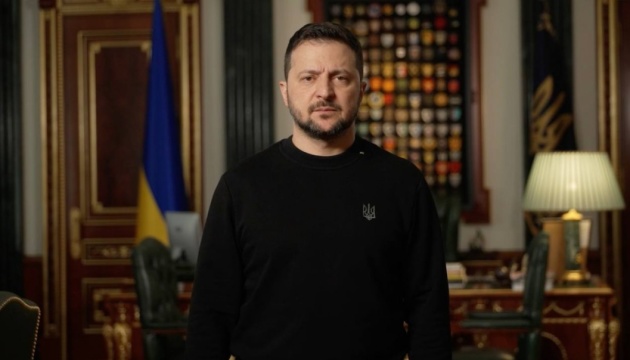
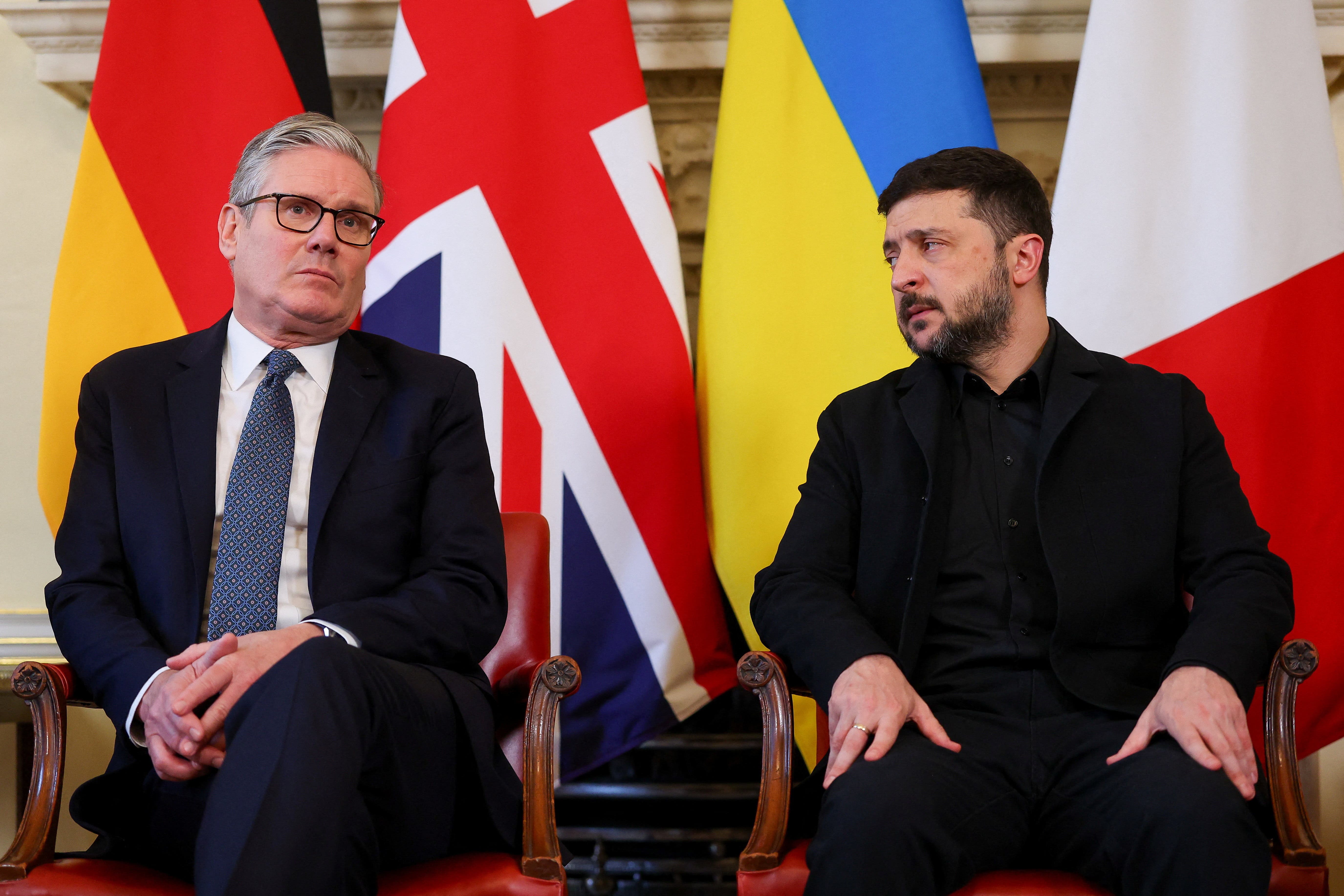
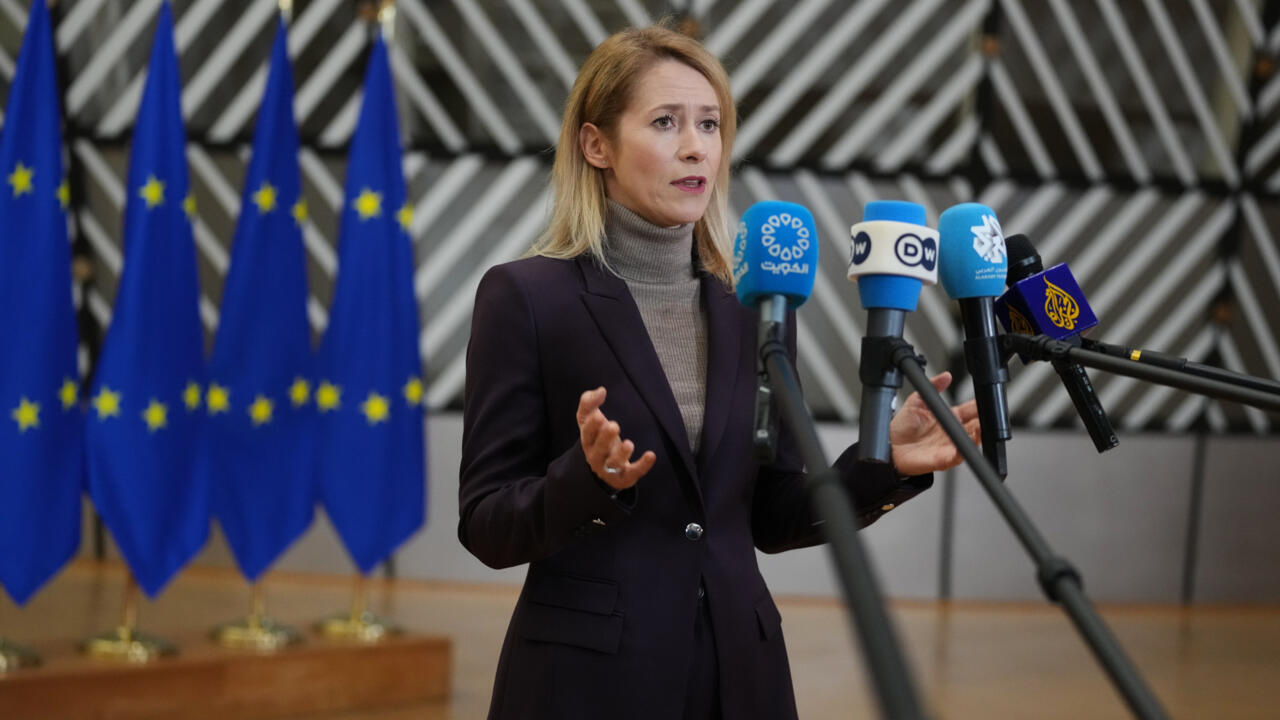
European leaders are demonstrating a resolute commitment to Ukraine's sovereignty, pushing back against potential Washington-driven compromise proposals. The Berlin talks, featuring key figures like Ukrainian President Zelenskyy, US envoys Steve Witkoff and Jared Kushner, and European leaders, highlight the intricate negotiation dynamics. German Chancellor Friedrich Merz's stark warning about the end of the 'Pax Americana' era underscores the profound geopolitical shifts underway.
The conflict's strategic complexity is further illuminated by military technological developments. Ukraine's innovative approach—relocating drone manufacturing to Germany with firms like Frontline Robotics and Quantum Systems—represents a sophisticated strategy to protect critical defense infrastructure from potential Russian disruptions. This move signals a broader trend of adaptive geopolitical positioning, where traditional battlegrounds are increasingly defined by technological resilience and strategic relocation.
Financial dimensions add another layer of complexity. The EU is grappling with a potential €250 billion reparations loan, with significant Russian state assets currently frozen. This financial chess game reveals the intricate mechanisms through which economic leverage is becoming a primary tool of geopolitical negotiation.
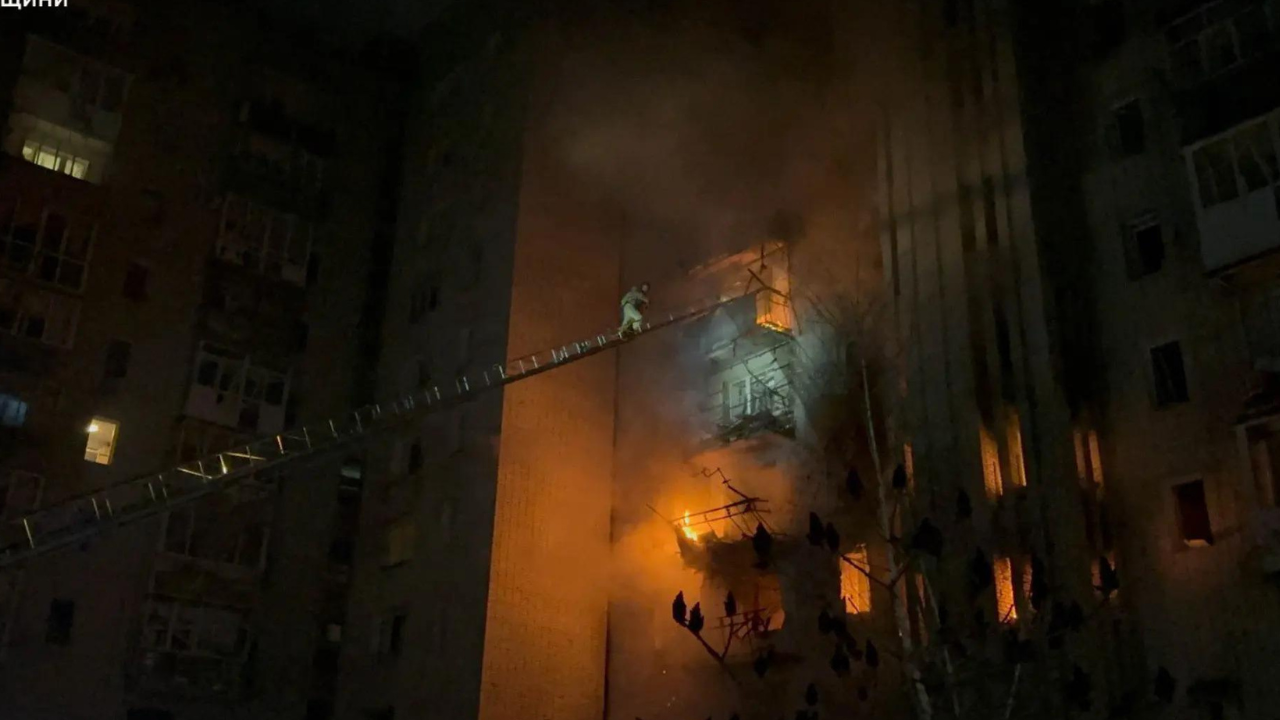
Military tensions persist alongside diplomatic efforts, with both Russia and Ukraine reporting drone exchanges that underscore the conflict's ongoing volatility. Russia's demands—including Ukrainian withdrawal from Donetsk and abandonment of NATO aspirations—reveal the fundamental challenges to any potential peace agreement.
The emerging narrative is one of fragmented international consensus, where traditional alliance structures are being stress-tested by competing strategic imperatives. The United States appears to be exploring compromise pathways, while European nations maintain a more hardline stance supportive of Ukraine's territorial integrity.
Questions 3
What are the key diplomatic challenges in the current Ukraine-Russia peace negotiations?
The primary challenges include Russia's demands for Ukraine to withdraw from Donetsk, abandon NATO membership, and allow Russian troops to remain in eastern Ukraine. European leaders are resisting Washington's potential compromise proposals, maintaining a strong stance on Ukraine's sovereignty.
What financial mechanisms are being considered to support Ukraine?
The EU is exploring a potential €250 billion reparations loan, with significant Russian state assets currently frozen. This complex financial strategy involves carefully navigating legal and economic risks, particularly in Belgium, where most Russian funds are deposited.