

Meta's AI-First Restructuring Creates Urgent Opportunity for E-Commerce Sellers to Adopt AI Tools Now
- 7,000+ Meta workers reassigned to AI roles signals accelerated AI product launches; sellers must adopt AI automation tools immediately to maintain competitive advantage as Meta's AI agents reshape advertising and commerce platforms














Overview
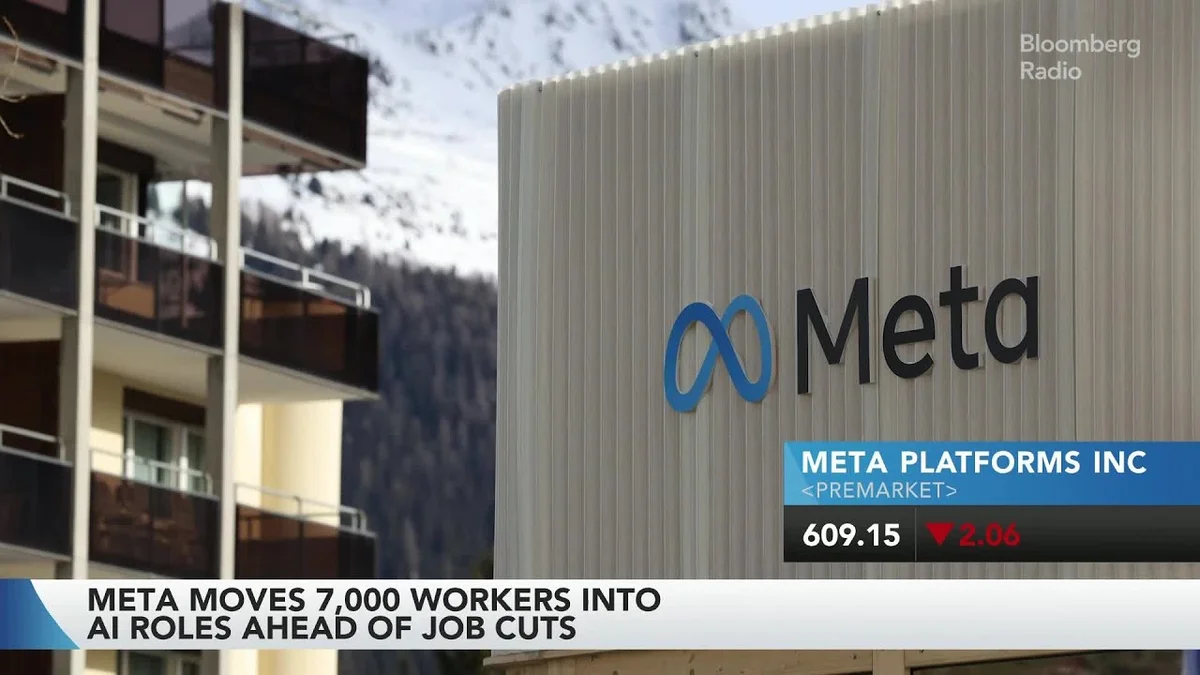
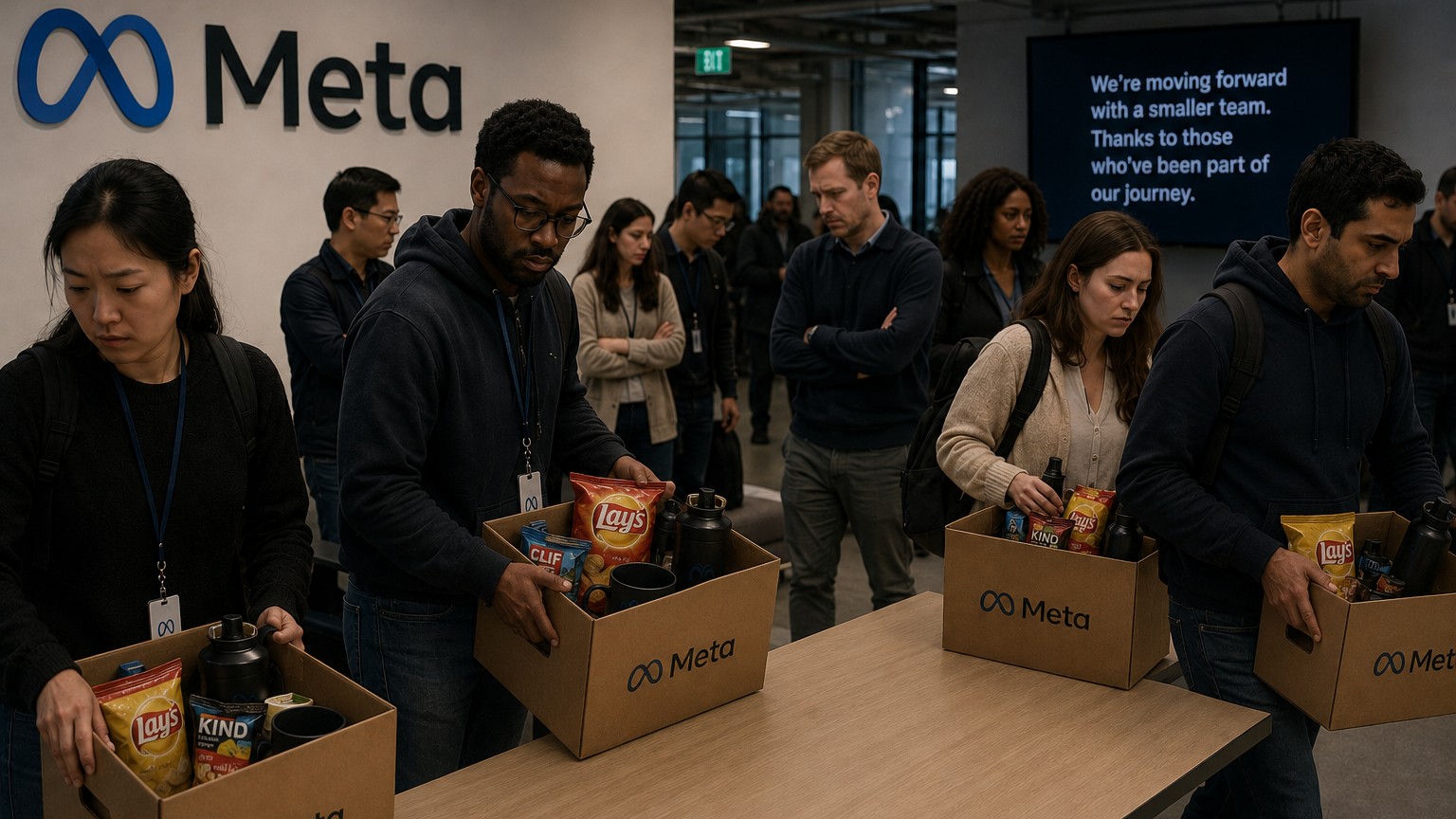
Meta's mandatory reassignment of 7,000+ workers to AI-focused teams—including the new "Hatch" internal AI agent project and Applied AI (AAI) data labeling initiatives—represents a critical inflection point for e-commerce sellers. This restructuring, announced alongside Q1 2026 record earnings and a 10% workforce reduction, signals Meta is accelerating AI product development at scale. For sellers, this creates a compressed timeline: Meta's AI agents will soon power advertising optimization, customer service automation, and product discovery on Facebook and Instagram—the platforms driving 35-40% of social commerce revenue for most sellers.
The immediate automation opportunity is substantial. Meta's shift toward AI-driven infrastructure means the company will deploy advanced recommendation engines, dynamic pricing suggestions, and automated customer service agents within 6-12 months. Sellers who haven't adopted complementary AI tools (inventory forecasting, dynamic pricing, automated PPC optimization) will face margin compression as Meta's AI-powered ads become more efficient for competitors. The Model Capability Initiative (MCI)—which tracks employee workflows to train AI models—indicates Meta is building AI agents that understand human work patterns; these agents will eventually optimize seller workflows, pricing strategies, and customer interactions. Sellers using manual processes will lose 15-25% efficiency advantage to AI-native competitors.
Data-driven competitive intelligence is now critical. Meta's 1,000+ engineers reassigned to data labeling suggests the company is building proprietary datasets to train AI models on real e-commerce workflows. Sellers can exploit this timing gap: by adopting AI analytics tools now (before Meta's AI agents mature), sellers can identify niche categories, seasonal micro-trends, and underserved customer segments that Meta's AI won't optimize for initially. The 500+ employee petition against MCI data collection practices signals potential privacy regulations ahead—sellers should prepare for stricter data governance requirements on Meta platforms within 12-18 months.
The organizational flattening trend spreading across Silicon Valley indicates a broader shift toward AI-augmented management. As Meta removes middle management layers and shifts managers to individual contributor roles, the company is signaling that AI tools will handle workflow coordination, performance monitoring, and resource allocation. For sellers, this means Meta's platform will increasingly use AI to enforce compliance, detect fraud, and optimize seller performance—creating urgency to implement AI-powered compliance monitoring and automated policy adherence systems now, before Meta's AI enforcement becomes mandatory.
Questions 8
What does Meta's 7,000-worker AI reorganization mean for sellers using Facebook and Instagram ads?
Meta's mandatory reassignment of 7,000+ workers to AI infrastructure and the Hatch AI agent project signals the company will deploy advanced AI-powered advertising optimization within 6-12 months. This means Meta's AI will automatically optimize ad targeting, bidding, and creative selection—potentially reducing manual optimization opportunities for sellers. Sellers should immediately adopt complementary AI tools for PPC campaign management, audience segmentation, and bid optimization to maintain competitive advantage. Expect Meta's AI to handle 60-70% of campaign optimization automatically by Q4 2026, requiring sellers to shift focus to strategy and creative testing rather than manual bid adjustments.
How should sellers prepare for Meta's AI agents reshaping customer service on Facebook Messenger?
Meta's Applied AI (AAI) team reassignment of 1,000+ engineers indicates the company is building AI agents to handle customer inquiries on Messenger and Instagram DMs. Sellers should implement AI-powered customer service automation now—using tools like Chatbase, Intercom, or platform-native AI—to standardize response quality and reduce response times before Meta's AI agents become the default. The Model Capability Initiative (MCI) tracking employee workflows suggests Meta's AI will learn from millions of customer interactions; sellers who don't automate customer service will appear slow compared to AI-assisted competitors. Implement automated FAQ responses, order status updates, and return inquiries handling immediately to maintain customer satisfaction scores.